Biomedicines Webinar | Photodynamic Therapy and Wound Healing | Session 1
the chair
15th Biomedicines Webinar
Photodynamic Therapy and Wound Healing | Session 1
To celebrate the success of a topic related to the effects of photodynamic therapy published in Biomedicines (Photodynamic Therapy 2.0), a webinar has been organized, inviting seven authors who will speak for 20 minutes about their published manuscript. This webinar will be split into two different sessions (with four speakers for session 1 on 19 May and the other three speakers for session 2 on 20 May). In my opinion, the manuscripts included in this volume are all of great quality, dealing with different areas in the field of photodynamic therapy and therefore reflect the need to investigate the questions raised. Therefore, this webinar will also be an opportunity to meet this need by anticipating the timing of the new volume— Photodynamic Therapy (4th Edition) dedicated to this care. Good work!
Date: 19 May 2025
Time: 10:00 AM CEST | 4:00 PM CST (Asia) | 5:00 PM KST
Webinar ID: 876 7231 6232
Webinar Secretariat: journal.webinar@mdpi.com
Meet Our Chair
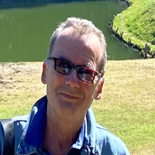
Department of Biology, University of Florence, Italy;Prof. Dr. Stefano Bacci (Orcid number: 0000-0002-3651-229X) is a Professor of Cytology and Histology and Developmental Biology at the University of Florence and resided, during his training, at the Schepens Eye Research Institute, Harvard Medical School, Boston (MA), USA. His main research concerns the understanding of the cellular mechanisms involved during wound healing in relation to the type of treatment used, including photodynamic therapy. He is the author of over 100 articles in his research area, including high-impact publications.
Meet Our Speakers
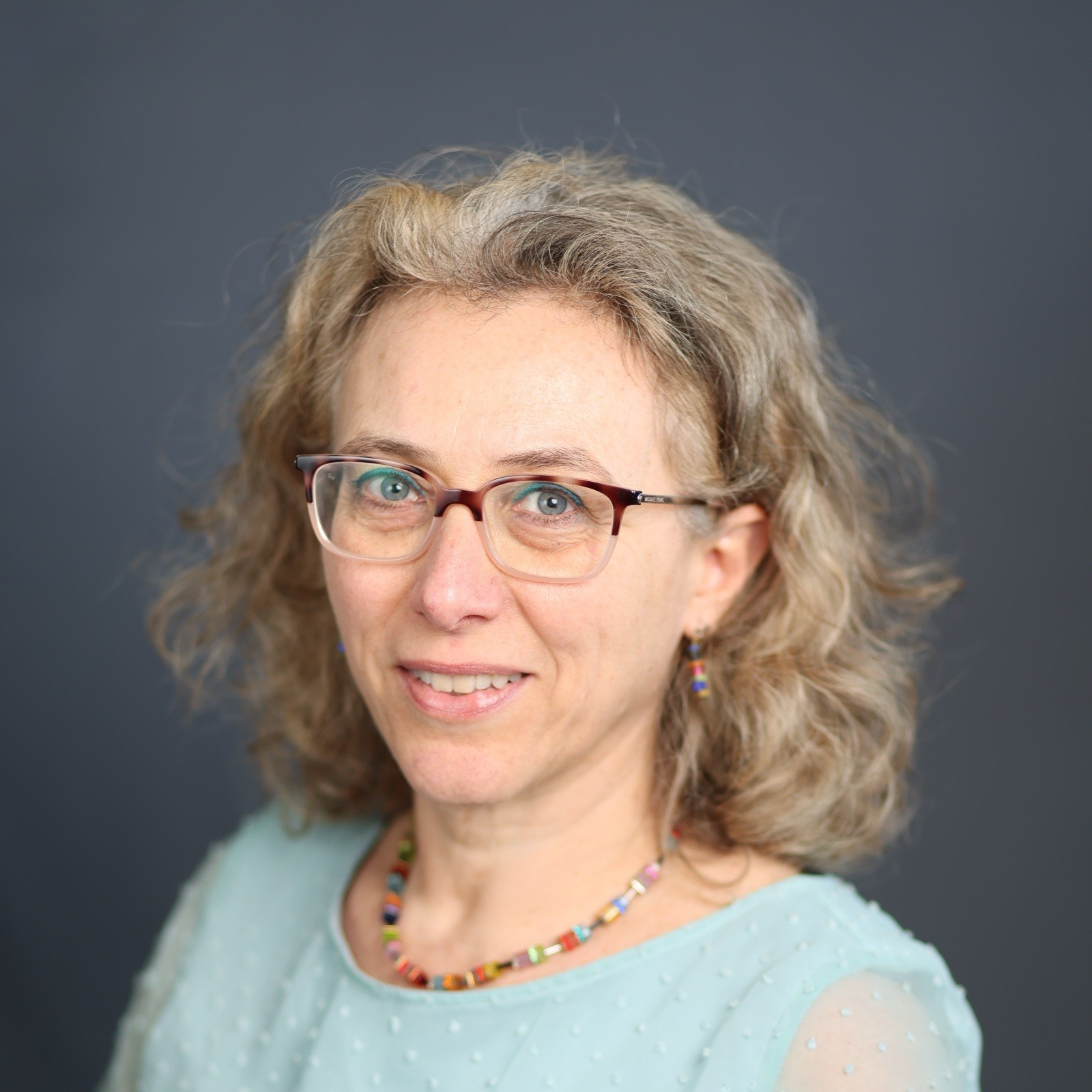
Prof. Dr. Francesca Rossi
Institute of Applied Physics "Nello Carrara”, National Research Council (CNR-IFAC), Italy;Prof. Dr. Francesca Rossi’s main interest concerns light–tissue interactions. Her current research focuses on the design of innovative medical devices applied in a variety of fields, including dermatology and wound management. She has authored over 150 scientific publications, and she is the inventor of 8 patents. She is currently Senior Researcher at the Institute of Applied Physics “Nello Carrara” at the Italian National Research Council.
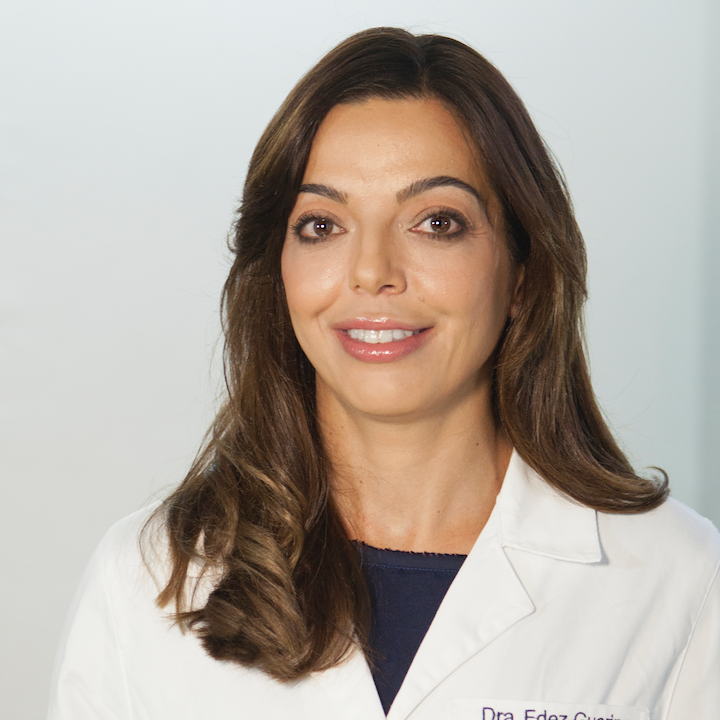
Dermatology Service, Ramón y Cajal University Hospital, Ramón y Cajal Institute for Health Research (IRYCIS), Spain;Prof. Dr. Montserrat Fernández-Guarino is a dermatologist at Ramón y Cajal University Hospital and a professor of Medicine at Alfonso X el Sabio University. She directs the research group on dermatology, photobiology, light-based therapies, and cancer prevention. With a strong clinical and academic background, Dr. Fernández-Guarino is recognized for her contributions to photodynamic therapy and skin cancer prevention.
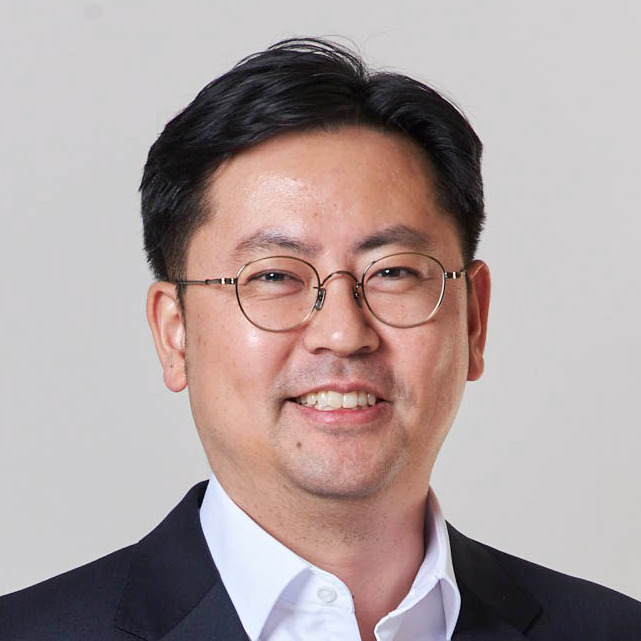
Center for Natural Product Systems Biology, Korea Institute of Science and Technology (KIST), Korea;Prof. Dr. Kyungsu Kang is a Principal Researcher at the Gangneung Institute of Natural Products, Korea Institute of Science and Technology (KIST), South Korea. He is also a Professor in the Natural Product Applied Science Major, University of Science and Technology, and an Adjunct Professor in the Department of Convergence Medicine at Yonsei University Wonju College of Medicine. He received his B.S. in Applied Biology and Chemistry, and his M.S. and Ph.D. in Agricultural Biotechnology, from Seoul National University, South Korea. The main research focus of Dr. Kang’s laboratory is the discovery of bioactive natural products that promote intestinal health and modulate the gut–organ axis. Dr. Kang and his team are particularly interested in the AI- and data-based discovery of bioactive natural products.
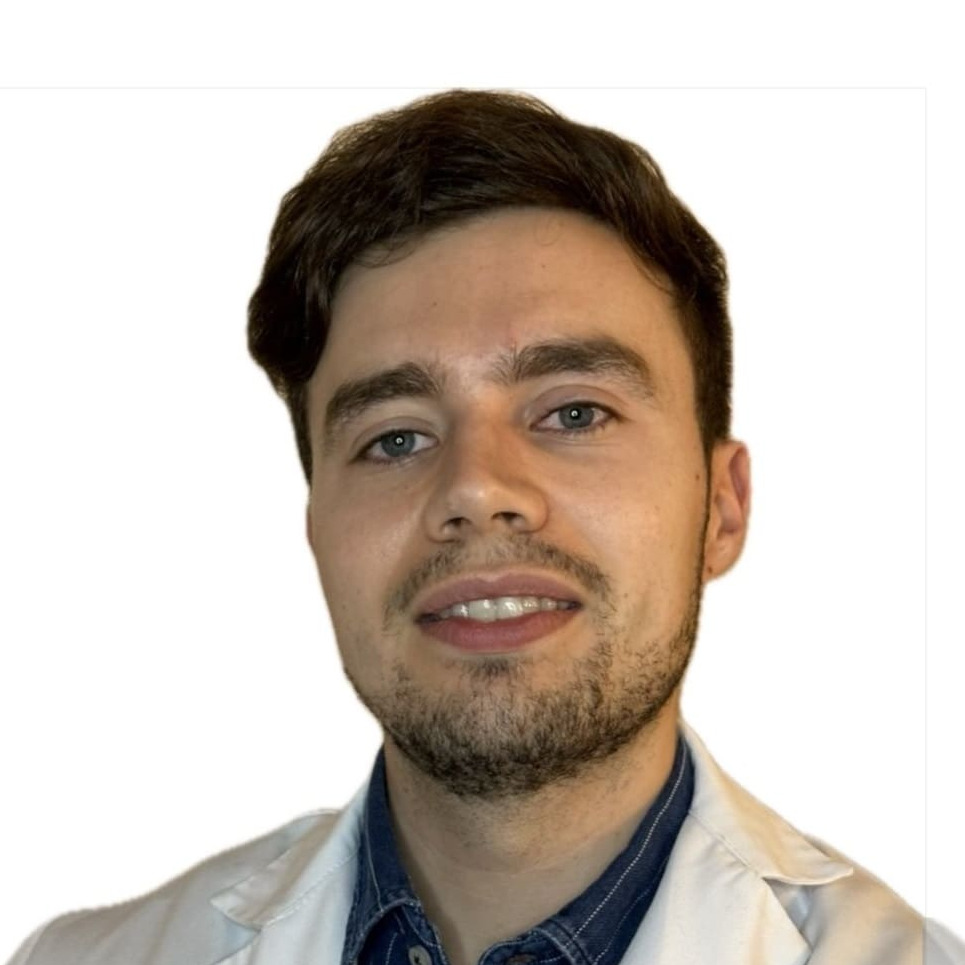
Dermatology Service, Ramón y Cajal University Hospital, Ramón y Cajal Institute for Health Research (IRYCIS), Spain;Dr. Jorge Naharro-Rodriguez currently works at Dermatology department, Ramón y Cajal University Hospital, Madrid, Spain. They conducted a doctoral thesis on photodynamic therapy and photobiology, exploring light dose modification on this procedure for the treatment of skin cancer. The investigation focused on the interaction between light and skin, and its biological effects.


On 19 May 2025, MDPI and Biomedicines organized the first session of their webinar series, entitled "Photodynamic Therapy and Wound Healing | Session 1".
Please find the closing summary by our Chair, Prof. Dr. Stefano Bacci, below.
This webinar offered new insights into various aspects of photobiomodulation. During the event, scientists from different countries presented compelling concepts that left a lasting impression on the audience. For attendees, it was an opportunity to learn about current research topics and potentially discover new ideas for future projects. These concepts are expected to find applications across diverse branches of biology and medicine, thereby contributing to the resolution of complex clinical problems.
Please also find the summary by one of our speakers, Prof. Dr. Kyungsu Kang, below.
Are reactive oxygen species (ROS) detrimental or essential for healthy aging? In contrast to the ‘free radical theory of aging’, the ‘hormetic theory of aging’ considers ROS as important signaling molecules. Photodynamic therapy (PDT), which utilizes photosensitizers and light to generate high levels of various ROS, has been successfully used to suppress cancer cells and eliminate pathogenic bacteria. However, here we report for the first time that mild PDT increases the lifespan and oxidative stress resistance of the model organism Caenorhabditis elegans at the organism level. We developed a novel photodynamic treatment using hypericin (20 μM) and orange light (5.4 W/m², 1 min), which induces intracellular ROS and enhances both lifespan and stress resistance in C. elegans. The longevity effect was blocked by N-acetylcysteine, indicating that the beneficial effects of mild PDT are mediated through pro-oxidative, ROS-dependent mechanisms. Mild PDT induces the nuclear translocation of SKN-1/NRF2 and DAF-16/FOXO transcription factors, and upregulates antioxidant genes such as ctl-1, gst-4, and sod-3. In summary, our findings suggest that mild PDT extends the lifespan of C. elegans under both normal and oxidative stress conditions by activating the SKN-1/NRF2 and DAF-16/FOXO signaling pathways.
The webinar was hosted via Zoom and required registration to attend. The full recording can be found below. In order to learn about future webinars, you can sign up to our newsletter by clicking “Subscribe” at the top of the page.
Wound Healing: From Mechanisms to Therapeutic Approaches
Guest Editor: Prof. Dr. Stefano Bacci
Deadline for manuscript submissions: 31 July 2025
Photodynamic Therapy (4th Edition)
Guest Editor: Prof. Dr. Stefano Bacci
Deadline for manuscript submissions: 31 October 2025