Buildings Webinar | Mental Health and Wellbeing in Built Environments
the chair
6th Buildings Webinar
Mental Health and Wellbeing in Built Environments
Welcome to our webinar on "Mental Health and Wellbeing in Built Environments", jointly organised by Buildings, MDPI, and the Smart Cities and Infrastructure research cluster at the School of Built Environment, UNSW Sydney. We are privileged to have three distinguished speakers who will share their insights on this crucial topic.
The mental health and wellbeing of workers in the built environment sector, including the construction industry, is of paramount importance. These workers often face unique challenges and stressors, such as high-stress levels, demanding physical labour, and exposure to hazardous conditions. Addressing their mental health needs is not only a matter of ethical responsibility but also essential for enhancing productivity, improving the overall performance of the sector and transforming the industry culture.
Moreover, the design and functionality of built environments, such as facilities and buildings, play a significant role in influencing the mental health and wellbeing of their users. Thoughtfully designed spaces can reduce stress and enhance overall quality of life.
Our speakers will delve into these topics, exploring how we can create healthier, more supportive environments for both workers and users. We hope this webinar will inspire you to prioritise mental health and wellbeing in your projects and practices. Thank you for joining us, and we look forward to an engaging and informative session.
Date: 25 March 2025
Time: 3:00 pm AEDT | 12:00 pm CST Asia | 5:00 am CET
Webinar ID: 884 0287 4868
Webinar Secretariat: journal.webinar@mdpi.com
Meet Our Chair
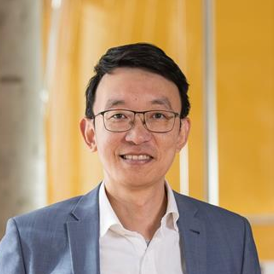
School of Built Environment, UNSW Sydney;Riza Yosia Sunindijo is an Associate Professor and Deputy Head of School (Research) in the School of Built Environment, UNSW Sydney. His research interests include work health and safety, and women’s empowerment in construction. He is an author of more than 130 scholarly publications and recognised as a World’s Top 2% Scientist by Stanford University. He is a member of the Australian Institute of Building and Chartered Institute of Building. Before entering academia, he worked as Sustainability Champion and Project Manager, where he contributed to the construction of numerous large projects, including five-star resorts and an international airport.
Meet Our Speakers
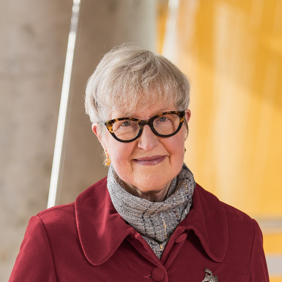
School of Built Environment, UNSW Sydney;Susan Thompson is Professor of Planning in the School of the Built Environment, Faculty of Arts, Design and Architecture, UNSW. Susan’s research, teaching and scholarship focuses on the relationship between people and place, building understandings about the ways in which places can best support diverse communities. Susan is one of the first urban planners in Australia to advocate for the importance of healthy built environments and has made significant contributions to planning policy, education and research in this transdisciplinary field.

School of Architecture and Built Environment, Queensland University of Technology;Carol is an Associate Professor in School of Architecture and Built Environment, at Queensland University of Technology. She is passionate about creating a healthy and sustainable construction industry through digital transformation. Her research strives to improve safety, health and wellbeing in the construction industry, informing best practices and policy changes. Her work drives changes in the Work Health and Safety Act (Queensland) and delivers evidence for the Australian construction industry to better manage psychosocial risks in the workplace and reduce suicide rates of the construction workers. Before joining the academia, she practiced in the quantity surveying profession.
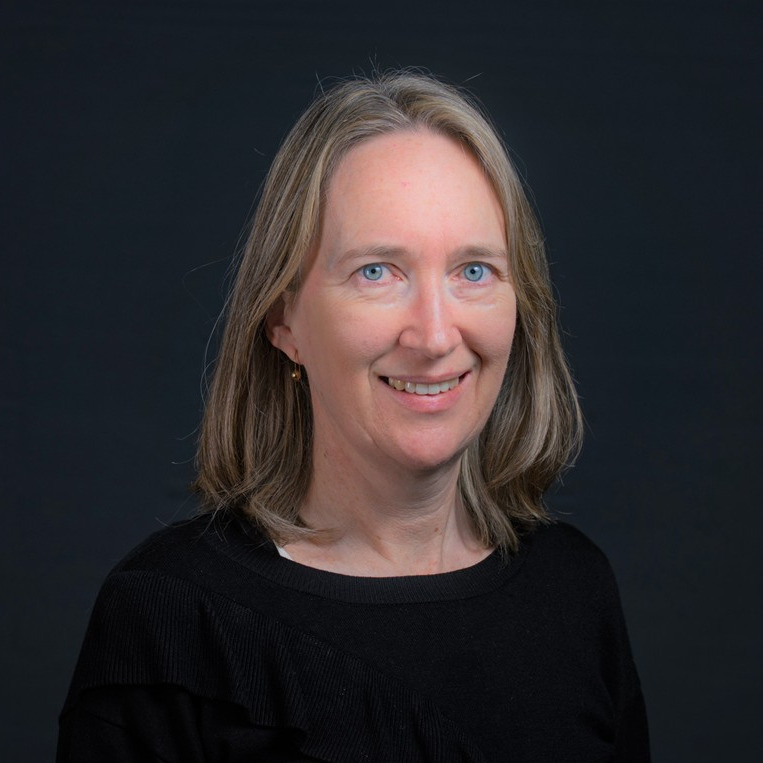
School of Property, Construction, and Project Management, RMIT University;Professor Michelle Turner is a member of the Construction Work Health and Safety Research Lab at RMIT University in Melbourne, Australia. Michelle has published peer-reviewed journal articles, book chapters, and reports for industry and government agencies focusing on construction worker health and wellbeing and women in construction. Michelle’s recent co-authored book brings together over 15 years of health and wellbeing based research in the construction industry. Alongside her research activities, Michelle teaches project management to students undertaking undergraduate and postgraduate studies.


In this section, you will find the recordings of this webinar to watch, re-watch and share with your colleagues!
In this webinar, three eminent speakers delivered impactful insights backed up by solid research. Prof Susan Thompson presented the four domains of a health supportive environment: (1) Planetary Health, (2) the Built Environment and Getting People Active, (3) the Built Environment and Connecting and Strengthening Communities, and (4) the Built Environment and Providing Healthy Food Options. The last three domains are where planning and built environment researchers and practitioners can have the most impact in supporting health. A/Prof Carol Hon highlighted the importance of focusing on mental health in construction and interrelationships among psychosocial hazards. She proposes to jointly control multiple psychosocial hazards to increase the probability of good mental health. Prof Michelle Turner presented the impact of a 5-day work week on labour productivity as part of the three pillars of the Culture in Construction initiative: (1) time for life, (2) wellbeing, and (3) diversity and inclusion. Her research shows the benefits of a 5-day work week on productivity, wellbeing, and work-life balance in contrast to a traditional 6-day work week currently widely adopted in the construction industry.