The 3rd International Online Conference on Corrosion and Materials Degradation
In Memoriam of Prof. Dr. Digby Macdonald
Thank you for joining us!
The 3rd Online Conference on Corrosion and Material Degradation (CMD 2026) has come to a close.
The Book of Abstracts is now available HERE.
The Poster Gallery is now available HERE.
We would like to thank our Conference Chairs, Session Chairs, keynote and invited speakers, authors, and all participants for making CMD 2026 a successful international platform for scientific exchange.
The winners of the conference will be announced soon.
We look forward to welcoming you at the next edition of CMD!
For inquiries: cmd2026@mdpi.com.
the chairs
The CMD 2026 will render tribute to our esteemed Prof. Digby Macdonald, who was a founding editorial board member of the Corrosion and Materials Degradation journal, and a pioneer in the application of electrochemical methods and theories to advancing the understanding of corrosion and materials degradation. His remarkable and seminal work left a lasting mark on the field of electrochemistry and has been a continuous inspiration and legacy for the current and future generations of researchers in corrosion and materials science, and engineering. He delivered novel approaches and original contributions across a wide array of interdisciplinary subjects, particularly focusing on corrosion and interfacial electrochemical processes on materials in a wide range of applications, including nuclear energy, infrastructure, and transportation, among others. Digby’s accolades have been recognized for his talent in designing rigorous, illuminating experiments and for crafting predictive theoretical models at the frontiers of knowledge grounded in core scientific first principles.
Corrosion and the science and technology of its mitigation are like an antique but fascinating subject. It is among the most common forms of material degradation, which poses enormous challenges across industries, and it can even impact our health. The vexing problem of corrosion continues to negatively affect our society, but it also brings about the application of new and critical technologies. CMD 2026 will present disruptive and novel approaches to corrosion mitigation for commercially attractive exploitation while also promoting the cutting-edge advancements of the traditional approaches of the discipline.
S1. Electrochemical Corrosion Mechanism at the Interface (Localized, Crevice, Advanced Characterization Techniques, EAC, Nanoscale);
The conference features two presentation formats: oral (15-minute session including Q&A) and poster (display online in poster gallery). Submitted abstracts will be reviewed by the conference committee. All accepted abstracts will be available for registered participants in the form of a book of abstracts during the conference period. Attendees are also warmly encouraged to submit full manuscripts to the Special Issue of Corrosion and Materials Degradation (CMD) (ISSN: 2624-5558; Impact Factor: 2.7; Cite Score: 4.3), benefiting from a 20% publication fee discount. All submissions will follow MDPI's standard peer-review process.
Kind regards,
Prof. Dr. Mirna Urquidi-Macdonald
Pennsylvania State University, USA
Prof. Dr. David M. Bastidas
School of Engineering
Deakin University, Australia
Prof. Dr. Dominique Thierry
RISE Research Institutes, Sweden
The Chairs of the 3rd International Online Conference on Corrosion and Materials Degradation



Meet Our Chairs
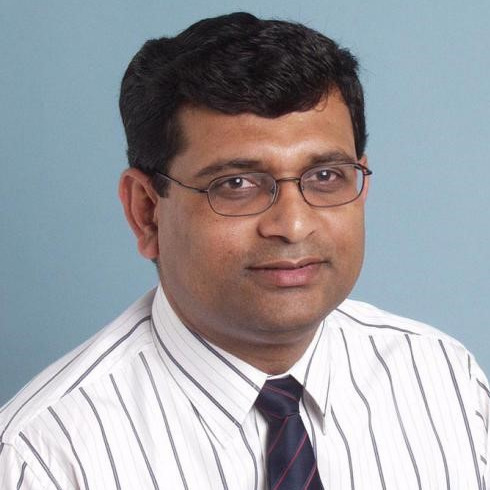
Department of Chemical and Biological Engineering and Department of Mechanical and Aerospace Engineering, Monash University, Australia;Professor Raman Singh’s research interests comprise the nano-/microstructure and environment-assisted degradation, the fracture of metallic and composite materials, and the nanotechnology for advanced mitigation of such degradations. He has also worked extensively on the use of graphene and other advanced materials for corrosion mitigation, on stress corrosion cracking, and on corrosion and corrosion-mitigation of magnesium alloys (including their use in aerospace, defence and bioimplant applications). Prof. Singh is editor of several books, editor-in-chief and member of the Editorial Board of a few journals, leader/chairperson of a few international conferences and has given keynote lectures at several international conferences. He has authored over 220 peer-reviewed international journal publications, 15 book chapters and over 100 reviewed conference publications. Prof. Singh has also obtained several competitive research grants, including 4 Discovery, 7 Linkage, and one ITRH grant from the Australian Research Council. He has supervised 45 PhD students and his vibrant research group at Monash University currently consists of PhD students from different disciplines (Mechanical, Chemical, Materials and Civil Engineering, and Science) and different cultural backgrounds (Australian, Middle-Eastern, Chinese, Malaysian, Indian, African, American and Israeli).
School of Engineering, Faculty of Science, Engineering and Built Environment, Deakin University, Australia;Dr. David M. Bastidas is a Materials & Corrosion Consultant and Research and Innovation Lead in the Integrity Solutions Engineering Department. Dr. Bastidas gained his PhD in Materials Science and Engineering as well as his BSc in Chemical Science at the Univ. of Barcelona (Spain). Distinguished with Top Researchers Worldwide by Stanford Univ-Elsevier Ranking of The World’s Top Contributors to their fields of Science 2024. Dr. David M Bastidas is Associate Editor of Corrosion and Materials Degradation journal (MDPI); Associate Editor of Engineering Failure Analysis journal (Elsevier); and Guest Associate Editor of Corrosion journal (AMPP). Editorial Board member of Corrosion Engineering Science and Technology, and npj-Materials Degradation (Nature-Research Journal). Dr. D.M. Bastidas serves as Chairman of the International Online Conference on Corrosion and Materials Degradation (MDPI). He also serves the Research in Progress Symposium, and Research Committee at the AMPP, and served as Vice-Chairman of Corrosion of Steel in Concrete at the EFC. Dr. D.M. Bastidas is Fellow with AMPP, and the Inaugural winner of the new ECS Corrosion Division Rusty Award for Mid-Career Excellence 2022, as well as the Inaugural recipient of the National Corrosion Award of Excellence in 2020 for his research and teaching achievements. In addition, Dr. D.M. Bastidas has been awarded the Outstanding Campus Advisor Award and Outstanding Faculty Engagement Award in 2022. He has authored more than 150 scientific publications and produced numerous patents and books.
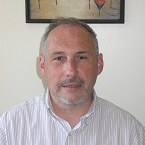
RISE Research Institutes, Sweden;Dr Dominique Thierry is senior researcher at RISE research institutes in Sweden and Associated Professor at the Royal Institute of Technology in Sweden since 1993. He obtained his PhD in corrosion science from Pierre and Marie Curie University in Paris in 1988. He has been chairman of several committees within the European Federation of Corrosion and NACE. He has been awarded the European Federation of Corrosion medal in 2021 and he is a fellow of AMPP. His scientific research focuses on atmospheric corrosion and marine corrosion. He has authored or coauthored more than 250 publications and produced about 10 chapters in books.

Department of Engineering Science and Mechanics, Pennsylvania State University, USA;
Important Dates
31 Mar
2026
19 Apr
2026
9 Jun
2026
23 Jun
2026
23 Jun
2026
Meet Our Speakers

Department of Engineering Science and Mechanics, Pennsylvania State University, USA;Prof. Dr. Mirna Urquidi-Macdonald is Professor Emeritus at The Pennsylvania State University, Department of Engineering Science and Mechanics. Owner of Sabrina Technology, Tom-the-Atom, science books for children and youths, and authored 41 Books. She has written over 300 scholarly papers, published one book and two book chapters, and supervised more than 40 graduate students. Her research interests revolved around designing and creating Mathematical Models based on classical and Data mining tools to solve engineering, medical, and scientific problems.
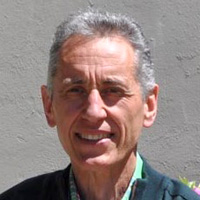
University of Vigo, School of Industrial Engineering, University Campus, Vigo, Spain;Nóvoa, X. Ramón was born in Dozón, Pontevedra, Spain in 1957. He received the Licentiate degree in Chemistry from the University of Santiago de Compostela, Spain, in 1980 and the Ph.D. degree in Chemistry from the same university, in 1984. From 1985 to 1992 he pursued several postdoctoral stages in Manchester (Univ.) and Paris (CNRS). From 1987 to 1997 he was lecturer at the University of Vigo, and since 1997 he has been tenured professor in chemical engineering in this university. He is the author of more than 150 articles in refereed journals. His research interests include corrosion of steel in concrete, electrochemical techniques for corrosion control, applications of the EIS, and Li-ion batteries. He is referee on more than 20 journals, and holds six patents. Prof. Nóvoa was a recipient of the annual award of the Spanish Society of Materials in 2006. He is member of the ISE, NACE and ASTM societies.
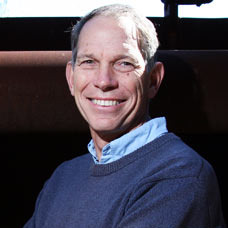
School of Engineering (Civil Engineering), The University of Newcastle, Newcastle, Australia;Professor Robert Melchers is an internationally recognized authority in structural engineering, specializing in structural reliability and the long-term deterioration of critical infrastructure. With a PhD from the University of Cambridge and a career spanning several decades, his pioneering research has redefined global standards for the safety and resilience of offshore and marine engineering. His work focuses on the development of sophisticated probabilistic models for marine corrosion and the deterioration of reinforced concrete. In 2006, the International Ship Structures Committee adopted his corrosion models for the condition assessment of aged ship structures—a testament to the global industrial impact of his research. Professor Melchers has been a leading voice in understanding the influence of bacterial and microbiological activity on seawater corrosion, providing new mathematical interpretations that are essential for the oil, gas, and water industries. A former Australian Professorial Fellow and recipient of the prestigious Australian Research Council ‘DORA’ (Discovery Outstanding Researcher Award), Professor Melchers has published over 400 refereed journal papers and four influential books, including Structural Reliability Analysis and Prediction. Beyond academia, he was a founding Principal of AMOG Consulting and the founding editor of the Australian Journal of Structural Engineering. In recognition of his significant national and international contributions to the profession, he was awarded the Engineers Australia John Connell Medal in 2013. He is a Fellow of the Australian Academy of Technological Sciences and Engineering and continues to serve as a vital consultant on high-level technical committees for infrastructure and maritime safety.

Department of Chemical Engineering and Applied Chemistry, University of Toronto, Toronto, Canada;Roger Newman is Professor Emeritus in the Department of Chemical Engineering and Applied Chemistry, University of Toronto. After receiving his degrees from the University of Cambridge, he spent several years at Brookhaven National Laboratory on Long Island before returning to the UK in 1984. He then spent 20 years, to the day, at the Corrosion and Protection Centre in the former UMIST, now absorbed into the University of Manchester. In 2004 he moved to the University of Toronto (UofT), where he held an Industrial Research Chair in association with the nuclear power industry. He retired from UofT in 2025. Roger's research has focused on passivity, localized corrosion and stress corrosion cracking of metals. He has also worked extensively on metallic nanomaterials synthesized by dealloying. He has close links with partners in the oil-and-gas and pulp-and-paper industries, as well as his long-standing association with the nuclear power industry. He has received many of the international awards and fellowships given for corrosion research. He now lives in the lakeside beach town of Cobourg, Ontario, where he continues to do some research and teaching at UofT, and to advise industry partners.
1. Department of Mechanical and Aerospace Engineering, Monash University Clayton, Clayton, Australia 2. ARC Industrial Transformation Training Centre on Surface Engineering for Advanced Materials, Faculty of Science, Engineering and Technology, Swinburne University of Technology, Hawthorn, Australia;Professor Rhys Jones is a globally recognized expert in structural integrity, fatigue, and the life-extension of aging aircraft and infrastructure. Based at Monash University, he is the founder of the Centre of Expertise in Structural Mechanics, a long-standing collaboration with the Australian Department of Defence. His career is distinguished by his pioneering work in fracture mechanics and aerospace sustainability. Professor Jones has led the development of advanced repair technologies—most notably the use of composite patches to repair cracked metallic structures—which have saved international defense forces and commercial airlines billions of dollars in replacement costs. His research into the additive manufacturing of aerospace-grade metals and the development of "digital twins" for structural health monitoring continues to push the boundaries of modern engineering. In recognition of his immense service to the field, he was appointed an Officer of the Order of Australia (AO). A prolific researcher, Professor Jones has authored hundreds of high-impact publications and several books that serve as definitive guides on structural life assessment. He is a Fellow of the Australian Academy of Technological Sciences and Engineering (ATSE) and remains a vital advisor to global aerospace and defense industries on the safety and longevity of complex structures.
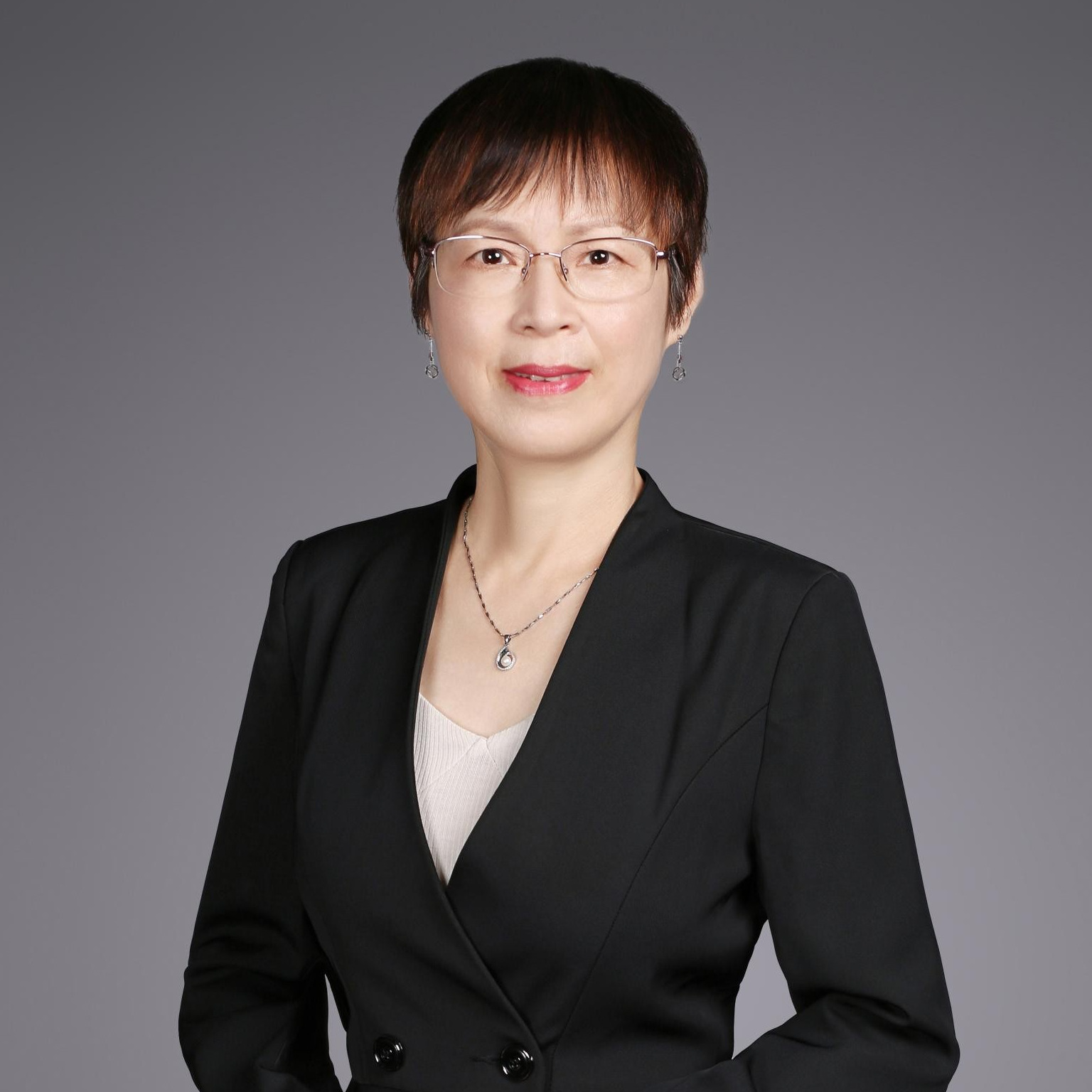
Department of Chemical and Materials Engineering, University of Alberta, Edmonton, Alberta, Canada;Jingli Luo is a professor in the College of Materials Science and Engineering at Shenzhen University and serves as a doctoral supervisor. She is a Fellow of the Canadian Academy of Engineering and an internationally recognized expert in electrochemical energy materials and corrosion protection. Formerly a professor at the University of Alberta and Canada’s Chief Scientist in Alternative Fuel Cells, her research focuses on solid oxide fuel cells, energy conversion catalysts, and corrosion science. She has published over 470 papers in top scientific journals, developed high‑performance energy conversion systems, and was named among the global top 2% of scientists and a highly cited researcher.
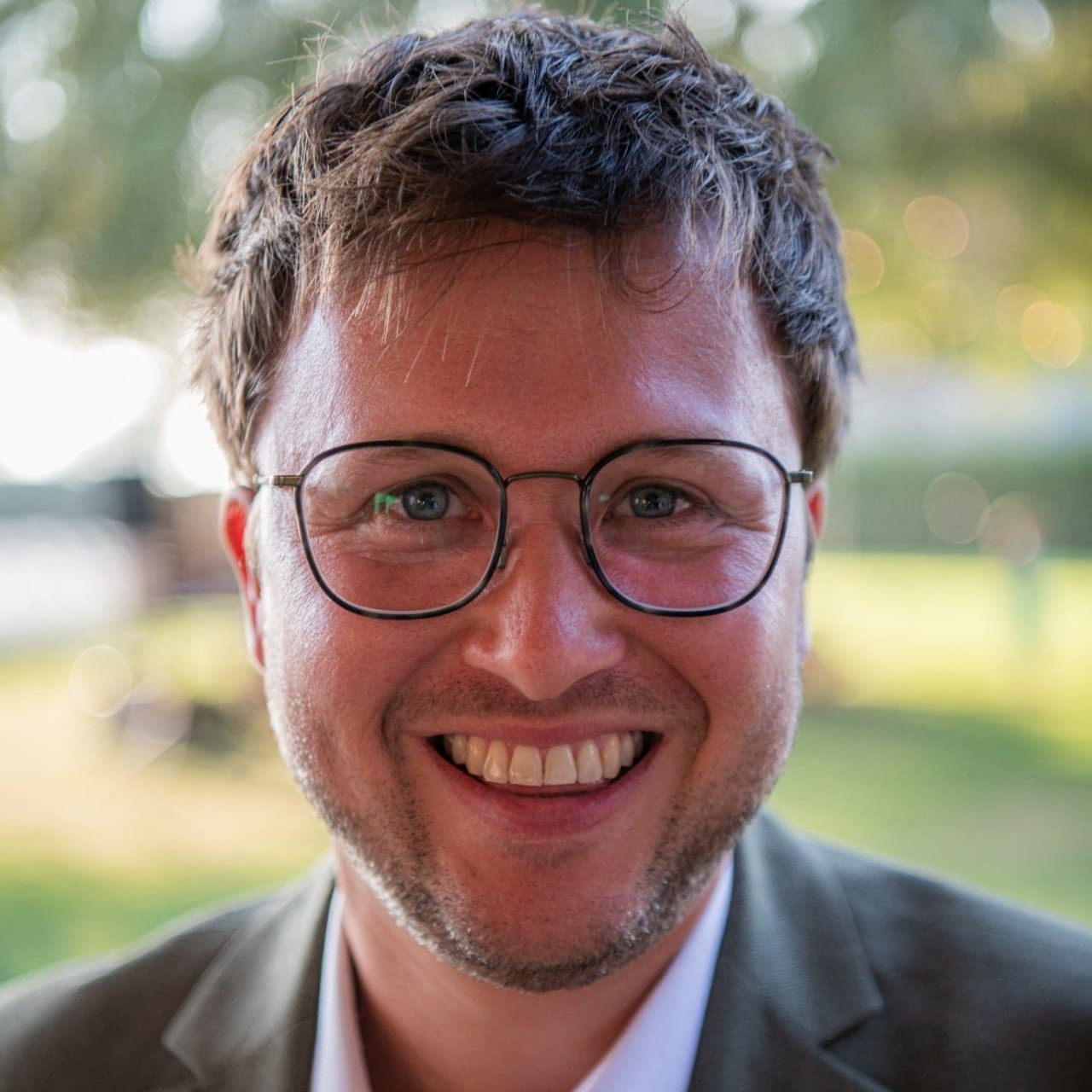
Research Group Sustainable Materials Science (SMS), Ghent University, Ghent, Belgium;Tom Depover is an Associate Professor at Ghent University and serves as an Adjunct Associate Professor at Curtin University, with a focused research career in hydrogen embrittlement and environmentally assisted fracture of materials. His work spans environment‑sensitive fracture, material characterization, mechanical properties and behavior of materials, sustainable materials science, and hydrogen trapping and diffusion. He earned his PhD in Materials Engineering with a specialization in hydrogen embrittlement and has developed deep expertise in microstructure‑property relationships, mechanical testing, advanced microscopy (including SEM analysis), and materials testing methodologies. His research contributes to understanding and mitigating the degradation of structural materials in hydrogen environments, with numerous publications exploring hydrogen interactions, transport, and embrittlement mechanisms in steels and alloys.
Department of Mechanical Engineering, Indian Institute of Technology Bombay, Mumbai, India;Prof. Alankar is a faculty member at the Department of Mechanical Engineering, Indian Institute of Technology Bombay. His research areas are Crystal Plasticity, Multiscale Computational Mechanics, Machine learning for Science and Engineering, Materials Informatics. He graduated with a B.Tech degree at IIT Roorkee, India, MASc degree at The University of British Columbia, Canada and PhD at Washington State University, USA. After doctoral degree, he did postdoctoral research at Max-Planck Institut fur Eisenforshung, Germany and at Los Alamos National Laboratory, USA. Subsequently he joined Modumetal, Inc. at Seattle, USA where he was responsible for design and architecture of nanolaminate alloys for high wear and corrosion resistance. Currently Mr. Alankar is a Professor at IIT Bombay in Mechanical Engineering Department. His area of research consists of materials informatics, crystal plasticity modeling and multiscale mechanics. He has authored and co-authored several research articles. He is a reviewer for several prominent scientific journals in the area of mechanics of materials. Current Activities: Development of open-source codes for multiscale modeling, crystal plasticity, materials informatics, material design.
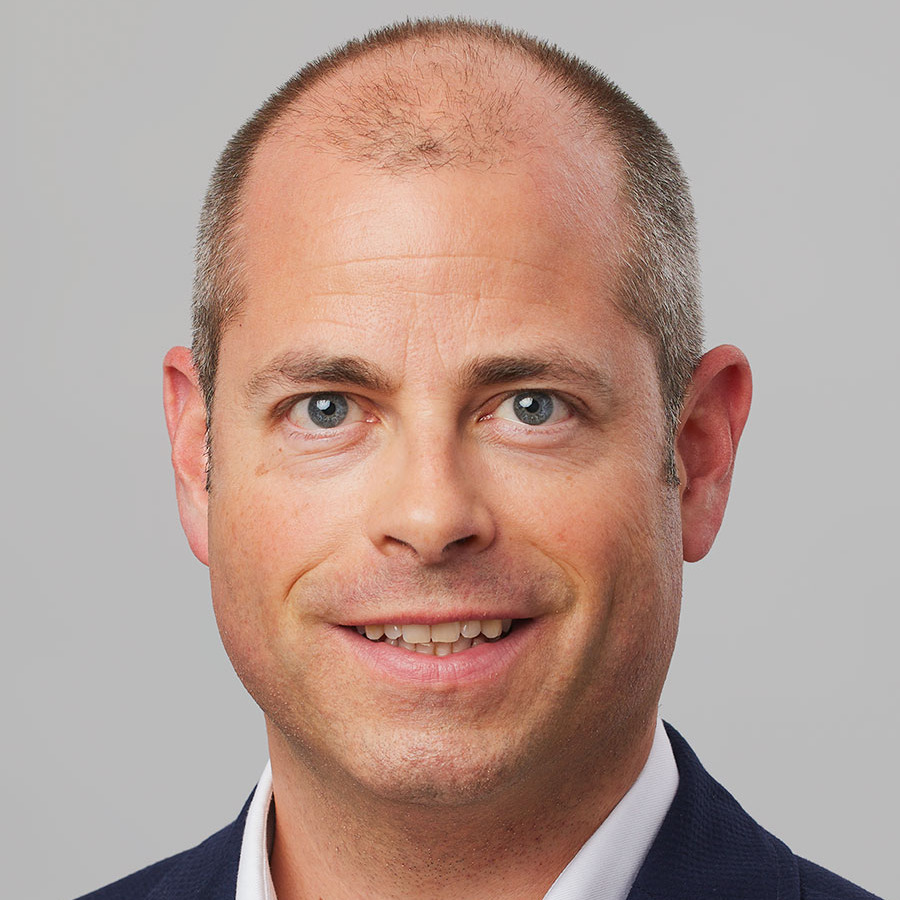
The Durability of Engineering Materials Group, Institute for Building Materials (IfB), ETH Zurich, Zurich, Switzerland;Prof. Dr. Ueli Angst obtained his degrees in civil engineering from ETH Zurich in Switzerland (MSc) and from the Norwegian University of Science and Technology, NTNU, in Trondheim, Norway (PhD, 2011). From 2011 to 2016, he held a part-time position as Postdoc at the Institute for Building Materials at ETH Zurich, and simultaneously I held a part-time position as a corrosion consultant at the Swiss Society for Corrosion Protection, which is the leading agency in the field of corrosion in Switzerland. In 2017, he established my research group at ETH Zurich, thanks to an assistant professorship grant by the Swiss National Science Foundation (2016) as well as an ERC Starting Grant (2019). In June 2024, Prof. Angst was promoted to an associate professor at ETH Zurich.
Sessions
Explore more details





Mrs. Ana-Maria Prodan
Mr. Ionut Spatar
Mr. Russell Wang
Email: cmd2026@mdpi.com
For inquiries regarding submissions and sponsorship opportunities, please feel free to contact us.