
European Burn Journal Webinar | Burn Injuries Associated with Wars and Disasters
the chair
1st European Burn Journal Webinar
Burn Injuries Associated with Wars and Disasters
Over the last century, the advances in burn care owe much to the experience gained during wars and mass-casualty disasters, specifically, how these events sparked collaboration between military and civilian burn communities. Examples abound. Frank P. Underhill developed a theory of burn shock following the Rialto Theater fire of 1921 based on his observations on the pathophysiology of war gases during WWI. The attack on Pearl Harbor in 1941, which caused hundreds of thermal injuries, spurred research and training in burns at Boston hospitals by the time of the Cocoanut Grove Night Club fire of 1942. The threat of nuclear war with the Soviet Union led to the founding of the second burn center in the US in 1949 at Fort Sam Houston, TX, from which stemmed numerous improvements in care for civilian and military patients. This Special Issue of the European Burn Journal covers topics in burn care from a military and disaster perspective, focusing on the potential challenges of large-scale combat operations. It is not clear that the world is safer today than during the above-mentioned events. However, certainly, future conflicts and mass-casualty events will again evoke the best efforts of multidisciplinary burn teams.
Date: 20 February 2024
Time: 4:00 pm CET | 9:00 am CST | 11 pm CST Asia
Webinar ID: 827 2711 8339
Webinar Secretariat: journal.webinar@mdpi.com
Meet Our Chair
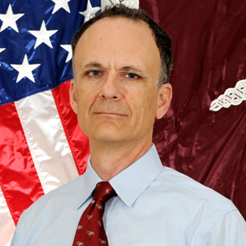
US Army Institute of Surgical Research, Fort Sam Houston, USA;Dr. Lee Cancio is the Director of the U.S. Army Burn Center at the U.S. Army Institute of Surgical Research, Joint Base San Antonio-Fort Sam Houston, Texas. During his active duty career in the U.S. Army, he deployed with the 82d Airborne Division to Operation Just Cause, Panama, 1989-90 and to Operation Desert Storm, 1990-91. Dr. Cancio is a graduate of Amherst College, of the Catholic University of America, and of Georgetown University School of Medicine. He completed a residency in General Surgery at Brooke Army Medical Center and a fellowship in Surgical Critical Care at the San Antonio Uniformed Services Health Education Consortium, San Antonio, Texas. He is board-certified in Surgery and in Surgical Critical Care. Dr. Cancio is a member of 13 academic societies. He is a Clinical Professor of Surgery at the University of Texas Health Science Center at San Antonio and is the author/coauthor of about 200 publications.
Meet Our Speakers
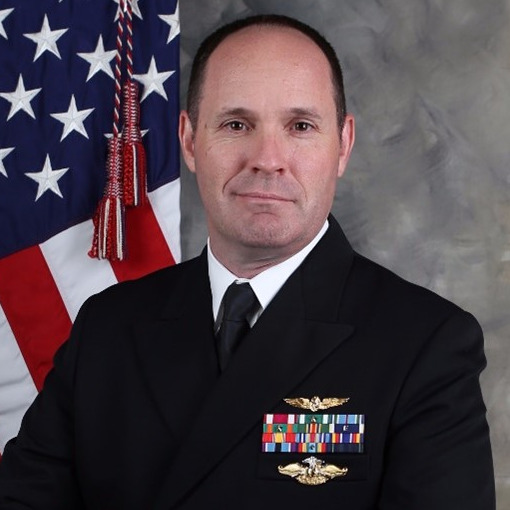
Naval Medical Center San Diego, Department of Surgery, Uniformed Services University, USA;Captain Tadlock is a Trauma/Critical Care Surgeon currently assigned to 1st Medical Battalion-Detachment San Diego, where he is an attending surgeon at Naval Medical Center San Diego. He is an associate professor of surgery through the Uniformed Services University and an associate clinical professor of surgery (volunteer) at UCSD. He has deployment experience providing Health Service Support to USN, USMC, and NATO units in the Indo-Pacific, Central, and Western Asia, on both land and sea and as the Chief of Trauma at the Kandahar NATO Role 3 Multinational Medical Unit. He has also deployed in support of military Humanitarian Assistance and Disaster Relief missions. He currently serves as the Chair of the Joint Trauma System, Committee on Surgical Combat Casualty Care.
Mr. Robert Alan Dent
85th WMD Civil Support Team, Utah Army National Guard, USA;Mr. Robert Alan Dent is a US Army physician assistant and has practiced for 24 years. He specializes in hematology/oncology and also is the commander of the 85th WMD Civil Support Team. Mr. Dent has participated in numerous homeland response missions which involve WMD’s, clandestine drug laboratories and accidental releases of hazardous materials. He deployed in support of Operation Desert Storm in 1990-1991 and Operation Iraqi Freedom in 2005-2006. He graduated from the University of Utah Physician Assistant Program in 1999. He also practices at LDS Hospital in Salt Lake City, Utah, USA.

U.S. Army Burn Center, U.S. Army Institute of Surgical Research, Ft. Sam Houston, USA;Dr. Jill M. Cancio, OTD, OTR/L, CHT is a research occupational therapist at the US Army Institute of Surgical Research Burn Center. She graduated from Creighton University with a Doctor of Occupational Therapy degree in 2004. She has been an occupational therapist for 20 years, during which she has worked in burns, upper extremity orthopedics and amputation, and traumatic brain injury. She is a certified hand therapist and is a member the American Burn Association, American Occupational Therapy Association, American Society of Critical Care Medicine, and American Society of Hand Therapists. Current research interests include management of acute hand burns, critical care burn rehabilitation, and short- and long-term outcomes in burn care.
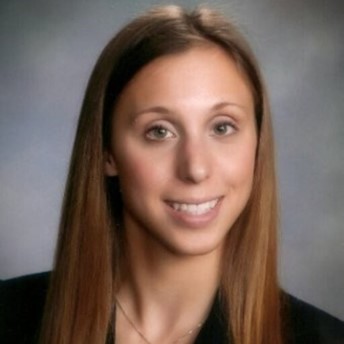
United States Army Institute of Surgical Research, JBSA Fort Sam Houston, USA;F. Edward Hebert School of Medicine, Uniformed Services University of the Health Sciences, USA;Dr. Kaitlin Ann Pruskowski is a Clinical Pharmacist at the U.S. Army Institute of Surgical Research. Kaitlin does research in Burn injury, Pharmacy, Clinical Pharmacology, and Infectious Diseases. She completed her Doctor of Pharmacy and Bachelor of Science at the University of the Sciences in Philadelphia. Her Clinical Interests are Critical Care Medicine, Intensive Care Medicine, Sepsis, Acute Pain, Pain Medicine, Pharmacokinetics, and Pharmacodynamics.
'%3e%3cpath%20d='M12.6647%2010.9104C12.4176%2010.325%2012.0589%209.7933%2011.6088%209.34485C11.16%208.89511%2010.6283%208.53653%2010.0432%208.28891C10.038%208.28629%2010.0327%208.28498%2010.0275%208.28236C10.8437%207.69282%2011.3743%206.73252%2011.3743%205.64907C11.3743%203.85423%209.92005%202.40002%208.12522%202.40002C6.33038%202.40002%204.87618%203.85423%204.87618%205.64907C4.87618%206.73252%205.40677%207.69282%206.22296%208.28367C6.21772%208.28629%206.21248%208.2876%206.20724%208.29022C5.62031%208.53783%205.09365%208.89287%204.64167%209.34616C4.19192%209.79496%203.83334%2010.3266%203.58573%2010.9117C3.34247%2011.4846%203.21128%2012.0987%203.19925%2012.721C3.1989%2012.735%203.20135%2012.7489%203.20646%2012.7619C3.21157%2012.7749%203.21924%2012.7868%203.22901%2012.7968C3.23877%2012.8068%203.25045%2012.8148%203.26334%2012.8202C3.27623%2012.8256%203.29007%2012.8284%203.30406%2012.8284H4.09012C4.14776%2012.8284%204.19362%2012.7825%204.19493%2012.7262C4.22113%2011.7148%204.62726%2010.7676%205.34519%2010.0497C6.08802%209.30686%207.07452%208.89811%208.12522%208.89811C9.17592%208.89811%2010.1624%209.30686%2010.9052%2010.0497C11.6232%2010.7676%2012.0293%2011.7148%2012.0555%2012.7262C12.0568%2012.7839%2012.1027%2012.8284%2012.1603%2012.8284H12.9464C12.9604%2012.8284%2012.9742%2012.8256%2012.9871%2012.8202C13%2012.8148%2013.0117%2012.8068%2013.0214%2012.7968C13.0312%2012.7868%2013.0389%2012.7749%2013.044%2012.7619C13.0491%2012.7489%2013.0515%2012.735%2013.0512%2012.721C13.0381%2012.0947%2012.9084%2011.4856%2012.6647%2010.9104ZM8.12522%207.90243C7.52388%207.90243%206.95792%207.66793%206.53214%207.24215C6.10636%206.81636%205.87185%206.2504%205.87185%205.64907C5.87185%205.04773%206.10636%204.48177%206.53214%204.05599C6.95792%203.63021%207.52388%203.3957%208.12522%203.3957C8.72655%203.3957%209.29252%203.63021%209.7183%204.05599C10.1441%204.48177%2010.3786%205.04773%2010.3786%205.64907C10.3786%206.2504%2010.1441%206.81636%209.7183%207.24215C9.29252%207.66793%208.72655%207.90243%208.12522%207.90243Z'%20fill='%235D1EE1'/%3e%3c/g%3e%3c/svg%3e)
US Army Institute of Surgical Research, JBSA Fort Sam Houston, USA;U.S. Army Lt. Col. Alicia Williams, M.D., is a general and burn surgeon and the U.S. Army Institute for Surgical Research Burn Center chief medical officer. Williams serves as the chief medical officer for the Army Burn Flight Team, which is part of USAISR's Burn Center located at Joint Base San Antonio-Fort Sam Houston, and consists of acutely trained doctors, nurses, and respiratory therapists. The team has conducted nearly 100 overseas missions since 2003 and can deploy globally within 12 hours. They can provide in-flight care for both military and civilian patients.



The webinar was hosted via Zoom and required registration to attend. The full recording can be found below. In order to learn about future webinars, you can sign up to our newsletter by clicking “Subscribe” at the top of the page.
"Burn Injuries Associated with Wars and Disasters"
Edited by Dr. Leopoldo C. Cancio
Deadline for manuscript submissions: 31 March 2024