Sessions & Session Chairs
Sessions
S1. Antibiotic Use in Hospitals and Therapeutic Optimization
S2. One Health and AMR Ecology
S3. Antibiotic Resistance Mechanisms and Epidemiological Characteristics
S4. Conventional Methods and AI-Powered Strategies in Antimicrobial Development
S5. Biofilm Biology and Antimicrobial Tolerance
S6. Global Perspectives on Antimicrobial Stewardship and Infection Control Interventions
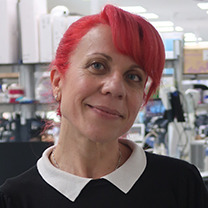
Institute for Global Health (ISGlobal), Hospital Clínic, Universitat de Barcelona, Spain
Currently, Prof. Dr. Sara Soto is the Head of Viral and Bacterial Infections at ISGlobal and Associate Professor at the University of Barcelona. Her research group is focused on the transmission of antimicrobial resistance and related genes in a One-Health vision, the search of new antibiotics and targets, and bacterial virulence and its relationship with antimicrobial resistance. After being awarded an “Extraordinary Doctorate Award” for her PhD degree from the University of Oviedo, Prof. Dr. Soto underwent a Postdoctoral Short-Fellowship in the Federal Institute for Risk Assessment (BfR), Berlin, Germany, followed by a 3-year postdoctoral grant from the Spanish Ministry of Health, at Prof Jordi Vila's laboratory. In 2005, she obtained a prestigious 6-year research contract (Miguel Servet CP05/00140) from the Spanish Ministry of Health that allowed her to establish herself as an independent researcher. She has published more than 82 publications in scientific journals, 86 communications to congresses, 35 research projects (14 as Principal Investigator) and 4 contracts with private companies. She has coordinated the European H2020 project NOMORFILM (Grant. 634588), and ISCIII-national projects directed to find new molecules from natural or synthetic origin with antibacterial and antibiofilm activities (generating three patents).
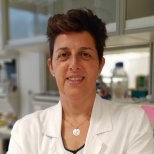
Center for Biomedical Research of La Rioja (CIBIR), Spain
Dr. Yolanda Sáenz is the Principal Investigator in the Molecular Microbiology Area at the Center for Biomedical Research of La Rioja (CIBIR), Spain. Her group characterises mechanisms used by pathogenic bacteria to resist antimicrobial action, increase virulence or protect themselves from environmental pressures. Over the last years, she has achieved a long track record from a One Health approach in antimicrobial resistance, mainly in Pseudomonas spp. and Enterobacteriaceae. Her work also focuses on the finding of new substances, compounds or technologies (such as cold atmospheric plasma) with antimicrobial or antibiofilm activity. Overall, she has participated in 32 national and international research projects, has published more than 150 indexed articles, 11 book chapters, 300 conference communications, and holds one patent. She has acquired a broad and varied research experience from academic stays at prestigious research centres in Spain, Belgium and Peru. She has also supervised numerous students and collaborated in national and international university teaching and scientific activities. She is a member of the Networks RED2022-134545-T and RED2024-153647-T, and was also a member of the Network P220RT0168 CYTED, COST Actions CA19110 and CA18113, and REIPI Spanish Networks. She is a member of various scientific societies (ESCMID, SEM, GEIVEX, BSAC, GEMARA-SEIMC), as well as an editor/reviewer of scientific journals and evaluator of international projects.
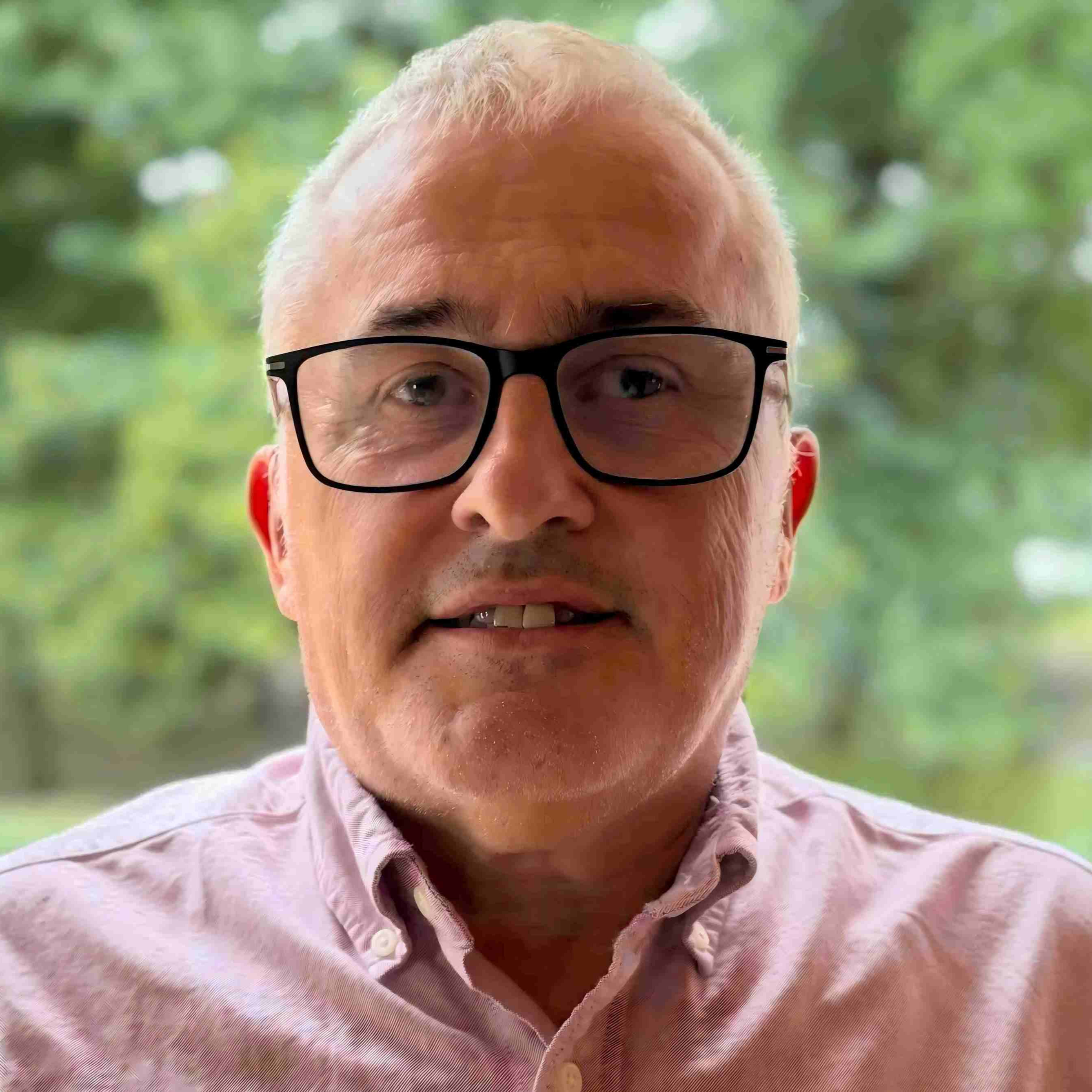
Department of Analytical Chemistry, Nutrition and Bromatology, Faculty of Veterinary Science, University of Santiago de Compostela, Lugo, Spain
Carlos Manuel Franco Abuin graduated from the Faculty of Veterinary Medicine in Lugo. He took his doctorate in 1994 around the area of Nutrition and Bromatology at the University of Santiago de Compostela (USC). He carried out his main post-doctoral stays in the Faculty of Pharmacy of the University of Paris XI and in the Department of Animal Health of the University Complutense of Madrid. He has been Inspector of Slaughterhouses in the Autonomous Community of Galicia. He has been an Associate Professor at the University, LRU Assistant Professor and University Lecturer. Currently Carlos Franco is "Full Professor" (Cathedratic) in the Department of Analytical Chemistry, Nutrition and Bromatology at the University of Santiago de Compostela. Since the begining of his carrier he was interested in the determination of Minimal Inhibitory Concentrations of L. monocytogenes as well as other bacteria from different origin to both antibiotics, as well as to several natural compounds, as apitoxin. He is interested in the use of transcriptomics as a method to determine the influence of various factors associated with biofilm production. Also noteworthy is the development of real-time PCR methods for direct counting of bacteria with specific characteristics, such as enterococci with virulence factors, bacteria with resistance genes such as the Tet gene, or the determination and counting of Bacillus sporothermodurans in UHT milk. Also, the characterization of Salmonella and Streptococcus strains resistance. He is the coauthor of more than 150 international publications in scientific journals indexed by Thomson (Clarivate Analytics). He also has multiple publications in associations journals and general press with more than 40 divulgative works. He is or has been a member of several national and international scientific societies.
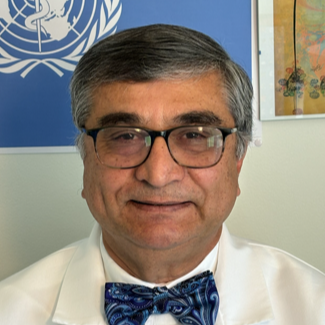
Department of Pharmacology/Toxicology, Michigan State University, East Lansing, USA
Prof. Nassiri is a former Dean of Global Health and former Director of the Institute of International Health at Michigan State University. He is a French trained hematologist with additional training in infectious diseases and completed his graduate fellowship in Clinical Pharmacology at the University of Michigan Medical Center in Ann Arbor. His academic expertise spans Infectious Diseases, Tropical Medicine, Antibiotic Resistance, One Health, and Global Health. He directs several online courses, including Pharmacology of Infectious Diseases, Tropical Medicine, Human Viral Infections, and Perspectives on Global Health. He serves on the editorial boards of multiple journals, including the Journal of Antibiotics. His scholarly contributions extend across clinical investigation, health education, and advancements in academic medicine. Drawing on extensive experience in infectious diseases, including HIV/AIDS and tropical diseases, Prof. Nassiri has developed clinical research programs in Brazil, South Africa, Haiti, the Dominican Republic, and Mexico. He has organized and chaired numerous international conferences and has been invited as a keynote speaker to several global scientific meetings. He is internationally recognized for his work in Antibiotic Resistance, Global Health, One Health, and Infectious Diseases, particularly in building effective international partnerships. He is the founder of the MSUCOM Primary Health Clinic in Mérida, Yucatán, Mexico. During his tenure as Dean of Global Health, he established institutional partnerships in Brazil, Mexico, the Dominican Republic, Egypt, Japan, South Korea, and Turkey. He has directed multiple medical missions throughout the Caribbean, Latin America, and the Brazilian Amazon. Prof. Nassiri also authors monthly viewpoints on topics within his areas of expertise.
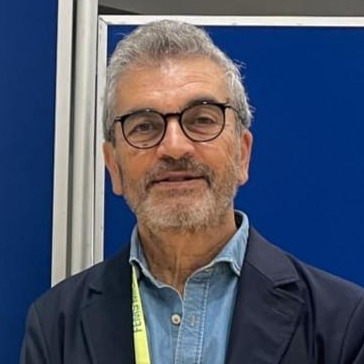
Biological, Chemical and Pharmaceutical Sciences and Technologies, University of Palermo, Italy
Prof. Domenico Schillaci is currently Full Professor of Microbiology at Department of Biological Chemical and Pharmaceutical Science and Technology (STEBICEF) at University of Palermo, Italy. He teaches Microbiology for Pharmacy students and supervises numerous theses in the field of applied microbiology. His research focuses on antibiotic resistance, particularly the mechanisms linked to biofilm-associated pathogens. He has led projects to improve the effectiveness of antibiotics (e.g., amoxicillin, tobramycin, vancomycin, colistin, ciprofloxacin) using nano/micro-delivery systems and functionalized polymers. He has also investigated anti-virulence strategies, targeting enzymes like Sortase A, and explored natural and synthetic anti-biofilm agents. His current scientific interest is on the potential of antimicrobial peptides from natural sources in new drug development. Prof. Schillaci is a regular speaker at international conferences and has authored 117 publications (Scopus AU-ID: 6603674133, h-index: 36, citations: 4,035). In October 2022, October 2023, October 2024, he was named among the World’s Top 2% Scientists by Stanford University. He serves as a peer reviewer for several journals and has been on the editorial board of Antibiotics (MDPI) since April 2021.
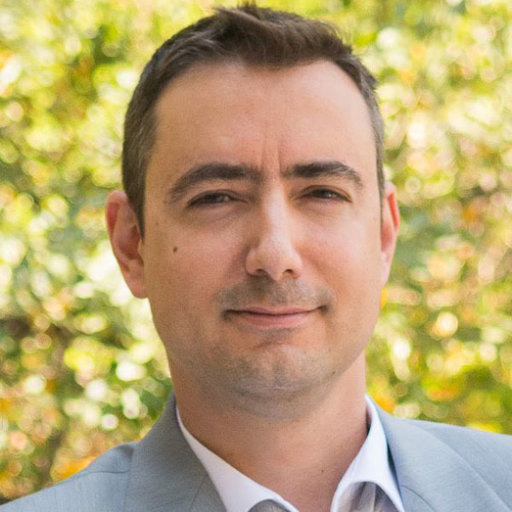
University of the Aegean, Lemnos, Greece
Prof. Dr. Efstathios (Stathis) Giaouris is a professor of food microbiology in the Department of Food Science and Nutrition at the University of the Aegean. He holds an MSc in Food Science and Technology (2003) and a PhD in Food Microbiology (2008) from the Agricultural University of Athens. A significant portion of his doctoral research was conducted at INRA–AgroParisTech in Paris, supported by a highly competitive European Union Marie Curie Fellowship. He has participated in numerous funded projects in food microbiology, hygiene, and safety, collaborating with academic partners and the food industry. His research output includes more than 70 peer-reviewed articles (with more than 3,300 citations; Scopus h-index 28), 10 book chapters, and more than 120 conference and workshop presentations (including 32 oral presentations at international events, several of which he was invited to deliver). He is among the top 2% of scientists worldwide, based on the impact of their work (citations) in the subfields of food science/microbiology for 2024 and 2025, according to the lists published annually by Stanford University and Elsevier. Prof. Giaouris serves on the editorial boards of multiple international scientific journals, including Food Microbiology, Journal of Food Protection, Foods, Antibiotics, and Heliyon, and has reviewed more than 450 manuscripts and research proposals for national and international bodies. He is also a member of several scientific societies and is registered as a trainer in food hygiene and safety with the Hellenic Food Authority (EFET). His primary research focuses on bacterial biofilms and their implications for food safety and quality, exploring sustainable control methods, including phytochemicals, quorum-quenching, and nanotechnology approaches.
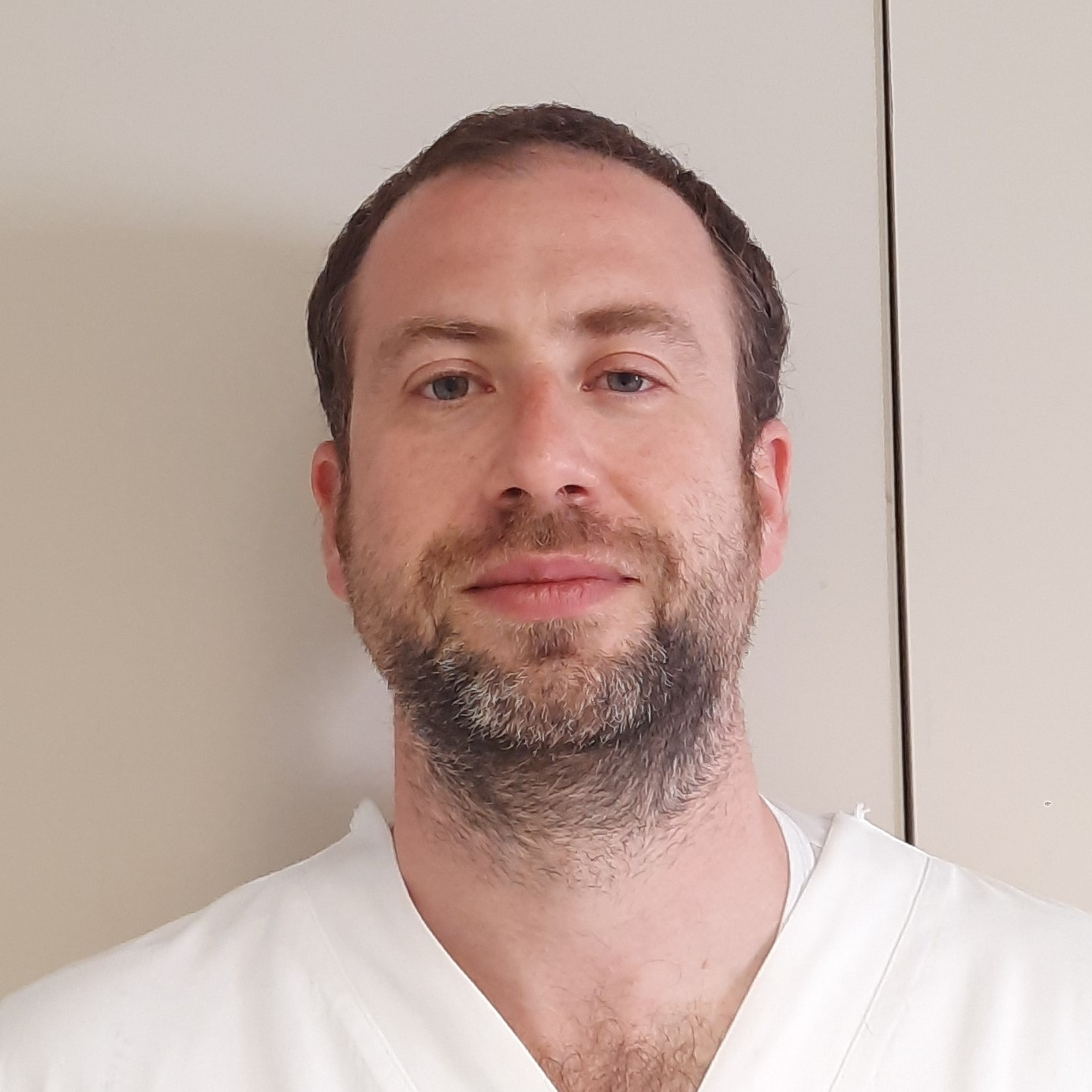
Clinical Department of Medical, Surgical and Health Sciences, Trieste University, Trieste, Italy
Professor Stefano Di Bella is an Associate Professor at the University of Trieste and Director of the School of Specialization in Infectious Diseases. Since 2024, he has served as the Head of the Infectious Diseases Unit at ASUGI (Azienda Sanitaria Universitaria Giuliano Isontina) in Trieste. Born in 1984, Professor Di Bella has developed extensive expertise that combines clinical practice, medical education, and research, with a strong commitment to evidence-based medicine. The Infectious Diseases Unit in Trieste, led by Professor Stefano Di Bella, is a referral center for the management of both acute and chronic infectious diseases. The unit provides inpatient care, day hospital services, outpatient clinics, and infectious disease consultation services across the hospital. Its patient-centered approach places particular emphasis on the care of vulnerable and high-risk patients. The unit specializes in the diagnosis and treatment of multidrug-resistant bacterial infections, HIV/AIDS, tuberculosis, viral hepatitis, invasive fungal infections, and infections affecting oncology patients and other immunocompromised individuals. It also promotes the responsible use of antibiotics through antimicrobial stewardship programs and actively participates in national and international clinical research studies. The School of Specialization in Infectious Diseases trains physicians in the diagnosis and management of bacterial, viral, fungal, and parasitic infections, with a particular focus on complex patients and advanced therapeutic approaches. Residents are actively involved in journal clubs, research projects, international training opportunities, and clinical trials. Overall, Professor Stefano Di Bella and his team provide a dynamic academic and clinical environment where patient care, education, and research are closely integrated to train the next generation of infectious disease specialists.
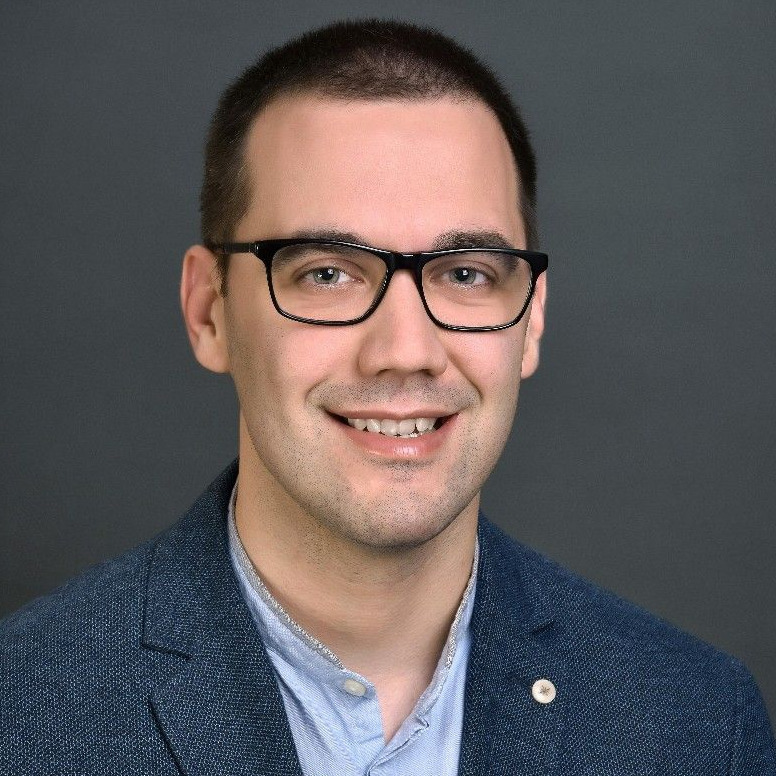
Department of Public Health, Albert Szent-Györgyi Faculty of Medicine, University of Szeged, Hungary
Dr. Márió Gajdács is currently a Senior Lecturer in the Department of Public Health, Albert Szent-Györgyi Faculty of Medicine at the University of Szeged. He received his pharmacy degree, Ph.D. (medical microbiology), board certification in “Pharmacology”, and “Non-clinical and clinical research” from the University of Szeged, and holds a Master in Public Health (MPH; specialization: epidemiology) and a Master of Healthcare Management from the University of Pécs. His research interests comprise the investigation of the influencing factors and facilitators of antimicrobial resistance (AMR) using epidemiological and social science methods; he is also interested in digital epidemiological/infodemiological studies, and other topics of public health importance. He published >180 publications in peer-reviewed journals.