





 |
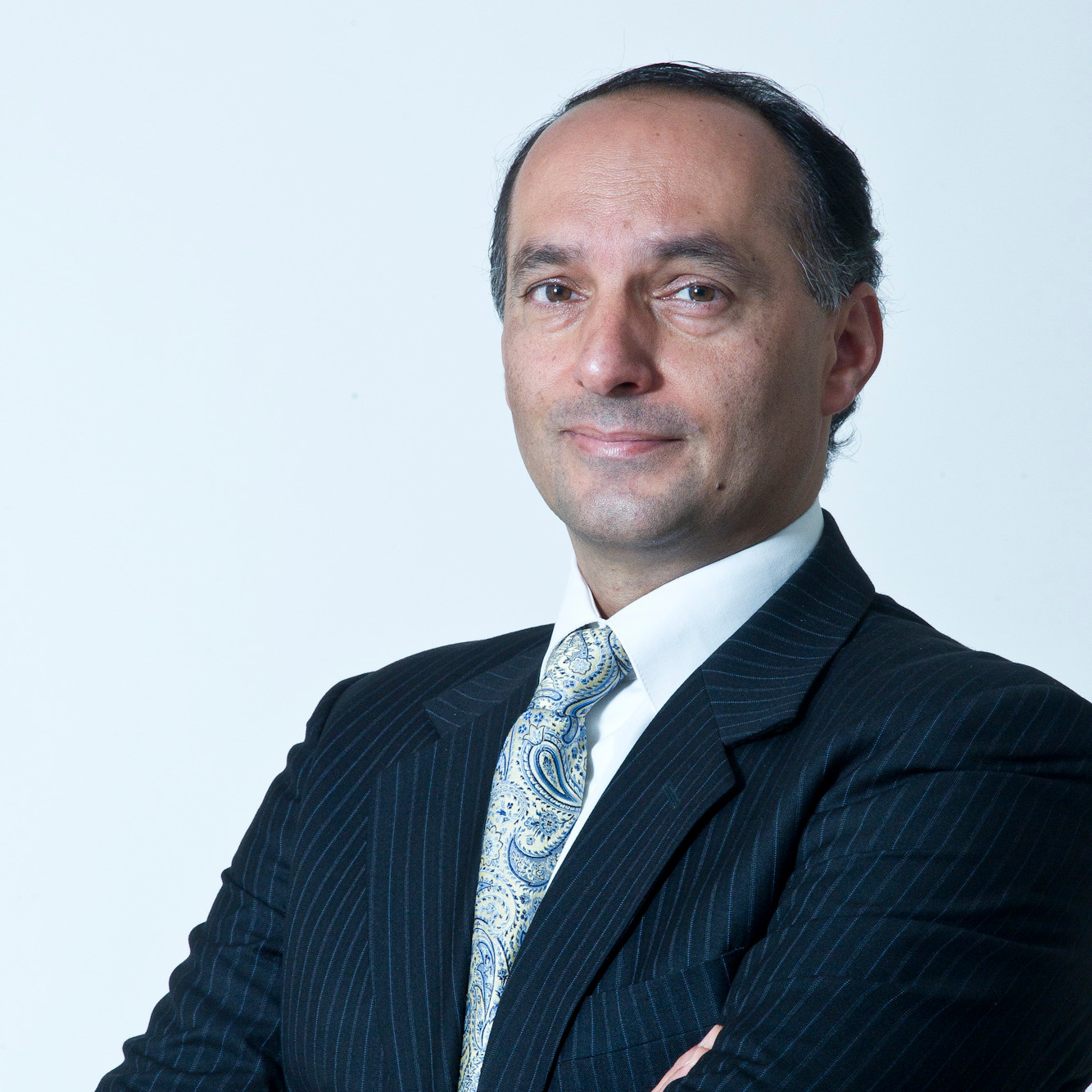
Annalaura Carducci, Ph.D. Research Interest: |
Short Bio
Prof. Carducci graduated in Biological Sciences, specialized in Hygiene and Public Health, and is now Full Professor of General and Applied Hygiene at the Department of Biology, University of Pisa, where she is responsible for the Hygiene and Environmental Virology Laboratory and the Health Communication Observatory in addition to serving as Director of the Master in Industrial Hygiene, Prevention, and Safety. Since 2017, she has coordinated the working group of “Environment and Health” of the National Italian Society of Public Health and she is a member of a similar working group of the World Federation of Public Health Associations. Her main research topics concern the epidemiology and prevention of infectious diseases with particular focus on biological risk analysis of foods, water, air and life, and working settings. She is also interested in health and risk communication. She is the author of more than 250 extended publications in indexed and high-impact journals, book chapters, and conference proceedings.
Title: Health and Environment: A Changing Paradigm in the COVID-19 Era
Abstract
The COVID-19 pandemic has deeply impacted our relationship with the environment and the achievement of sustainable development goals, sometimes in opposite ways. The emergence of SARS-CoV-2 has demonstrated the urgent need to adopt the “one health” approach in every future action involving health and the environment, and its spread has highlighted the importance of research about the environmental determinants of its transmission. Increasing knowledge about the virus’ presence in different environmental matrices and conditions is revealing the significant diffusion of its RNA, although its actual viability in these circumstances remains to be demonstrated. Moreover, some epidemiological findings suggest that environmental conditions may be associated with the spread and related mortality of the virus. COVID-19 prevention still relies on measures linked to the environment: the use of masks, social distancing, hygiene and disinfection. On the other hand, some of these measures can exacerbate environmental pollution, such as increased waste (gloves and masks) and generalized use of disinfectants: this can produce an apparent conflict of interest between the infective and chemical risks. Therefore, the COVID-19 pandemic should change our approach to environmental risk assessment, focusing not only on chemicals but also on biological agents, with the analysis and comparison of these substances through quantitative methods. Efforts made toward recovering from the socio-economic impact of the pandemic should also be focused on environmental preservation and protection. In conclusion, the pandemic provides us with the opportunity to rethink the coupling of health and the environment from a wider and more comprehensive perspective.
Keywords: health and environment; COVID-19; one health approach; environmental transmission; chemical and biological risk assessment.
 |
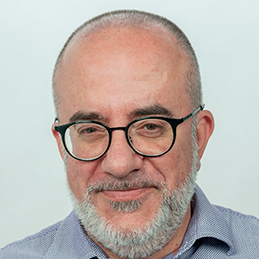
Jimmy Efird, Ph.D. Research Interest: |
Short Bio
Prof. Dr. Jimmy T. Efird completed his Doctorate in Epidemiology (Biostatistics Concentration) at Stanford University School of Medicine. He has over 30 years of experience in the field of cancer research, biostatistics, and informatics, having worked at Massachusetts General Hospital (Harvard Medical School), UCSF School of Medicine, Stanford University School of Medicine and, most recently, the University of Newcastle, Australia. Currently, he heads the Computational Sciences Team at the Cooperative Studies Program Epidemiology Center and also serves on the GWAS and PhenWAS working groups. His area of interest is epidemiological risk assessment and statistical modeling. He has over 250 publications in scientific journals which have been cited over 10,000 times (i10-index = 135, h-index = 51).
Title: The Prophylaxis Potential of Carnosine in the Management of COVID-19
Abstract
After Severe Acute Respiratory Syndrome Coronavirus (SARS-CoV) and Middle East Respiratory Syndrome Coronavirus (MERS-CoV), Severe Acute Respiratory Syndrome Coronavirus-2 (SARS-CoV-2)—the causative agent of the disease known as COVID-19—is the third coronavirus to pose serious threats to human society in this century. With 67,367,046 confirmed cases and 1,545,331 deaths worldwide as of 10 December 2020, this disease has become a global emergency. Mortality rates are higher among the elderly population and those with comorbidities such as cancer, diabetes, cardiovascular problems, and hypertension obesity. Increased oxidative stress/cytokine storm is also one of the main causes of COVID-19-associated complications. Carnosine is a well-established anti-inflammatory, anti-aging, antihypertensive, antineoplastic, antichelating, and neuroprotective agent that is helpful in maintaining the body’s pH balance. It is a naturally occurring dipeptide and is present in human skeletal muscles, cardiac muscles, and brain. The compound reduces the concentration of oxygen free radicals; chelates heavy metals such as iron, zinc, and copper; and inhibits protein glycation and the generation of protein carbonyls. The carnosine/non-hydrolyzed isopeptide of carnosine/N-acetylcarnosine, which is available without prescription, merits further consideration as a low-cost prophylactic approach to COVID-19 and the associated complications of this disease. This is especially relevant to low-resource regions of the world, which may be the last to achieve population-based herd immunity through vaccination.
Keywords: carnosine; COVID-19; anti-inflammatory; anti-aging; antihypertensive; antineoplastic; antichelating; neuroprotective
 |
Guglielmo Campus, Ph.D. Research Interest: |
Short Bio
Guglielmo Campus was nominated Extraordinariat Professor fur Präventivzahnmedizin und Orale Epidemiologie starting from February the 1st, 2019. He began his training at the Dental school, University of Sassari where he received his degree. He is Associate Professor Community Dentistry, Cariology and Paeditric Dentistry, University of Sassari since 2014. He is also Coordinator of the Italian WHO Collaborating Center (WHO CC) for Epidemiology and Community Dentistry. Research interests are largely direct towards Oral Epidemiology, Community Dentistry, Preventive Dentistry, Cariology and Paediatric Dentistry. During the years research interests span from Public Health Dentistry, Community Dentistry, Paediatric Dentistry, Restorative materials and Preventive programs. He is Member of the Research Board within The Italian Minister of Health for the realization of the Italian National Guidelines for Caries prevention and of the Clinical recommendations in Paediatric Dentistry. Dr. Campus is authors of more than 180 scientific papers. His work inside the WHO CC is to plan, to coordinate the assessing of oral health conditions of populations, policies development and implementation in Italy and other countries like Burkina Faso, Mexico etc; to support the early implementation of the phase down use of dental amalgam in the context of the Minamata Convention and Universal Health coverage (UHC) in Italy; to support measure that encourage life-course approach and population-based strategies related to reducing sugar consumption, tobacco control and affordability of fluoride-containing toothpaste and others vehicles of fluoride.
Title: COVID-19 Outbreak: International Collaborative Survey on Burden of Disease among Dentists, 2020.
Abstract
Dentists have a long tradition of control of infection. The global COVID-19 outbreak has had severe repercussions on interactions between individuals, on their behavior and on society as a whole. Work activities with a high potential of COVID-19 infection include healthcare workers performing aerosol-generating procedures or collecting/handling specimens from patients or bodies known to have or suspected of having COVID-19. The risk of cross-infection in dentistry is considerably increased by splatters and aerosols produced during routine dental treatments. The authors searched PubMed and its specific hub, Embase and Scopus servers, up to May 18, 2020, for epidemiological studies using the terms “Dentists” or “Dental personnel” and “SARS-CoV-2”, without date or language restrictions. Few or small studies that focused on specific population subgroups were found. Large population-based studies are needed to estimate the infectivity rate among dentists, to collect symptoms/signs presumably related to COVID-19 and to investigate the adopted preventive measures and personal protective equipment (PPE). To evaluate the impact of the COVID-19 outbreak among dentists in several countries, a multicenter cross-sectional survey was designed with the aim to estimate the symptoms/signs reported by dentists that are presumably related to COVID-19, to explore work attitudes and behaviors and to investigate the level of preparedness regarding the protective measures and PPE used to reduce the risk of viral infection and transmission. An ad hoc questionnaire was developed and pretested in April 2020; 36 collaborating research groups around the world participated in the survey. The protocol of the study was previously described and registered in the World Pandemic Research Network (WPRN), WPRN-486352. The questionnaire had three domains: (1) personal data; (2) symptoms/signs presumably related to COVID-19; and (3) working conditions and PPE adopted after the outbreak of the infection. In the participating countries, dentists working in national health systems or in private or public settings were invited to respond to the questionnaire. Countries’ data were grouped by the case positivity rate of COVID-19 according to the survey period and grouped by gross national income per capita in 2019, Atlas method and PPP (international dollar). This is the first global population-based study that describes the effect of COVID-19 on the dental profession, reports symptoms/signs suffered by dentists and presumably related to COVID-19, explores work attitudes and behavior, and investigates the level of preparedness regarding the protective measures and PPE used to reduce the risk of viral infection and transmission. The survey data include more than 50,000 participants spread over 36 countries. The findings show that living in countries with high COVID-19 positivity rates increases the probability that dentists become infected. In terms of protective measures, the use of N95/FFP2 masks is associated with significantly reduced chances that dentists present symptoms/signs related to the disease, while other types of PPE seem to be less relevant in SARS-CoV-2 protection. Overall, the probability of dentists becoming infected is associated with the gross national income (GNI) of the countries where they work. The findings confirm the recommendation of enhancing the use of high-standard masks. This study offers global evidence regarding the dental profession and COVID-19, providing a measurement framework and methods for countries and global stakeholders to better plan health service provision. Although our data do not support all recommended enhanced protective measures, except for the use of high-standard masks, the results must be carefully interpreted.
Keywords: COVID-19; SARS-CoV-2; dentistry; global health; public health dentistry