.jpg)
The 10th International Electronic Conference on Water Sciences
Innovations in Water Sciences for Managing Water-Related Risks and Vulnerable Water Systems
Abstract Submission Dealine is Closed!
Thank you for submitting your abstract to the ECWS-10.
Due to the large number of submissions received, the review process is still ongoing. We sincerely appreciate your patience and understanding. Authors will be notified of the review results as soon as the review process is completed. Please stay tuned for further updates.
Early Bird Registration remains open until 30 October 2026, Secure your spot and join us for a stimulating conference. Register Here.
For any inquiries, please contact ecws@mdpi.com.
the chairs
We are delighted to welcome you to the 10th International Electronic Conference on Water Sciences (ECWS-10), which will be held online and promoted by the open access MDPI journal, Water (ISSN 2073-4441; IF 3.5).
In recent years, a series of nine (9) International Electronic Conferences on Water Sciences (ECWS-1, ECWS-2, ECWS-3, ECWS-4, ECWS-5, ECWS-6, ECWS-7, ECWS-8, and ECWS-9) have delved into a wide array of crucial water-related matters. The ninth conference zeroed in on the latest advancements in water sciences within a variable and evolving environment. Now, ECWS-10 aims to continue fostering scientific exchange and interdisciplinary dialogue on the most pressing challenges and emerging solutions in water sciences.
ECWS-10 cordially invites researchers, resource managers, and policy makers from academic institutions, as well as water and industry practitioners, to share their information in research, management, and policy making in water resources, original research findings, novel ideas, scientific concepts, and new technologies and experiences. This virtual conference focuses on contributions that should be relevant to the following topics, including, but not limited to:
S1. Hydrological/Hydraulic Processes and Modelling;
S2. Urban Water Modelling and Management;
S3. Rivers and Lakes—Water Quality, Nutrient Enrichment, and Pollutant Transport;
S4. Water Resources Management, Policy, and Governance;
S5. Extreme Hydrometeorological Events: Sources, Mitigation, and Adaptation;
S6. Ecohydrological Approaches and Ecosystems Conservancy—Water–Food–Energy Ecosystem Nexus;
S7. Remote Sensing, Artificial Intelligence, and New Technologies in Water Sciences;
S8. Wastewater Treatment and Reuse;
S9. Agricultural Water Systems;
S10. Groundwater Systems Modelling, Analysis, and Vulnerability—Quantity and Quality Issues.
This conference will be conducted entirely online to eliminate concerns about travel and associated costs for participants from across the globe. Attendance via remote means is available for people who are unable to travel due to financial constraints, childcare, or other scheduled obligations. An online format provides a platform that enables rapid and direct effective exchange of the latest research achievements and innovative concepts.
We deeply appreciate the continued support and enthusiasm of the global water scientific community. Your active participation is essential to the success of ECWS-10—and will also help lay a strong foundation for future editions to come.
We look forward to your contributions and to welcoming you to ECWS-10!
Kind regards,
Prof. Dr. Athanasios Loukas
Aristotle University of Thessaloniki, Greece
Prof. Dr. YiJun Xu
Louisiana State University, USA
Chairs of the 10th International Electronic Conference on Water Sciences
More News about MDPI Conferences


Meet Our Chairs
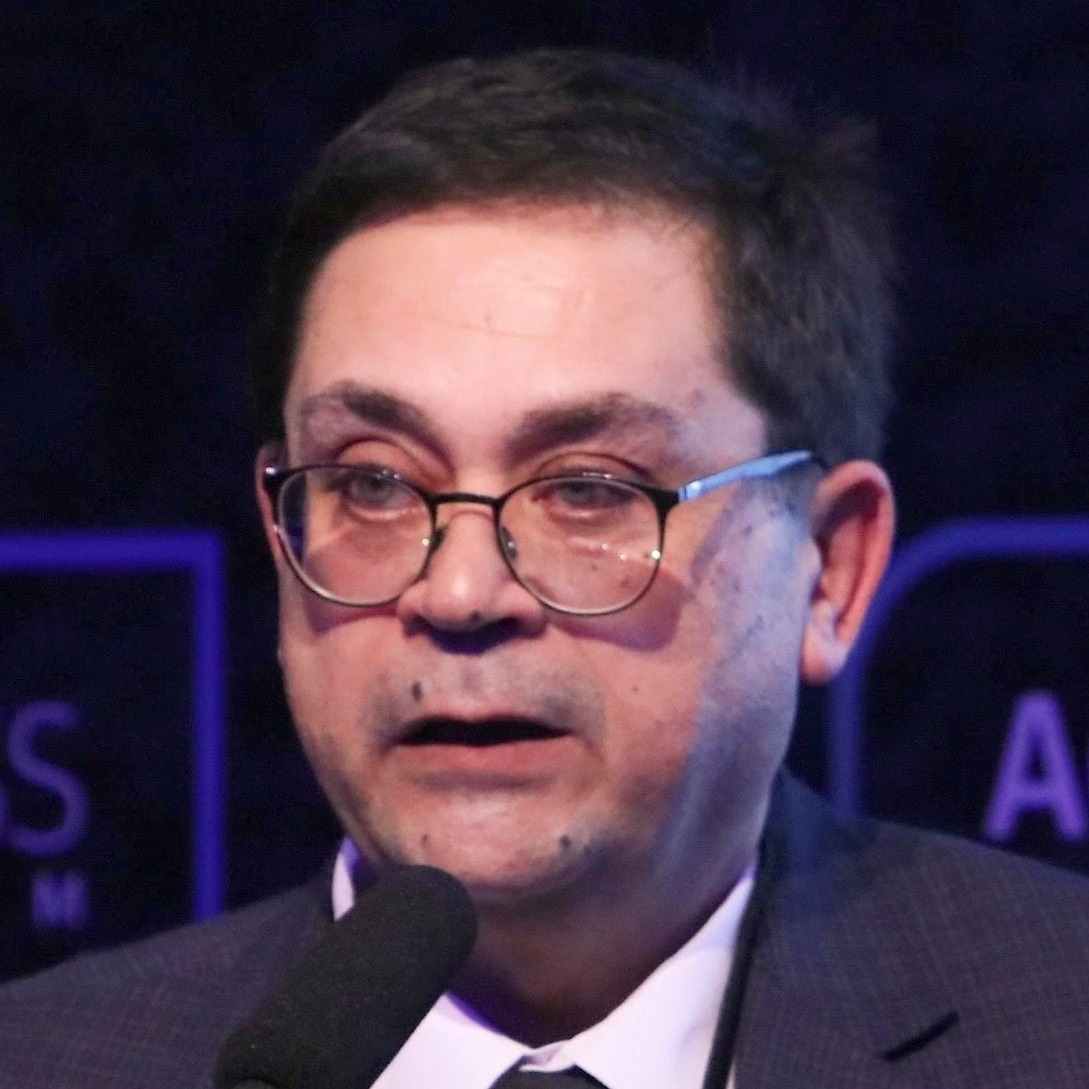
Department of Rural and Surveying Engineering, Aristotle University of Thessaloniki, Greece;Athanasios Loukas is a Professor of Engineering Hydrology-Management and Development of Water Resources, Head of the Transportation and Hydraulic Engineering Department, Director of the “Hydraulic Works and Environmental Management” Lab, and Director of the Master’s Program “Water Resources” at the School of Rural and Surveying Engineering, Aristotle University of Thessaloniki (2018–today). Previously, he was affiliated with the University of Thessaly, where he served as a Professor, Head of the Department of Civil Engineering (2008-2012), Dean of the Faculty of Engineering (2015-2018), Laboratory Director, and Director of an international Master’s Program (2010-2018). He is a visiting professor in the U.S.A. and at European universities. Loukas is Section Editor-in-Chief of “Water Resources Management, Policy and Governance” within Water, Editor-in-Chief of European Water, and an Editorial Board Member of Water Resources Management and Scientific Review Engineering and Environmental Sciences. He has been an active reviewer for many international journals in the fields of hydrology, water resources management, GIS and remote sensing applications, environmental modeling and management, and others. He is a regular reviewer of national and European research proposals as well as an evaluator, and he is responsible for research project certification. He is affiliated with national and international scientific organizations such as EWRA and EGU. His research activity focuses on hydrology, hydrological hazards, and risks (droughts and floods); climate change impacts; and water resources management. He coordinated and participated in numerous national and international research programs. In addition to his research activity, he participates in consistent outreach, and acts as a mentor of a high number of post-graduate and Ph.D. students.
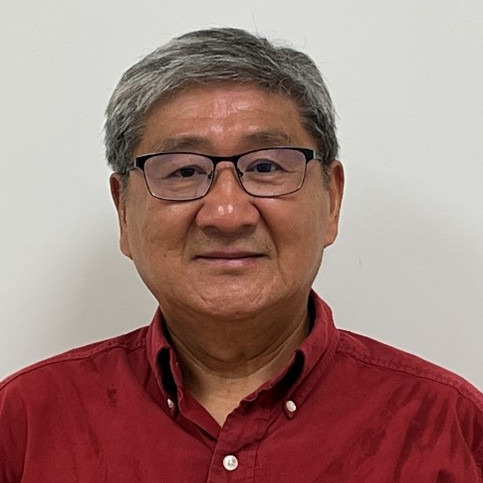
School of Renewable Natural Resources, Louisiana State University, LA, USA;YiJun Xu is a Professor of Hydrology and Water Resources in the School of Renewable Natural Resources at Louisiana State University. Over the past 30 years, Dr. Xu has participated in more than 70 research projects conducted across North America, Western Europe, and Southeast Asia. These studies span a wide range of climatic zones, from tropical to tundra environments, and encompass diverse geomorphological settings, including rugged terrains, fluvial floodplains, backwater swamps, and coastal estuaries. Dr. Xu’s research has addressed a broad spectrum of topics, including freshwater resources; the impacts of management practices on the physical, chemical, and biological conditions of water; riverine transport of nutrients and sediment; the application of spatial techniques in water resources and water quality; and the effects of atmospheric pollution and global climate change on water resources, biogeochemical cycles, and fluvial geomorphology. Dr. Xu has published one book, edited three volumes, and authored or co-authored more than 20 book chapters and over 300 peer-reviewed articles. He has taught both undergraduate and graduate courses in watershed hydrology, potamology, limnology, floodplain analysis and modeling, watershed biogeochemistry, and water quality and management. In addition, he has chaired/co-chaired 42 graduate committees. Dr. Xu has been recognized as a ScholarGPS Highly Ranked Scholar and is currently ranked #26 among the top 0.05% of global scholars based on his contributions over the past five years to the study of rivers (https://scholargps.com/scholars/93493111678399/y-jun-xu).
Important Dates
11 Sep
2026
2 Oct
2026
30 Oct
2026
30 Oct
2026
18 Nov
2026
18 Nov
2026
Meet Our Speakers
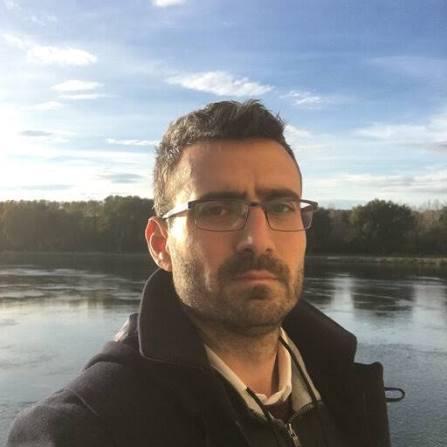
Department of Geology, Aristotle University of Thessaloniki, Thessaloniki, Greece;Dr. Nerantzis Kazakis is an Assistant Professor of Hydrogeology and Water Resources Management at the Department of Geology, Aristotle University of Thessaloniki, Greece. He teaches undergraduate and graduate courses on hydrogeology, applied and environmental hydrogeology, groundwater modeling, and water resources management. His research addresses groundwater vulnerability and pollution, seawater intrusion, and sustainable water management. He has authored more than 160 scientific publications (h-index: 37, Scopus; over 5,300 citations), and is currently listed among Stanford University's World's Top 2% Scientists in Environmental Sciences.
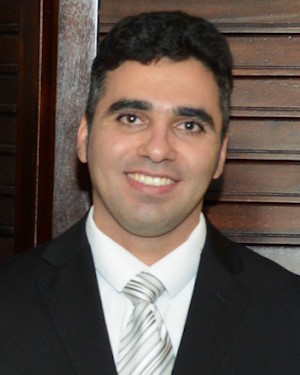
Department of Earth Sciences & CERI Research Centre, Sapienza University of Rome, Rome, Italy;Dr. Ebrahim Ghaderpour is an Assistant Professor of Remote Sensing for Engineering Geology at Sapienza University of Rome and Founder & CEO of Earth & Space Inc., Canada. His research integrates artificial intelligence (AI), remote sensing, geodesy, GNSS, time series analysis, and geospatial big data to address challenges in climate science, hydrology, environmental monitoring, and natural hazards. His work focuses on advanced Earth observation analytics, land deformation, hydrological processes, environmental change, and geospatial risk assessment. He is the author of more than 100 SCIE-indexed papers and serves as a reviewer and editor for numerous international scientific journals.
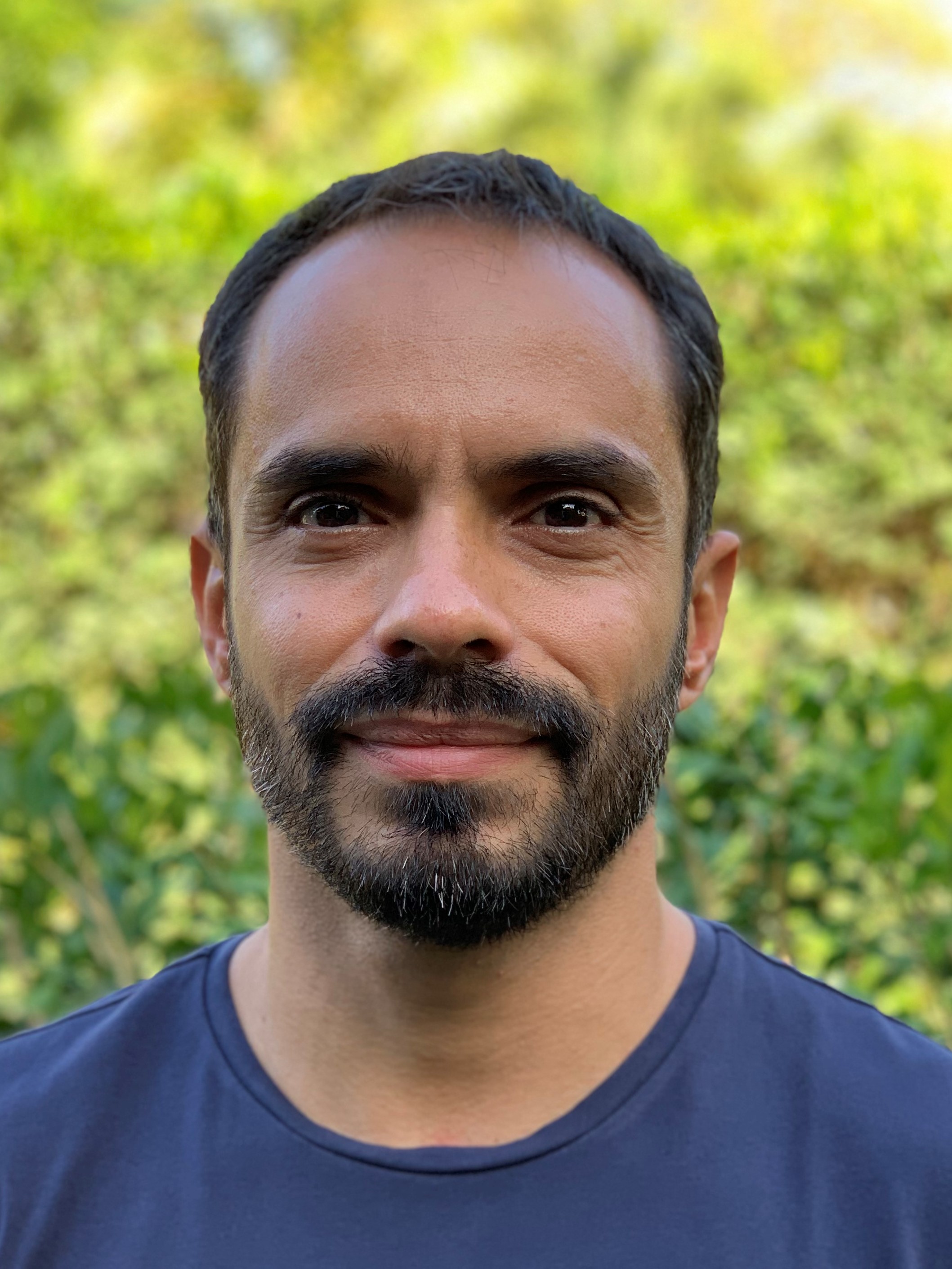
Prof. Dr. Pedro Medeiros
Federal Institute of Education, Science and Technology of Ceará, Ceara, Brazil;Pedro Medeiros is a Full Professor of Hydrology and Water Resources at the Federal Institute of Education, Science and Technology of Ceará – IFCE, Brazil. He is dedicated to monitoring and physical-mathematical modeling of water and sediment fluxes, with applications on soil and water management in semiarid environments. His research aims at achieving water security in water scarce environments with dense reservoir networks, addressing the interactions between humans and the hydrological system. He is a permanent professor in the graduate programs in Agricultural Engineering (Federal University of Ceará) and Environmental Technology and Management (Federal Institute of Ceará) and is author of over 50 SCIE-indexed papers.
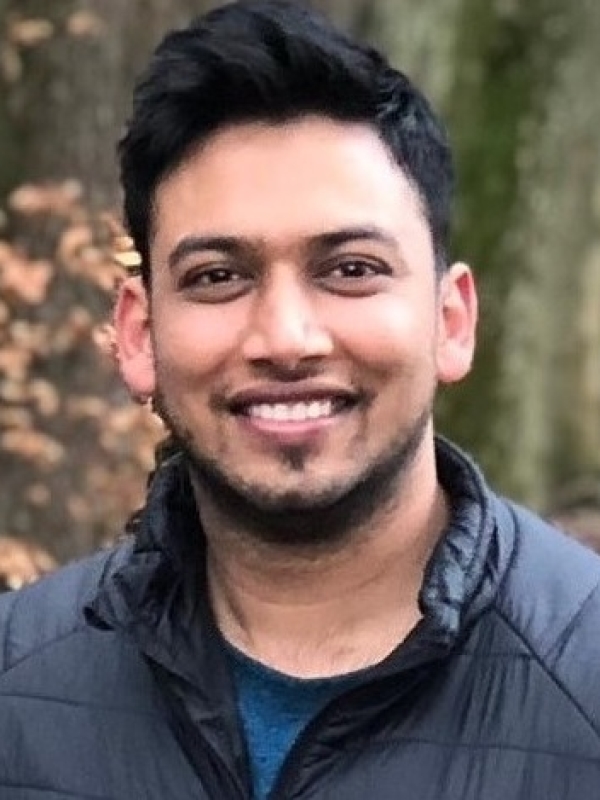
Department of Environmental Sciences, University of Basel, Basel, Switzerland;Dr Surya Gupta is a postdoctoral researcher at the University of Basel, Switzerland. His research focuses on soil hydrology, soil hydraulic properties, soil erosion, digital soil mapping, and land–water interactions. His work combines spatial data, remote sensing, and modelling to understand soil and hydrological processes across regional to continental scales.
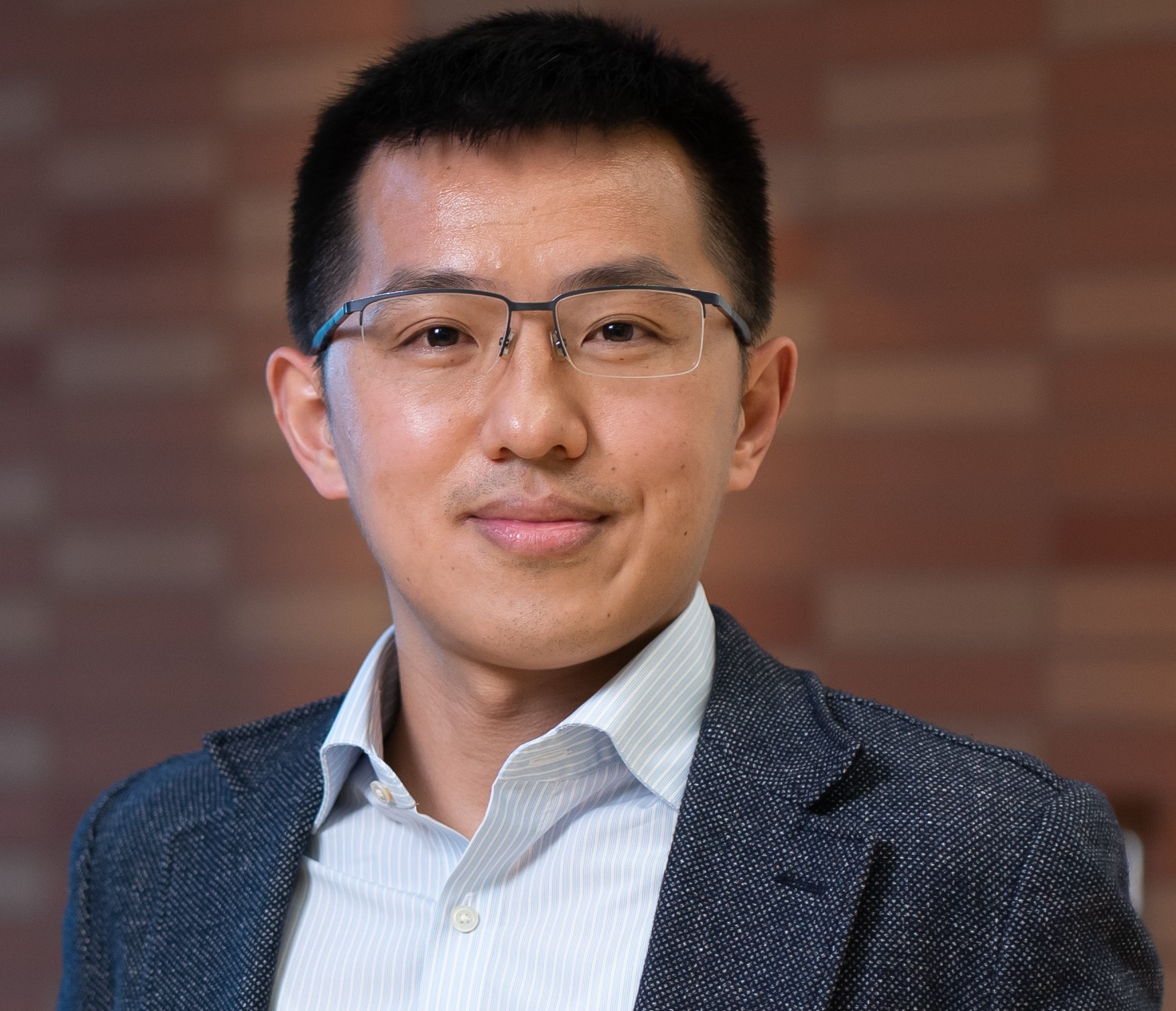
Department of Geography, The University of Hong Kong, Hong Kong;Lishan Ran is an Associate Professor in the Department of Geography at the University of Hong Kong. He received his PhD in physical geography from the National University of Singapore in 2013. His research centers on carbon cycling and greenhouse gas emissions from inland waters, with a particular focus on the riverine carbon processes and greenhouse gas emission dynamics of China's large rivers. He has published over 110 peer-reviewed research articles, supported by the Research Grants Council of Hong Kong and the National Natural Science Foundation of China.
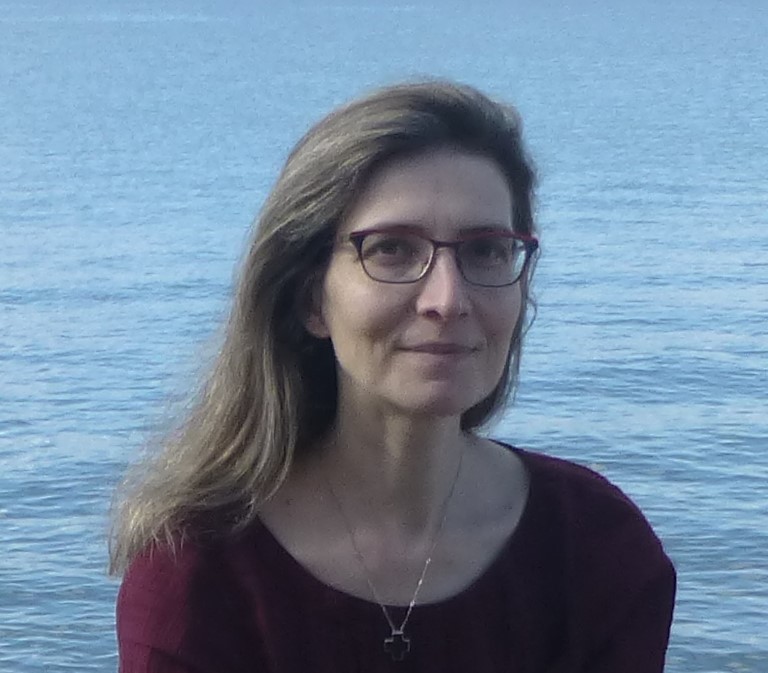
Department of Sustainable Agriculture, School of Agricultural Sciences, University of Patras, Agrinio, Greece;Dr. Athanasia Tekerlekopoulou is a Professor at the Department of Sustainable Agriculture, University of Patras, Greece. She holds a degree in Chemical Engineering from Aristotle University of Thessaloniki and a PhD in Wastewater Treatment from the University of Ioannina. Her research focuses on the treatment of water and wastewater, particularly agro-industrial and industrial effluents, using physicochemical and biological processes, with an emphasis on biological treatment technologies. Her research interests include biological filtration, microalgae and cyanobacteria cultivation, bioreactor design and operation and resource recovery. She also investigates the development and optimization of hybrid treatment systems combining different physicochemical and biological processes. She has participated in research projects on sustainable wastewater management and environmental protection. To date, she has authored or co-authored 92 peer-reviewed publications indexed in Scopus, with over 2,900 citations and an H-index of 35. She has also served as Guest Editor for special issues in Molecules, Sustainability, Water and Applied Sciences.
Sessions
Explore more details- S1. Hydrological/Hydraulic Processes and Modelling
- S2. Urban Water Modelling and Management
- S3. Rivers and Lakes—Water Quality, Nutrient Enrichment, and Pollutant Transport
- S4. Water Resources Management, Policy, and Governance
- S5. Extreme Hydrometeorological Events: Sources, Mitigation, and Adaptation
- S6. Ecohydrological Approaches and Ecosystems Conservancy—Water–Food–Energy Ecosystem Nexus
- S7. Remote Sensing, Artificial Intelligence, and New Technologies in Water Sciences
- S8. Wastewater Treatment and Reuse
- S9. Agricultural Water Systems
- S10. Groundwater Systems Modelling, Analysis, and Vulnerability—Quantity and Quality Issues



Ms. Ann Li
Ms. Chloe Lv
Email: ecws@mdpi.com
For inquiries regarding submissions and sponsorship opportunities, please feel free to contact us.