
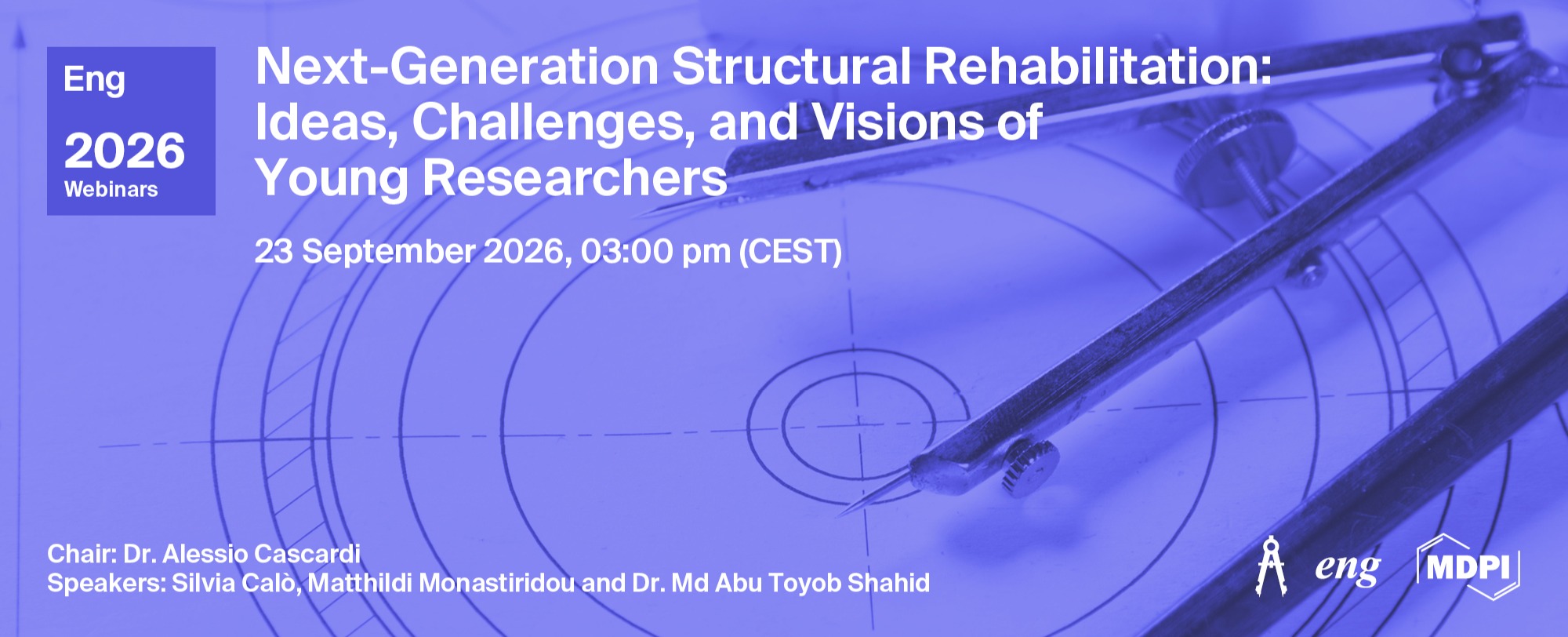
Eng Webinar | Next-Generation Structural Rehabilitation: Ideas, Challenges, and Visions of Young Researchers
the chair
Eng Webinar
Next-Generation Structural Rehabilitation: Ideas, Challenges, and Visions of Young Researchers
Welcome to the Eng webinar on "Next-Generation Structural Rehabilitation: Ideas, Challenges, and Visions of Young Researchers." Today, we bring together three outstanding early-career researchers who are pushing the boundaries of structural engineering. Their work spans from innovative composite materials for masonry and concrete strengthening to bio-based sustainable solutions and seismic resilience strategies. We will explore cutting-edge approaches to assess, strengthen, and rehabilitate existing structures in the face of modern challenges. I am delighted to chair this session and look forward to an engaging discussion.
Date: 23 September 2026
Time: 3:00 pm CEST | 9:00 am EDT | 9:00 pm CST (Asia)
Webinar Secretariat: journal.webinar@mdpi.com
Meet Our Chair
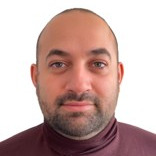
Dipartimento di Ingegneria Civile, University of Calabria, Italy;Alessio Cascardi is an Associate Professor at the Department of Civil Engineering, University of Calabria, Italy. His research focuses on structural engineering, with particular emphasis on the experimental and numerical characterization of innovative materials for structural strengthening and rehabilitation. He has extensive experience in the application of composite materials for masonry and reinforced concrete structures, including FRP, FRCM, and TRM systems. He has authored numerous scientific papers and participates in international research projects aimed at developing sustainable and resilient structural solutions.
Meet Our Speakers
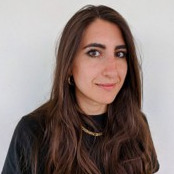
Department of Engineering for Innovation, University of Salento, Lecce, Italy;Silvia Calò is a PhD Candidate in Materials, Structure Engineering and Nanotechnologies at the University of Salento, Italy. She received both her Bachelor's and Master's degrees in Civil Engineering from the University of Salento. Her research focuses on the assessment, strengthening, and seismic rehabilitation of masonry and reinforced concrete structures using innovative and sustainable composite materials, with particular emphasis on inorganic matrix composites (TRM/FRCM, CRM, and geopolymer-based systems). Her work combines experimental investigations, analytical modelling, and numerical simulations to support the development of reliable design approaches for structural retrofitting. She has presented her research at several international conferences and collaborates with national and international research groups in structural engineering.
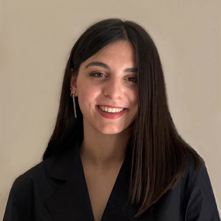
Ms. Matthildi Monastiridou
Department of Civil Engineering, University of Thessaly, Greece;Matthildi Monastiridou is a PhD Candidate in the Department of Civil Engineering at the University of Thessaly, Greece, and has been a RILEM Young Member since 2021. Her research focuses on the seismic assessment and rehabilitation of reinforced concrete structures, with particular emphasis on masonry-infilled RC frames strengthened with inorganic-matrix composite materials. Through experimental and numerical investigations, her work seeks to advance the understanding and seismic resilience of existing structures, contributing to the development of effective and sustainable rehabilitation strategies.
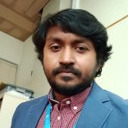
CERIS, Instituto Superior Técnico, Universidade de Lisboa, Portugal;Dr. Md Abu Toyob Shahid completed his PhD at the Department of Civil Engineering, Architecture and Environment (DECivil) of Instituto Superior Técnico (IST), University of Lisbon, Portugal. His doctoral thesis was titled "Durability and Sustainability of Bio-based Polymer Composite Materials." Dr. Shahid holds a dual master's degree from the KIC InnoEnergy Master's School, funded by the European Institute of Innovation and Technology (EIT). Through this program, he earned a degree in Chemical Technology from the AGH University of Science and Technology (Krakow, Poland) and a degree in Energy Engineering and Management, specializing in Renewable Energy, from IST. He completed his bachelor's degree in petroleum and mining engineering at the Shahjalal University of Science and Technology (Sylhet, Bangladesh).