
Foods Webinar | Dairy Lipids for Cognitive Decline Improvement
the chair
10th Foods Webinar
Dairy Lipids for Cognitive Decline Improvement
For much of the twentieth century, dietary lipids were regarded primarily through the lens of energy metabolism — molecules to be counted, restricted, and, too often, feared. Yet the last two decades have witnessed a profound conceptual shift, driven in large part by transformative advances in analytical science. The emergence of high-resolution mass spectrometry-based lipidomics, cutting-edge chromatographic platforms, and sophisticated bioinformatic pipelines has given us the tools to map the lipidome at an unprecedented level of structural detail. What was once a class of molecules defined by their caloric value is now understood as a highly complex and functionally diverse molecular landscape — one deeply implicated in membrane homeostasis, signal transduction, neuroinflammation, synaptic plasticity, and the regulation of gene expression. Lipids, in short, are not passengers in cellular life; they are active architects of it.
Against this backdrop, dairy lipids have emerged as a particularly compelling area of investigation. Milk fat is among the most structurally complex lipid matrices in the human diet, encompassing not only triacylglycerols but a rich repertoire of polar lipids — phosphatidylserine, sphingomyelin, plasmalogens — concentrated in the milk fat globule membrane. A growing and convergent body of evidence now points to these bioactive lipid species as promising candidates for neuroprotection, capable of modulating key pathways involved in cognitive ageing and neurodegeneration.
This webinar brings together leading voices at the intersection of food science, lipidomics, and neuroscience to explore this evidence, discuss its mechanistic underpinnings, and consider its translational implications for functional foods and dietary strategies aimed at preserving cognitive health across the lifespan.
Date: 28 May 2026
Time: 02:00 pm CEST | 8:00 am EDT | 8:00 pm CST Asia
Webinar ID: 827 3197 0004
Event Secretariat: journal.webinar@mdpi.com
Meet Our Chair

Department of Bioactivity and Food Analysis, Food Science Research Institute (CIAL), Spanish Research Council (CSIC), Spain;Dr. Luis Miguel Rodríguez-Alcalá holds a PhD in Food Science and Technology and Chemical Engineering from the Autonomous University of Madrid. He currently serves as a Senior Researcher at the Spanish National Research Council (CSIC), working in the Lipid Biomarkers in Food and Health group at the Institute for Food Science Research (CIAL) in Madrid. His primary research focuses on the link between obesity and the early stages of cognitive decline; in developing preventive strategies, he aims to combine anti-inflammatory lipids (omega-3) with anti-obesity lipids (CLA and/or CLnA). He has co-authored more than 90 high-impact peer-reviewed journal articles, 16 book chapters, supervised 4 PhD theses and 6 Master’s theses, and holds 4 registered patents. He has coordinated and acted as Principal Investigator for 20 research projects and 21 R&D&I contracts with industrial partners. Additionally, he is Chair of Health and Nutrition at Euro Fed Lipids, and serves as an editor for the journals Frontiers in Chemistry (Nutrition and Chemistry sections) and Foods.
In this section, you will find the recordings of this webinar to watch, re-watch and share with your colleagues!
Meet Our Speakers
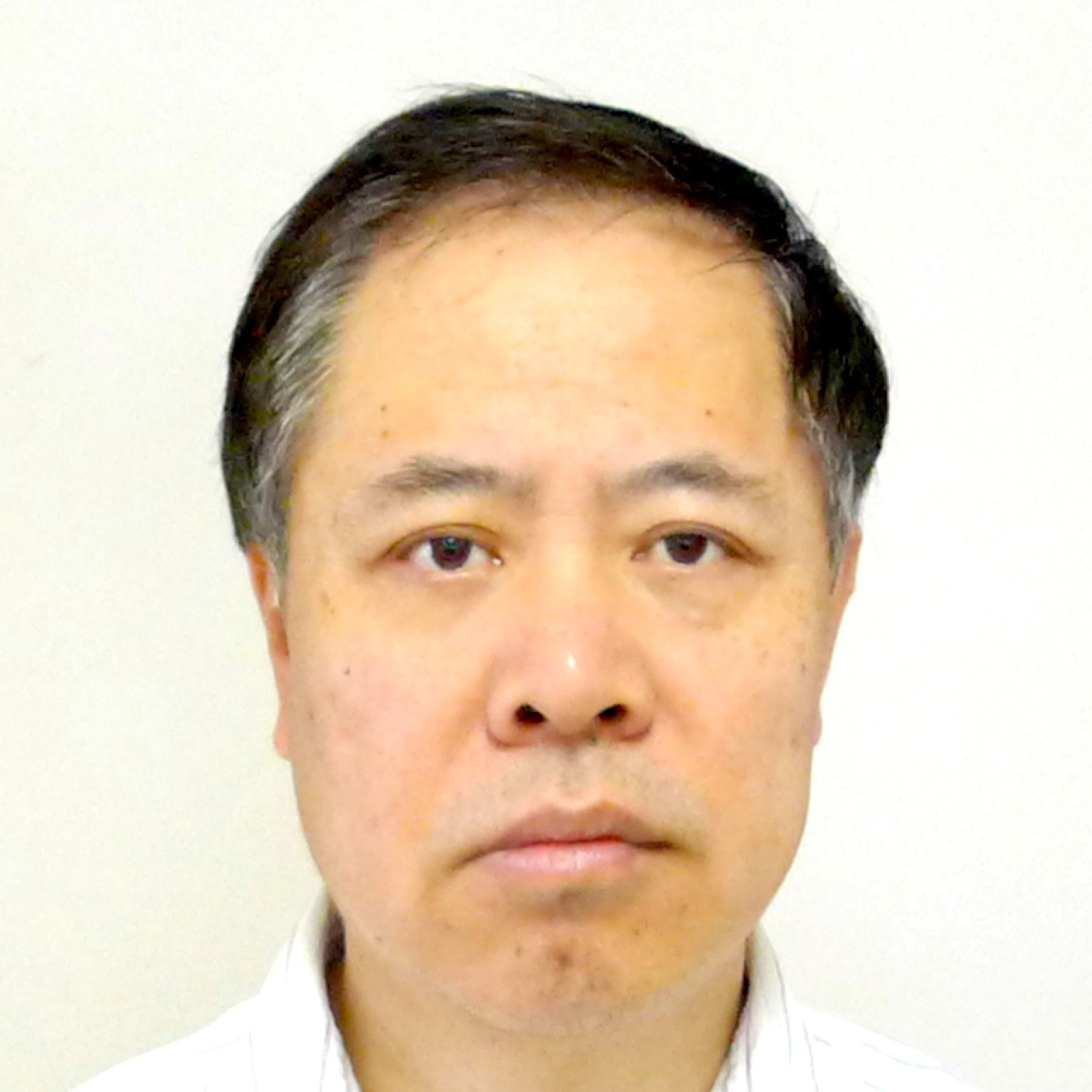
Agriculture Victoria Research, AgriBio, 5 Ring Road, Bundoora, VIC 3083, Australia;After obtaining his BSc in China and PhD in France, Dr Zhiqian Liu has worked in Beijing, France, New Zealand and Australia for over 30 years. His research covers plant physiology and biochemistry, plant protection, molecular biology, molecular genetics, analytical chemistry, metabolomics and lipidomics. He has published over 100 peer-reviewed papers and his current research focuses on comprehensive analysis of dairy lipids.

Department of Animal Science the Faculty of Agriculture, Food and Environment Hebrew University of Jerusalem, Jerusalem, Israel;Dr. Nurit Argov-Argaman joined the IMGC Scientific Advisory Committee in 2020 and has participated in IMGC Symposia for more than a decade. She trained at The Hebrew University of Jerusalem in nutrition and lipid metabolism. After completing her post-doctoral fellowship at the University of California Davis, she returned to the Hebrew University of Jerusalem in Israel and created her lactation and metabolism research group. Her research focus is lactation physiology and its metabolic regulation. The objective of her research group is to obtain knowledge on the nutritional and metabolic regulation of milk fat composition, concentration, and structure. Her research group discovered the role of the mitochondria in regulating the milk fat globule structure and hence the composition of milk fat. Since the mitochondria is susceptible to bioitic and abiotic stressors, her studies have been focusing on the effect of environmental stress on the milk composition and lactation traits of dairy animals and finding nutritional strategies to mitigate these environmental detrimental effects. In her studies, she found strong associations between the milk fat structure and milk composition and hence focuses on the effect of the milk fat structure, e.g. the milk fat globule, on product quality. This association is studied under two aspects: 1) product stability and quality in terms of the content of bioactive constituents, and 2) the effect on the health of the consumer in terms of the digestion and absorption, physiological, immune and metabolic response to milk with varying milk fat globule sizes. Besides this research, Dr. Argov-Argaman develops, and teaches multiple rigorous courses in the BSc and MSc programs in The Animal Science Department of the Hebrew University of Jerusalem, with an emphasis on lactation physiology, animal nutrition and lipid metabolism.
The “Food Nutrition” Section is dedicated to unraveling the complex interplay between diet and human health. With a focus on food composition, this Section scrutinizes the macro- and micronutrients that constitute our daily diets. It explores the diverse food properties that influence food quality and safety, as well as the myriad of bioactive compounds present in foods that exert protective effects against various diseases.
A key emphasis is placed on the health benefits of consuming a balanced diet, particularly how specific foods contribute to improved physical and mental well-being. The Section also takes a deep dive into the critical realm of gut health, examining how dietary choices can modulate the gut microbiota and impact overall health.
In acknowledging that foods can have both positive and negative effects, the “Food Nutrition” Section also investigates the adverse effects of foods, such as allergens and foodborne illnesses. It provides a platform for research on food nutrients, utilizing cutting-edge in vitro and in vivo models to determine how accessible and available these nutrients are within the human body.
This Section is an essential read for researchers, nutritionists, and health-conscious individuals seeking to understand the science behind food and nutrition, and how it can be applied to promote health and prevent disease.