

Viruses Webinar | 2025 The World HTLV Day
the chair
Viruses Webinar
2025 The World HTLV Day
This webinar aims to provide a concise overview of the current understanding of HTLV-1, a human leukemia virus, including its epidemiology, virology, associated diseases, and pathophysiology. The speakers are experts in their respective fields and will clearly explain the current state of research.
Therefore, this webinar is intended for healthcare professionals and those involved in public health work. Of course, we welcome general audiences, including those infected with the virus or patients, to watch.
Although the webinar spans two days, we look forwards to many participants joining us.
Session I: 5 Nov 2025
Session II: 6 Nov 2025
Time: 10:00 am CET | 6:00 pm JST
Webinar ID: 818 8623 4527
Webinar Secretariat: journal.webinar@mdpi.com
Meet Our Chair

The Division of Hematology and Oncology, Department of Internal Medicine, St. Marianna University School of Medicine;Dr. Watanabe is Professor Emeritus the University of Tokyo, and currently a Professor at the Department of Hematology/Oncology, at the Faculty of Medicine of St Marianna University. His research interests focus on the virology of HTLV-1, and pathophysiology of diseases caused by HTLV-1. He has contributed progress of understanding the mechanisms of malignant transformation of HTLV-1 infected T cells, which lead to clinical introduction of a novel epigenetic drug, Valemetostat. He has contributed to establishing biomarkers of risk evaluation of ATL development. He has also contributed advances of epidemiology of HTLV-1 in Japan. He has published more than 250 original papers and reviews, including those of Nature, Nature Genetics, New Eng J Med, Lancet, Lancet Inf Dis, Cancer Cell, Cell Report, PNAS, etc. He is the President of Japanese Association of HTLV-1 and associated Diseases (JSHAD), Past President of International Retrovirology Association (IRVA). He has been the Chairperson of the HTLV-1 Countermeasures Promotion Council, Japanese Ministry of Health, Labour and Welfare since 2011.
Meet Our Speakers

Prof. Atae Utsunomiya
Department of Hematology, Imamura General Hospital, Japan;Dr. Utsunomiya, MD, PhD, serves as Honorable Director of Imamura General Hospital, Director of Clinical Research Center, and Director of the HTLV-1 Research Center (2018–present). Since the discovery of ATL in 1977, he has been engaged in clinical research on ATL as a hematologist. His work includes analyzing ATL clinical manifestations, conducting treatment development research through the Japan Clinical Oncology Group-Lymphoma Study Group, and developing hematopoietic stem cell transplantation using non-myeloablative conditioning regimens for elderly patients with aggressive ATL. In new drug development, he participated in clinical trials for mogamulizumab, lenalidomide, tucidinostat, and valemetostat, contributing to their approval in Japan. He also participates in a prospective cohort study on HTLV-1, the causative virus of ATL (Joint Study on Predisposing Factors of ATL Development), and in a research group investigating the reality of horizontal transmission and prevention strategies. He is now a member of multiple research projects on HTLV-1/ATL supported by the Japan Agency for Medical Research and Development (AMED) (Project Numbers: 25fk0108671h0003, 25ck0106789h0003).

Division of Genomics and Transcriptomics, Joint Research Center for Human Retrovirus Infection, Kumamoto University, Japan;Yorifumi Satou, MD, PhD is a virus researcher at Kumamoto University whose work centers on HTLV-1 immunovirology and the pathogenesis of adult T-cell leukemia/lymphoma (ATL). He integrates molecular virology with human immunology to explain how persistent retroviral infection reshapes T-cell function and drives disease. A defining thread of his research is the characterization of the HTLV-1 antisense gene HBZ and its immunobiological consequences. Foundational studies in PNAS (2006) and PLoS Pathogens (2011) delineated HBZ expression and function, establishing it as a driver of infected-cell persistence and a rational target for immune and therapeutic interventions. Satou has also advanced the concept of intragenic proviral regulation, demonstrating that HTLV-1 modulates its transcriptional landscape through internal regulatory elements rather than relying solely on the canonical long terminal repeat (LTR). Milestone papers in PNAS (2016), Nature Communications (2022), and Nature Microbiology (2025) mapped these intragenic programs and clarified how they govern latency, reactivation, and tissue-specific expression—insights that now underpin strategies to measure and modulate proviral activity in vivo. Bridging mechanism to disease, his team showed that ATL cells are profoundly activated T cells, not merely transformed quiescent lymphocytes (JCI, 2021). This reframed ATL as a malignancy entwined with chronic T-cell activation, with implications for immunometabolic targeting, exhaustion pathways, and rational immunotherapy design. Satou mentors trainees and collaborates across Japan and internationally, applying single-cell readouts, high-parameter cytometry, and spatial profiling to connect proviral control with host immunity. By uniting HBZ biology, intragenic regulation, and T-cell activation states, his program charts actionable routes to improved diagnostics and treatments for HTLV-1–associated diseases.

Department of Infectious Disease, Faculty of Medicine, Imperial College London;Aileen trained as an immunologist at Trinity College Dublin. After completing her PhD, Aileen joined Charles Bangham’s lab in Imperial College to investigate the T cell-mediated immune response to HTLV. During her time there, she also developed methods to identify clonally expanded ATL cells in peripheral blood, and joined Graham Taylor’s laboratory in 2017 to develop her method into a diagnostic test to detect and quantify ATL clones. Using this test, she showed that ATL-like clones circulate in the peripheral blood in the premalignant, asymptomatic stage of ATL. In 2022 Aileen was appointed as a lecturer at Imperial College, and established a research group that focuses on understanding the natural history of ATL development.
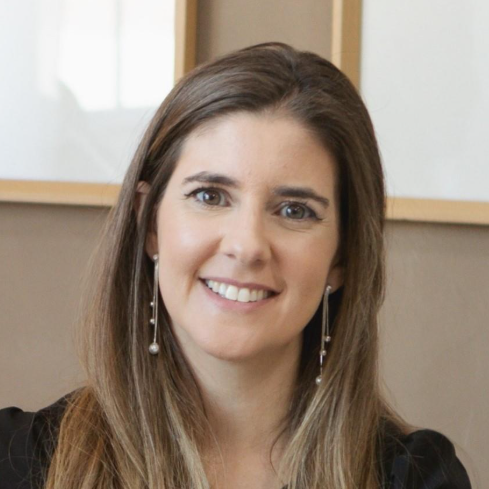
Department of Infectious Disease, Faculty of Medicine, Imperial College London;Dr Rosadas is a research fellow at the department of infectious disease, Imperial College London. She is keen to support improving access to diagnostics and to help advancing the public health response to neglected infections, especially focusing on HTLV. She has been working extensively with the Brazilian Ministry of Health, the Pan American Health Organization and the World Health Organization to support evidence-based public health response. She is passionate about science communication and community engagement and has co-founded a social media platform, HTLV Channel, to increase awareness about this virus, share research findings with the community, empower civil society and promote inter-sectoral collaboration.



In this section, you will find the recordings of this webinar to watch, re-watch and share with your colleagues!
Human T-Cell Leukemia Virus (HTLV) Infection and Treatment: 2nd Edition
Guest Editors: Dr. Cynthia A. Pise-Masison and Dr. Damian F. J. Purcell
Deadline for submission: 30 April 2026