
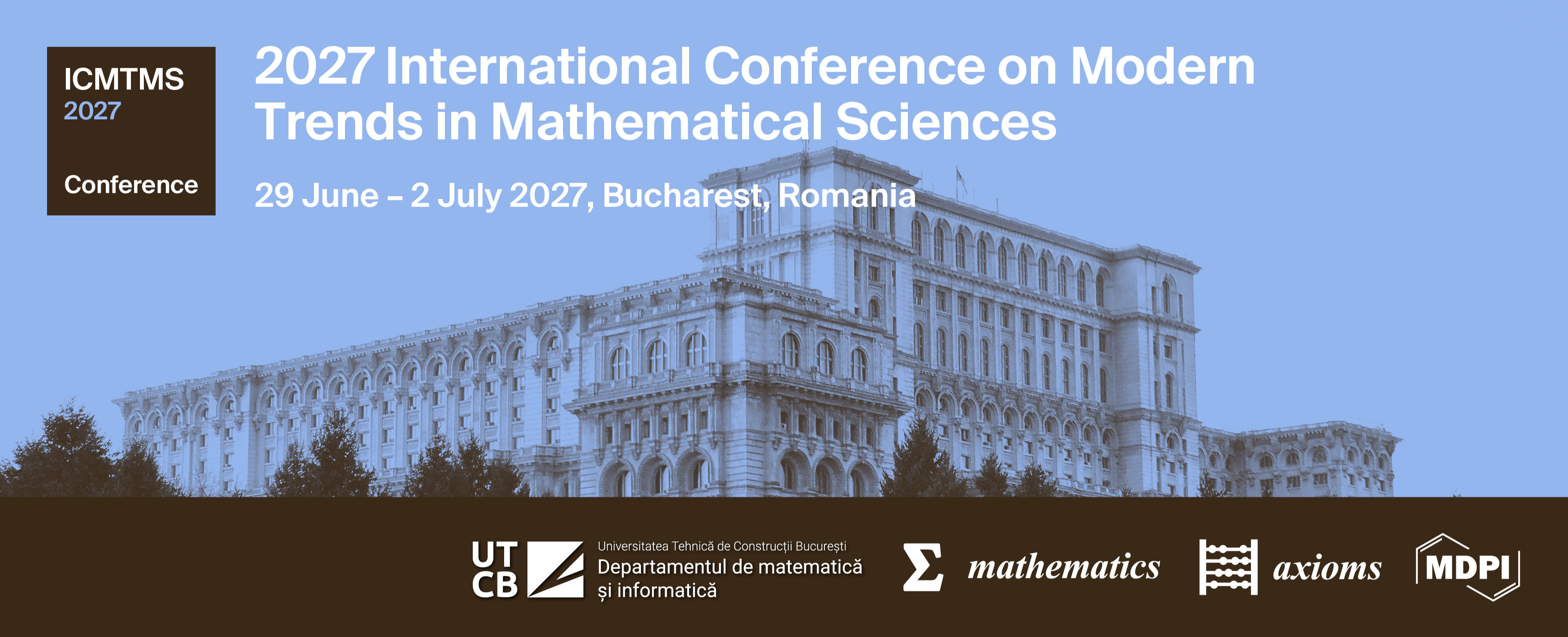
2027 International Conference on Modern Trends in Mathematical Sciences
Calling for contributions!
Submit your work to present your research alongside leading experts at the 2027 International Conference on Modern Trends in Mathematical Sciences. This is your opportunity to join our scientific program. The submission portal is open for a limited time, until 26 February 2027.
Submit your abstracts HERE.
Instructions for authors are available online.
Register now to confirm your participation and and connect with mathematicians, academic researchers, and industry professionals through keynote lectures, specialized sessions, and collaborative networking opportunities..
For any inquiries, please contact us at icmtms@mdpi.com.
the chairs
S2. Mathematical Analysis;
S3. Statistics and Operational Research;
S4. Mechanics and Mathematical Physics;
S5. Mathematics, Computer Science, and Artificial Intelligence;
S6. Applied Mathematics.
Kind regards,
Conference Chairs
Prof. Dr. Francisco Chiclana, De Montfort University, UK
Prof. Dr. Michel Chipot, University of Zurich, Switzerland
Prof. Dr. Ion Mihai, University of Bucharest, Romania
Prof. Dr. Andrea De Gaetano, Italian National Research Council (CNR), Italy
Follow the conference organizer on Social Media



Meet Our Chairs
Institute of Artificial Intelligence, Faculty of Computing, Engineering and Media, De Montfort University, Leicester, UK;Professor Francisco Chiclana received a BSc (1989) and a PhD in Mathematics (2000), respectively, from the University of Granada in Spain. He joined De Montfort University (Leicester, UK) in 2003 and became a Professor of Computational Intelligence and Decision Making in 2012. He was an Honorary Professor in the Department of Mathematics at the University of Leicester (UK; 2015—2018) and a Visiting Scholar at the Department of Computer Science and Artificial Intelligence at the University of Granada (2019—2023). He is currently Editor-in-Chief of Mathematics (MDPI) and an Associate Editor for ISI-indexed journals, including IEEE Transactions on Systems, Man, and Cybernetics: Systems; Information Sciences; Information Fusion; and Group Decision and Negotiation.
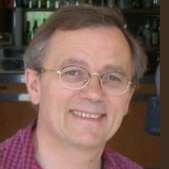
Department of Mathematics, University of Zurich, Zurich, Switzerland;Michel Chipot has worked as a professor at the University of Zurich since 1995. He completed his thèse d’État in 1981 at the University of Paris VI under the supervision of Haïm Brezis. His research interests include nonlinear analysis encompass variational inequalities, elliptic and parabolic equations, systems of partial differential equations, the calculus of variations, and numerical methods. Professor Chipot serves on the Editorial Boards of more than twenty scientific journals and is a fellow of the European Academy of Sciences. He has edited 17 conference proceedings volumes, as well as the six-volume Stationary Partial Differential Equations handbook series. In addition, he has authored more than two-hundred scientific articles and nine books.
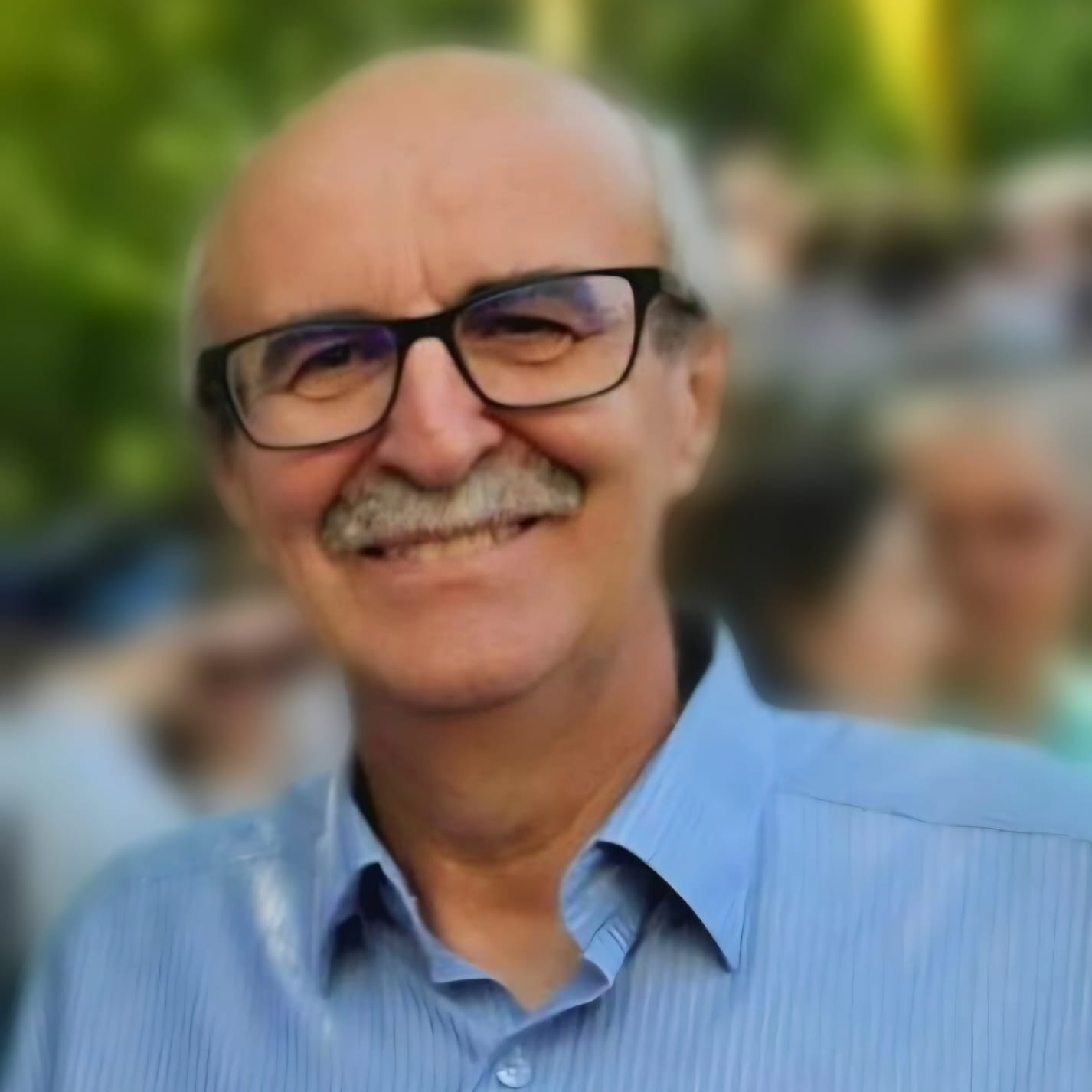
Faculty of Mathematics and Computer Science, University of Bucharest, Bucharest, Romania;Professor Ion Mihai graduated from the University of Bucharest, Romania (1982). He received a Ph. D. in Sciences from Katholieke Universiteit Leuven, Belgium (1994), under the supervision of Prof. Leopold Verstraelen. His research interests include Riemannian Geometry, Submanifold Theory, Information Geometry and Mathematical Physics. He is a (Full) Professor at the University of Bucharest, Faculty of Mathematics and Computer Science, since 2002. Before, he was an Assistant Professor, Senior Lecturer and Associate Professor at the same University. He has supervised nine Doctors in Mathematics at the Doctoral School of Mathematics, University of Bucharest. He was a Fulbright Senior Research Fellow at Michigan State University (2003–2004) and Research Fellow of the Japan Society for the Promotion of Science at prestigious Japanese universities (2002). He also received the “Gh. Titeica” Prize of the Romanian Academy (1995). Professor Mihai served as Editorial Board member of more than10 scientific journals indexed in WoS. His publications include 11 books or book chapters and over 140 research articles. He has also edited three conference proceedings volumes.

CNR-IASI BioMatLab, Institute for System Analysis and Computer Science, Italian National Research Council (CNR), Rome, Italy;Andrea De Gaetano has worked as a Researcher (1990–2001), Director of Research (Full Professor, 2001–2026), and Director of the Institute for Biomedical Research and Innovation in Palermo (2020–2026) within the National Research Council of Italy. A certified emergency surgeon by training (Italy) with ECFMG certification (USA), he attained both his M.Sc. (USA) and Ph.D. (France) degrees in Applied Mathematics, is a Juris Doctor with Italian Bar license, and is Doctor Honoris Causa (BioStatistics). He is currently a Distinguished Professor (Full Professor with research endowment) with Óbuda University Dept. of Biomatics, Budapest; Adjunct Professor of Mathematical Statistics, Mahidol University Dept. of Mathematics, Bangkok; and Senior Associated Researcher with the Institute for Systems Analysis and Informatics of the National Research Council of Italy, CNR-IASI, Rome. His research interests focus on the mathematical modelling of physiological systems with ODEs, stochastic and fractional differential equations, and on the attending estimation of model parameters from experimental observations. Thus far, he has published over 300 full-length papers in international peer-reviewed journals, largely on the mathematical modelling of energy metabolism (Google Scholar metrics: 14383 citations, h-index 52, as of June 10, 2026). He has taught Mathematical Statistics at the universities of Urbino, Copenhagen, and Mahidol Bangkok. He has obtained approx. €5.1 million funding for research through a series of EC-financed FP and H2020 projects, foreign-financed grants, and several Italian projects (funded by the Ministry of Research and the Ministry of Defense). He is the former President of the European Society for Mathematical and Theoretical Biology and has served as the Italian National Academic Delegate to the NATO Scientific and Technical Organization, Human Factors and Medicine Panel, and to the EDA European Defense Agency, CapTech Simulation.
Important Dates
26 Feb
2027
22 Mar
2027
17 Apr
2027
26 Jun
2027
Meet Our Speakers
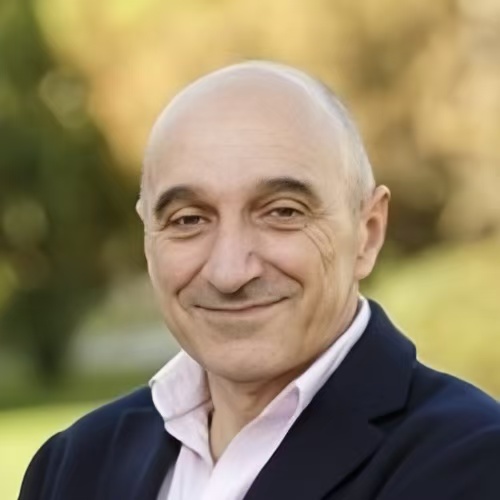
Department of Statistics, Computer Science and Mathematics, Public University of Navarra, Spain;
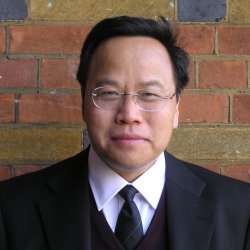
Mathematical Institute, University of Oxford, UK;
University of Zurich, Switzerland;Michel Chipot has worked as a professor at the University of Zurich since 1995. He completed his thèse d’État in 1981 at the University of Paris VI under the supervision of Haïm Brezis. His research interests include nonlinear analysis encompass variational inequalities, elliptic and parabolic equations, systems of partial differential equations, the calculus of variations, and numerical methods. Professor Chipot serves on the Editorial Boards of more than twenty scientific journals and is a fellow of the European Academy of Sciences. He has edited 17 conference proceedings volumes, as well as the six-volume Stationary Partial Differential Equations handbook series. In addition, he has authored more than two-hundred scientific articles and nine books.
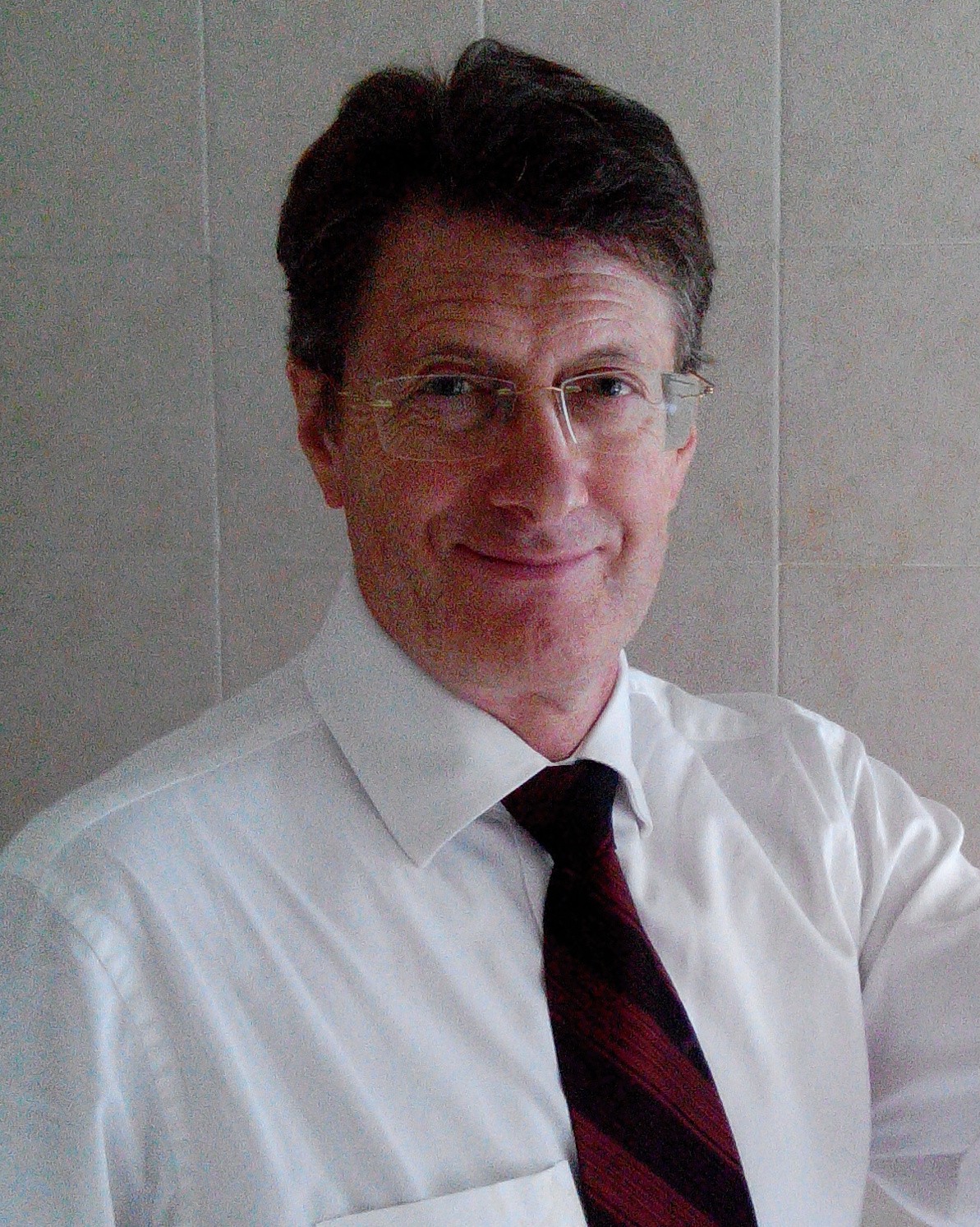
Italian National Research Council (CNR), Italy;Andrea De Gaetano has worked as a Researcher (1990–2001), Director of Research (Full Professor, 2001–2026), and Director of the Institute for Biomedical Research and Innovation in Palermo (2020–2026) within the National Research Council of Italy. A certified emergency surgeon by training (Italy) with ECFMG certification (USA), he attained both his M.Sc. (USA) and Ph.D. (France) degrees in Applied Mathematics, is a Juris Doctor with Italian Bar license, and is Doctor Honoris Causa (BioStatistics). He is currently a Distinguished Professor (Full Professor with research endowment) with Óbuda University Dept. of Biomatics, Budapest; Adjunct Professor of Mathematical Statistics, Mahidol University Dept. of Mathematics, Bangkok; and Senior Associated Researcher with the Institute for Systems Analysis and Informatics of the National Research Council of Italy, CNR-IASI, Rome. His research interests focus on the mathematical modelling of physiological systems with ODEs, stochastic and fractional differential equations, and on the attending estimation of model parameters from experimental observations. Thus far, he has published over 300 full-length papers in international peer-reviewed journals, largely on the mathematical modelling of energy metabolism (Google Scholar metrics: 14383 citations, h-index 52, as of June 10, 2026). He has taught Mathematical Statistics at the universities of Urbino, Copenhagen, and Mahidol Bangkok. He has obtained approx. €5.1 million funding for research through a series of EC-financed FP and H2020 projects, foreign-financed grants, and several Italian projects (funded by the Ministry of Research and the Ministry of Defense). He is the former President of the European Society for Mathematical and Theoretical Biology and has served as the Italian National Academic Delegate to the NATO Scientific and Technical Organization, Human Factors and Medicine Panel, and to the EDA European Defense Agency, CapTech Simulation.
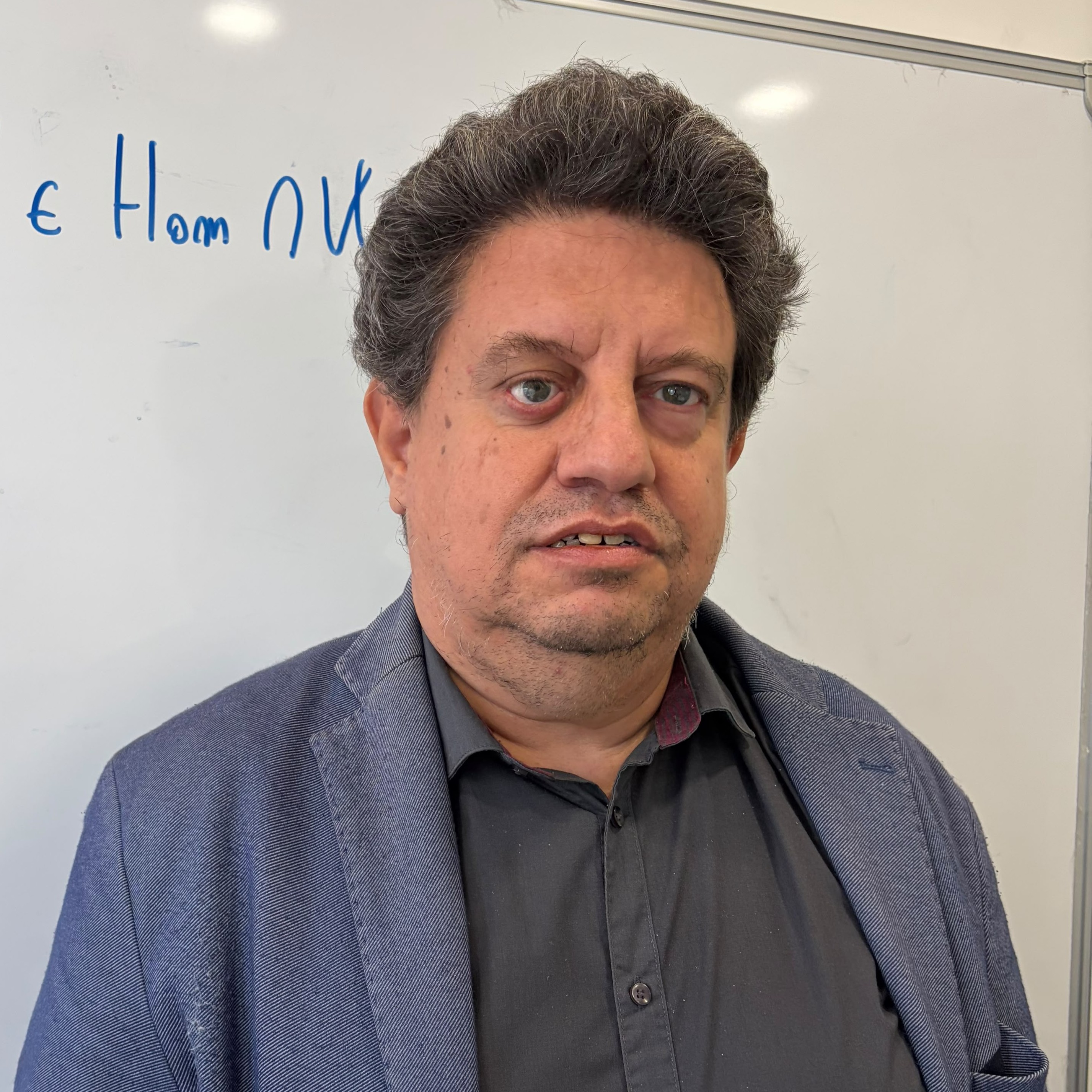
University of Naples Parthenope, Italy;Luigi D’Onofrio is Full Professor of Mathematical Analysis at the University of Naples Parthenope, Italy. His research interests are mainly in mathematical analysis and partial differential equations, with particular emphasis on the regularity theory of elliptic equations, Sobolev spaces and mappings, nonlinear analysis, and related problems in geometric function theory. He has authored numerous research papers in these areas and has been involved in several national and international research collaborations. His current research includes regularity problems for elliptic equations with rough coefficients and the study of fine properties of Sobolev mappings.
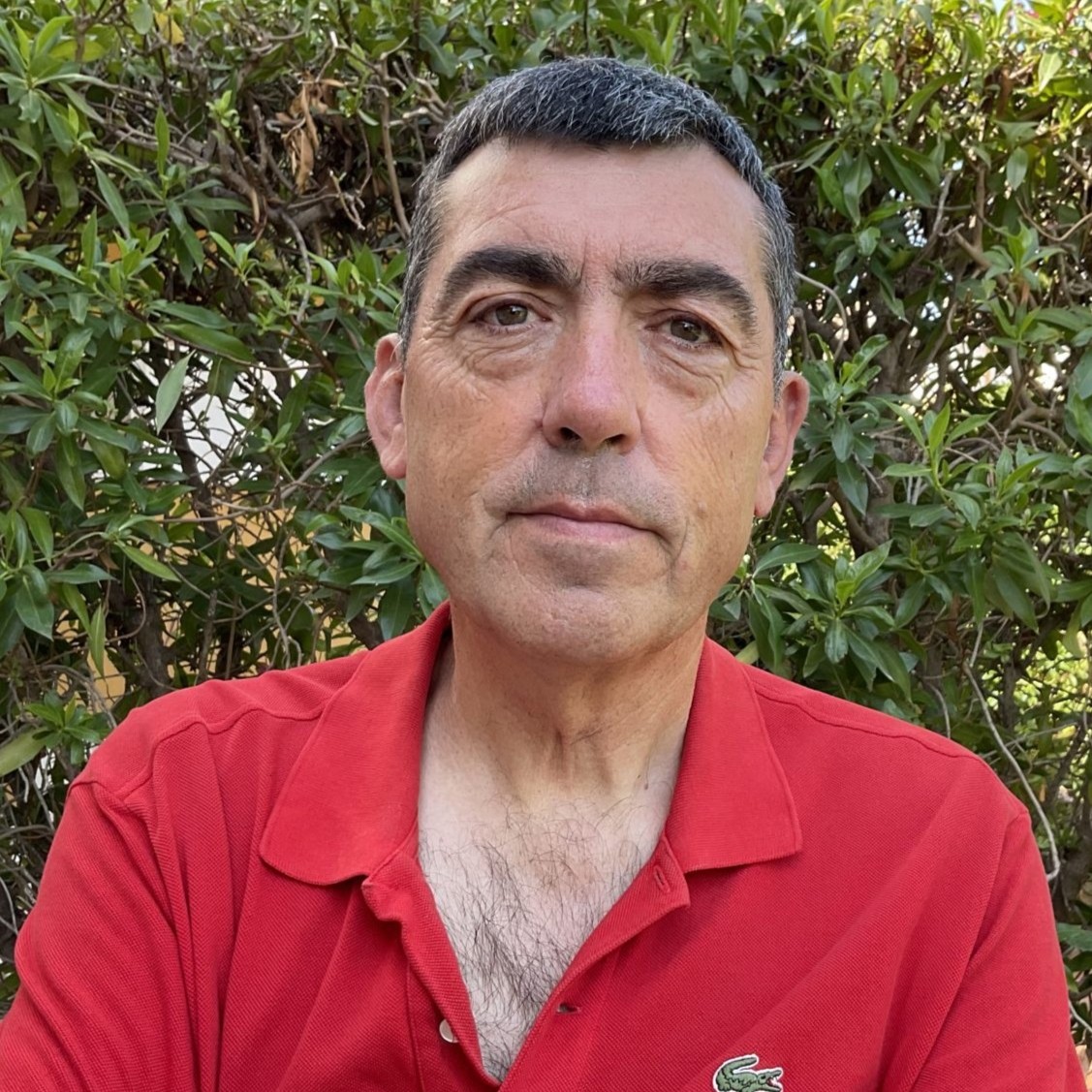
Department of Geometry and Topology, University of Granada, Spain ;Rafael López is a Professor at the University of Granada and a member of the Institute of Mathematics (IEMath-GR), Spain. He works on differential geometry, focusing on hypersurfaces with prescribed curvature, with a particular emphasis on partial differential equations related to variational problems in physics. With over 200 articles published and serving as co-author for more than 50 publications, he is a member of the Editorial Board of Open Mathematics and International Electronic Journal of Geometry, and has been named among the World's Top 2% Scientists for the last three years.
Institute for Production Technology and Systems, Leuphana University of Lueneburg, Lueneburg, Germany;Paolo Mercorelli received his Ph.D. in systems engineering from the University of Bologna, Italy, in 1998. In 1997, he was a visiting researcher for one year with the Department of Mechanical and Environmental Engineering at the University of California, Santa Barbara, USA. From 1998 to 2001, he was a postdoctoral researcher at Asea Brown Boveri Corporate Research, Germany, where his research activity resulted in three patents. From 2002 to 2005, he was a senior researcher at the Institute of Automation and Informatics, Germany, where he led the Control Group. From 2005 to 2011, he served as an associate professor of process informatics at Ostfalia University of Applied Sciences, Germany. Since 2012, he has been a full professor and Chair of Control and Drive Systems at the Leuphana University of Lueneburg, Germany. Since the winter semester 2017/2018, he has also been a visiting professor at the Lodz University of Technology, Poland, where he has been responsible for courses in control theory. He has received numerous Best Paper Awards at international conferences, including IECON 2013, IECON 2014, CoDIT 2014, ICCC 2017, FedCSIS 2019, ACD 2019, ICCC 2020, ICSTCC 2023, IECON 2024, MMAR 2025, and ICCI 2025, and has delivered thirteen plenary lectures at international conferences. From 2019 to 2026, he has been included each year in the list of the world’s top 2% of scientists in both the career-long and single-year rankings, compiled by Elsevier and Stanford University.
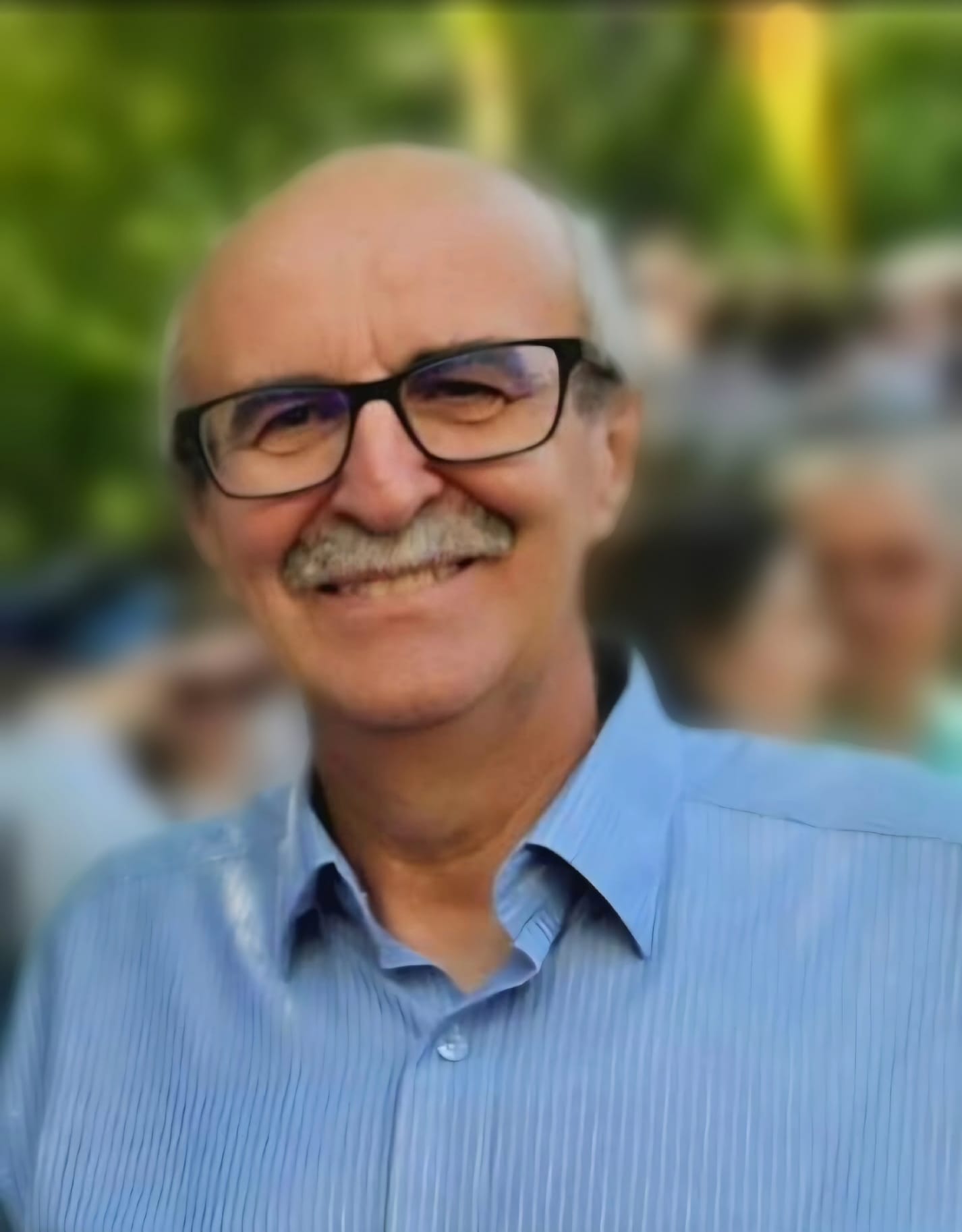
Faculty of Mathematics and Computer Science, University of Bucharest, Romania;Professor Ion Mihai graduated from the University of Bucharest, Romania (1982). He received a Ph. D. in Sciences from Katholieke Universiteit Leuven, Belgium (1994), under the supervision of Prof. Leopold Verstraelen. His research interests include Riemannian Geometry, Submanifold Theory, Information Geometry and Mathematical Physics. He is a (Full) Professor at the University of Bucharest, Faculty of Mathematics and Computer Science, since 2002. Before, he was an Assistant Professor, Senior Lecturer and Associate Professor at the same University. He has supervised nine Doctors in Mathematics at the Doctoral School of Mathematics, University of Bucharest. He was a Fulbright Senior Research Fellow at Michigan State University (2003–2004) and Research Fellow of the Japan Society for the Promotion of Science at prestigious Japanese universities (2002). He also received the “Gh. Titeica” Prize of the Romanian Academy (1995). Professor Mihai served as Editorial Board member of more than10 scientific journals indexed in WoS. His publications include 11 books or book chapters and over 140 research articles. He has also edited three conference proceedings volumes.
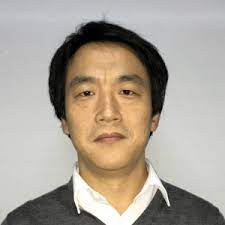
Institute of Statistical Mathematics, Graduate University for Advanced Studies, Japan;Jiancang Zhuang is a Professor at the Institute of Statistical Mathematics, Japan, and the Department of Statistical Science, SOKENDAI. His research focuses on statistical seismology, stochastic point processes, earthquake forecasting, and statistical inference, including the development and application of epidemic-type aftershock sequence (ETAS) models, Hawkes processes, and methods for analyzing earthquake clustering and predictability. He is actively involved in interdisciplinary research connecting statistical methodology with geophysical applications and serves as an editor and reviewer for international scientific journals.
Bucharest
Located in southeastern Romania on the banks of the Dâmbovița River, Bucharest has a history that dates back to the 15th century, when it served as a residence of Vlad the Impaler. Over time, it grew into an important cultural and economic center of the region. The 19th and early 20th centuries brought significant development, shaping the city with wide boulevards, neoclassical buildings, and French-inspired urban planning.
In recent years, Bucharest has become increasingly popular among tourists for its affordability, energetic atmosphere, and mix of old and new. Visitors can enjoy traditional Romanian cuisine, modern dining experiences, and a growing creative scene.
The city is relatively easy to explore, with a metro system, buses, and ride-sharing services available. While some areas are best discovered on foot—especially the Old Town—public transport makes it convenient to reach attractions across the city.
For visitors, Bucharest offers a unique experience: a place where history, culture, and modern life intersect, creating a dynamic and memorable destination in Eastern Europe.

Beware of Unauthorized Registration and Hotel Solicitations
Note that Sciforum is the only official registration platform to register to ICMTMS 2027 and that we are not associated with any hotel agency (other than those listed above). While other hotel resellers and travel agencies may contact you with offers for your trip, they are not endorsed by or affiliated with ICMTMS 2027 or Sciforum. Beware that entering into financial agreements with non-endorsed companies can have costly consequences.
Mr. Răzvan Grosu
Ms. Alethea Liu
Ms. Rebecca Xue
Dr. Alina-Andrada Igna
Email: icmtms@mdpi.com
For inquiries regarding submissions and sponsorship opportunities, please feel free to contact us.