The 2nd International Electronic Conference on Biosensors
IECB 2022 has now come to a close!
the chairs
Dear Colleagues,
It is our pleasure to invite you to join the 2nd International Electronic Conference on Biosensors (IECB) that will be hosted online at Sciforum from 14 to 18 February 2022.
Biosensors have currently a very wide range of applications, due to their simplicity, low cost and precision, that aim at improving the quality of life. This range covers their use for environmental monitoring, disease detection, food safety, defense, drug discovery and many more.
The scope of this online conference is to get together well-known experts worldwide who are currently working in biosensors and to provide an online forum for sharing and exchanging knowledge.
Particular attention will be given to young scientists approaching the world of biosensors by dedicating a conference session to them.
Throughout this event, we aim to cover topics including, but not limited to:
- Technologies for Innovative Biosensors
- Implantable and Wearable Biosensors
- The Role of Biological and Chemical Recognition Elements
- Microfluidics for Biosensing and Lab-on-a-chip Systems
- Biosensors in POCT
- Bionanotechnology and Nanomaterials for Biosensing
- Advanced Applications for Health, Environment, Food and Cultural Heritage
- Biosensors in Green Chemistry/Technologies
We hope you will join us and present your work at IECB to be part of this stimulating online experience.
Kind regards,
Giovanna Marrazza and Sara Tombelli
Meet Our Chairs
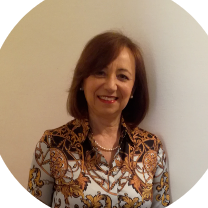
Department of Chemistry “Ugo Schiff”, University of Florence, via della Lastruccia 3, 50019 Sesto Fiorentino, (Fi), Italy;Dr. Giovanna Marrazza is the Editor-in-Chief of Biosensors, an open access journal devoted to studies related to the science and technology of biosensors and biosensing. Dr. Giovanna Marrazza has served as Associate Professor in Analytical Chemistry at Department of Chemistry “Ugo Schiff” of the University of Florence since 2001 and is currently President of the study course for the Chemistry degree at this University. She is a distinguished Visiting Professor at the Faculty of Pharmacy “Iuliu Haţieganu” University of Medicine & Pharmacy, Cluj-Napoca (Romania) and member of the steering board of Italian Sensors and Microsystems Group (AISEM). Marrazza’s research focuses on electrochemical, piezoelectric, and optical nano(bio)sensors based on enzymes, antibodies, bacteria, DNA, molecularly imprinted polymers, and aptamers. Her research is focused on new biosensing principles containing nanomaterials and modified interfaces, design procedures suitable for biosensor devices as flow injection analysis, microflow systems, thick-film technology, and nanodispensing technologies. She has co-authored more than 130 papers in leading international journals in addition to numerous book chapters.
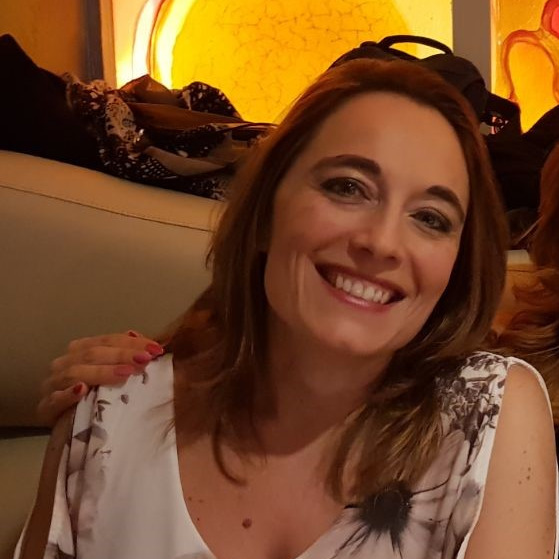
Istituto di Fisica Applicata Nello Carrara, Consiglio Nazionale delle Ricerche (CNR), Via Madonna del PIano 10, 50019 Sesto Fiorentino, Italy;Tombelli, Sara graduated in Chemistry at the University of Florence, Italy, in 1996. She received the PhD in Environmental Sciences with full marks in 2001 at the Department of Chemistry (Florence, Italy). She is now senior researcher at the Institute of Applied Physics (IFAC-CNR) in Florence, Italy. Her research activity is focused on analytical chemistry, biosensor development and surface modifications with bio-molecules, such as antibodies, enzymes, aptamers and nucleic acid probes. She has also experience in intracellular nanosensors and nanoparticle manipulation. On the above topics she has contributed more than 130 publications on international refereed journals, books and conference proceedings (H-index=36, Scopus). She participated in several European Projects (Nanodem, Hemospec, Careman, Gapogrowth) and in other national and international projects. She is now research unit scientific leader in the national project PRIN “Development of novel DNA-based analytical platforms for the rapid, point-of-use quantification of multiple hidden allergens in food samples”. She has been reviewer and referee for the evaluation of international projects such as proposals under the ERC Ideas Specific Programme and the FET programme. She received the National Scientific Habilitation (ASN) as full and associate professor in Analytical Chemistry (Italian Ministry for Research).
Important Dates
30 Nov
2021
20 Dec
2021
20 Jan
2022
Meet Our Speakers
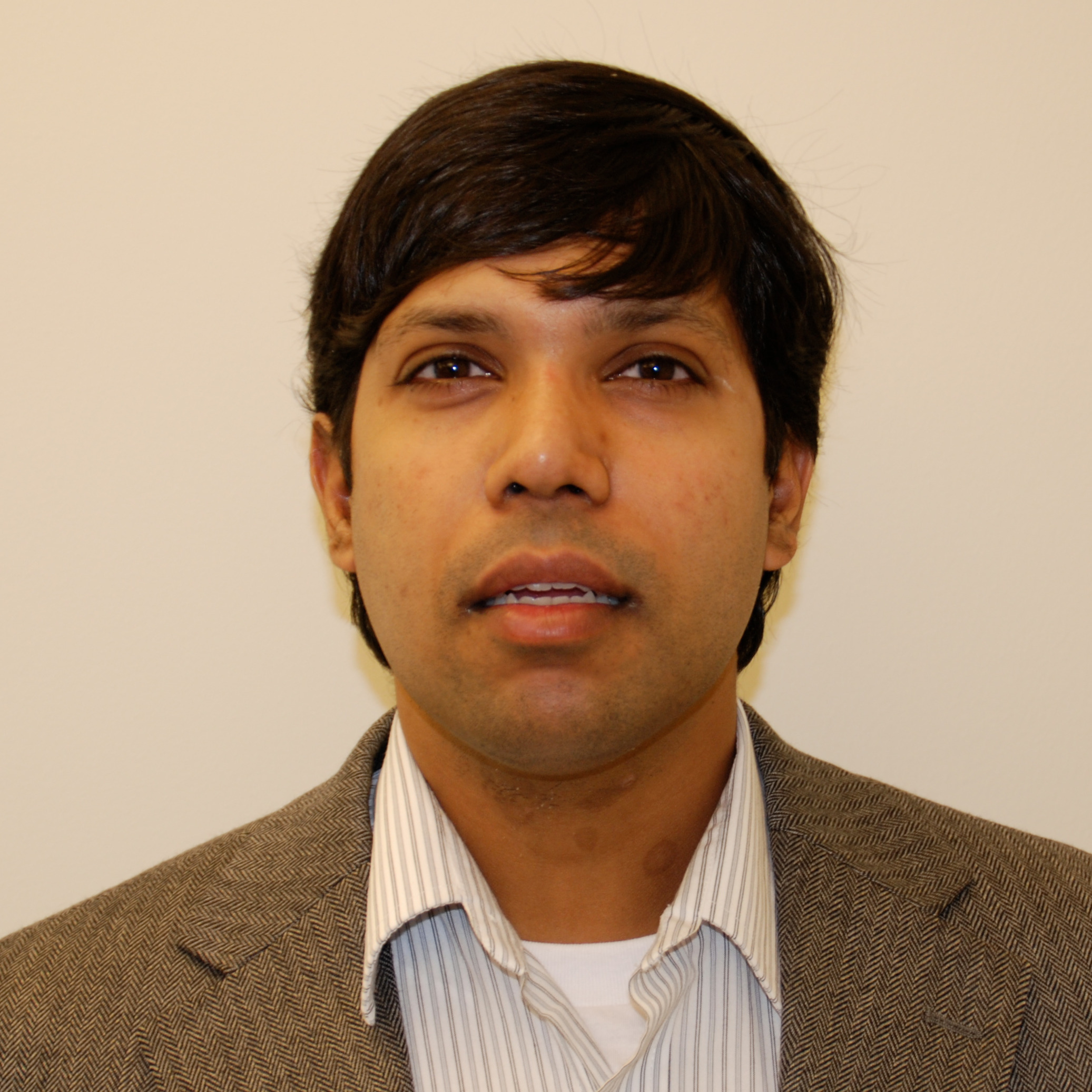
Joint UNC/NCSU Department of Biomedical Engineering, North Carolina State University, Raleigh, NC 27695, USA;Dr. Roger Narayan is a Distinguished Professor in the Joint Department of Biomedical Engineering at the University of North Carolina and North Carolina State University. He is an author of over two hundred publications as well as several book chapters on processing of biomedical materials. He currently serves as an editorial board member for several academic journals, including as associate editor of Applied Physics Reviews (AIP Publishing). Dr. Narayan has also edited several books, including the textbook Biomedical Materials, Second Edition (Springer), the handbook Materials for Medical Devices (ASM International), and the Encyclopedia of Biomedical Engineering (Elsevier). He has previously served as director of the TMS Functional Materials Division, the ASM International Emerging Technologies Awareness Committee, and the American Ceramic Society Bioceramics Division. As the 2016-7 ASME Swanson Fellow, Dr. Narayan worked with America Makes, the US national additive manufacturing institute, on several activities to disseminate additive manufacturing technology, including the development of an workforce/education/outreach roadmap for additive manufacturing, and the development of a repository containing educational materials related to additive manufacturing. Dr. Narayan has received several honors for his research activities, including the NCSU Alcoa Foundation Engineering Research Achievement Award, the University of North Carolina Jefferson-Pilot Fellowship in Academic Medicine, the National Science Faculty Early Career Development Award, the Office of Naval Research Young Investigator Award, and the American Ceramic Society Richard M. Fulrath Award. He has been elected as Fellow of AAAS, ASME, ASM International, AIMBE, and American Ceramic Society.
University of Naples Federico II Department of Pharmacy, Napoli, Italy;https://uninanobiosensors.com/people/
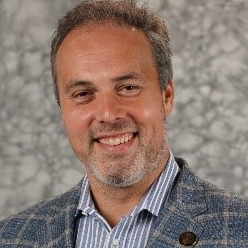
School of Electrical and Computer Engineering, Georgia Institute of Technology, Atlanta, GA 30332, USA;Omer Inan is the Linda J. and Mark C. Smith Chair in Bioscience and Bioengineering, Associate Professor of Electrical and Computer Engineering, and Adjunct Associate Professor of Biomedical Engineering at Georgia Tech. He received his BS, MS, and PhD in Electrical Engineering from Stanford in 2004, 2005, and 2009, respectively. From 2009-2013, he was the Chief Engineer at Countryman Associates, Inc., a professional audio manufacturer of miniature microphones and high-end audio products for Broadway theaters, theme parks, and broadcast networks. His research focuses on non-invasive physiological sensing and modulation for human health and performance, and is funded by DARPA, NSF, ONR, NIH, CDC, and industry. He has published more than 250 technical articles in peer-reviewed international journals and conferences, and has nine issued patents. He has received several major awards for his research including the NSF CAREER award, the ONR Young Investigator award, and the IEEE Sensors Council Early Career award. He also received an Academy Award for Technical Achievement from The Academy of Motion Picture Arts and Sciences (The Oscars). While at Stanford as an undergraduate, he was the school record holder and a three-time NCAA All-American in the discus throw.
Department of Chemistry “Giacomo Ciamician”, University of Bologna, 40126 Bologna, Italy;
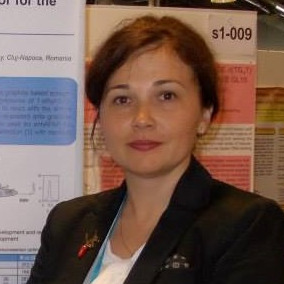
Analytical Chemistry Department, Faculty of Pharmacy, "Iuliu Haţieganu" University of Medicine and Pharmacy 4, Louis Pasteur St., Cluj-Napoca, 400349 Cluj, Romania;Dr. Cecilia Cristea is full professor of Analytical Chemistry in the Faculty of Pharmacy of the "Iuliu Hatieganu" University of Medicine and Pharmacy Cluj-Napoca, Romania. She also graduated the Faculty of Chemistry from Babes-Bolyai University Cluj-Napoca. After receiving her PhD in Chemistry from Rennes 1 University, France and Babes-Bolyai University Cluj-Napoca, Romania and her post doctoral research stays in Sherbrook University, Canada, her main field of interest changed from organic electrosynthesis to electrochemical and optical biosensors, screen printed electrodes design, immuno and aptasensors development for pharmaceutical and biomedical analysis, molecularly imprinted polymers based sensors, wearable sensors, targeted drug delivery by electrodriven techniques, hyphenated techniques.
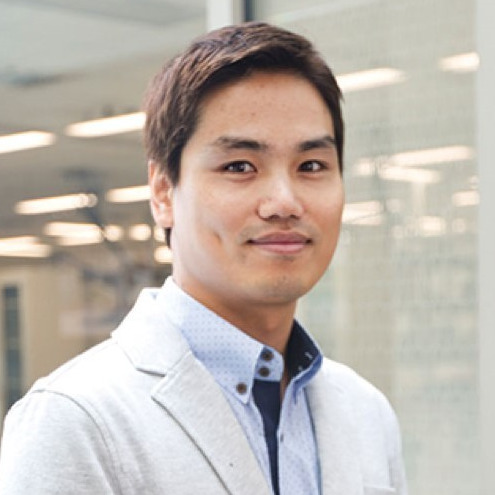
George W. Woodruff School of Mechanical Engineering and Wallace Coulter Department of Biomedical Engineering, Georgia Institute of Technology, Atlanta, GA 30332, USA;Dr. Yeo is a Woodruff Faculty Fellow, Associate Professor in the Mechanical Engineering and Biomedical Engineering, and the Director of the Center for Human-Centric Interfaces and Engineering at Georgia Institute of Technology. His research focuses on the areas of nano-/microengineering, advanced soft materials, molecular interactions, and bio-electromechanical systems, with an emphasis on stretchable hybrid electronics. Dr. Yeo received his PhD in mechanical engineering at the University of Washington, Seattle in 2011. From 2011-2013, he worked as a postdoctoral research fellow at the University of Illinois at Urbana-Champaign. Dr. Yeo has published over 100 peer-reviewed articles, including many in top-quality journals, including Nature Machine Intelligence, Nature Materials, Nature Communications, and Science Advances. Dr. Yeo is an IEEE Senior Member and a recipient of a number of awards, including the IEEE Outstanding Engineer Award, Imlay Innovation Award, Lucy G. Moses Lectureship Award - Icahn School of Medicine at Mount Sinai, Sensors Young Investigator Award, American Heart Association Innovative Project Award, and Outstanding Yonsei Scholar Award.
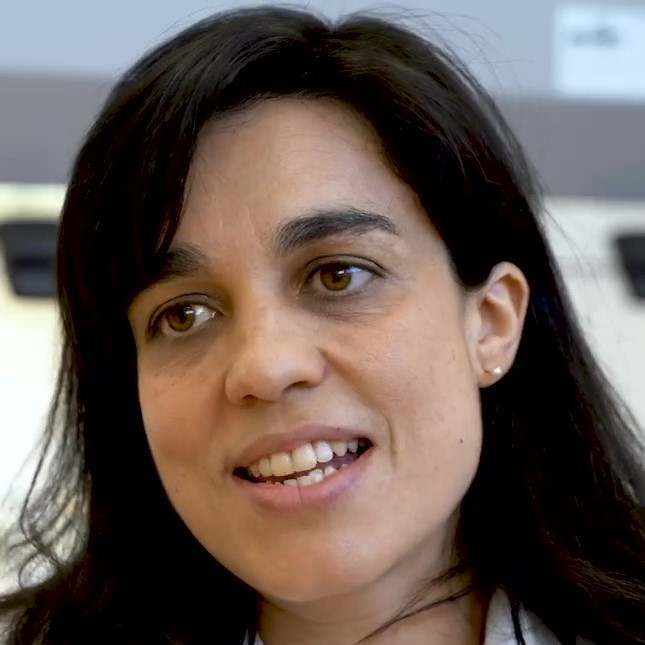
Department of Nursing and Physiotherapy, University of León, León, Spain;Elba Mauriz graduated in Nursing and Environmental Sciences at the University of León, Spain. She received the Ph.D. in 2006 with the cum laude mention for her research at the Institute of Micro and Nanotechnology (Madrid, Spain). She is serving as Assistant Professor at Department of Nursing and Physiotherapy of the University of León since 2016. Her research interests include the development of analytical biosensing applications for the early detection of analytes related to medical diagnosis and food safety such as pathogens, toxins and drugs at the Institute of Food Science and Technology (University of León, Spain). She is currently working on the analytical characterization of biomolecular interactions using different types of recognition elements (antibodies, aptamers, living cells). She is the author of more than 40 international scientific contributions in peer-reviewed international journals, conference proceedings and book chapters (1060 citations; h-index=16, 17 Sept. Scopus). She has participated in R&D&I projects funded in competitive tenders by public or private bodies (5 of them from European Union funding programs) and several R&D&I contracts, agreements or projects with companies. She has acted as a reviewer in more than 30 different international journals and research funding agencies. She is Associate Editor of several International Journals and has also served as Guest Editor of several Special Issues.
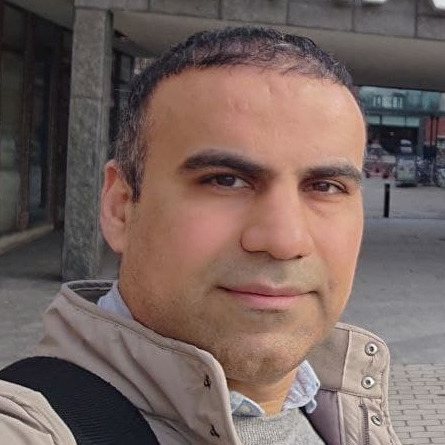
Department of Chemistry and Molecular Biology, University of Gothenburg, Kemivägen 10, 41296 Gothenburg, Sweden;Amir Hatami, senior researcher at department of chemistry and molecular biology university of Gothenburg, Gothenburg-Sweden. He graduated in analytical chemistry in 2014 from University of Shahid Chamran, Iran. Then, He joined the Nanotechnology group-sharif university-Iran, after that, he was awarded the Wallenburg Fellowship-Sweden in 2017-2019 and the now Mari-curie fellowship grant- 2020 at Gothenburg university-Sweden in Prof. Andrew Ewing group. The research interests are in nanosensor materials, Nano-micro-macro-scales sensors, nanomaterials. He is author of 33 scientific publications and 5 review papers, 2 invited speaker, 1 book-chapters, co-organizer of 2 scientific meetings, a guest editor of Biosensors journal, member of international scientific societies (Swedish Chemical Society, International Electrochemical Society (ISE), Iranian Society of Chemistry).
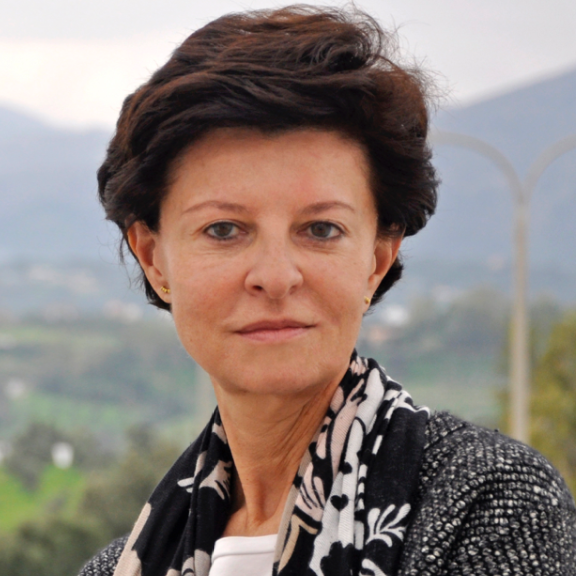
Institute of Molecular Biology and Biotechnology-FORTH, 70013 Heraklion, Greece;Electra Gizeli has a B.Sc. degree in Chemistry from the National and Kapodistrian University of Athens, Greece, M.Sc. from University College London, U.K. and Ph.D. from the Institute of Biotechnology, University of Cambridge, U.K. In 1995 she received a BBSRC Junior Research Fellowship and established her group on Acoustic Biosensors at the Univ. of Cambridge. Since 2003 she has been at the Univ. of Crete, Dept. of Biology, Greece where, currently, she is a Full Professor and an Affiliated Researcher at the Institute of Molecular Biology and Biotechnology, FORTH. She is the author/co-author of over 85 publications in peer-reviewed journals, 4 book chapters, 2 edited volumes and 4 patents. She is internationally recognized for her work on acoustic biosensors; lab-on-chip platforms for food-borne pathogens detection and development of molecular biology tools for the point-of-care. Her group is innovation-driven, with several International recognitions on Innovative research. The successful translation of lab-based research findings to real-world application has led to the creation of two spin off companies, one of which is already in the market. She has been the coordinator of 5 EU-funded grants, 2 HFSP and several national ones. Overall, she has attracted a total funding of >20M€ (7.3Μ€ for her lab). Prestigious international awards and honours include the Leviner Distinguished Visiting Fellowship, the Nokia Open Innovation Challenge Award and an Adjunct Professorship at Marquette University, USA. Since 2016 she is a Fellow of the Royal Society of Chemistry. Research keywords Biosensors (acoustic and optical); integrated analysis; lab-on-chip; acoustic detection of ctDNA; Liquid Biopsy; molecular diagnostic platforms at the point-of-care; SARS-CoV-2 /Influenza detection

Department of Electrical and Electronic Engineering, The University of Melbourne, Parkville, VIC - 3010, Australia;Marimuthu Palaniswami is a Fellow of IEEE and a Distinguished Lecturer of the IEEE Computational Intelligence Society. He serves as the Professor of Electrical Engineering and Director/Convener of a large ARC Research Network on Intelligent Sensors, Sensor Networks and Information Processing (ISSNIP) at the University of Melbourne with about 100 researchers on various interdisciplinary projects. He received his PhD from the University of Newcastle, Australia, before joining the University of Melbourne. Previously, he was a Co-Director of the Centre of Expertise on Networked Decision & Sensor Systems. He served on various international boards and advisory committees, including a panel member for National Science Foundation (NSF). He has published more than 550 refereed journal and conference papers, including three books, ten edited volumes. The Ministry of Education, Japan, awarded him a Foreign Specialist Award in recognition of his contributions to Machine Learning and communications. He received the University of Melbourne Knowledge Transfer Excellence Award and Commendation Awards. He served as an associate editor for Journals/transactions, including IEEE Transactions on Neural Networks, Computational Intelligence for Finance. He is editor of the Journal of Medical, Biological Engineering and Computing and the Subject Editor for the International Journal on Distributed Sensor Networks. Through his research, he supported various start-ups, local and international companies. As an international investigator, he actively participated in FP6, FP7 and H2020 initiatives in smart cities and the Internet of Things (IoT). He founded the IEEE international conference series on Intelligent Sensors, Sensor Networks, and Information Processing (ISSNIP) to enhance outreach and research capacity. He served as General Chair for over 15 IEEE and IEEE sponsored Conferences. He has given several keynotes/plenary talks in sensor networks, IoT and machine learning. His research interests include Smart Sensors and Sensor Networks, Machine Learning, IoT and Biome
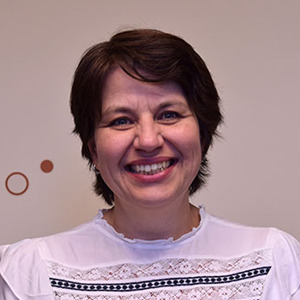
Immunoassay/Immunosensors Lab, Institute of Nuclear and Radiological Sciences and Technology, Energy and Safety, NCSR “Demokritos”, 15310 Aghia Paraskevi, Greece;Panagiota Petrou obtained her B.Sc. and Ph.D. in Chemistry both from the University of Athens in 1993 and 2000, respectively. From 2000 to 2001 she was a Post-doctoral fellow in the Institute of Microsystems Technology of Albert-Ludwig University at Freiburg, where she worked on the development of microsystems embodying electrochemical enzyme sensors for continuous analyte monitoring. At the end of 2002, she joined the Institute of Radioisotopes and Radiodiagnostic Products, NCSR “Demokritos” (currently Institute of Nuclear & Radiological Science & Technology, Energy & Safety - INRASTES), where she holds a Director of Research position since 2014 on development of nano/microsystems for bioanalytical applications. Her research activities include the design and development of: a) optical sensors and their application in healthcare, environmental monitoring and food safety sectors, b) advanced bioanalytical microsystems based on optical or electrochemical sensors able for multi-analyte determinations, c) protein and DNA arrays, d) methods for surface chemical modification and biofunctionalization, new solid supports for selective immobilization of proteins and/or cells. She has participated in several EU (BIOMIC/IST-2000-28214, MICROPROTEIN/G5RD-CT-202-00744, TASNANO/FP6-NMP-516865, NEMOSLAB/FP6-ICT-2006-027804, PYTHIA/FP7-ICT-2007-2-224030, FOODSNIFFER/FP7-ICT-2011-8-318319, FOODSCAN FP7-SME/286442) and GSRT funded projects related mainly to the development of microsystems for the simultaneous determination of clinical, environmental or food-safety related analytes based on optical biosensors. She is the author/co-author of 120 papers published in international peer-reviewed journals and of more than 200 conference communications. She holds 25 Greek and international patents.
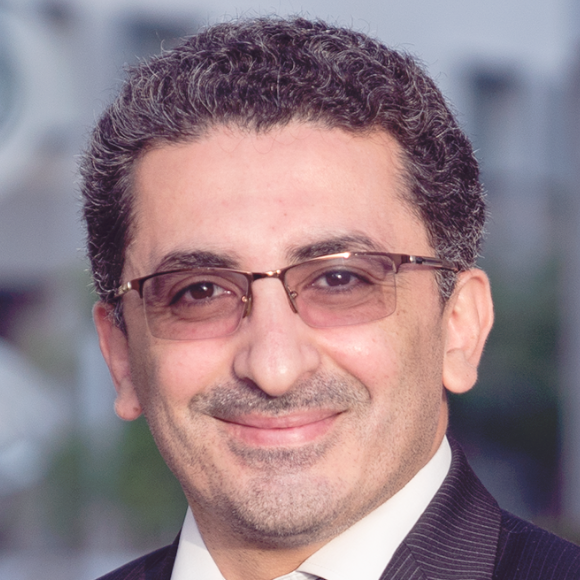
Department of Mechanical and Aerospace Engineering, New York University, Brooklyn, NY, 11201 USA;Dr. Qasaimeh is an Associate Professor of Mechanical and Biomedical Engineering at New York University Abu Dhabi (NYUAD), Abu Dhabi, UAE, and with the Department of Mechanical and Aerospace Engineering and the Department of Biomedical Engineering at New York University (NYU), New York, USA. He established the Advanced Microfluidics and Microdevices Laboratory (AMMLab) in 2014, and his current research interests include developing microfluidic and MEMS devices for point-of-care diagnostics. Recently, Dr. Qasaimeh was awarded the Technology Innovation Pioneers (TIP) Award during the TIP 2020 Summit. Prior to joining NYUAD, he was a Postdoctoral Research Associate at Massachusetts Institute of Technology and a Research Fellow at Harvard Medical School. Dr. Qasaimeh completed his PhD degree in Biomedical Engineering from McGill University, Montreal, where he received several prestigious fellowships and awards including the NSERC Postdoctoral Fellowship and the Alexander Graham Bell Graduate Scholarship. Dr. Qasaimeh’s research has been published in numerous peer-reviewed journals including Nature Communications, Small, Advanced Materials Technologies, and Lab on a Chip, and he delivered more than 33 keynote and invited lectures at national and international conferences. Dr. Qasaimeh is actively involved in organizing several local and international conferences, and currently serving as a Co-Chair at the NYU Biomedical and Biosystems Conference series and the Program Chair of the International Conference on Manipulation, Automation and Robotics at Small Scales (MARSS). Dr. Qasaimeh is serving as an Associate Editor with the IEEE Nanotechnology Magazine, a Topic Editor with the journal Biosensors, a Review Editor with the journal Frontiers in Bioengineering and Biotechnology, and an Editorial Board Member of Scientific Reports at the Nature Publishing Group.



We are pleased to announce the winners of the Best Paper and Best Poster Award.
The Best Paper Award has been granted to:
Fast and accurate determination of minute Ochratoxin A levels in flours: towards the application at the field
https://sciforum.net/paper/view/12270
Chrysoula-Evangelia Karachaliou, Georgios Koukouvinos, Katerina Pissaridi, Dimitris Ladikos, Dimitris Goustouridis, Ioannis Raptis, Evangelia Livaniou, Sotirios Kakabakos, Panagiota Petrou
The Best Poster Award has been granted to:
Biosensor for Electrochemical Detection of Amphetamine in Street Samples Using an innovative nanoMIPs-based Sensor
https://sciforum.net/paper/view/12280
Florina Truta, Mihaela Tertis, Alvaro Garcia Cruz, Cecilia Cristea, Elena Piletska, Sergey Piletsky, Karolien De Wael
Each contribution will receive 500 CHF, We would like to congratulate the winners on their accomplishments.
Welcome! You are invited to join in IECB 2022 | Live Session.
It is totally free to attend. You only need to register for the live session you want to join in. Registrations with academic institutional email addresses will be prioritized. After registering, you will receive a confirmation email about joining the webinar. The number of participants to the live session is limited but the recording will be made available on Sciforum shortly afterwards.
- One session is on 17 February 2022 at CET 3:00pm . You register by clicking the button:

- The other is on 18 February 2022 at CET 3:00pm. You register by clicking this button:

Live Session 1
Live Session 2
Ms. Vena Luo
MDPI Branch Office, Wuhan
E-Mail: iecb2022@mdpi.com
Ms. Gem Yao
MDPI Branch Office, Beijing
E-Mail: iecb2022@mdpi.com
Sponsoring Opportunities
For information regarding sponsoring opportunities, please contact the conference secretariat.