 |
Prof. Dr. Karlene A. Cimprich Invited Talk: |
|
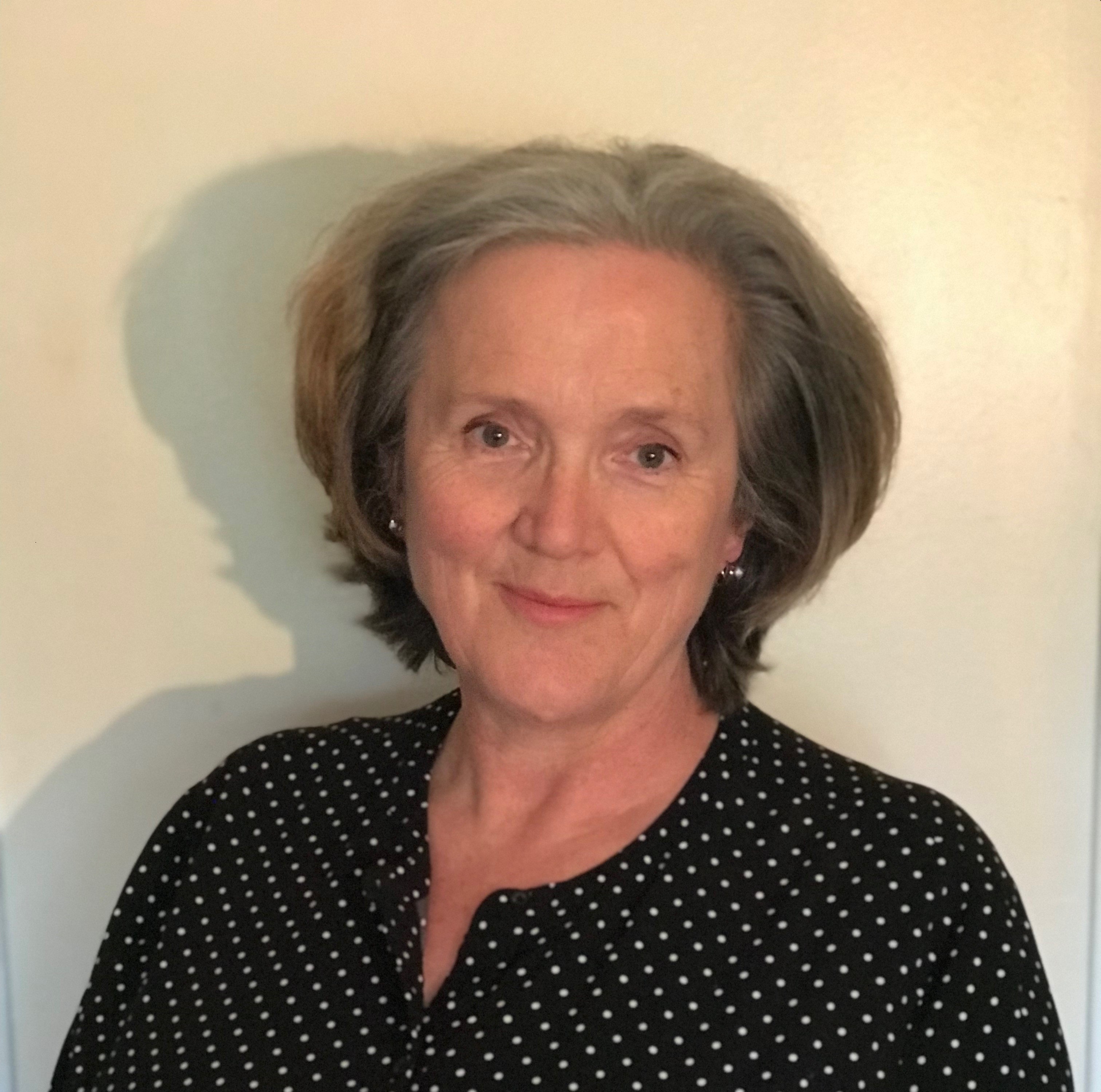
Karlene Cimprich is a Professor at Stanford University in the Department of Chemical and Systems Biology. She is particularly interested in how cells maintain genomic stability during DNA replication. Her lab studies replication stress signalling by the checkpoint kinase ATR, which she cloned as a postdoctoral fellow, and DNA damage tolerance pathways, which help to suppress replication stress. Her lab also studies R-loops and the mechanisms by which they cause DNA damage, interfere with replication, and induce genome instability. Dr. Cimprich serves on several Editorial Boards, has organized a number of international meetings, and is a recipient of numerous awards. She is also an AAAS fellow and an American Cancer Society Research Professor. |
|
|
|
Dr. Susan Lees-Miller Department of Biochemistry and Molecular Biology, Robson DNA Science Centre, Arnie Charbonneau Cancer Institute, University of Calgary, Calgary, Alberta, Canada |
|
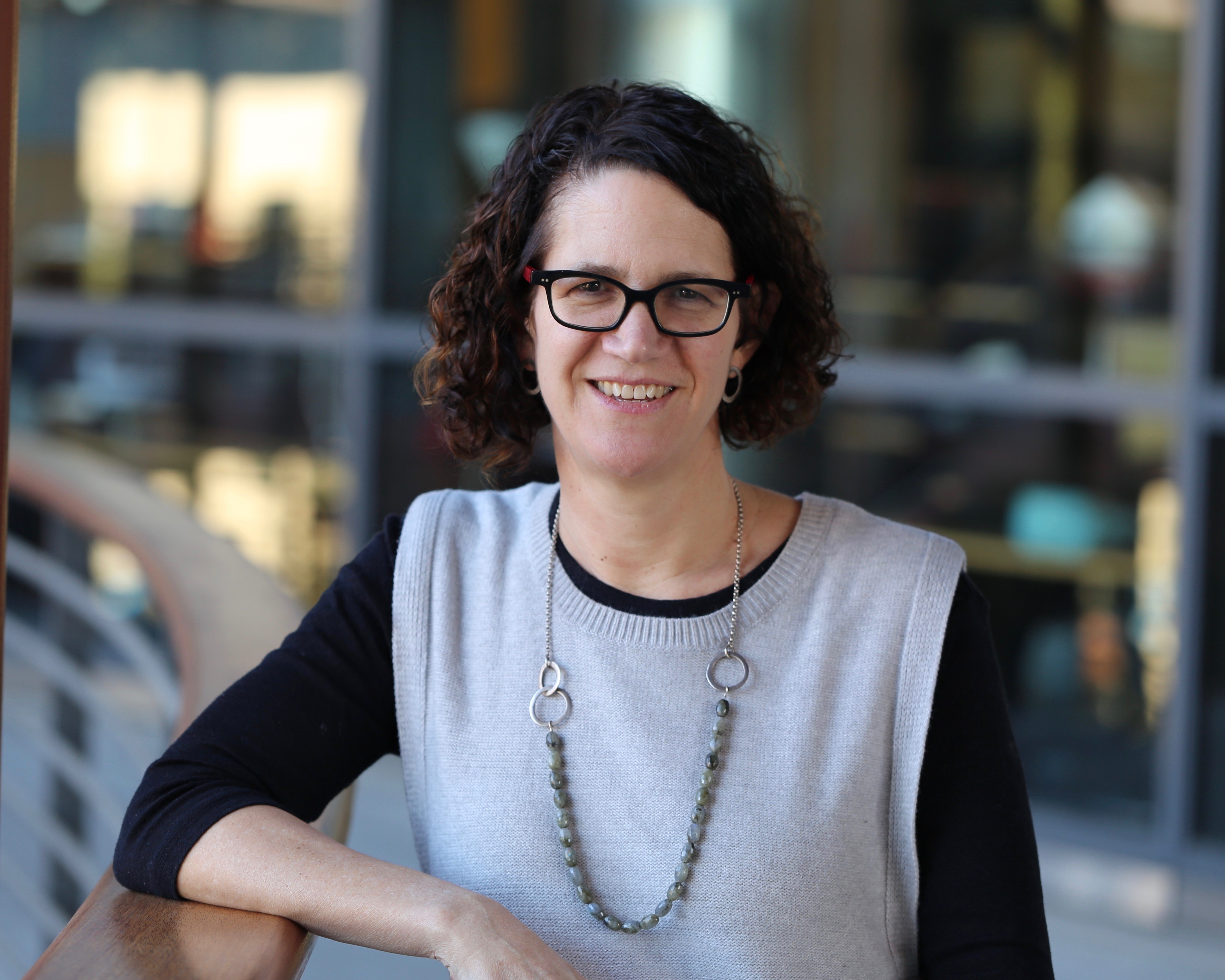
Dr. Lees-Miller received her PhD from the University of Wales in the UK, then had a postdoctoral fellowship at the University of Alberta in Canada and at Brookhaven National Laboratory in NY, USA. In 1992 she returned to Canada to take up a Faculty position at the University of Calgary. From 2003 to 2018 Dr. Lees-Miller held the Engineered Air Chair in Cancer Research and until 2020 was head of the Robson DNA Science Centre at the University of Calgary. Her research focusses on the role of the phosphatidylinositol-3 kinase-like protein kinases DNA-dependent protein kinase catalytic subunit (DNA-PKcs) and Ataxia-Telangiectasia Mutated (ATM) in the DNA damage response. She has published over 180 peer-reviewed articles that have been cited over 20,000 times. In 2011, Dr. Lees-Miller was elected to the Royal Society of Canada in recognition of her work on the DNA damage response. |
|
|
|
Dr. Sarah-Anne Martin Centre for Molecular Oncology, Barts Cancer Institute, Queen Mary University of London, Charterhouse Square, London, UK |
|
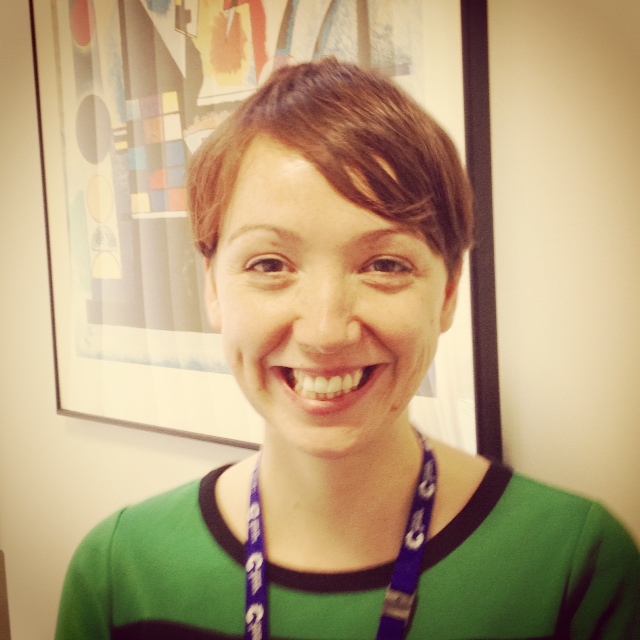
Sarah Martin is a Reader in Cancer Cell Biology from Queen Mary University of London, where her research is largely focused on investigating the role of the DNA mismatch repair (MMR) pathway in tumourigenesis and how loss of this pathway can be therapeutically targeted. Her recent focus has been on investigating the role of MMR loss and its influence on mitochondrial metabolism, and how this may impact disease progression and treatment. |
|
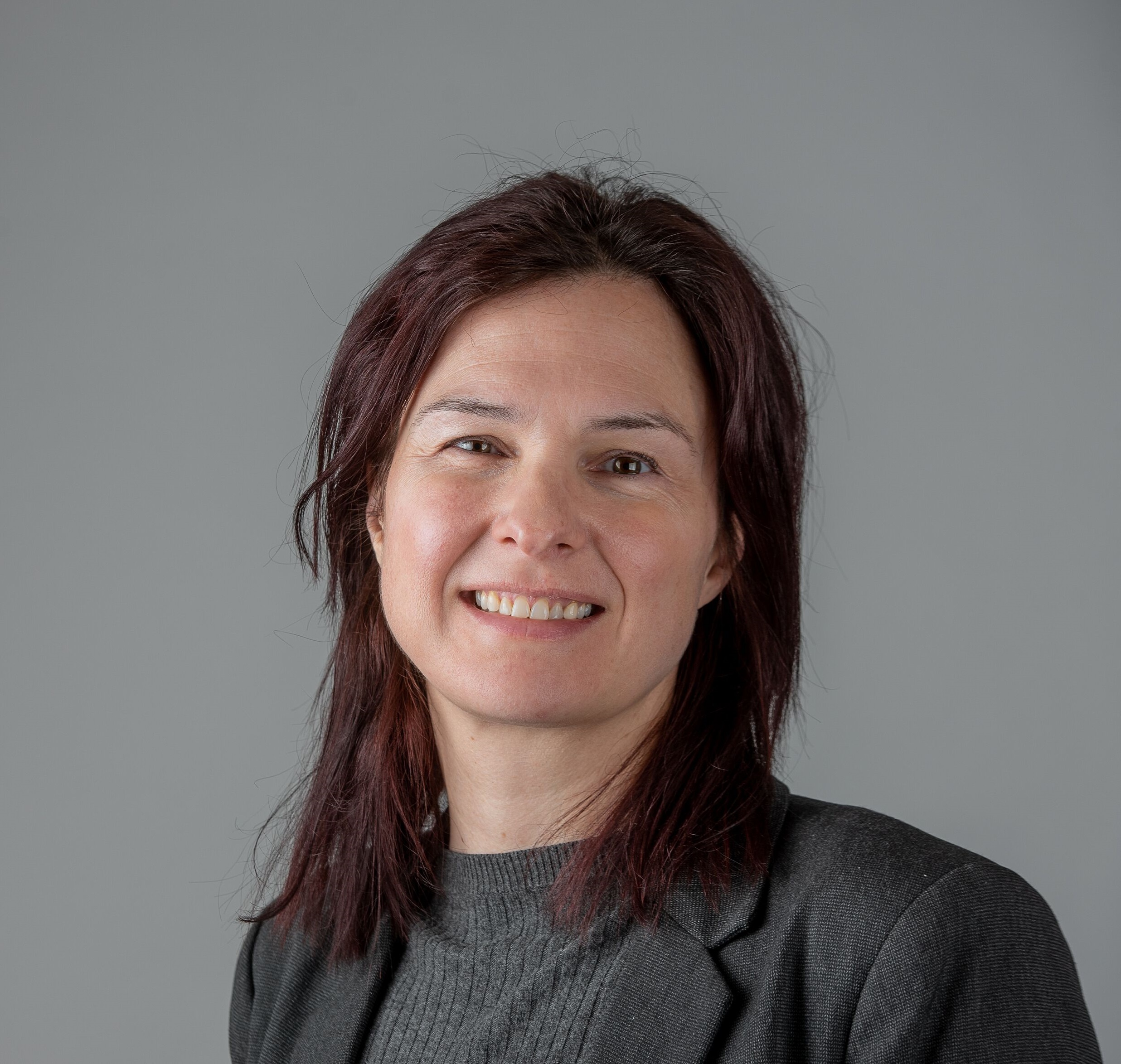 |
Prof. Dr. Jo Morris School of Education, Department of STEM Education, Physics Birmingham Centre for Genome Biology, Institute of Cancer and Genomic Sciences, Medical and Dental Schools, University of Birmingham, Birmingham, UK Invited Talk |
|
Jo is interested in the Ubiquitin and SUMO and other post-translation systems and how they relate to the regulation of mammalian DNA repair and DNA replication. This includes how the BRCA1 ubiquitin ligase contributes to 53BP1 placement in DNA repair, how deSUMOylation regulates DNA repair timing through MDC1 regulation, and how proline isomerisation regulates replication fork protection through altering RAD51 interactions. |
|
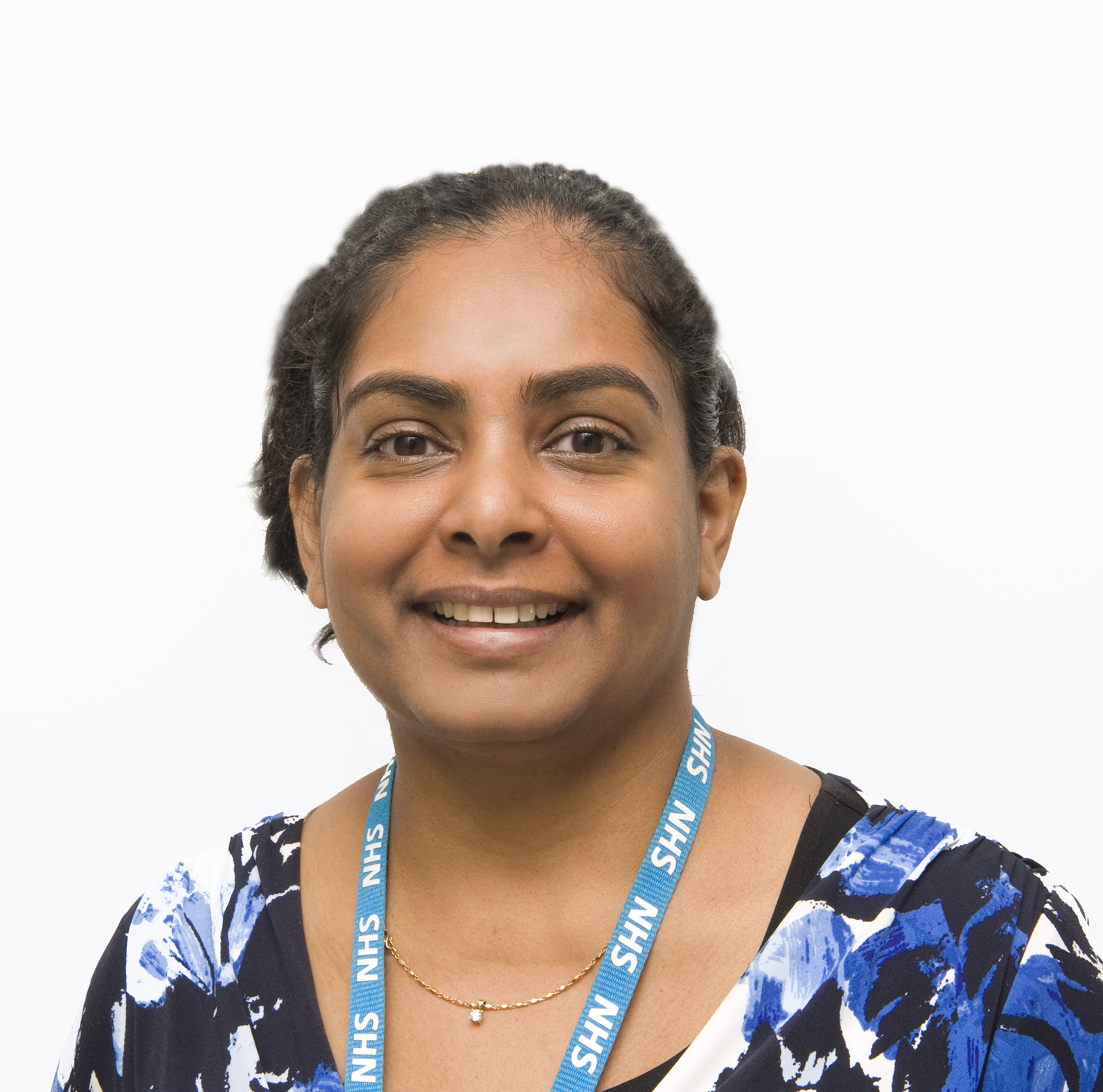 |
Dr. Juanita Suzanne Lopez Phase I Drug Development Unit, The Royal Marsden Hospital and The Institute of Cancer Research, Sutton, UK Invited Talk |
| Dr Juanita Lopez is a Consultant Medical Oncologist at the Phase I Drug Development Unit at the Royal Marsden and the Institute of Cancer Research, specialising in early phase translational drug development and the treatment of patients with brain tumours. Dr Lopez graduated from the University of Cambridge with a double first class in 2001, obtaining numerous prizes and completing an intercalated laboratory research year in development neurosciences. She then completed her general medical training in London, and was awarded the MRCP in 2004. She was awarded a four year Clinical Research Training Fellowship from Avon-Breakthrough Breast Cancer to carry out laboratory research at the ICR, which led to the award of a PhD. Her main research interests lie in understanding the interplay between inflammation, immune responses and cancer, and rationally developing novel treatments and combinations. She has served as UKCI for a number of early phase clinical trials including first-in-human trials, as well as several for brain tumours. | |
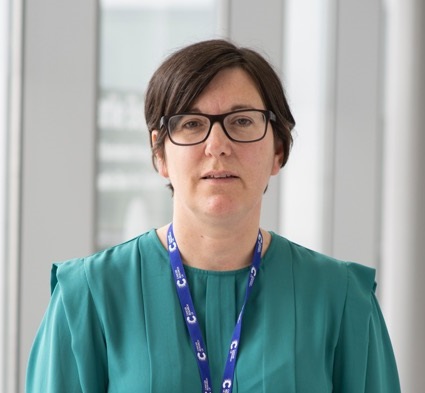 |
Dr. Yvette Drew Northern Institute for Cancer Research, Newcastle University, Newcastle, UK
|
|
Dr Yvette Drew is a Clinical Senior Lecturer and Honorary Consultant in Medical Oncology in at the Northern Centre for Cancer Care (NCCC) and the Clinical and Translational Research Institute, Newcastle University. She undertook specialist medical oncology training at the Beatson West of Scotland Cancer Centre, Glasgow and the NCCC. During this time she was awarded a CRUK-funded PhD fellowship investigating the role of PARP inhibitors in homologous-recombination-deficient ovarian cancer. During her PhD she won a Merit award for her research from the American Society of Clinical Oncology (ASCO) and was awarded the Medical Sciences Doctoral Prize (Newcastle University, 2013). She has played a key role in both the pre-clinical and clinical development of PARP inhibitors in ovarian cancer. Her current post is split between the systemic management of gynaecological cancers and the development of novel therapies through early phase clinical trials. Dr Drew is deputy lead for the Newcastle Experimental Cancer Medicines Centre for early phase clinical trials delivery, a member of both the NCRI Ovarian and Endometrial clinical studies sub-groups and PI and national CI on a number of endometrial and ovarian cancer trials. Research interests lie in targeting DNA repair pathways as treatment for cancer. |
|