 |
Dr. Francesco Iorio Computational Biology Research Centre of Human Technopole Short Bio Francesco Iorio is a Research Group leader in the Computational Biology Research Centre of Human Technopole (the life science institute in Milan, Italy). His group works at the interface of biology, machine learning, statistics and information theory to understand and predict how genomic alterations and molecular traits from other omics contribute to pathological processes, biological circuits’ rewiring and impact therapeutic responses in human cancers and other diseases. Their research aims to advance human health by designing algorithms, computational tools and novel analytical methods for integrating and analysing pharmacogenomics and functional-genomics datasets to identify new therapeutic targets, biomarkers and drug repositioning opportunities. The Iorio Group is contributing to creating a comprehensive map of all the genetic dependencies in human cancers and developing a computational infrastructure for translating this map into guidelines for early-stage drug development and precision medicine. They design, implement and maintain bioinformatics methods and original tools for the assessment of cancer pre-clinical models, the pre-processing, analysis and visualisation of genome-editing screening data for the in-silico correction of new-technology-specific biases in such data, and the optimisation of single guide RNA libraries for pooled CRISPR-Cas9 screens and other experimental settings. They are also interested in big-data analytics, developing biomedical predictive models based on non-biomedical data, and computationally efficient constrained randomisation strategies for testing combinatorial properties in large-scale genomic datasets and networks. |
 |
Dr. Travert Hart Short Bio Within the framework of these overarching goals, a wide array of tutorial projects are possible. Computational projects could include reanalysis of existing data to improve our ability to detect gene-gene and gene-drug interactions, enhancing the BAGEL algorithm to include other molecular data such as gene expression and copy number, or helping evolve BAGEL from a gene-centric to a pathway-centric model. Experimental tutorials could involve any aspect of a CRISPR genomic screen, from lentiviral library construction to large-scale tissue culture, screening, and sequencing, and ultimately to validation and characterization of specific targets using small molecule inhibitors, automated microscopy, and other proteomic and phenotypic assays. |
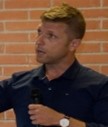 |
Dr. Andrea Morandi Short Bio |
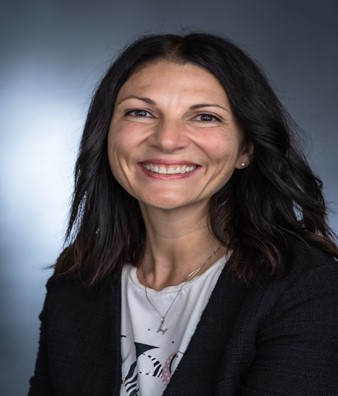 |
Dr. Mariateresa Fulciniti Short Bio |
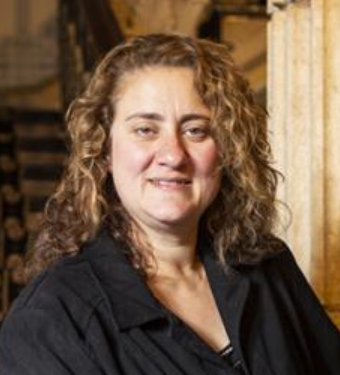 |
Prof. Dr. Vasso Apostolopoulos Short Bio |
 |
Dr. Davide Barbagallo Short Bio |