The 1st International Electronic Conference on Entomology
Conference Closed
IECE has been closed successfully with 140+ accepted proceedings and 4 live sessions. We would like to take this opportunity to express our appreciations to all the participants for their contributions and all the chairs and committee members for their excellent work.
All participants of IECE are welcome to submit an extended full paper to the Special Issue in the journal Insects (IF 2.769), with a 20% discount on the Article Processing Charges.
the chair
Welcome from the Chair of the 1st International Electronic Conference on Entomology (IECE)
Dear Colleagues,
I have the pleasure to welcome you to the 1st International Electronic Conference on Entomology (IECE), organized and funded by the international journal Insects. This meeting provides an opportunity for scientists around the globe to present their most recent research findings in entomology. In the last decade, there has been tremendous development in entomological research, which has led to the publication of thousands of papers. IECE aims to contribute further to the rapid spread of worldwide advances on insects from the entire scientific community through the publication of proceedings after the conference. IECE includes eight research topics, as follows:
• Systematics and Morphology
• Genetics and Genomics
• Biology, Behavior and Physiology
• Biodiversity, Ecology and Evolution
• Pest Management
• Forest and Urban Entomology
• Medical and Veterinary Entomology
• Apiculture and Pollinators
We hope you will be able to join this exciting event, which is organized and sponsored by MDPI, a scholarly open access publisher (https://www.mdpi.com/). We look forward to your contributions and discussions.
Meet Our Chair
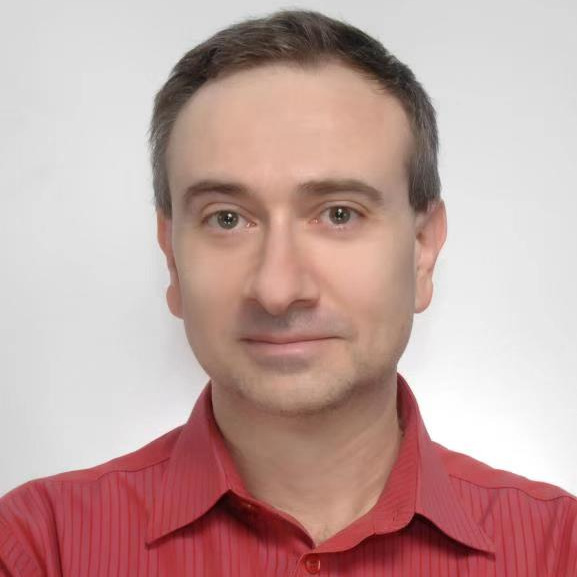
Laboratory of Agricultural Zoology and Entomology, Department of Crop Science, Agricultural University of Athens, Attica, Greece;Nickolas G. Kavallieratos is an Assistant Professor of Agricultural Entomology and Acarology at the Agricultural University of Athens (AUA), Greece (2016–today), while he served as a lecturer at AUA between 2014 and 2016. From 2002 to 2014, he was a researcher at Benaki Phytopathological Institute (BPI), serving at all scientific ranks and administration positions (Head of the Laboratory of Agricultural Entomology, Head of the Department of Entomology and Agricultural Zoology, Deputy Director) at BPI. He has also worked at several Universities and Institutes in Greece, Europe and Africa. Since 2009, he has been a frequent visiting scientist at the United States Department of Agriculture (USDA), Center for Grain and Animal Health Research, in Manhattan KS. Since 2001, he has been a frequent visiting scientist at Faculty of Biology, University of Belgrade. He has published > 250 papers in peer-reviewed journals. Between 2004 and 2013, he was convenor of the International Organization of Biological Control (IOBC) group Ecology of Aphidophaga (EA), while he currently serves at the steering committee of the EA series of conferences. He also served/serves as a member of the Scientific Committee of several former/running international conferences. He is Associate Editor in Chief of Insects (MDPI), Associate Editor of Entomologia Generalis (Schweizerbart Science Publishers) and Subject Editor of Journal of Insect Science (Entomological Society of America). He serves as a member of the Editorial Board of Journal of Stored Products Research and as a Review Editor in Frontiers of Ecology and Evolution. He also serves as a member of the Editorial Board of seven more international peer-reviewed journals. He served/serves as a Guest Editor of Insects (MDPI) Special Issues.Prof. Kavallieratos coordinated/coordinates 30 international/national projects, while he was/is a member of the scientific team of 25 international/national projects. He contributed to the development of several products that became commercially available through the aforementioned projects.
Important Dates
30 May
2021
31 May
2021
15 Jun
2021
Meet Our Speakers
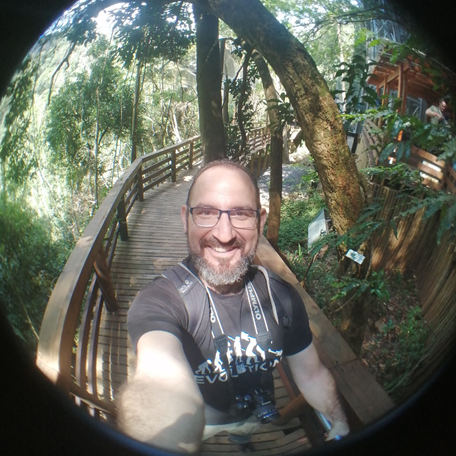
Forest Research Institute – Hellenic Agricultural Organization Demeter, Vassilika, Greece;Dr. Dimitrios N. Avtzis is currently working at the Forest Research Institute (HAO Demeter) in the field of Forest Entomology. He completed his BSc (MSc equivalent) at the School of Forestry (AUTH, Greece) and continued with his PhD at the Institute of Forest Entomology (University of Natural Resources and Applied Life Sciences, BOKU, Vienna, Austria), under the supervision of Dr. Christian Stauffer. Dimitrios has published more than 50 articles in high-ranked SCI journals, and has participated in numerous national and international conferences on Entomology. Since 2018 he has served as a Deputy of IUFRO WP 7.03.05 “Ecology and Management of Bark and Wood Boring Insects”.
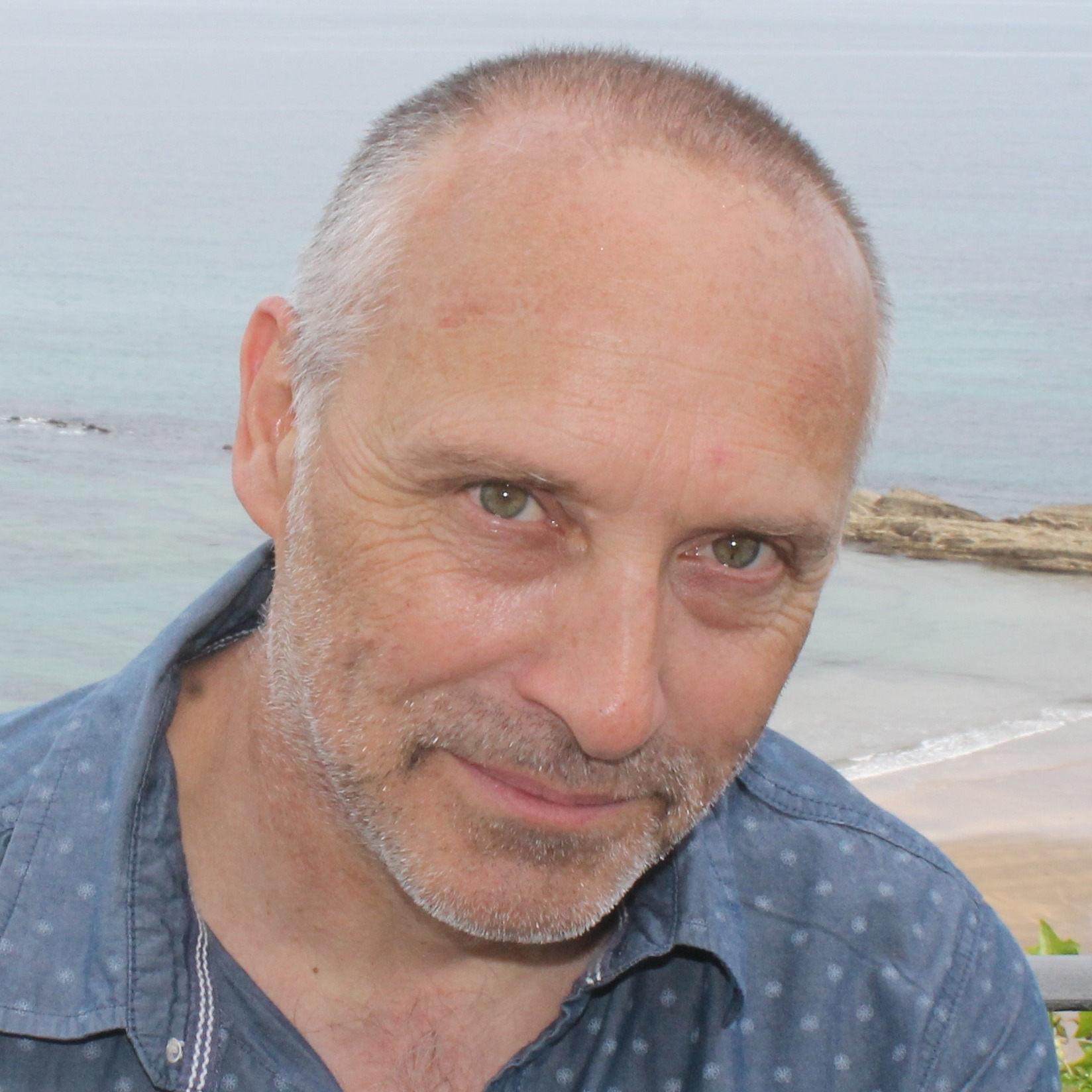
School of Natural and Environmental Sciences, Newcastle University, Newcastle upon Tyne, UK;Dr. Neil Audsley is an invertebrate physiologist/Senior Lecturer at Fera Science Ltd/Newcastle University, UK. He provides strategic research and development and policy advice for the management of native, invasive and emerging pests of agriculture, horticulture and tree health importance. His major research interests include invertebrate endocrinology, physiology and biochemistry; novel pesticide targets; insecticide resistance; integrated pest management and biological control. He is currently leading projects on the biological control of invasive pests of tree health importance and developing alternative strategies for the control of insect pests by targeting insect neuropeptides and their receptors.
Department of Ecology, Evolution & Behavior, Alexander Silberman Institute of Life Sciences, Hebrew University of Jerusalem, Jerusalem, Israel;Guy Bloch is a Professor of Biology at the Department of Ecology, Evolution, and Behavior, The Hebrew University of Jerusalem, Israel. His research interests are the evolution and mechanisms underlying sociality and social behavior, and his group studies bees as a model. They seek to understand how an insect with a solitary life style evolved to live in complex societies with social modulation of almost every aspect of its behavior and physiology. To study these fascinating and intricate phenomena his group integrates analyses at different levels, from genomic and molecular processes that regulate behavior to sociobiology. They study physiological, molecular and social regulation of behaviors such as division of labor, dominance, phototaxis (directional response to light), and sleep. The major line of inquiry in my group however, has been the interactions between social factors and the biological clock ("Sociochronobiology"). Additional major lines of research include hormones (mainly juvenile hormone and ecdysteroids) and social behavior and the social and molecular regulation of body size in bumble bees.

Laboratory of Comparative Immunology and Parasitology, Department of Theoretical and Applied Sciences, University of Insubria, Varese, Italy;
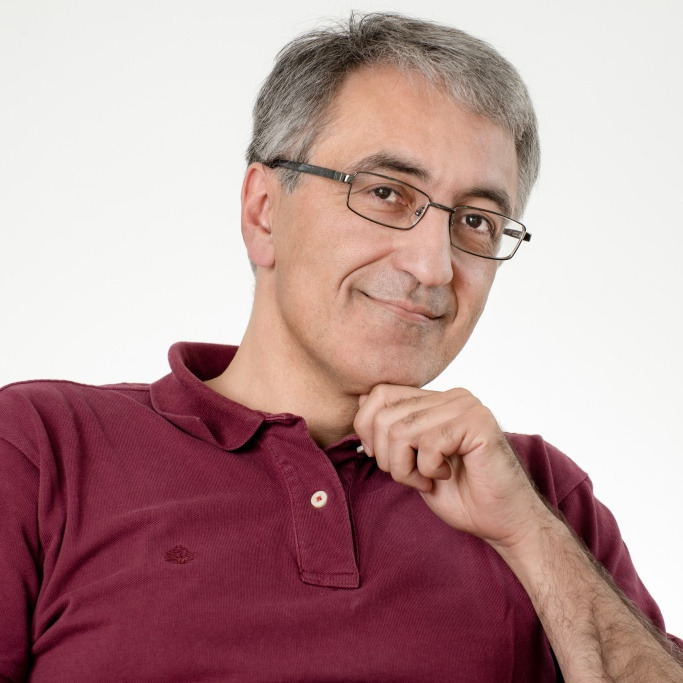
Azorean Biodiversity Group (cE3c), University of the Azores, Azores, Portugal;Paulo A. V. Borges has a Ph.D. diploma in Insect Ecology from the Imperial College of Science, Technology and Medicine – University of London (1997). He is currently leading the Azorean Biodiversity Group (cE3c) within the University of the Azores (http://gba.uac.pt/). Since 1988, he has been involved in biodiversity research, using arthropods as model organisms and the Macaronesian islands, particularly the Azores, as model systems. His current research is driven by three overarching objectives: i) collect long-term ecological data to investigate the processes affecting patterns of species diversity, abundance and distribution at different spatial scales; ii) use Macaronesia as a model system to investigate ecological and evolutionary mechanisms responsible for shaping island biotas; iii) identify pathways that impact oceanic indigenous assemblages under global change for conservation purposes.

Department of Forestry and Environmental Conservation, Clemson University, Clemson, USA;Dr. Dave Coyle is an Assistant Professor of Forest Health and Invasive Species in the Department of Forestry and Environmental Conservation. He received his BA from Luther College, MS from Iowa State University, and PhD from the University of Wisconsin, where he worked with Dr. Ken Raffa. Dave has published over 70 peer-reviewed articles and runs an active extension program where he uses written and digital media to educate professionals and the general public on insects, fungi, and invasive plants that impact trees in managed and natural landscapes. Dave is the past President of the North American Invasive Species Management Association and is on the South Carolina Invasive Species Advisory Council. Find Dave on Twitter at @drdavecoyle where he regularly posts about forest entomology and invasive species.
Sukachev Institute of Forest, Siberian Branch of Russian Academy of Sciences, Federal Research Center «Krasnoyarsk Science Center SB RAS» & Siberian Federal University, Krasnoyarsk, Russia;

School of Biosciences and Veterinary Medicine of the University of Camerino, Camerino, Italy;Guido Favia is Full Professor of Parasitology at the School of Biosciences and Veterinary Medicine of the University of Camerino. Prof. Favia is an expert on insect vectors with a particular interest in mosquitoes and malaria. In the last twenty years he has mainly devoted himself to the study of the microbiota associated with mosquitoes and other insects. His collaborative network includes some of the most relevant institutions in the field of infectious diseases (Johns Hopkins University of Baltimore, Imperial College London). He is the author of over 300 scientific publications including about 100 scientific articles published in peer-reviewed international scientific journals, including Science, Pnas, Current Biology. He has participated in several international conferences as an invited speaker and has been supervisor of dozens of Post-Doc, PhD and Master students. He is Director of the School of Biosciences and Veterinary Medicine of the University of Camerino and Deputy Director of the Italian Malaria Network.
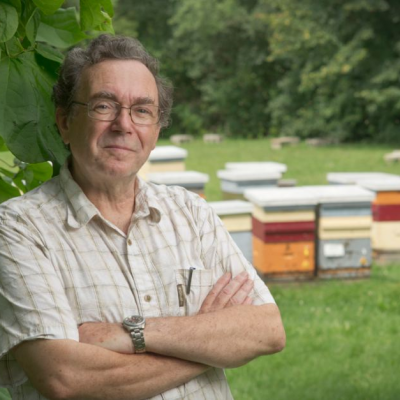
Prof. Peter G. Kevan
School of Environmental Sciences, University of Guelph, Guelph, Canada;
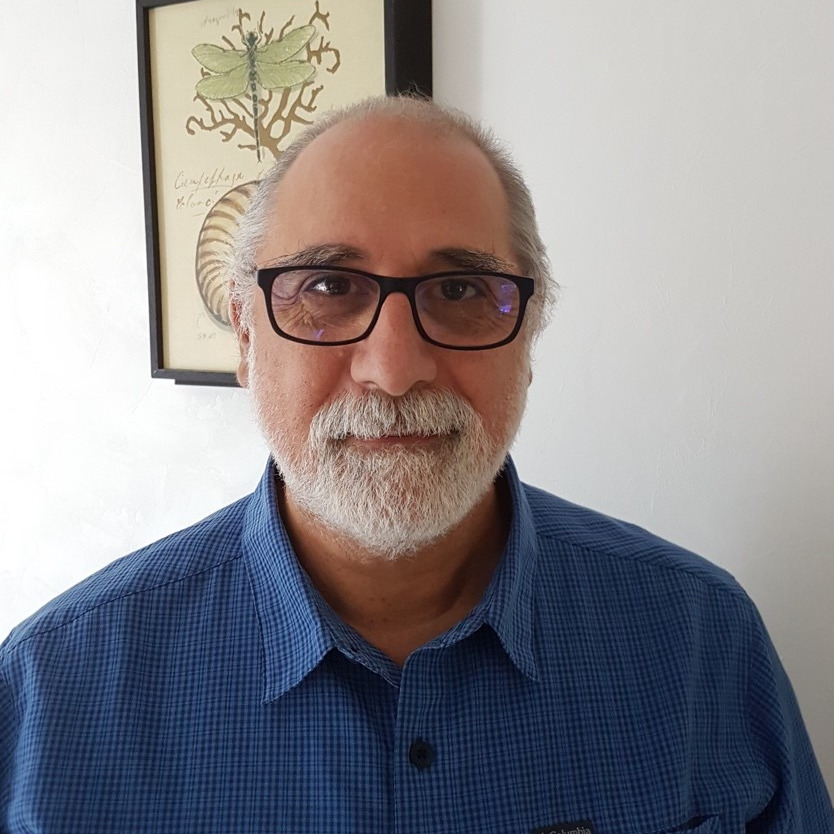
Insect Biology Research Institute, University of Tours, Tours, France;Claudio R. Lazzari, PhD, FRES, is a Professor at the Universities of Tours (France) and Buenos Aires (Argentina). He has spent more than three decades studying the adaptations of arthropods to the haematophagous way of life. He has published more than 140 contributions on vector biology and different aspects of insect physiology, neurobiology and sensory ecology. He has conducted research and training in Argentina, Brazil, France and Germany. His main biological models are kissing-bugs and mosquitoes, but also other blood-sucking organisms, such as ticks, sandflies, tse-tse flies, lice and sometimes non haematophagous arthropods as crickets, spiders, beetles and parasitoids.

INRAE, UMR1349, Institute of Genetics, Environment and Plant Protection, France;Fabrice Legeai is a project manager, expert in bioinformatics, group leader at INRAE Rennes. Since 2007, he manages the BioInformatics platform for the Arthopods of Agroecosystems (http://bipaa.genouest.org <http://bipaa.genouest.org/>), gathering genomics data from more than 35 insect species.With regard to aphids, lepidoptera and parasitic wasps genomics, he experienced variousworkflows and analyses forgenomes assembly and annotation, differential expression analyses, prediction of non coding RNA, identification and analyses of variations among populations. He is participating also to the development of softwares, for Omics-data integration (Askomics), differential expression analysis (AskoR), lncRNA prediction (feelNC) or genome gap-filling and structural variants prediction with linked-reads (Lrez, MTG-Link or LEVIATHAN).
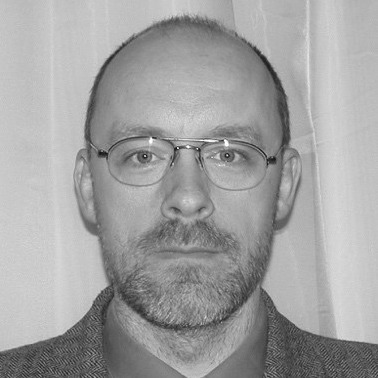
Faculty of Forestry, University of Sopron, Sopron, Hungary;Ferenc Lakatos is a forest entomologist working at the University of Sopron, Hungary, Faculty of Forestry. He is the head of the Department of Forest Protection. His main areas of interest are bark and wood boring insects with special emphasis on bark and ambrosia beetles, & invasive insect species on woody plants. His recent research activities include invasion biology, population genetic of forest insects and management of invasive insects in forestry.
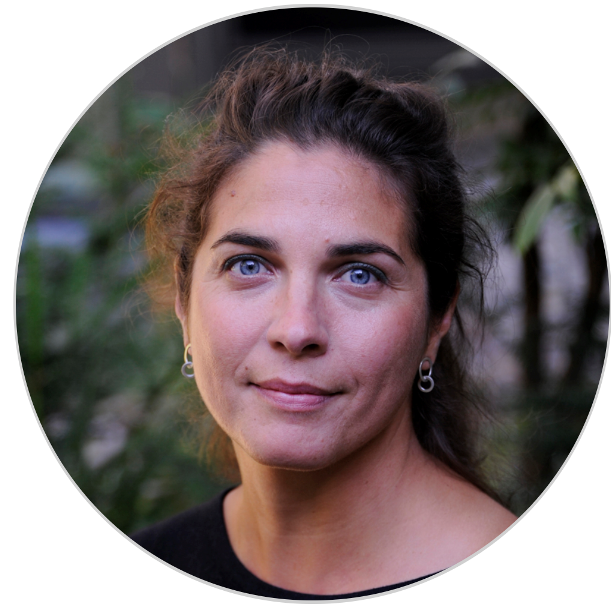
Wellcome Sanger Institute, Hinxton, Cambridgeshire, UK;Mara Lawniczak is an evolutionary geneticist and senior group leader at the Wellcome Sanger Institute. Current malaria research in her group spans vector population genomics and parasite transmission biology. Through collaboration with many vector researchers working in malaria endemic countries, our team is generating high quality reference genomes from single mosquitoes and sequencing thousands of wild mosquitoes (both whole genome and targeted sequencing) and using these resources to gain a deep understanding of population structure and gene flow for a variety of malaria vector species, primarily in Africa. We are also sequencing mosquitoes from historic collections from the past century to study how populations have changed over 70 years of insecticide usage. Our group also created and continues to build the ‘Malaria Cell Atlas’, a single cell RNA sequencing data resource that provides a window into individual parasite transcription across the complete life cycle of both Plasmodium berghei and falciparum. This resource will continue to grow with our current efforts in Mali to examine individual parasite transcriptomes in natural infections to investigate transmission dynamics. All areas of our research are aimed at gaining an evolutionary perspective on these organisms with the aim to contribute to malaria control.
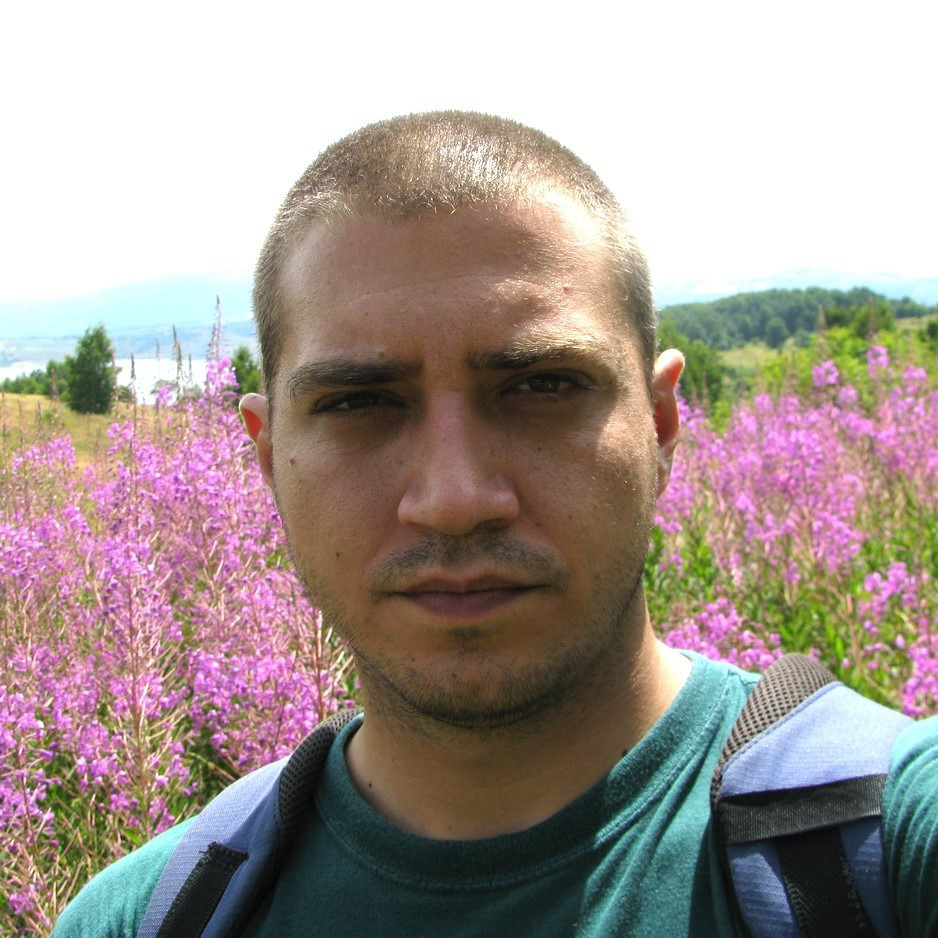
Institute of Zoology, Faculty of Biology, University of Belgrade, Belgrade, Serbia;Prof. Dr. Andjeljko Petrović is an Associate Professor at Chair of invertebrate zoology and entomology, Institute of Zoology, Faculty of Biology, University of Belgrade, Serbia. He did his PhD in systematics and phylogeny of animals at the Faculty of Biology at the University of Belgrade. His research interests are focused on the taxonomy, systematics and phylogenetics of parasitoid wasps (mainly subfamily Aphidiinae), with emphasis on an integrated approach. He actively collaborates in different projects where he incorporates this fundamental knowledge in the development of improved integrated pest management of aphids, both by finding new biocontrol agents and enhancing ecosystem services. Dr. Petrović is an author of more than 70 papers in international peer-reviewed journals, 50 congress contributions, and 5 university textbooks.
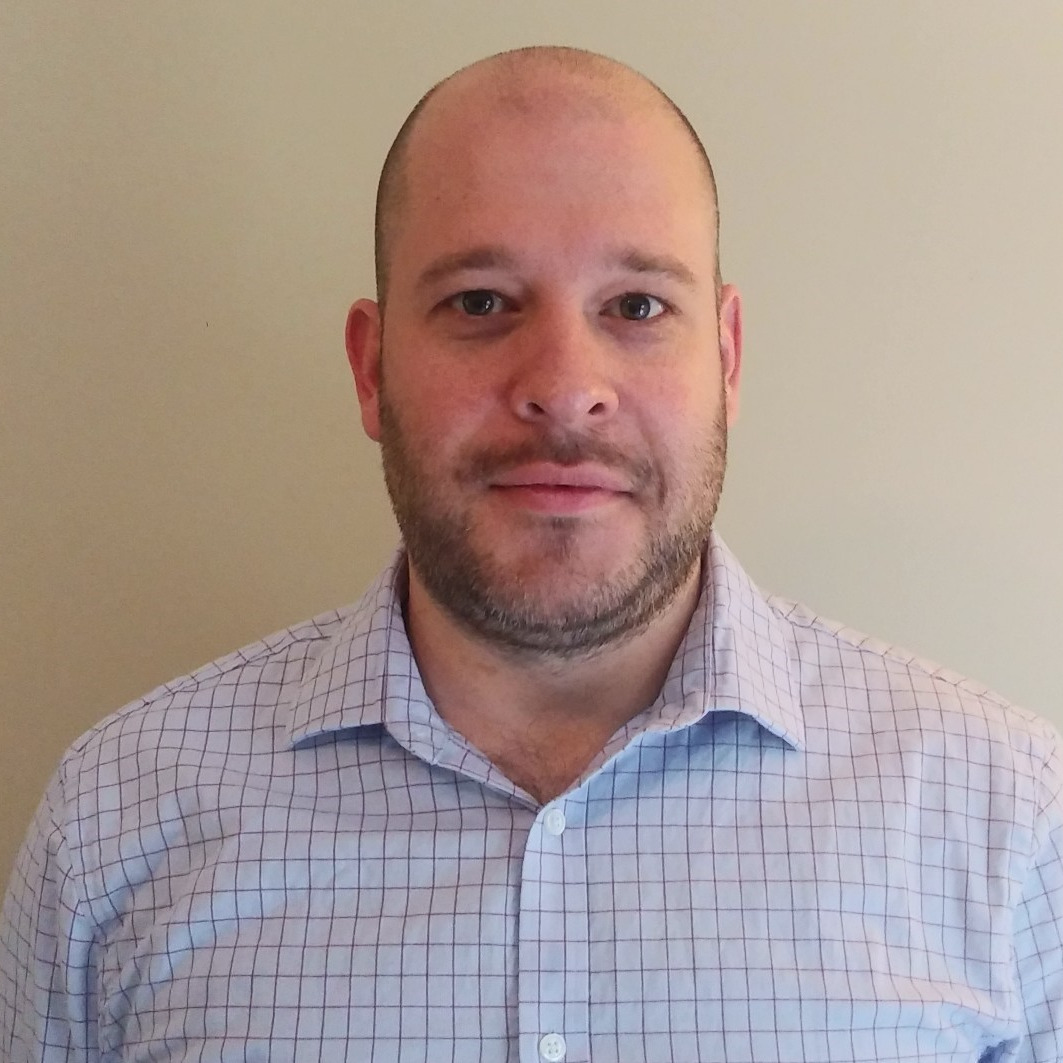
Division of Environment & Public Health, Department of Public Health Sciences, University of Miami Miller School of Medicine, Miami, FL, USA;Andre B. B. Wilke, Ph.D., is a Post-Doctoral Associate in the Division of Environment and Public Health in the Department of Public Health Sciences. Dr. Wilke has more than ten years of experience in the fields of vector ecology, vector control, population genetics, and the epidemiology of vector-borne diseases. He has more than 50 publications in the areas of vector biology and the epidemiology and control of vector-borne diseases. He has conducted research and training in Brazil and the U.S. This has allowed him to develop his experience on the relationships between the population dynamics of vector mosquitoes and anthropogenic environmental changes.

Selected Papers from the 1st International Electronic Conference on Entomology
Guest Editor: Prof. Dr. Nickolas G. Kavallieratos
Deadline for manuscript submissions: 31 December 2021
Dear Colleagues,
This Special Issue is in cooperation with the 1st International Electronic Conference on Entomology (IECE), organized by Insects (Impact Factor 2.769) from 1 to 15 July 2021 on the MDPI Sciforum platform. We welcome submissions from participants of the conference, as well as those not participating.
All conference contributors, both to oral and poster sessions, are encouraged to submit a full paper related to their contribution to this Special Issue of Insects at https://www.mdpi.com/journal/insects, with a 20% discount on the Article Processing Charge (if accepted). Submission of a manuscript to Insects is independent of conference proceedings and will follow the standard peer-review process.
The Special Issue of Insects will maintain the topical subdivisions of the conference in the following eight fields:
• Systematics and Morphology
• Genetics and Genomics
• Biology, Behavior and Physiology
• Biodiversity, Ecology and Evolution
• Pest Management
• Forest and Urban Entomology
• Medical and Veterinary Entomology
• Apiculture and Pollinators
Submitted manuscripts to Insects should fulfill the following criteria:
(1) Title and Abstract should be substantially different with that of the conference paper, so that they can be differentiated in various databases.
(2) 50% new data should be added to make it a real and complete journal paper.
(3) The length of full manuscripts should accurately meet the publication standards of Insects.
We look forward to your novel work.
Prof. Dr. Nickolas G. Kavallieratos
Guest Editor
Live Session 1 - 2 July 2021
Live Session 2 - 7 July 2021
Live Session 3 - 8 July 2021
Live Session 4 - 12 July 2021
During the e-conference, four live sessions have been scheduled. We have invited some speakers to share their latest research. Also, a number of excellent submissions have been selected, and these works will be presented during the live sessions by the authors. During each live session, the participants will have the chance to ask questions at the end of each presentation.
The live sessions are free for everyone. If you are interested in attending, please register in advance for your chosen session by clicking the "Webinar Registration" buttons which are showing in below live sessions program.