Speakers
Dr. Marc Maresca |
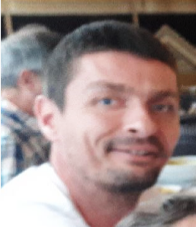 |
Marc Maresca is currently Researcher at the Aix-Marseille Université. He was awarded his PhD in Biochemistry from the Université Paul Cézanne (France, 2003), where he worked on toxins causing intestinal pathologies, including mycotoxins. In 2003, he moved to England to work on the enteropathogenic E. coli bacteria in the laboratory of Brendan Keny. He then moved back to France to continue his work on mycotoxins, mainly deoxynivalenol, studying its effects on human health. He is currently working at the Aix-Marseille Université, and his research aims, in addition to studying the effects of mycotoxins on health, to identify and develop new molecules—natural, synthetic, and bio-inspired, including those produced by micro-organisms—with antimicrobial properties.
|
Prof. Dr. Fiona Doohan |
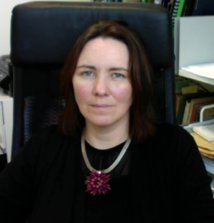 |
Prof. Dr. Doohan has a BSc in Industrial Microbiology from UCD (Ireland) and a PhD from John Innes Centre/Open University (UK). After a postdoctoral position at John Innes Centre, she moved to UCD, where she joined the faculty as a plant pathologist. Prof. Dr. Doohans’ recent research is focused on understanding the role of mycotoxins in plant–pathogen interactions and developing environmentally sustainable means of increasing crop sustainability. She is also co-founder of the company E-Seed, focused on developing biologicals for the enhancement of crop productivity. She is a member of the Scientific Board of the Global Wheat Initiative, a G20 initiative that promotes wheat research at the international level in both developed and developing countries.
|
Dr. Philippe Pinton |
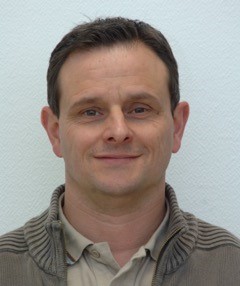 |
Dr. Philippe Pinton, PhD, Engineer, has worked for 20 years at INRA’s TOXALIM Research Centre in Food Toxicology (Toulouse, France), where he is a member of the Biosynthesis and Toxicity of Mycotoxins team. His field of expertise is the study of the effects of food/feed contaminants, mainly the mycotoxins, at low doses and in mixtures, using cellular and animal models.
|
Dr. Veronika Nagl |
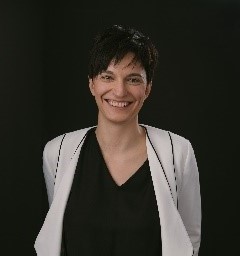 |
Veronika Nagl works as a Scientist at the BIOMIN Research Center in Tulln (Austria). Veronika studied Veterinary Medicine at the University of Veterinary Medicine, Vienna. Thereafter, she did her PhD in the Christian Doppler Laboratory for Mycotoxin Metabolism at the University of Natural Resources and Life Sciences, Vienna. Her research focused on the development of LC-MS/MS-based biomarker methods to elucidate the metabolism of masked mycotoxins in rats and pigs. After a postdoc period in the same lab, she joined the BIOMIN Research Center in Tulln (Austria) in 2014. There, her main research topic is the investigation of the molecular effects of Fusarium mycotoxins in livestock species. Special emphasis is put on employing -omics technologies and utilizing results for biomarker development.
|
Prof. Dr. Viviane Maruo |
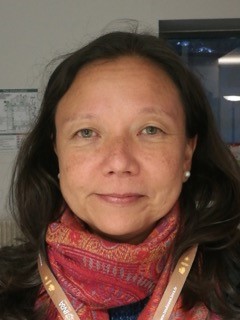 |
Dr. Maruo is Associate Professor of Veterinary Toxicology at the Federal University of Tocantins (UFT). She obtained her Veterinary Medicine degree at the University of São Paulo in 1993 and obtained her master's degree (1997), PhD (2002), and post-doctorate (2010) in the field of Experimental and Comparative Pathology at the University of São Paulo. She completed a CNPq-funded postdoctoral fellowship in 2015 at INRA's TOXALIM unit. She was in charge of the Graduate Program in Tropical Animal Science at UFT from 2010 to 2014. Currently, she has a CAPES-funded visiting professor fellowship at the TOXALIM INRAE unit, where she conducts research focusing on the toxicity of mycotoxins.
|
Dr. Laura Soler Vasco |
 |
Dr. Laura Soler Vasco was born in Spain, earned her Doctor of Veterinary Medicine degree at the University of Murcia (Spain), and completed postdocs at KU Leuven (Belgium) and INRAE Val de Loire (France) on pig intestinal pathophysiology and clinical proteomics. She has been a junior researcher at the Biosynthesis and Toxicity of Mycotoxins group at INRAE Toulouse since 2017. Her research interests center on applying systems biology approaches to reveal the toxicity of mycotoxins.
|
Dr. Isabelle Oswald |
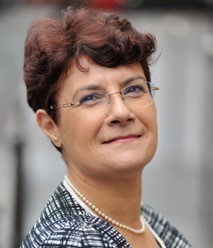 |
Dr. Isabelle Oswald is the head of INRA’s TOXALIM Research Center in Food Toxicology in Toulouse, France. In this Research Center, she leads a research team of 20 persons. This team has two main goals: (1) characterizing the production of mycotoxins and other secondary metabolites by fungal species and (2) determining the toxic effects of mycotoxins in rodents and pigs using cellular, tissular, and animal models. Dr. Oswald’s work currently focuses on the effect of emerging mycotoxins and toxin mixtures. She has more than 200 international publications and has been a Thomson Reuters/Clarivate Highly Cited Researcher since 2018. She is an expert for the European Food Safety Agency (EFSA), ANSES, and the Joint FAO/WHO Expert Committee on Food Additives (JEFCA). In 2018 she received a Lifetime Achievement Award from INRAE, and this January she was appointed Knight of the French Legion of Honor.
|
Dr. Siska Croubels |
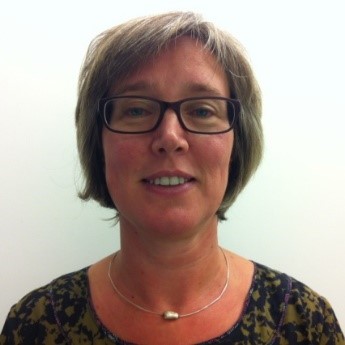 |
Siska Croubels graduated as Master in Pharmaceutical Sciences from Ghent University. After obtaining her PhD in the field of bio-analysis of veterinary drugs, she was a postdoc in the Faculty of Veterinary Medicine of UGent. In 2004, she was appointed as Assistant Professor of Veterinary Toxicology in the same faculty. Since 2014, she has been Full Professor and Director of the Department of Pharmacology, Toxicology and Biochemistry. Her research in the field of veterinary toxicology focuses on the toxicokinetics and toxicokinetic modeling of mycotoxins, the interactions between mycotoxins and pathogens in several animal species, and the development of in vitro and in vivo models for efficacy and safety testing of mycotoxin detoxifiers. Her research group is a member of the MYTOX and MYTOX-SOUTH association research platforms, dealing with the effects of mycotoxins on human and animal health in the North and South.
|
Dr. Delphine Payros |
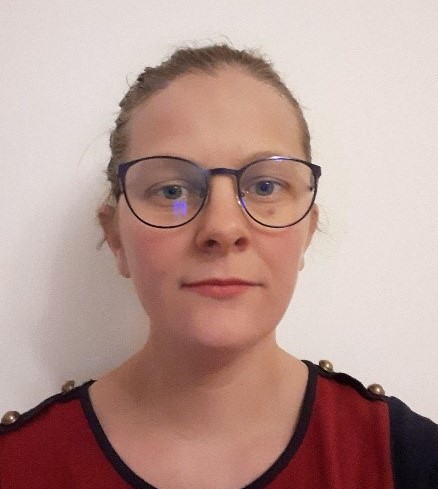 |
Dr. Delphine Payros, PhD, works at the Digestive Health Research Institute as a member of the Pathogenesis and Commensalism of Enterobacteria team, in strong collaboration with the Biosynthesis and Toxicity of Mycotoxins team from TOXALIM in Toulouse. Her field of expertise is the study of the effects of co-exposure of food contaminants, mainly the deoxynivalenol and bacterial toxins, on gastrointestinal physiopathology and antibiotic resistance using animal models.
|
Dr. Sakthivel Vaiyapuri |
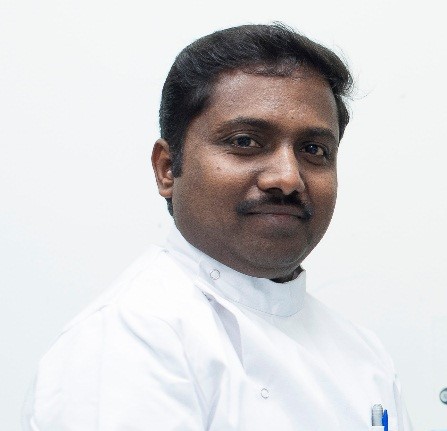 |
Dr. Sakthi Vaiyapuri is Associate Professor of Cardiovascular & Venom Pharmacology at the University of Reading, UK. He is also a Royal Society Leverhulme Trust Senior Research Fellow for his research on snakebite-induced muscle damage. Sakthi’s research is mainly focused on establishing the pharmacological actions of venom toxins in inducing various envenomation effects. Notably, the research in his group aims at understanding the differential effects of venoms on skeletal muscle and the impact of next-generation antivenoms in preventing/treating snakebite-induced muscle damage. Through a robust community education program, his team is improving public awareness about snakes and snakebites among the rural population of India. So far, they have educated over 7 million people about the dangers of snakebites and the appropriate actions that people should take following a snakebite in order to mitigate snakebite-induced deaths and disabilities.
|
Dr. Andreas Hougaard Laustsen |
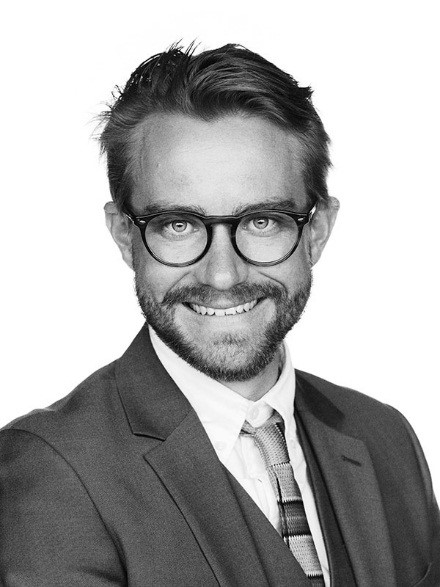 |
Associate Professor Andreas Hougaard Laustsen is Head of the Tropical Pharmacology Lab at the Technical University of Denmark and specializes in antibody discovery, toxinology, and snakebite antivenom. Andreas is a Fellow of the Young Academy of Denmark and the Young Academy of Europe and holds a PhD from the University of Copenhagen and an MScEng from the Technical University of Denmark. Andreas is also a co-founder of the biotech companies Biosyntia, VenomAb, Antag Therapeutics, Chromologics, VenomAid Diagnostics, and Bactolife. Within toxinology, Andreas is known for having developed the world’s first recombinant fully human antibodies against animal toxins, for studying black mamba venom, and for developing methodologies for the generation of recombinant antivenoms.
|
Prof. Dr. José María Gutiérrez |
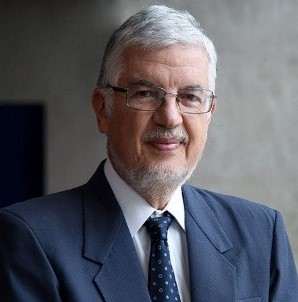 |
J.M. Gutiérrez is Emeritus Professor at Instituto Clodomiro Picado (ICP), School of Microbiology, University of Costa Rica, where he has taught courses in Immunology, Biochemistry, Cellular Pathology, and Research Methods. He has served as Director and Head of the Academic Division of ICP. His main research interests have focused on the biochemistry and mechanism of action of snake venoms and toxins, especially those responsible for the local pathological effects characteristic of viperid snakebite envenoming. He has also been involved in the development of antivenoms for various regions of the world and in the preclinical assessment of the neutralizing ability of antivenoms and novel inhibitory substances. He has participated in global advocacy efforts to raise the awareness of the impact of snakebite envenoming and in the network of Latin American laboratories which manufacture antivenoms. Prof Gutiérrez is a member of the Board of Directors of the Global Snakebite Initiative (GSI).
|
Dr. Maria Serena Fabbrini |
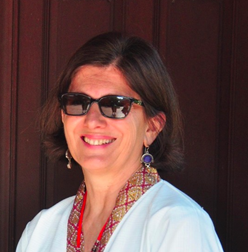 |
Dr. Maria Serena Fabbrini is a passionate cell molecular biologist and Professor of Sciences and Mathematics for MIUR (ministero-istruzione-università e ricerca). She has a Ph.D. in Biological Sciences from the University of Milan. Part of her research experience was obtained while working in the plant biotechnology field at Istituto Biosintesi Vegetali of CNR (National Research Council). She also worked as a contractor for a pharmaceutical company (Farmitalia Carlo Erba), dissecting human endothelin processing using Xenopus oocyte expression system (1990–1991). She then moved to the Biotechnology unit in Dibit-HSR in 1992, before working in the “Protein Transport and Secretion unit” as a staff scientist to work on “cells as protein factories'' (2001–2004), where she mentored several students, including medical school students from the Unversità-Vita salute. She started mid-1990 exploring the use of the plant ribosome-inactivating protein saporin isoforms (please add) from Saponaria officinalis, as well as plant genes, for delivery against metastatic tumors. In 2005–2009, she participated as a PI in the Recombinant Immunotoxin Research Group (RICG), a collaborative project funded by Leukaemia Busters charity, in which she developed the use of Pichia pastoris as a eukaryotic host for hostile protein production, such as ligand toxins. She has gained great experience as Grant Scientific Manager, analyzing applications in human genetics during several Telethon calls, working for Telethon’s Scientific office, and was appointed as manager of the Scientific Affairs and Grant office at the Istituto Nazionale Genetica Molecolare (INGM’s scientific office) in 2011. She is mostly interested in human genetic diseases, targeting toxins for anticancer therapies, tumor microenvironment, and cell biology of novel antitumor natural agents. She has a record of publications both in plant cell biology/biotechnology and in cell biology, studying the entry route of saporin and anti-urokinase-based chimeric saporin fusions. She is co-author of more than 30 peer-reviewed publications in international journals indexed in the Scopus and ISI WEB databases.
|
Prof. Dr. Rodolfo Ippoliti |
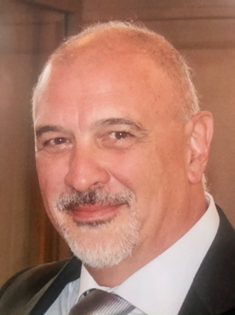 |
For more than 20 years, Prof. Dr. Rodolfo Ippoliti has been working in the field of protein structure and function, drug targeting, and generation of cytotoxic chimeras, with particular reference to the use of ribosome-inactivating proteins as toxic molecules. In recent years, his interest has been also focused on the production of antibody–drug conjugates (ADCs) for cancer treatment. He is also involved in other projects concerning the biotechnological use of recombinant proteins in tissue regeneration, as well as projects concerning drug design against parasitic infections. He has been Professor of Molecular Biology at the University of L’Aquila since 2008 and was formerly Associate Professor of Biochemistry at the same University (2000–2008). From 1990 to 2000, he worked at the University of Rome La Sapienza as a technician in the Laboratory of Molecular Biology, Faculty of Medicine. At the moment, he is a group leader at the same department specified above. He has published 87 peer-reviewed papers and several book chapters (h-index: 21 Scopus; 23 Google Scholar).
|
Prof. Dr. Hendrik Fuchs |
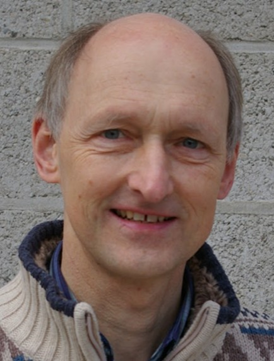 |
For more than 15 years, Prof. Dr. Hendrik Fuchs has been working on the development of protein-based targeted antitumor drugs and new strategies to enhance endosomal escape. After finishing his Ph.D. work and a postdoc period, he became a group leader in 1997 at the Institute for Clinical Chemistry and Pathobiochemistry at the Benjamin Franklin University Hospital. After his habilitation in 2002, he continued his research as a Privatdozent and was appointed as Professor at the Institute for Laboratory Medicine, Clinical Chemistry and Pathobiochemistry at the Charité – Universitätsmedizin Berlin in 2010. He accepted a professorship for Target Cell Directed Tumor Therapy in 2014 at the same institute. He organized the 2nd, 4th, and 8th international Fabisch-Symposium for Cancer Research and Molecular Cell Biology on the topic of Targeted Tumor Therapies in 2006, 2009, and 2012. He is the coordinator of an EU project on targeted gene delivery funded with almost EUR 7 million and has successfully applied for more than 25 other projects. He has published more than 90 peer-reviewed articles with more than 250 impact points and 1500 citations; his h-index is 23.
|
Dr. Riccardo Vago |
 |
Dr. Riccardo Vago is Lecturer of Biochemistry at the Vita-Salute San Raffaele University and researcher at the San Raffaele Hospital, Milan, Italy. He holds a degree in Pharmaceutical Chemistry and Technology and obtained his Ph.D. in Genetic and Biomolecular Science from the University of Milan. He spent 2 years as a visiting research fellow in the UK and Switzerland, studying the intoxication route of ribosome-inactivating proteins and working on the employment of saporin protein/DNA as therapeutic agents. As a postdoctoral researcher and project leader in Pavia and Milano, he had the opportunity to investigate molecular mechanisms underlying complex diseases, such as cancer and neurodegeneration. The major research interests of his group currently include the elucidation of pathogenic molecular and cellular mechanisms leading to the tumor onset and progression with the aim to develop personalized medicine approaches for unmet clinical needs through the identification of new targets and the comprehension of disease fundamentals and heterogeneity. The design, production, and testing of recombinant chimeric proteins as fusions between toxins and peptides able to selectively recognize features typical of cancer cells and tumor microenvironment, as well as the development of toxin-carrying targeted delivery systems, fit into this pipeline. He is Principal Investigator and partner in several national and international research and innovation projects and author of more than 40 scientific publications in international journals indexed in the Scopus and ISI WEB databases with an h-index of 14 and over 770 citations.
|
Prof. Dr. David Flavell |
 |
Dr. David Flavell has been working in the field of cancer research for over 45 years. He obtained his first degree in Applied Biology from Liverpool John Moores University in 1975 before moving on to the University of Sheffield where he obtained his Ph.D. in cancer immunology in 1978. Following this, he obtained a Wellcome Trust Postdoctoral Fellowship to establish a laboratory at Siriraj Hospital (Mahidol University) in Bangkok to study the immunopathology of human liver fluke (Opisthorchis viverrini) infection and its aetiological role in human bile duct cancer. He transferred to the London School of Hygiene & Tropical Medicine (University of London) in 1979 to continue and progress this work until moving to the University of Southampton in 1984 to establish a laboratory in Professor Dennis Wright’s University Department of Pathology for the production of novel monoclonal antibodies for the diagnosis of leukaemia and lymphoma. Following the successful production of several useful diagnostic monoclonal antibodies, followed by a personal tragedy, David turned his attention in the early 1990s to repurposing his laboratory in Southampton to develop antibody-based treatments for the therapy of childhood and adult leukaemia and lymphoma. He and his wife, also an immunologist, established the charity Leukaemia Busters in 1992 to fund the development of Immunotoxins clinically to treat adult and paediatric patients with relapsed/refractory acute lymphoblastic leukaemia, B-cell lymphoma, and multiple myeloma. Preclinical work culminated in three separate phase I clinical trials in adults and children. David’s research interests now centre around methods to improve the therapeutic index of Immunotoxins to make them safer and yet more effective for treatment. In recent years this has involved exploring ways of exploiting the host innate immune system and devising methods to improve the endosomal escape of toxins in target cancer cells.