The 1st International Online Conference on Biology
Across Levels of the Biological Organization
Conference Closed and Winners Announced
On behalf of the conference organizing committee, we would like to express our appreciation to all the participants for their contributions. From all accounts, the meeting was a success.
The Best Oral Presentation Awards and Best Poster Awards of IOCBI 2026 have been evaluated. Please refer to the Winner Announcement.
the chair
Biology (ISSN 2079-7737, Impact Factor 3.5, Citescore 7.4) is a multidisciplinary life sciences journal that aims to be a forum for presenting recent fundamental biological research. It is currently organized into 27 research areas covering all levels of organization of living beings, from the biology of organisms to biological systems at all scales. We have decided to delve deeper into this activity by participating in an Online Conference to present fundamental biological research in all those areas.
Prof. Dr. Andrés Moya
University of Valencia, FISABIO and CIBEResp, Spain
Follow the conference organizer on Social Media



Meet Our Chair
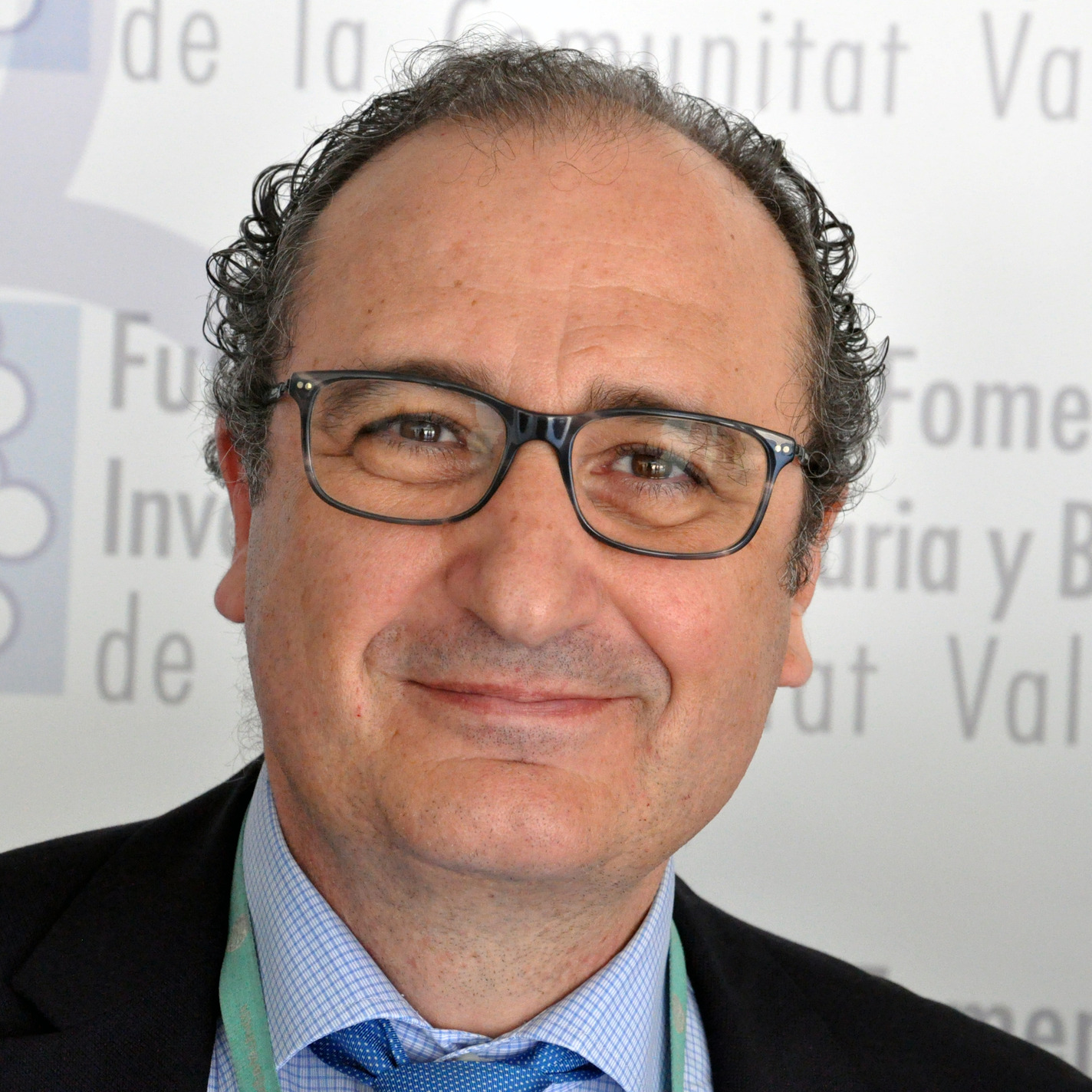
Integrative Systems Biology Institute, University of Valencia and CSIC, Valencia, Spain;Foundation for the Promotion of Health and Biomedical Research of the Valencian Community (FISABIO), Valencia, Spain;CIBER in Epidemiology and Public Health (CIBEResp), Madrid, Spain;Dr. Moya has a PhD in Biology and Philosophy and has been Professor of Genetics at the University of Valencia (UV) since 1993. He works at the Institute of Integrative Systems Biology (I2Sysbio, UV-CSIC), at the Foundation for the Promotion of Health and Biomedical Research of the Valencian Community (FISABIO), and the CIBER in Epidemiology and Public Health (CIBEResp). He is the director of the FISABIO University Chair for the Promotion of Biomedical Research. He has been a promoter of the Cavanilles Institute of Biodiversity and Evolutionary Biology at the University of Valencia and of I2Sysbio, of the Center for Astrobiology (INTA-CSIC) and the Higher Center for Public Health Research (CSISP), currently part of FISABIO. He has been president of the Spanish Society of Evolutionary Biology (SESBE). He has been a visiting professor at the University of California (Davis and Irvine) and Harvard University. He is, among others, the winner of the National Genetics Award (2012), the Lilly Foundation Award (2013), the Mexico Science and Technology Award (2015), Doctor Honoris Causa of the UIMP (2016), and the Maestro Andrés Laguna Award (2019).
Important Dates
31 Oct
2025
1 Dec
2025
5 Feb
2026
Meet Our Speakers
Centro Interdisciplinar de Investigação Marinha e Ambiental (CIIMAR), Matosinhos, Portugal;Instituto de Ciências Biomédicas Abel Salazar da Universidade do Porto (ICBAS-UP), Porto, Portugal;Alberto Teodorico Correia is Associate Professor and Director of the Laboratory of Ichthyology at the ICBAS School of Medicine and Biomedical Sciences, and Head of the Fish Biology and Fisheries Group at the Interdisciplinary Centre of Marine and Environmental Research, both part of the University of Porto research ecosystem. He is a biologist with a Doctorate and Habilitation in Aquatic Sciences from the University of Porto and a board member of the Iberian Society of Ichthyology. He has authored more than 120 scientific publications in international peer-reviewed journals, delivered numerous presentations at conferences, supervises several graduate and postgraduate students, and participates regularly in scientific projects. He is considered a world expert in using the structural, morphological, and chemical signatures of otoliths to study population structure, migration patterns, and habitat connectivity in fishes. His research interests also include, more recently, the use of biomarker approaches to assess the effects of several environmental stressors on fish and other aquatic organisms.
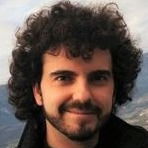
Dr. Daniel J. Nicholson
Department of Philosophy, College of Humanities and Social Sciences, George Mason University, Fairfax, VA, USA;Daniel J. Nicholson is Assistant Professor of Philosophy at George Mason University (USA). His work is characterized by a strongly interdisciplinary engagement with the conceptual foundations of the life sciences—an engagement that combines and integrates historical, philosophical, and theoretical approaches. A central organizing theme of his research is the ontology of living systems, particularly the ways in which organisms differ from other complex organized systems like machines, and on the epistemic implications of these differences.

College of Water Conservancy and Civil Engineering, Inner Mongolia Agricultural University, Hohhot, China;Qinsi He is an Assistant Professor at Inner Mongolia Agricultural University. Her research focuses on understanding and quantifying ecosystem processes across scales in response to climate change and human management, using process-based models and AI-driven prediction tools.
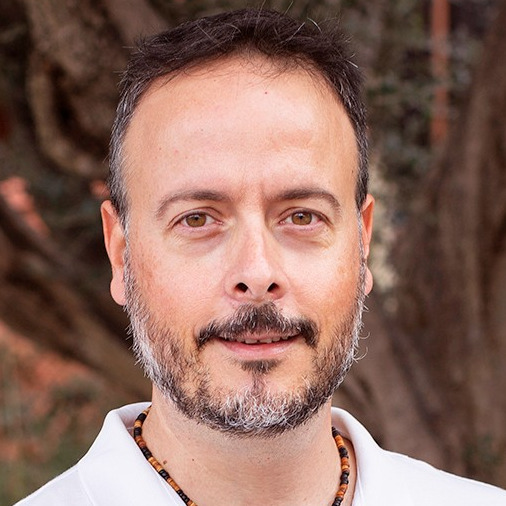
Genetics and Genomics Section, Department of Genetics, Microbiology and Statistics Executive Committe Member Research Institute of Biodiversity (IRBio), University of Barcelona, Barcelona, Spain;Cristian Cañestro is a professor in the Department of Genetics and the Institute for Research on Biodiversity (IRBio) in the University of Barcelona, working in the fields of EvoDevo and Genomics. He is passionate about understanding the origin and evolution of our own phylum, the chordates. His laboratory currently focuses on the tunicate Oikopleura dioica as an animal model to investigate how genome architecture reorganization and gene losses drive the evolution of developmental mechanisms and adaptations to rapidly changing environments in the context of climate change.
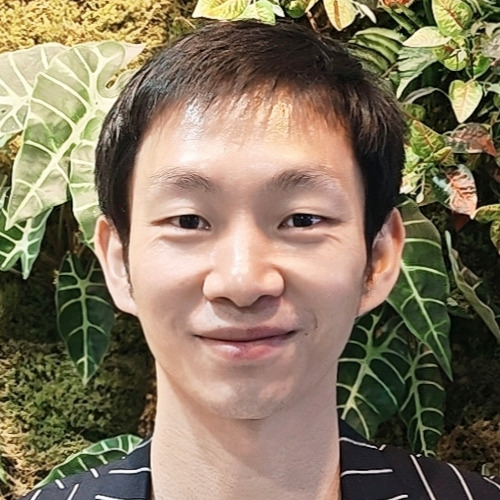
Jilin Provincial Key Laboratory of Animal Resource Conservation and Utilization, Northeast Normal University, Changchun, China;Aiqing Lin is an Associate Professor at Northeast Normal University, China. He is interested in animal behaviour and ecology. His research utilizes bats and insects as model systems to examine predator-prey interactions, providing insights into the adaptive evolution of animal behavior and informing wildlife conservation strategies.
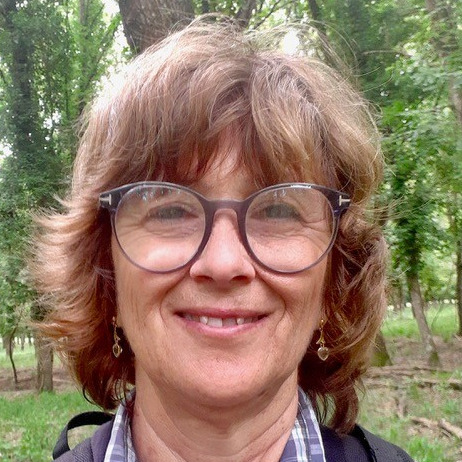
Department of Agriculture, Food and Environment , University of Pisa, Pisa, Italy;Iduna Arduini has got a PhD in Agricultural Biology and is Associate Professor for the academic discipline ‘Environmental and Applied Plant Science’ at the Department of Agriculture, Food and Environment of the University of Pisa. She is member of the Italian Society of Botany and the Italian Network for Nature Restoration. Her research activity focused on: i) the effect of heavy metals on the growth of wild and crop species; ii) the utilization of plants for the monitoring and phytoremediation of polluted sites; iii) the natural regeneration of forest ecosystems after disturbance and the role of seed banks in forest recruitment; iv) the influence of climatic and management factors on the phenology and yield performance of cereal and legume crops; v) the effect of the distribution of organic wastes in agriculture on plant-soil systems; vi) the sensitivity to waterlogging of legume and cereal crops, and vii) the plant to plant and plant to soil interactions in cereal-legume intercrops. In recent years she devoted on studying the biology, distribution and drivers of alien invasion, with a focus on forest ecosystems. She has been involved in several regional and Italian research projects. Prof. Iduna Arduini co-authored 145 scientific papers, with an h-index of 26.
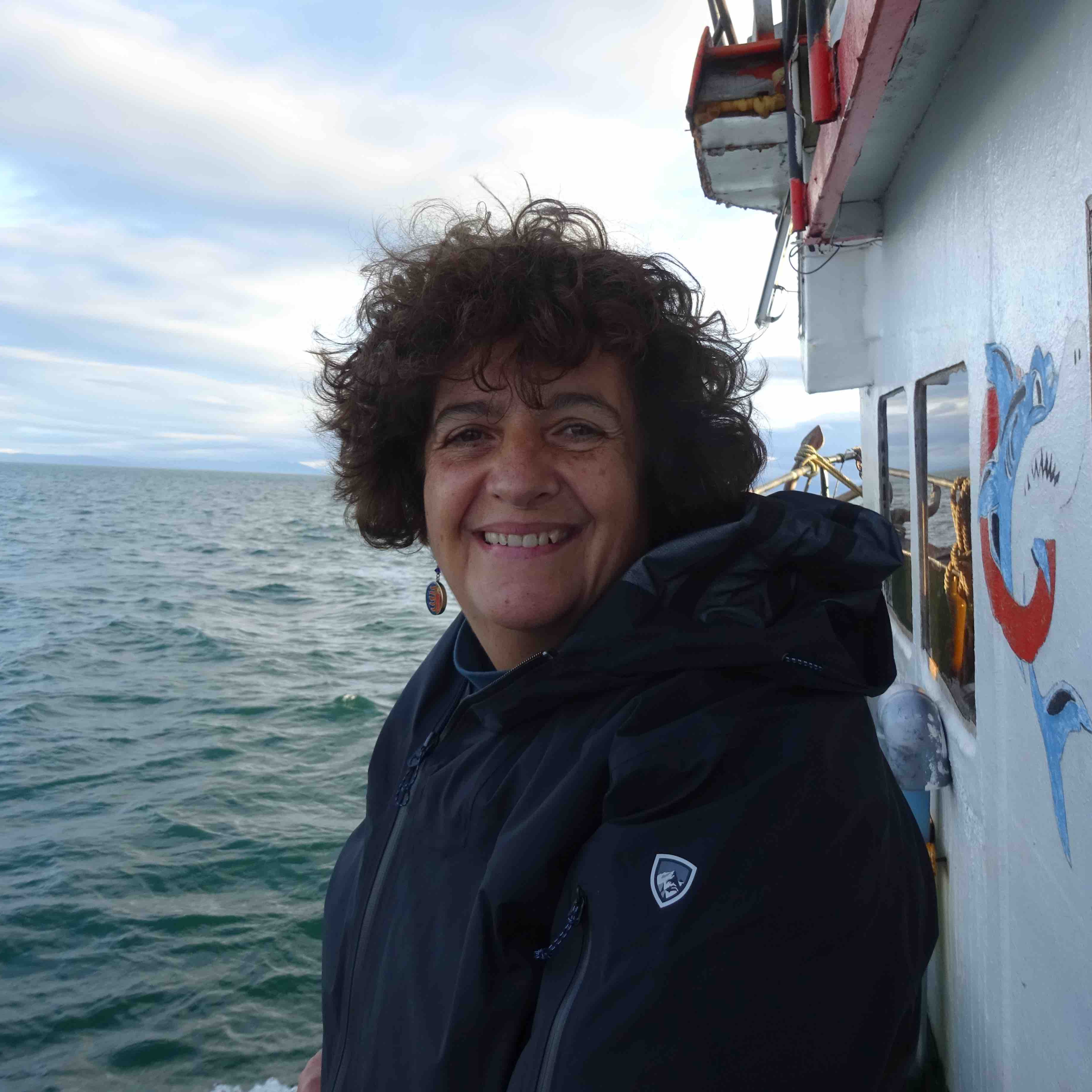
Prof. Dr. Valeria Souza
Instituto de Ecología, Universidad NAcional Autónoma de México, Mexico;Prof. Dr. Valeria Guadalupe Souza is a Senior Researcher at the Institute of Ecology, National Autonomous University of Mexico (UNAM), where she has worked since 1993. She earned her BSc, MSc, and PhD at UNAM and completed two postdoctoral fellowships under Dr. Richard Lenski. Her research focuses on evolutionary ecology and molecular evolution of microorganisms, addressing mechanisms of speciation and species coexistence. For 25 years, her main study site was the Cuatro Ciénegas Basin, an endangered oasis in Coahuila. She currently serves as Chief Scientist of a Chilean government–funded project on microbiomes as bioindicators in the Magallanes and Antarctic regions. She has published 155 peer-reviewed articles (>11,300 citations), 46 book chapters, and co-authored several books, and has delivered 137 invited international talks. She has supervised 15 BSc, 10 MSc, and 21 PhD theses. Her honors include membership in the American Academy of Arts and Sciences, the U.S. National Academy of Sciences, and Emerita status in Mexico’s National Research System (SNI, 2024).
Institute of Atmospheric Physics, Chinese Academy of Sciences, China;
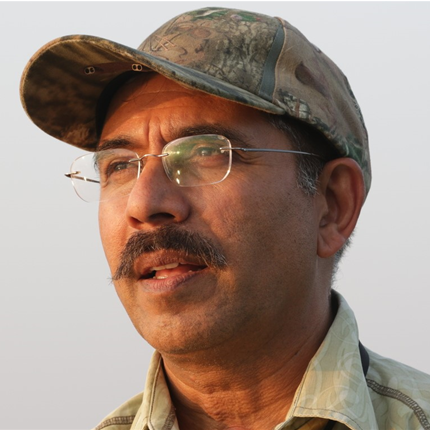
Prof. Yadvendradev V. Jhala
Indian National Science Academy at the National Centre for Biological Sciences, New Delhi, India;Prof. Yadvendradev Jhala, obtained his PhD in wildlife science and management from Virginia Tech and a post doc. from the Smithsonian Institute. He served as faculty for 30 years and retired as dean from the Wildlife Institute of India in 2023. Currently, he is awarded a senior scientist position by the Indian National Science Academy hosted at the National Center for Biological Sciences. He worked closely with the National Tiger Conservation Authority to design and implement tiger conservation policy based on science that led to the recovery of tigers in India. He has led several science based conservation programmes like the reintroduction of cheetahs to India, and the conservation of the critically endangered Great Indian Bustard.

Prof. Dr. Astrid Holzer
University Clinic for Poultry and Fish Medicine, Austria;BSc and MSc in Natural Sciences at University of Vienna (Austria); PhD at the Institute of Aquaculture, University of Stirling (UK); PostDoc at Cavanilles Institute of Biodiversity and Evolutionary Ecology of University of Valencia (Spain); Group Leader and Head of Fish Protistology Lab at Institute of Parasitology, Czech Academy of Sciences (Czech Republic); now: Head of Centre for Population Medicine and of Fish Health Division at University of Veterinary Medicine, Vienna (Austria).





On behalf of the Chair and Scientific Committee of IOCBI 2026, we are pleased to announce the winners of the Best Oral Presentation Awards and Best Poster Awards.
The Best Oral Presentation Awards have been given to
- sciforum-156766, “Development of a Broad-Spectrum Antiviral Strategy Targeting Flaviviruses”, Eva Maria Dias, Nelly Silva, Ivo C. Martins, Gonçalo Seixas, Nuno C. Santos.
- sciforum-157268, “Evolutionary Conservation and Regulatory Architecture of Core Glucosinolate Biosynthesis Enzymes in Brassicaceae”, Julia Grochowska, Marcin Piotr Weiner.
- sciforum-156791, “Population structure of the European seabass (Dicentrarchus labrax) in the Atlantic Iberian Peninsula waters inferred from otolith elemental signatures”, Rafael Kulzer, Rodolfo Miguel Silva, Ana Méndez, Jorge Pisonero Castro, Rui Azevedo, Agostinho Almiro Almeida, Karim Erzini, Alberto Teodorico Correia.
- sciforum-156058, "Reproductive fitness and population structure of the endangered timber-yielding tree species Phoebe bootanica (Lauraceae) in natural populations of Northeast India",
Yengkhom Devajit,Neekee Thangjam,Vivek Vaishnav.
The Best Poster Presentation Award has been given to
- sciforum-156486, “Exploring a deep-learning epigenetic clock based on an interpretable convolutional neural network to unravel the tick-tack of cellular aging”, Enrique Roig Tormo, Wladimiro Díaz Villanueva, Carlos Peña Garay.
- sciforum-153702, “Morphology of the skin scales and sense organs of Anolis carolinensis”, yingying xiong, Aiping Liang, Xu Chen.
Day 1
Session 1. Evolutionary Biology
Day 2
Session 2. Ecology
Session 5. Zoology
Session 3. Conservation Biology
Day 3
Session 7. Plant Biology
Session 4. Infection Biology
Session 6. Marine Biology
Ms. Cassie Zhao
Ms. Coco Hou
Ms. Ann Li
Email: iocbi2026@mdpi.com
For inquiries regarding submissions and sponsorship opportunities, please feel free to contact us.