
Sessions & Session Chairs
Sessions
S1: Smart Fermentation: Integrating Machine Learning into Beverage and Food Production
S2: Precision Fermentation & Alternative Proteins
S3: Fermentation, Lactic Acid Bacteria and Gut Health
S4: Fermented Food Safety, Quality Control & Sensory Impact
S5: Bioconversion and Upcycling of Agri-Food By-products
S6: Multi-omics for fermented food innovation and quality
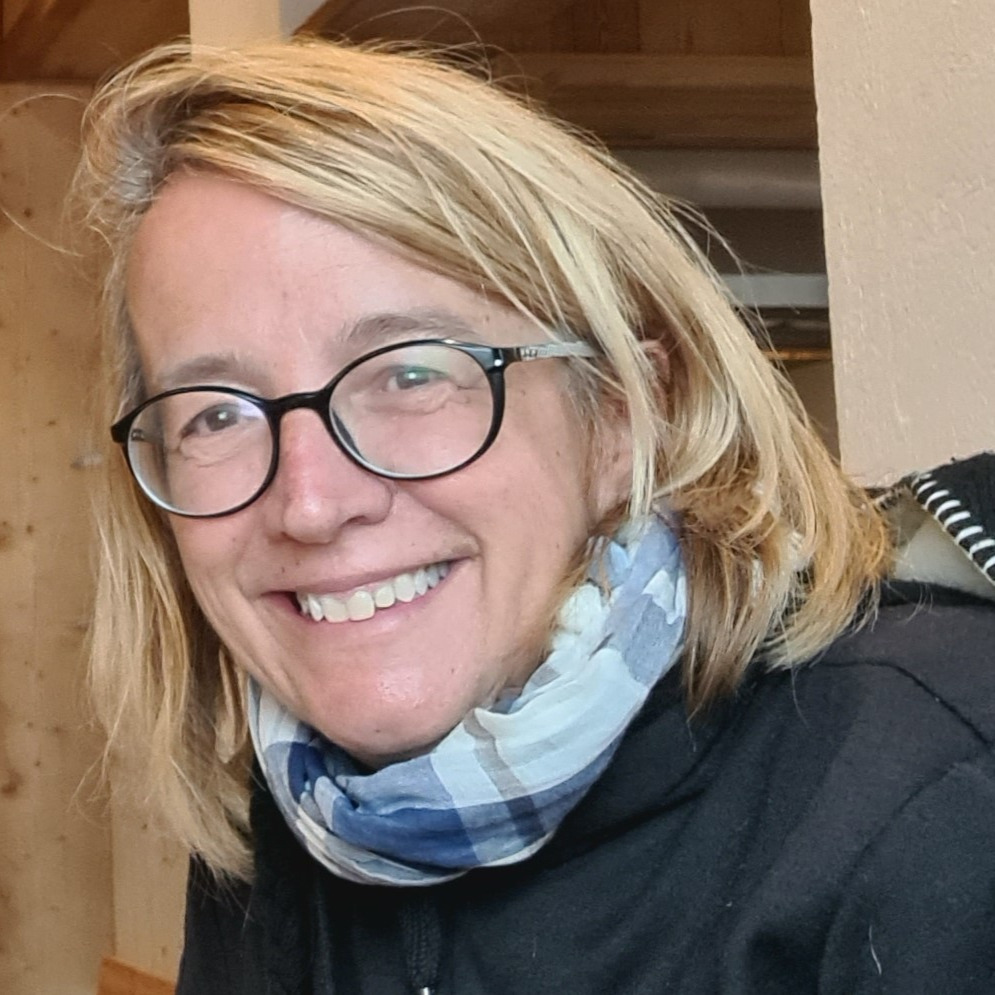
Department of Agriculture, Food, Environment and Forestry (DAGRI), University of Florence, Firenze, Italy
Paola Domizio is an Associate Professor of Food Technology at the University of Florence (Italy), where she teaches courses in oenology across both Bachelor's and Master's degree programs, and coordinates the Master’s Degree in "Sustainable Innovation in Viticulture and Oenology." She holds a Ph.D. in Microbial Biotechnologies. Her research activities are centered on the oenological and beverage sectors, investigating fermentation processes at both laboratory and pilot scales. Specifically, her work focuses on the chemical characterization of yeast glycoproteins, the physiological and enzymatic activities of non-Saccharomyces yeasts, and the chemical and physical parameters involved in wine colloidal and biological stability. She has conducted research periods abroad as a visiting researcher at the Biotechnology Research Institute (CNR) in Montreal (Canada) and the Department of Viticulture and Enology at UC Davis (USA). She has authored more than one hundred scientific and technical publications, and regularly presents her findings at scientific conferences.
Keywords
Smart Fermentation; Machine Learning; Artificial Intelligence; Bioprocess Optimization; Predictive Modeling; Real-time Monitoring.
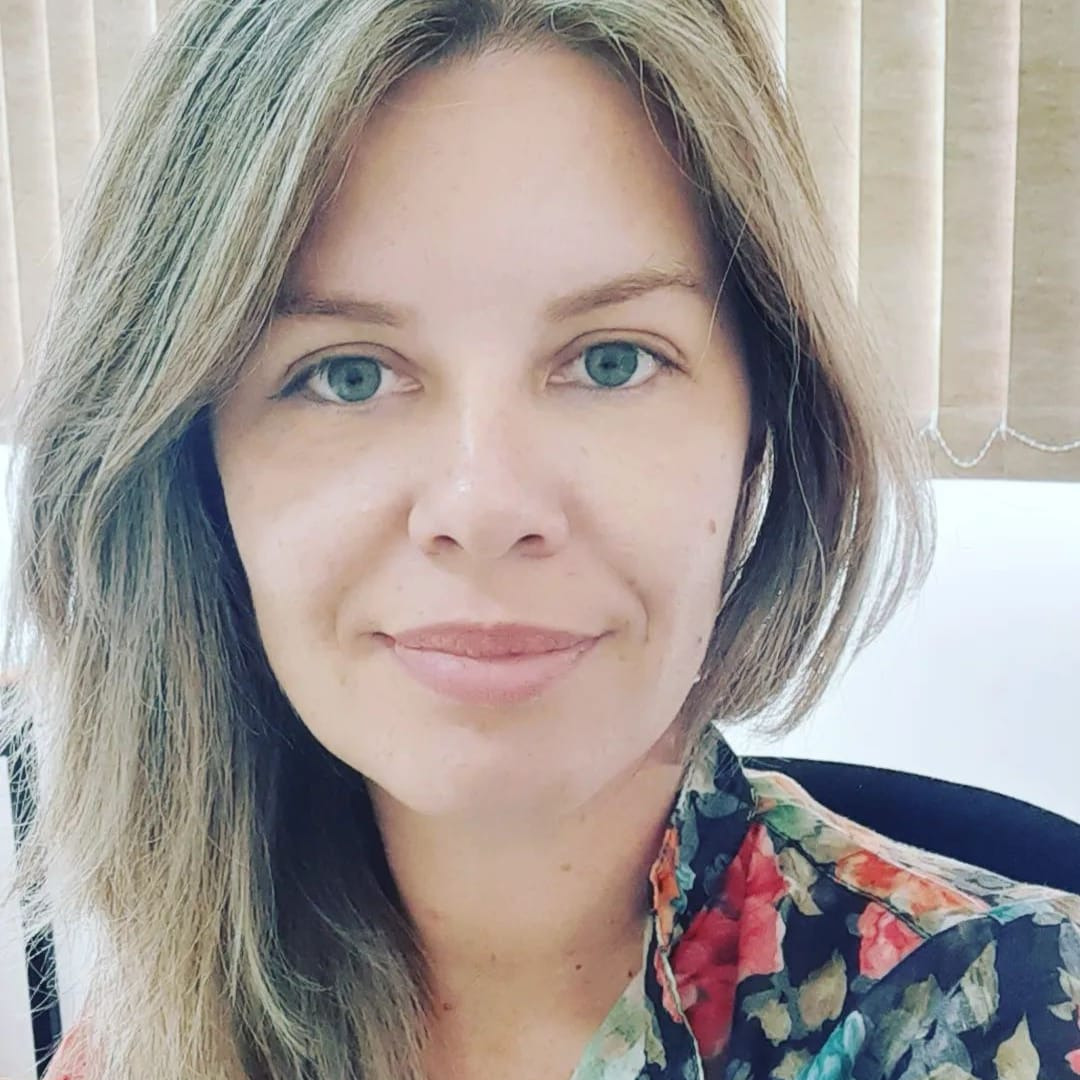
Department of Food Engineering and Chemical Engineering, Santa Catarina State University (UDESC), Pinhalzinho, Brazil
Aniela Pinto Kempka, Food Engineer with a PhD in Chemical Engineering, is a Full Professor at Santa Catarina State University (UDESC), Brazil. Her research focuses on protein science and bioprocessing, with particular emphasis on enzymatic hydrolysis, fermentation technologies, functional protein ingredients, bioactive peptides, peptidomics, and computational approaches for peptide discovery and characterization.
Her work integrates molecular-level information with process design and ingredient functionality, with applications in food, health, and animal nutrition. She has authored more than 130 scientific publications and has extensive experience supervising graduate students and researchers in food science, biotechnology, and bioprocess engineering. She serves as Editor of Discovery Food and Associate Editor of Frontiers in Allergy. Her current research interests include precision fermentation, next-generation protein ingredients, fermentation-derived bioactive peptides, and the integration of omics and in silico tools into functional ingredient development.
Keywords:
Precision fermentation; Alternative proteins; Microbial fermentation; Microbial protein production; Novel protein sources; Fermentation-derived ingredients; Bioprocessing; Food biotechnology.
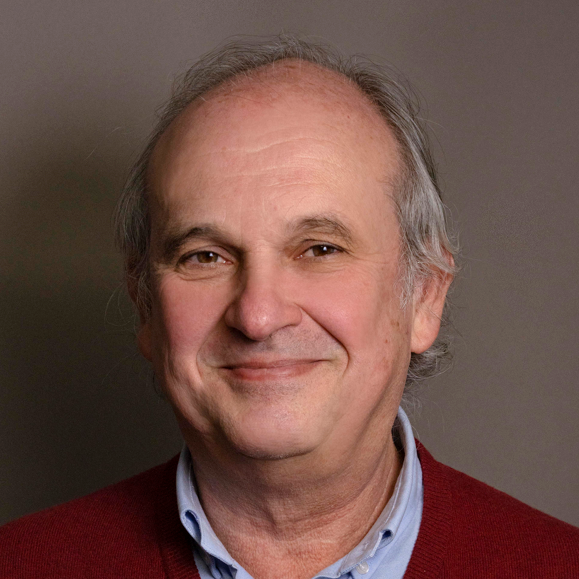
Departamento Recursos Naturais Ambiente e Território, Instituto Superior de Agronomia, Lisboa, Portugal
Manuel is an Associate Professor at the Instituto Superior de Agronomia (ISA), University of Lisbon, teaching classes related with Food and Wine Microbiology since 1987. His research is mainly related with food and wine spoilage yeasts, microbial ecology of the vineyard environment and wine tasting methods. He recently begun to uncover the ancestral winemaking techniques to valorise wine historical heritage. He believes that wine is more than just a drink and to be properly appreciated other tasting approaches using emotional responses should be used. The divulgation book “Mastering the art of enjoying wine, from Enology to Enosophy” is the reflect of his ideas about the wine world. He recently demonstrated that the claim that every alcohol amount is hazardous to health has no scientific justification.
Keywords
Fermented foods and beverages; One health; probiotics; antibiotic resistance; Mediterranean diet.
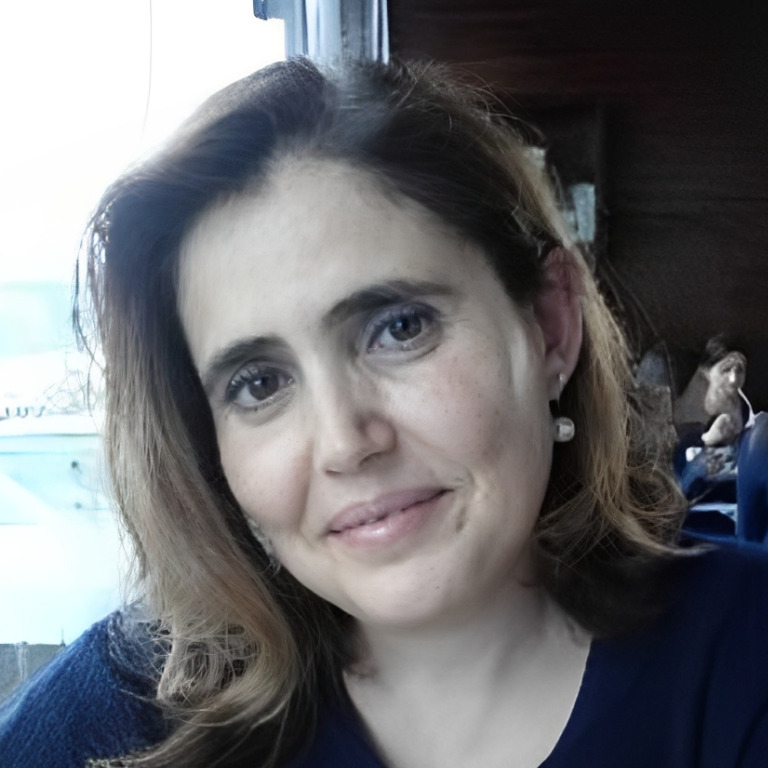
Department of Agronomy, University of Trás-os-Montes and Alto Douro (UTAD), Vila Real, Portugal
Alice Vilela has a degree in Enology, a Master's degree in Genetics and Species Improvement, and a PhD in Microbiology from UTAD. She began her teaching career at UTAD in 1999 and is currently an Assistant Professor in the Department of Agronomy at the School of Agricultural and Veterinary Sciences (ECAV). Her teaching experience encompasses undergraduate, master's, and doctoral courses, and she serves as the head of several curricular units, advising students across three teaching cycles. She is involved in university management activities, holding leadership positions as Director of the Master's Degree in Enology and Viticulture and Vice-Director of the Bachelor's Degree in Enology. She is the Director of the UTAD Tasters panel. Actively disseminates knowledge, organizes, and participates in international and national events, as well as university extension activities within and outside Portugal. Participated in more than 20 strategic projects with competitive financing and national and global partnerships. Her research focuses on the bioreduction of volatile acidity in wines, biodealcoholization of wines, sensory evaluation of food and wines, and development of sensory tests. She has published more than 110 articles in international scientific journals, 14 technical articles, 25 book chapters, and over 120 conference proceedings publications. Her h-index is currently 33. She is an active reviewer for several SCI journals, including Food Research International, Journal of the Science of Food and Agriculture, Food Chemistry, Journal of Gastronomy and Food Science, and several MDPI journals (Foods, Fermentation, Beverages, and Molecules). Additionally, she serves as an Academic Editor and is a member of the Editorial Board of several SCI journals. In 2021-2025, Stanford University, USA, recognized her as among the world's 2% most cited scientists. On March 20, 2026, she received the '2025 Researcher of the Year Award ' from UTAD.
Keywords
Fermented foods; Food safety; Quality control; Microbial fermentation; Sensory properties; Starter cultures.
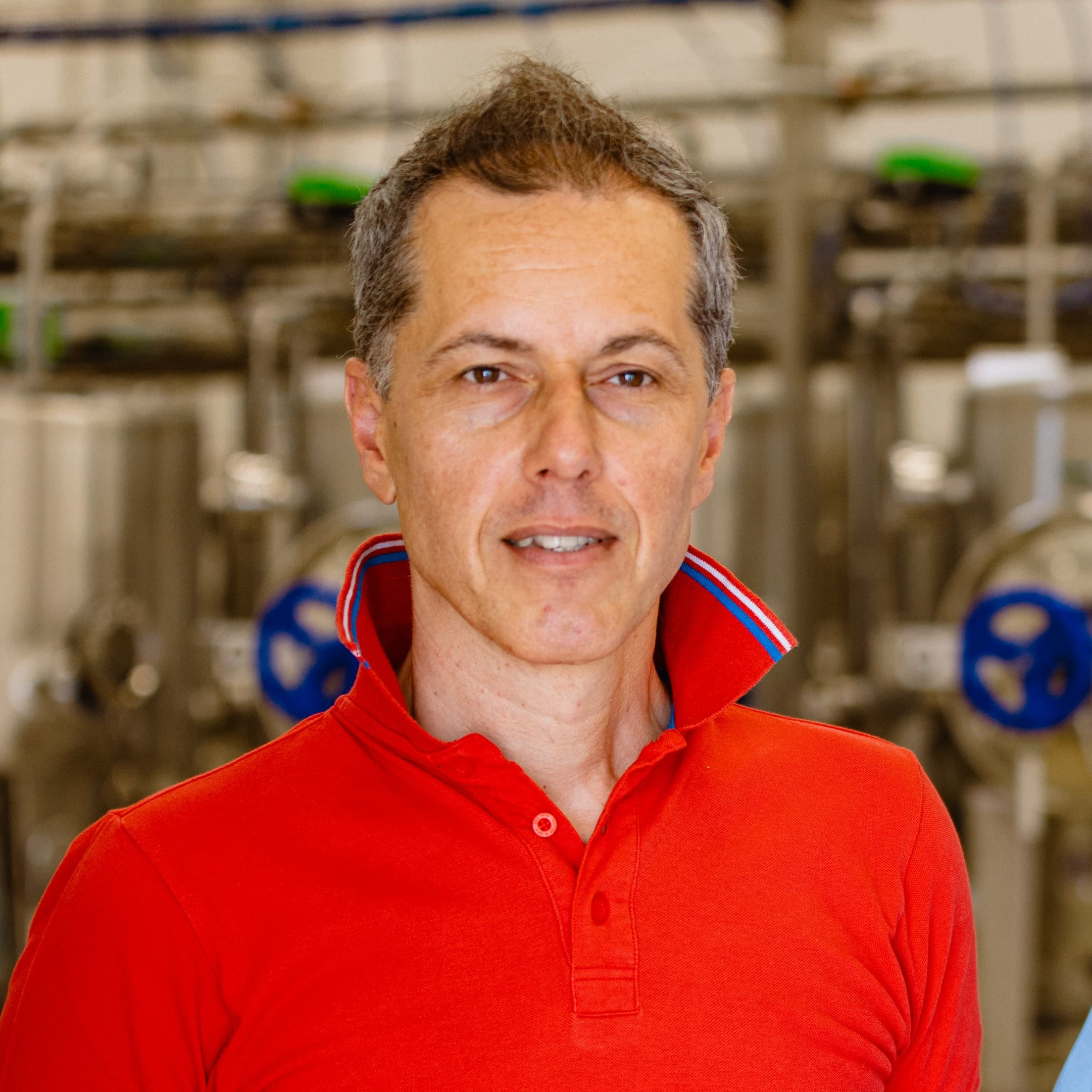
Department of Agricultural Food Environmental and Animal Sciences, University of Udine, Udine, Italy
Piergiorgio Comuzzo is Associate Professor of Food Science and Technology at the University of Udine (UNIUD), Italy. His specialization covers wine technology and the processing of fermented beverages. He is Director of the Master's Program in Wine Supply Chain Management at UNIUD and lecturer at the European Master of Viticulture and Enology, Euromaster Vinifera. He has authored more than one hundred scientific and technical publications, over 50 of which are in peer-reviewed journals, five book chapters, and one edited book. He serves as Associate Editor of the journals Fermentation and Frontiers in Nutrition (section Food Chemistry)
Keywords
Agri-Food By-products; Microbial Bioconversion; Biorefinery; Value-Added Products; Circular Bioeconomy
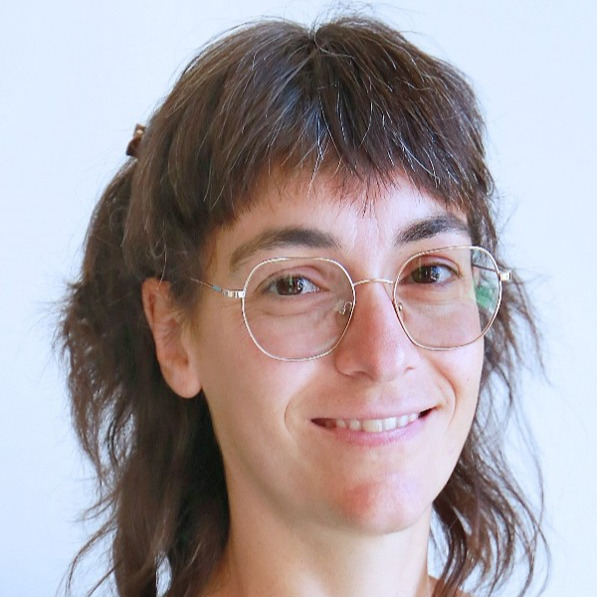
Chemistry and Food Technology Department, Universidad Politécnica de Madrid, Madrid, Spain
Dr. Iris Loira is a professor and researcher in the Department of Chemistry and Food Technology at the School of Agricultural, Food and Biosystems Engineering of the Universidad Politécnica de Madrid (UPM). She holds degrees in Agricultural Engineering and in Food Science and Technology, together with an MSc in Viticulture and Enology and a PhD focused on the optimization of fermentation processes in red wines produced under warm-climate conditions. Her research expertise lies at the intersection of wine microbiology, fermentation science and emerging oenological technologies. Her work focuses on the application of non-thermal technologies and the use of non-Saccharomyces yeasts as innovative tools to enhance fermentation efficiency and improve wine quality in a winemaking environment impacted by climate change. She has published over 50 scientific papers in international peer-reviewed journals and has contributed to numerous research and innovation projects in collaboration with academic institutions and industry partners. Her research aims to promote sustainable and science-based solutions for the future of the wine sector.
Keywords
Multi-omics; Fermented foods; Microbial communities; Genomics; Metagenomics; Transcriptomics; Proteomics; Metabolomics; Lipidomics; Food quality; Food safety; Process optimization; Food innovation.