The 1st International Online Conference on Photochemistry
Part of the International Online Conference on Photochemistry series
8–9 April 2026
16 January 2026
20 February 2026
6 April 2026
Photochemistry, Photocatalysis, Environmental Remediation, Solar Energy Conversion, Photodynamic Therapy, Photoluminescent Materials
- Go to the Sessions
- Event Details
Announcements:
Registrations are Open till 6th April 2026. Register for Free HERE.
We will notify you about your abstract presentation type by 23rd March 2026.
Please check your email frequently to avoid missing notifications. Thank you for your patience.
Welcome from the Chair
Dear Colleagues,
We are excited to announce the 1st International Online Conference on Photochemistry (IOCPC 2026), taking place from 8–9 April 2026. Co-organized by Dirk M. Guldi (FAU Erlangen) and MDPI, this distinguished event will bring together leading experts from the world of photochemistry and related fields for an inspiring and informative gathering.
The conference will provide an excellent opportunity to explore the latest advancements, future research directions, and key developments in the dynamic field of photochemistry. This conference will serve as an engaging platform for discussions on photochemical, photophysical, and photobiological sciences, offering an ideal environment for lively exchanges, new ideas, and potential collaborations. It’s a fantastic chance to stay up-to-date with the latest trends, share exciting research, and connect with prominent scientists and top industry leaders from around the globe.
This event will be held entirely online, making it accessible to participants from around the globe—no travel hassles, no expenses, just seamless involvement from anywhere. As a fully digital conference, IOCPC 2026 offers a dynamic platform for instant and direct exchange of the latest research breakthroughs and innovative ideas. Best of all, participation is completely free, giving you the opportunity to engage, learn, and connect with the global community without any barriers.
IOCPC 2026, proudly sponsored by MDPI and the esteemed journal Photochem, invites scholars and experts to join in a dynamic exchange of ideas. Conference proceedings, together with papers and presentations, will be accessible on the conference website and in MDPI’s Chemistry Proceedings journal, where vibrant discussions will take place from 8 to 9 April 2026. Don’t miss the opportunity to be part of this cutting-edge scientific dialogue.
After the conference, authors are invited to submit extended and enhanced versions of their proceedings papers to a prestigious Special Issue in Photochem. As a token of our appreciation, a generous 20% discount on article processing charges will be offered, providing an excellent opportunity to further showcase your research in a high-impact journal.
Best regards,
Prof. Dr. Dirk M. Guldi
Department of Chemistry and Pharmacy, Interdisciplinary Center for Molecular Materials
Friedrich-Alexander-Universität, Erlangen-Nürnberg, Germany

Program Overview
|
8th April 2026 |
9th April 2026 |
|
Welcome and Opening Remarks (09:00 CEST| 08:00 WEST) |
Session 1. Photocatalysis and Session 3. Photocatalytic Energy Conversion Keynote and Invited Talks (09:30 CEST) |
|
Session 2. Photochemistry for Environmental Remediation Keynote and Invited Talks (09:00 CEST| 08:00 WEST) |
|
|
Break |
Break |
|
Session 5. Photoluminescent Materials Keynote and Invited Talks (14:00 CEST| 15:00 EEST) |
Session 4. Photodynamic and Photothermal Therapy and Flash Poster Session Keynote and Invited Talks (14:00 CEST| 13:00 WEST) |
|
Closing Remarks |
EEST- Eastern European Summer Time
WEST- Western European Summer Time
Event Chair
Department of Chemistry and Pharmacy, Interdisciplinary Center for Molecular Materials, Friedrich-Alexander-Universität Erlangen-Nürnberg, Germany
The research accomplishments of the Guldi group center on controlling photon and charge management in molecules and nanoscale materials. At the heart is always a multifaceted and interdisciplinary research program, where his group designs, conceptually devises, synthesizes, tests, and characterizes novel nanometer scale materials with the objective of using them in solar energy conversion schemes. A broad range of spectroscopic and microscopic techniques are routinely employed to address aspects that correspond to the optimization and fine-tuning of dynamics and/or efficiencies of charge separation, charge transport, charge shift, and charge recombination processes.
Session Chairs
Dr. Vincenzo Vaiano
Department of Industrial Engineering, University Salerno, Fisciano, Italy
Vincenzo Vaiano is Associate Professor of Industrial Chemistry at Department of Industrial Engineering of University of Salerno. In March 2006 he received the PhD in Chemical Engineering (Thesis: "Heterogeneous Photocatalytic Selective Oxidation of Cyclohexane"). He published more than 270 papers on International Journals (h-index 55 from SCOPUS). The main research lines are: photocatalysis for sustainable chemistry, photocatalytic and photo-Fenton processes for pollutant removal in wastewater, catalytic combustion of sewage sludge, decomposition and oxidative decomposition of H2S.
Dr. Olga Sacco
Department of Chemistry and Biology "A.Zambelli", University of Salerno, Fisciano, Italy
Olga Sacco is an Assistant Professor of Industrial Chemistry at the University of Salerno, in the Department of Chemistry and Biology “A. Zambelli.” She graduated in Chemical Engineering from the University of Rome "La Sapienza" in 2011 and earned her Ph.D. in 2014, focusing on photocatalytic oxidation of organic pollutants using N-doped TiO₂. Her research centers on designing and studying nanostructured photocatalysts and other catalytic materials, with applications in water treatment, selective chemical reactions, CO₂ reduction, and ammonia fixation.
Prof. Dr. Rui Fausto
Department of Chemistry, Coimbra Chemistry Center (CQC-IMS), University of Coimbra, Coimbra, Portugal; Spectroscopy@IKU ERA-Chair, Istanbul Kultur University, Department of of Physics, Faculty of Sciences and Letters, Istanbul, Turkey
Rui Fausto is a Full Professor at the University of Coimbra (UC), Portugal, and at Istanbul Kültür University (IKU), Türkiye. He is a leading expert in molecular spectroscopy, photochemistry and computational chemistry. His pioneer research combines experimental spectroscopy and quantum-chemical modeling to study the structure, dynamics, and photochemistry of isolated molecules and different types of materials. Prof. Fausto is the President of the European Congress on Molecular Spectroscopy (EUCMOS) series of meetings and serves as the Editor-in-Chief of the journal "Photochemistry and Spectroscopy" (SciLight Publishers). He has authored over 550 scientific publications and delivered numerous invited lectures worldwide. He serves as the ERA Chair Holder of the European Union’s Horizon Europe WIDERA Programme supported Spectroscopy@IKU Project, and leads the development of IKU-SPECTRA Molecular Sciences & Spectroscopy Applied Research Center.
Prof. Dr. Dirk Poelman
Lumilab, Department of Solid State Sciences, Ghent University, Gent, Belgium
Senior professor Dirk Poelman is head of the Lumilab research group at Ghent University, and performs research on photochemical and photophysical processes in photoluminescent, photochromic, and photocatalytic materials. His research includes phosphors for white LEDs and displays, infrared‑emitting materials for medical imaging, and photocatalysis for air and water purification. He has organized major conferences in the field of luminescence and serves in several editorial roles for journals related to photochemistry and materials science.
Prof. Dr. Detlef W. Bahnemann
Institute for Technical Chemistry, Leibniz University Hannover, Hannover, Germany; International Joint Center for Nature Inspired Carbon Neutrality Solutions, Saint-Petersburg State University, Saint-Petersburg, Russia
Prof. Dr. Detlef W. Bahnemann is Director of the International Joint Center for Nature Inspired Carbon Neutrality Solutions at St. Petersburg State University (Russia), Distinguished Professor at Shaanxi University of Science & Technology, Xi’an (Peoples Republic of China), and retired Professor for Technical Chemistry at the Leibniz University Hannover (Germany). He is a Highly Cited Author with his current h-Index being 122, whose papers have been cited more than 88,000 times altogether. Currently, he is Visiting Scholar at Queens University Belfast (United Kingdom), Fellow of the European Academy of Sciences (EURASC) and Member of the Academia Europaea (AE).
Event Committee
Department of Engineering and Applied Sciences, University of Bergamo, Bergamo, Italy
semiconductor photocatalysts; photocatalysis for environmental applications
Technical Institute of Physics and Chemistry Chinese Academy of Sciences, Beijing, China
organic chemistry; photochemistry; supramolecular chemistry; physical organic chemistry; photoinduced electron transfer and energy transfer
College of Chemistry, Central China Normal University, Wuhan, China
visible light catalysis; photochemical synthesis; free radical chemistry; asymmetric catalysis
Laboratory of Environmental Sciences and Technology, Xinjiang Technical Institute of Physics & Chemistry,
Key Laboratory of Functional Materials and Devices for Special Environments, Chinese Academy of Sciences, Urumqi , China
catalysis and photo/electro-catalysis for nanostructured materials, including material design, synthesis, functionality evaluation and in situ surface probe studies, with a focus on applications in photo/electrochemical energy conversion and environmental
Faculty of Chemistry, Jagiellonian University, Gronostajowa 2, Krakow, Poland
heterogeneous photocatalysis; advanced oxidation processes (AOPs); environmental purification; plasmonic nanoparticles; antimicrobial properties; visible-light-responsive materials
Department of Chemical Engineering, Materials, and Industrial Production, University of Naples "Federico II", Napoli, Italy
hydrogen; kinetic modeling; environmental catalysis; catalytoc materials; ammonia; photocatalysis; industrial chemistry; process engineering; advanced oxidation processes; industrial safety; machine learning
State Key Laboratory of Fine Chemicals, Frontiers Science Center for Smart Materials, School of Chemical Engineering, Dalian University of Technology, Dalian, China
Department of Chemistry, Institute for Chemical Research of the University of La Rioja (IQUR), University of La Rioja, Logroño, Spain
photochemistry; photophysics; molecular photoswitches; computational chemistry; organic synthesis; sunscreens; energy storage; luminescence; spectroscopy
National Institute for R&D in Microtechnologies - IMT Bucharest, Bucharest, Romania,
Center of Materials Technology and Photonics, Hellenic Mediterranean University, Crete, Greece
nanotechnology; materials engineering and applications: photocatalytic materials; materials for environmental and clean energy applications; composite materials for electromagnetic shielding; transparent electrode materials development including graphene
Department of Chemistry, University of Kentucky, Lexington, USA
environmental photochemistry; interfacial oxidations; environmental monitoring; prebiotic chemistry; photocatalytic CO2 reduction; environmental chemistry
ISCR (Institute of Chemical Sciences of Rennes), University of Rennes, Rennes, France
biphotonic absorbers; redox-switchable NLO-phores; redox-driven molecular switches; molecular spectroscopy; molecular photonics and electronics; catalysis
Institute for Technical Chemistry, Leibniz University Hannover, Hannover, Germany,
International Joint Center for Nature Inspired Carbon Neutrality Solutions, Saint-Petersburg State University, Saint-Petersburg, Russia
Photo catalysis; self-cleaning, superhydrophilic, and antibacterial surfaces; metal and semiconductor particles; nanocristalyne transparent coatings; functional test according to din, cen, and iso
Department of Chemistry, Tsinghua University, Beijing, China
rare earth; luminescence; Ac-LED, OLED; nanomaterials
Department of Applied Science and Technology, Politecnico di Torino, Torino, Italy
functional nanomaterials for energy conversion and optoelectronics; carbon nanostructuresl 2d materials; chemical functionalization; halide perovskites
CQC-IMS, Department of Chemistry, University of Coimbra, Rua Larga, Coimbra, Portugal
computational chemistry, nuclear magnetic resonance spectroscopy, infrared spectroscopy, transition metal complexes, small organic molecules,
The National Institute of Advanced Industrial Science and Technology (AIST), Ibaraki, Japan
Noble gas; spectroscopy; Imaging
Faculty of Chemistry and Biology, Fresenius University of Applied Sciences, Idstein, Germany,
College of Science and Engineering, James Cook University, Townsville, Australia
Heinrich Heine University Düsseldorf, Institute of Organic Chemistry and Macromolecular Chemistry
multicomponent reactions; heterocyclic chemistry; functional chromophores; Diversity-Oriented Synthesis; domino reactions; alkaloids
University of Palermo, Physics and Chemistry Department, Palermo, Italy
Optical; carbon nanodots; anticancer applications
Department of Chemistry, Polytechnic University of Valencia, Valencia, Spain
Photocatalysts, photo chemistry; Photoredox Catalysis; organic synthesis
Institute for Open and Transdisciplinary Research Initiatives The University of Osaka, Osaka, Japan
diprotonated porphyrin; adical-scavenging activity; oxygen atom transfer; hydrogen atom transfer; photoinduced electron transfer; photochemical oxygenation
Chemistry Department, College of Arts and Sciences, Bowling Green State University, Bowling Green, USA
physical organic chemistry, photochemistry, esr
Co-spokesperson of TRR 234 CataLight, Institute for Inorganic Chemistry I, Ulm University, Ulm, Germany
Photocatalysis; ruthenium polypyridyl complexes, hydrogen generation; Molecular Catalysts for Hydrogen Production Advances
Department of Chemistry, Yonsei University, Seoul, Republic of Korea
photophysics; photochemistry; energy; Singlet Fission; Ultrafast spectroscopy; Exciton Dynamics; Vibronic coupling; charge separation; Time-resolved Raman spectroscopy; Perylene bisimide aggregates; molecular photophysics
Keynote Speakers
Department of Chemistry, University of Coimbra, Coimbra, Portugal
Flash Photodynamic Therapy: new opportunities for more selective and efficient treatments
Trained as a Photochemist (PhD in 1988), Luis Arnaut became Professor of Chemistry at the University of Coimbra in 2005. Author of >200 peer-reviewed publications that collected >10000 citations, he is included in the Stanford/Elsevier list of “World’s Top 2% Scientists” since 2020. He is inventor of 10 patent families, founder of two Pharma/Biotech companies, Editor of Photochemical and Photobiological Sciences (Springer | Nature), founding Director of the Coimbra LaserLab, which is part of LaserLab Europe – the Integrated Initiative of European Laser Reasearch Infrastructures – where he serves in the Executive Board. Luis Arnaut was the President of the International Photodynamic Association from 2017 to 2023.

S4. Photodynamic and Photothermal Therapy
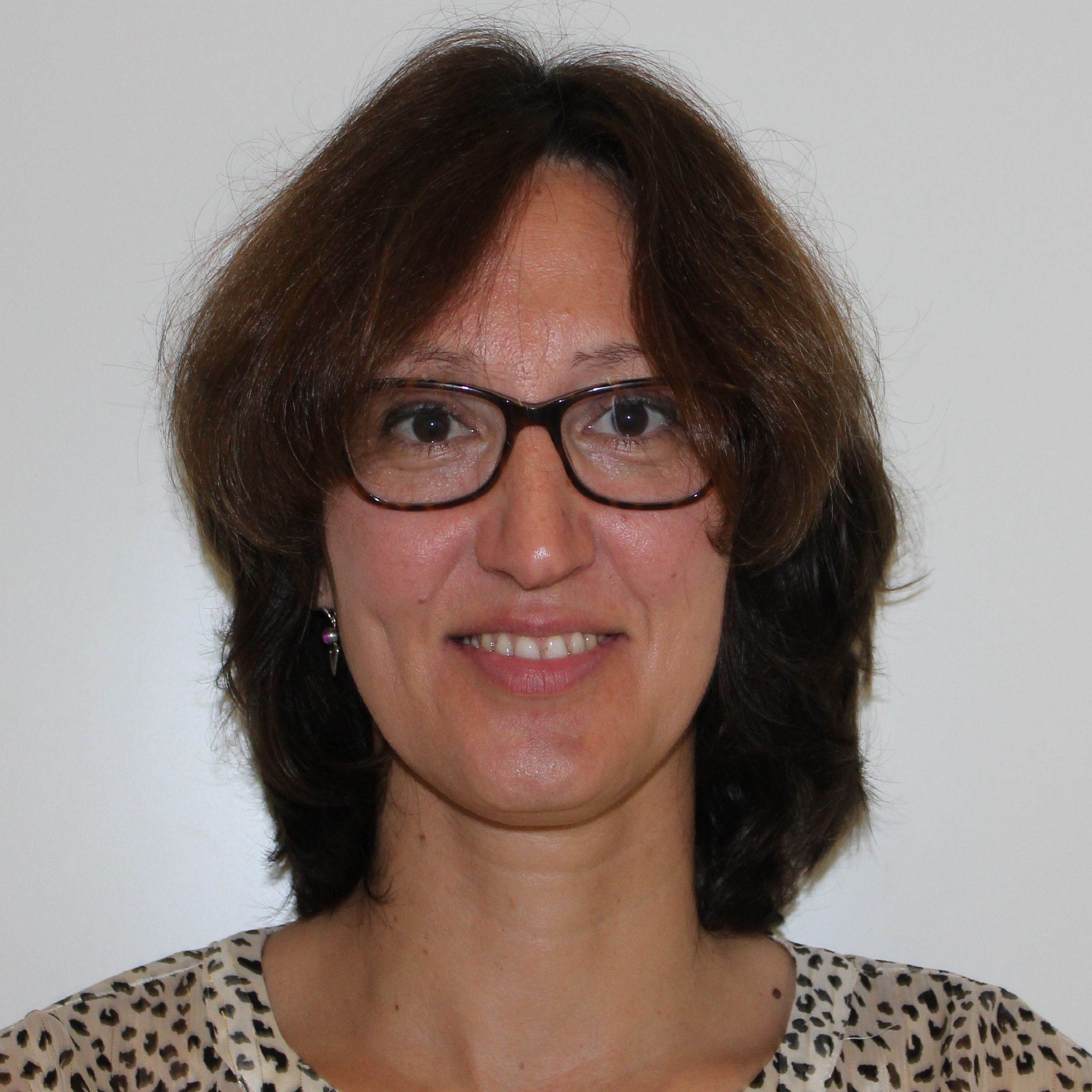
From Molecular Design to Hypoxic Tumor Models: The Critical Role of Triplet Lifetime in Photodynamic Efficacy
Prof. Janusz Dabrowski completed his master's degree in biological chemistry at the Faculty of Chemistry of Jagiellonian University, and then in 2009 he successfully defended with honors his PhD prepared with collaboration with Faculty of Biochemistry, Biophysics and Biotechnology. Since 2018, he has been an independent researcher at the Faculty of Chemistry, Jagiellonian University (habilitation work was awarded by the Prime Minister and the Polish Chemical Society), and currently he is a the professor at the Jagiellonian University. His research focuses on: i) design, physicochemical characterization, and biological evaluation of novel porphyrin and phthalocyanine metal complexes for antimicrobial and anticancer photodynamic therapy (PDT); ii) combination of PDT with immune checkpoint inhibition, particularly targeting the PD-1/PD-L1 axis in cancer immunotherapy; iii) development of nanostructured materials for photodynamic inactivation of multidrug-resistant bacteria. Prof. Dabrowski is the author and co-author of over 70 peer-reviewed scientific articles in the fields of chemical biology, medicinal chemistry, photochemistry, and molecular phototherapy. His research has been cited more than 4900 times, with an h-index of 40.
S4. Photodynamic and Photothermal Therapy
Inorganic Chemistry Department, University Materials Institute of Alicante (IUMA), University of Alicante, Alicante, Spain
From Pollutant Removal to Green Fuels: Photocatalysts for Environmental Applications
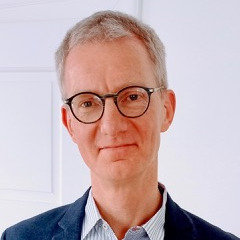
Maria Angeles Lillo Ródenas has been a Full Professor at the Inorganic Chemistry Department and Materials University Institute at the University of Alicante since 2017. She has authored more than 100 international peer-reviewed publications, over 80 of them in JCR Q1 journals, accumulating more than 7,500 citations in Scopus (h-index = 39) and 10,000 citations in Google Scholar (h-index = 43), and is included in the Stanford-Elsevier Top 2% Highly Cited Researchers list in 2025. Her research focuses on the design, preparation, and application of carbon-based and inorganic materials for catalysis and photocatalysis, targeting environmental remediation, biomass valorization, and sustainable hydrogen production; she is co-inventor of eight patents and has coordinated industry-driven and publicly funded and research projects.

S2. Photochemistry for Environmental Remediation
Institute of Electronics, Bulgarian Academy of Sciences, Sofia, Bulgaria
Tautomerism and Photoswitching: Experimental vs Theoretical Spectrometer in the design of Proton Cranes
Liudmil Antonov is a Professor in Chemistry from Bulgarian Academy of Sciences with research in the fields of physical organic chemistry, molecular spectroscopy and tautomerism. Since 2026 he heads The University Centre on Tautomeric Research and Education in Science and Technology (UCTREST) at University of Plovdiv, funded by the National Government. The Centre deals with fundamental aspects of the tautomerism (solvent and structural effects), excited state intramolecular proton transfer for switching and signalling, tautomerism and bioactivity.
S5. Photoluminescent Materials
University of Strasbourg - CNRS Télécom Physique Strasbourg, Institut de Physique et Chimie des Matériaux de Strasbourg, Strasbourg, France
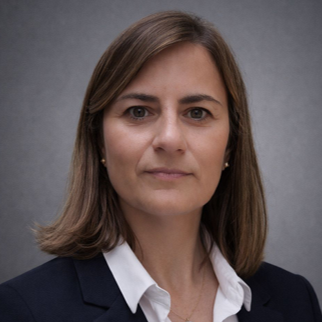
Ultrafast Spectroscopy of Molecules Designed for Light-Energy Conversion
Stefan Haacke is Professor in Physics at the University of Strasbourg and former director of the Strasbourg Institute of Physics and Chemistry of Materials (IPCMS). His research is devoted to the development and use of ultrafast spectroscopic techniques for the investigation of the functional properties of molecular materials designed for photo-chemical applications, such as solar cells or photo-catalytic reduction of CO2.
S3. Photocatalytic Energy Conversion
Registration
The registration for IOCPC 2026 will be free of charge! The registration includes attendance to all conference sessions.
If you are registering several people under the same registration, please do not use the same email address for each person, but their individual university email addresses. Thank you for your understanding.
Please note that the submission and registration are two separate parts. Only scholars who registered can receive a link to access the conference live streaming. The deadline for registration is 6 April 2026.
Instructions for Authors
IOCPC 2026 will accept abstracts only. The accepted abstracts will be available online on Sciforum.net during and after the conference.
Important Deadline
- Deadline for abstract submission: 16 January 2026.
- Abstract acceptance notification: 20 February 2026.
Please note:
An abstract acceptance email only confirms that your abstract has been accepted. Oral or poster presentation invitations are determined separately by the conference chairs, and you will receive an additional email with the presentation result.
If you do not have an account, please register at www.sciforum.net. After logging in, submit your abstract using the “Submit Abstract” button on the conference homepage. No template is required.
Abstract Requirements
- Types of Submissions
- Accepted: Original research abstracts; systematic reviews or meta-analyses abstracts (must comply with PRISMA 2020).
- Not accepted: Narrative, scoping, comparative, perspective, opinion, or essay-style reviews - Content Requirements
- Length: 200–300 words
- Structure: Introduction, Methods, Results, Conclusions
- Language: Clear, publication-ready English
- Originality: Must be original and unpublished; previously published abstracts will not be considered
3. Authorship
- The submitting author must ensure all co-authors approve the content.
- Authors may submit multiple abstracts, but only one abstract per author may be selected for an oral presentation.
Presentation Requirements
1. Each abstract must designate one presenter. To change the presenter, please contact us after you receive the oral/poster presentation invitation.
2. Only live presentations are accepted.
3. Presenters who do not attend the live session will not be eligible for awards or presentation certificates.
All accepted abstracts will be published in the conference report of the 1st International Online Conference on Photochemistry (IOCPC 2026) in MDPI’s Chemistry Proceedings journal (ISSN: 2673-4583); if you wish to publish an extended proceeding paper (4-8 pages), please submit it to the same journal after the conference.
The slot for the oral presentation is 15 mins. We advise that your presentation lasts for a maximum of 12 mins, leaving at least 3 mins for the Q&A session.
Authors are encouraged to prepare a presentation in PowerPoint or similar software, to be displayed online along with the abstract. Slides, if available, will be displayed directly on the website using the proprietary slide viewer at Sciforum.net. Slides can be prepared in exactly the same way as for any traditional conference where research results are presented. Slides should be converted to PDF format prior to submission so that they can be converted for online display.
- Should include the title, authors, contact details and main research findings, as well as tables, figures and graphs where necessary.
- Size in pixel: 1080 width x 1536 height–portrait orientation.
- Size in cm: 38,1 width x 54,2 height–portrait orientation.
- Font size: ≥16.
- Examples of successful submissions can be viewed here at the following links: (1), (2), (3).
- You can use our free template to create your poster.
The poster template can be downloaded HERE. We will reach out to you closer to the dates of the conference with more information.
It is the author's responsibility to identify and declare any personal circumstances or interests that may be perceived as inappropriately influencing the representation or interpretation of clinical research. If there is no conflict, please state "The authors declare no conflicts of interest." This should be conveyed in a separate "Conflict of Interest" statement preceding the "Acknowledgments" and "References" sections at the end of the manuscript. Any financial support for the study must be fully disclosed in the "Acknowledgments" section.
MDPI, the publisher of the Sciforum.net platform, is an open-access publisher. We believe authors should retain the copyright to their scholarly works. Hence, by submitting an abstract to this conference, you retain the copyright to the work, but you grant MDPI the non-exclusive right to publish this abstract online on the Sciforum.net platform. This means you can easily submit your full paper (with the abstract) to any scientific journal at a later stage and transfer the copyright to its publisher if required.
Publication Opportunities
2. Proceeding Paper Publication
All accepted abstracts will be published in the conference report of the 1st International Online Conference on Photochemistry (IOCPC 2026) in the Chemistry Proceedings (ISSN: 2673-4583); if you wish to publish an extended proceeding paper (4-8 pages), please submit it to the same journal after the conference.
Manuscripts for the proceedings issue must be formatted as follows:
- Title;
- Full author names;
- Affiliations (including full postal address) and authors' e-mail addresses;
- Abstract;
- Keywords;
- Introduction;
- Methods;
- Results and Discussion;
- Conclusions;
- Acknowledgements;
- References.
Please click HERE to submit your proceeding paper to the Chemistry Proceedings .
IOCPC2026_proceeding_paper-template.dot
Event Awards
To acknowledge the support of the conference's esteemed authors and recognize their outstanding scientific accomplishments, we are pleased to announce that the conference will provide 3 awards including Best Oral Presentation Awards and Best Poster Awards.
The Awards
Number of Awards Available: 3
The Best Oral Presentation Awards are given to the paper judged to make the most significant oral contribution to the conference.
- Eligibility: Open to all authors selected as oral speakers who have delivered their presentation.
- Criteria: Evaluation based on content quality, delivery clarity, audience interaction, and overall impact.
The Best Poster Awards are given to the submission judged to make the most significant and interesting poster for the conference.
- Eligibility: Open to all authors who have presented their work through posters.
- Criteria: Evaluation based on scientific merit, creativity, and ability to attract and engage viewers.
There will be 3 winners selected for these awards. The winner will receive a certificate and 200 CHF each.
Sponsors and Partners
For information regarding sponsorship and exhibition opportunities, please click here.
Organizers
Co-organizers
Media Partners
Conference Secretariat
Ms. Greta-Laura Balan
Mr. Russell Wang
Mr. Ionut Spatar
Email: iocpc2026@mdpi.com
For inquiries regarding submissions and sponsorship opportunities, please feel free to contact us.
S1. Photocatalysis
Session Chair
Dr. Vincenzo Vaiano, Department of Industrial Engineering, University Salerno, Fisciano, Italy
Show all accepted abstracts (40) Hide accepted abstracts (40)
List of Accepted Abstracts (40) Toggle list
S2. Photochemistry for Environmental Remediation
The following session explores the latest advances in photochemical processes and photocatalytic materials aimed at addressing environmental pollution. The primary focus is on the development and application of innovative photocatalysts for the degradation of organic pollutants, the removal of heavy metals, and the disinfection of water and air. Emphasis will be placed on understanding the fundamental photophysical and photochemical mechanisms that drive pollutant breakdown, in addition to the design of sustainable, efficient, and cost-effective photocatalytic systems for environmental remediation under solar or visible light.
Keywords: Photocatalysis, Environmental Remediation, Organic Pollutant Degradation, Visible-Light Photocatalysts, Advanced Oxidation Processes, Semiconductor Materials, Water Treatment, Air Treatment.
Session Chair
Dr. Olga Sacco, Department of Chemistry and Biology "A.Zambelli", University of Salerno, Fisciano, Italy
Show all accepted abstracts (18) Hide accepted abstracts (18)
List of Accepted Abstracts (18) Toggle list
S3. Photocatalytic Energy Conversion
Session Chair
Prof. Dr. Detlef W. Bahnemann, Institute for Technical Chemistry, Leibniz University Hannover, Hannover, Germany, International Joint Center for Nature Inspired Carbon Neutrality Solutions, Saint-Petersburg State University, Saint-Petersburg, Russia
Show all accepted abstracts (6) Hide accepted abstracts (6)
List of Accepted Abstracts (6) Toggle list
S4. Photodynamic and Photothermal Therapy
Photodynamic and Photothermal Therapies represent exciting and rapidly evolving areas at the intersection of photochemistry and medical science. This session will bring together researchers and clinicians to explore innovative, light-activated approaches to disease treatment. Topics will include novel photosensitizers, nanomaterials, clinical applications, and the latest breakthroughs in therapeutic techniques.
Join the conversation shaping the future of non-invasive, light-based therapies. Register now to connect with leading experts from around the globe!
Keywords: Photodynamic Therapy (PDT), Photothermal Therapy (PTT), Photosensitizers, Nanomedicine, Light-Activated Treatments.
Session Chair
Prof. Dr. Rui Fausto, Department of Chemistry, Coimbra Chemistry Center (CQC-IMS), University of Coimbra, Coimbra, Portugal, Spectroscopy@IKU ERA-Chair, Istanbul Kultur University, Department of of Physics, Faculty of Sciences and Letters, Istanbul, Turkey
Show all accepted abstracts (9) Hide accepted abstracts (9)
List of Accepted Abstracts (9) Toggle list
S5. Photoluminescent Materials
Luminescent materials (or phosphors) are ubiquitous in lighting applications and have led to high performance, high colour rendering white LEDs. Apart from optimisation in LED phosphors, contemporary research interest focuses on extending phosphor emission towards shorter (UV) and longer (NIR) emission wavelengths, phosphors for thermometry, stress sensing, dosimetry, bio-imaging, persistent luminescent materials for safety and street illumination, and energy storage.
Join us to discuss state-of-the-art developments in this field!
Keywords: Solid state lighting; Bio-imaging; Theranostics; Luminescence Thermometry; Persistent Luminescence
Session Chair
Prof. Dr. Dirk Poelman, Lumilab, Department of Solid State Sciences, Ghent University, Gent, Belgium
Show all accepted abstracts (15) Hide accepted abstracts (15)
List of Accepted Abstracts (15) Toggle list