Sessions & Session Chairs
Sessions
S1. Protein Structure and Dynamics
S2. Enzymes
S3. Molecular & Cellular Mechanisms of Disease (Cancer, Autophagy, Immunity)
S4. Genetics, Genomics, Epigenetics, and Gene Regulation (including ncRNA)
S5. Biomarkers, Molecular Diagnostics, and Precision Medicine
S6. Drug Discovery, Design, and Molecular Therapeutics
S7. Bioactive Compounds, Nutraceuticals, and Molecular Nutrition
S8. Multi-Omics and Systems Biology Approaches
S9. Artificial Intelligence and Computational Molecular Science
S10. Biochemical Basis of Neurodegenerative Diseases
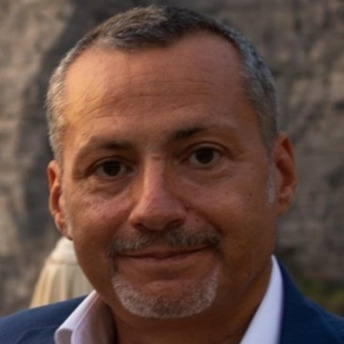
University of Naples Federico II (Complesso Universitario di Monte Sant’Angelo), Italy
Antonello Merlino is Full Professor in Physical Chemistry at the University of Naples Federico II, Napoli, Italy, specializing in protein crystallography. His most recent research activity focuses on the structural determination of adducts formed upon reaction of V-, Ir-, Ru-, Rh-, Pd-, Au- and Pt-based drugs with proteins. Prof. Merlino has an impressive academic record with more than 5500 SCOPUS citations and an h-index of 42. He has published more than 200 peer-reviewed journal papers. He serves in the Editorial Board of BBA Proteins and Proteomics, Biomed Research International, International Journal of Molecular Sciences and Pharmaceuticals.
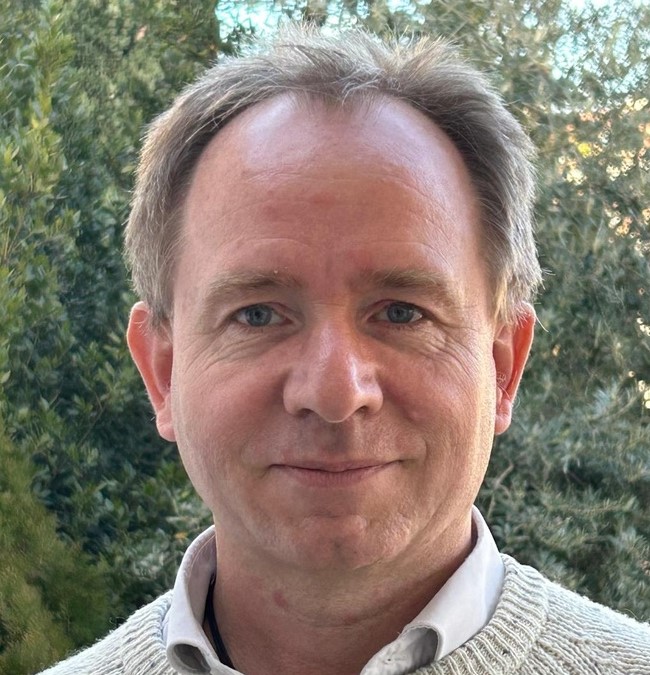
Prof. Dr. Jean-Didier Maréchal
Autonomous University of Barcelona, Spain
Jean-Didier Maréchal is a computational chemist expert in multi-scale molecular modelling of biochemical systems. He graduated from the Ecole Normale Supérieure de Paris (1997) and performed a dual Ph.D. between Paris Sud (France) and the Universitat Autònoma de Barcelona (2002). After post-doctoral positions in the UK (University of Leicester and Manchester) and France (Orsay), he moved back to Barcelona, where he is now a Full professor in Physical chemistry. His research combines protein-ligand dockings, classical molecular dynamics, quantum mechanics as well as software developed in his group. Applications focus on biotechnology and biomedicine with emphasis on biometallic constructs (e.g. Metallodrugs, metalloenzymes).
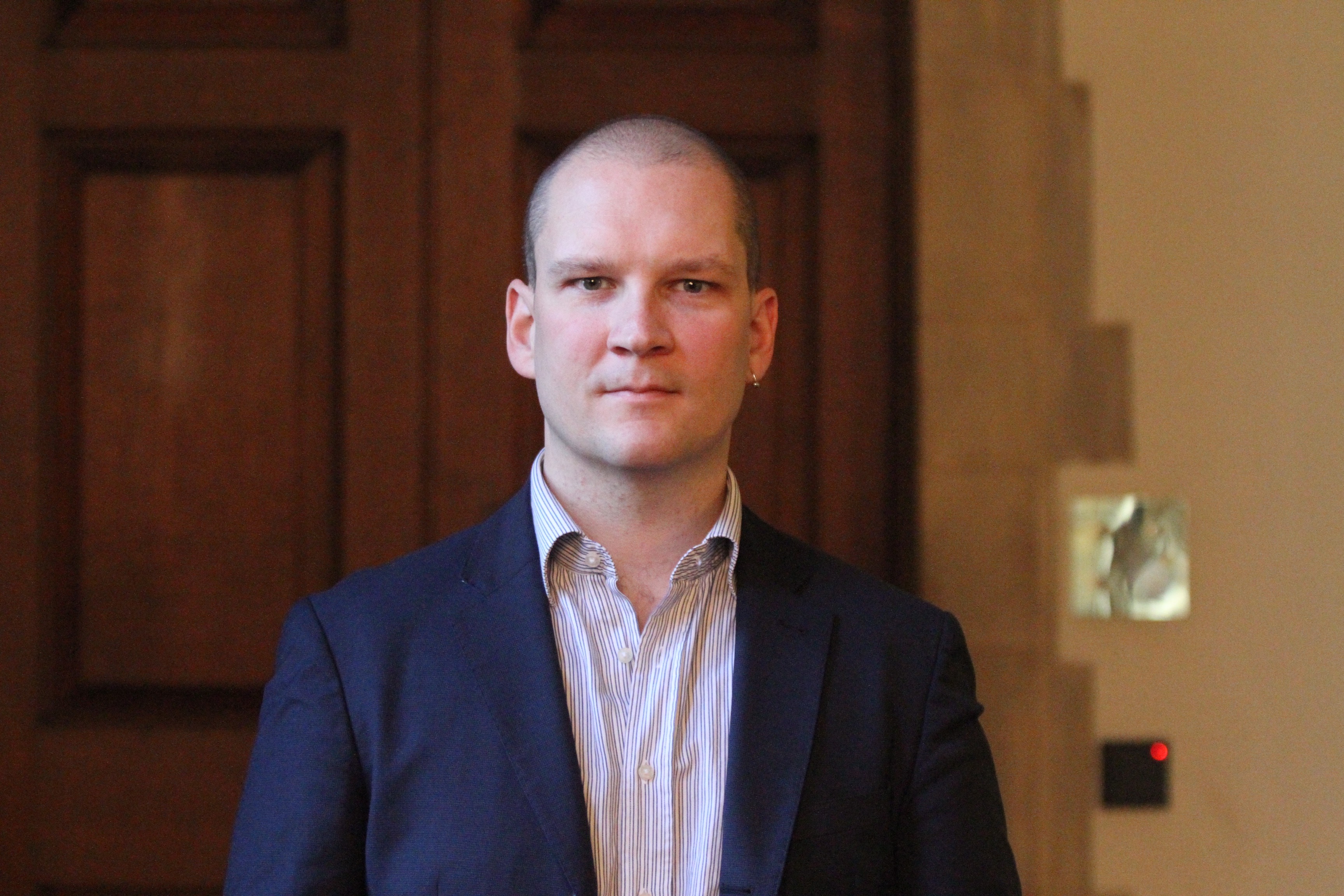
University of Naples Federico II, Italy
Alfonso De Simone is Full Professor of Molecular Biology at the University of Naples Federico II. His research revolves around protein biophysics and structural biology, investigating intrinsically disordered proteins, protein–protein and membrane interactions, and the underlying molecular mechanisms of neurodegenerative and oncological disorders.
Following successful accademic appointments at the University of Cambridge and Imperial College London, he established an interdisciplinary platform in Naples combining NMR spectroscopy, advanced molecular dynamics, and computational approaches to probe complex biomolecular systems beyond the reach of traditional structural methods.
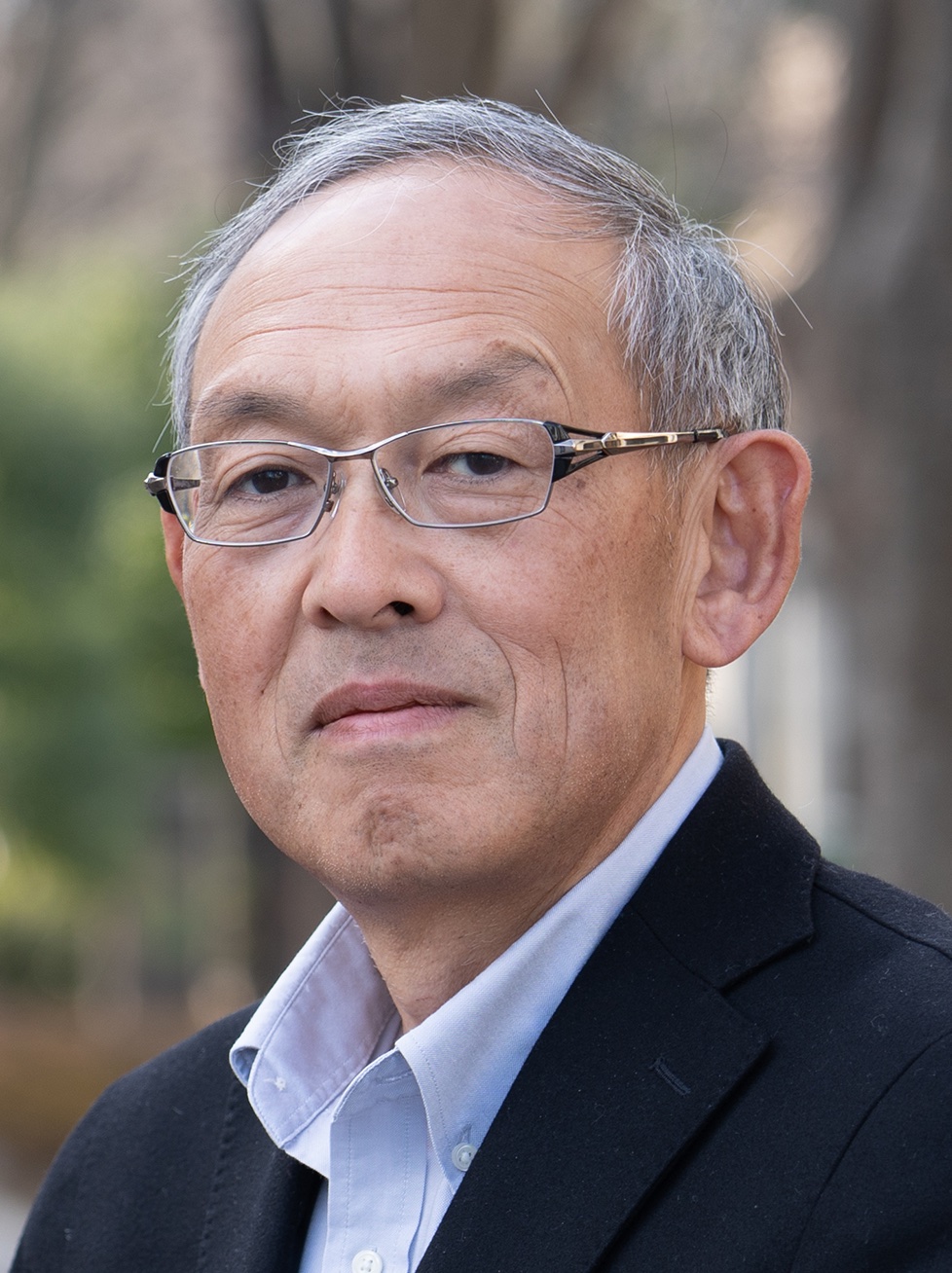
Tokyo University of Agriculture and Technology, Japan
I, Masafumi Yohda, received a doctoral degree from the University of Tokyo in 1988. After working for Asahi Glass Co., Ltd. and the RIKEN Institute, I engaged in education and research at Tokyo University of Agriculture and Technology since 1998. I was promoted to professor in 2003. And then, I worked for the university as an assistant to president and also a vice dean of Institute of Global Innovation Research from 2015 to 2019.Although I retired in March 2025, I continue to hold the position of professor as the leader of Carbon Cultivation Innovation Hub Challenging the Limits of Carbon Negativity, supported by Japan Science and Technology Agency. The project will continue until 2032. My research fields include biochemistry, molecular biology, biophysics, systems engineering, and environmental science.

Adelaide University, Australia
I have co-authored 151 works, listed on Web of Science, including 16 invited reviews and 14 articles featured on front covers. My articles received around 10,000 citations and were published in top-tier journals such as Science, Nature Communications, Communications Biology, Cell Research, Biotechnology Advances, Plant Cell, Journal of Biological Chemistry, and the American Chemical Society. My interests are in three areas: (i) Enzymes involved in plant growth and development; (ii) Membrane proteins underlying salinity and mineral toxicity; (iii) Transcription factors involved in the regulation of plant responses to water deficit.
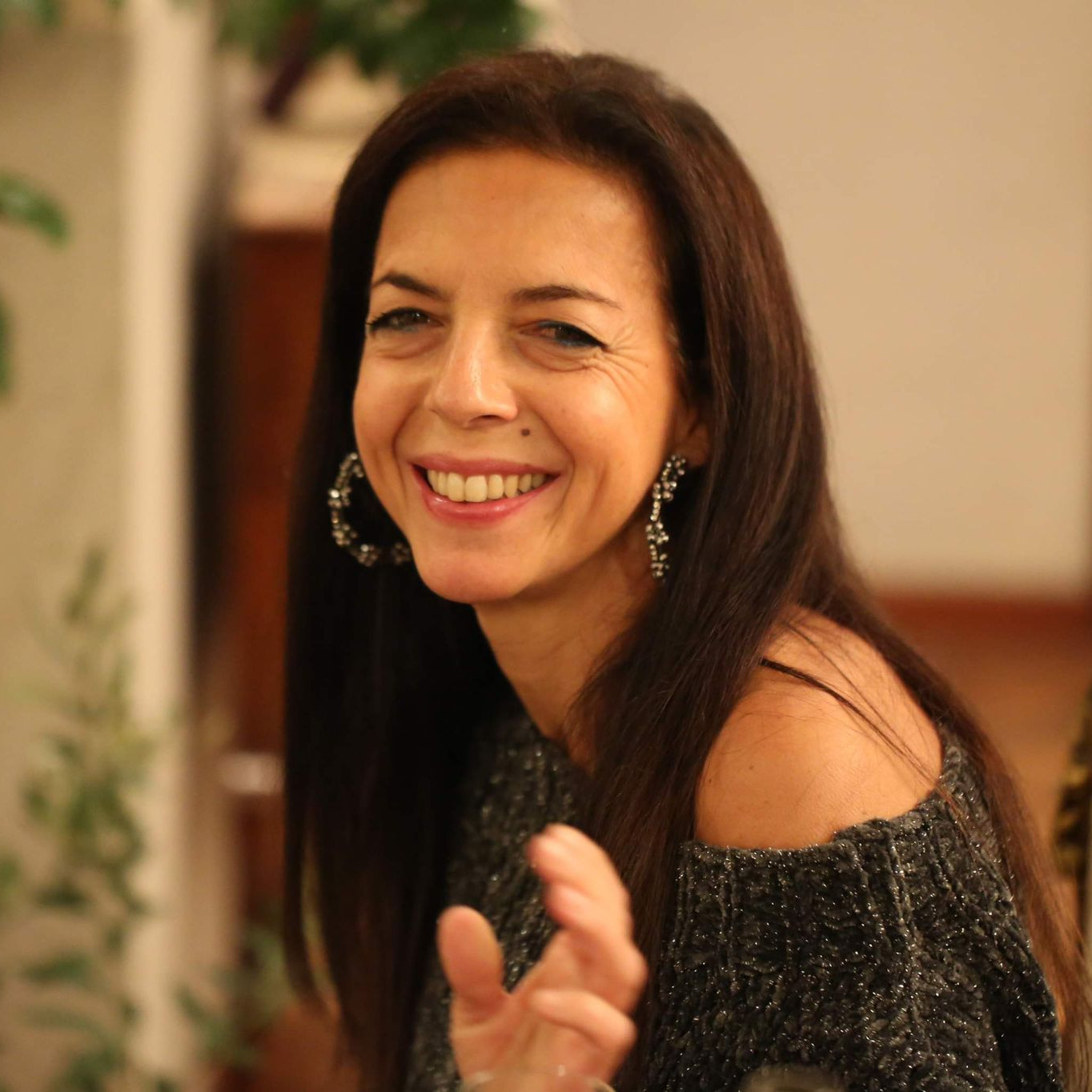
Consiglio Nazionale delle Ricerche (CNR), Italy
Sabrina Battista, PhD, is a Senior Researcher at the Institute of Endotypes in Oncology, Metabolism and Immunology (IEOMI), National Research Council (CNR), Naples, Italy. Her research focuses on the role of High Mobility Group A (HMGA) proteins in chromatin organization and their impact on stem cell biology, metabolism and cancer. Following research training at the Kimmel Cancer Institute (Thomas Jefferson University, Philadelphia), she contributed to the generation and characterization of HMGA mouse models, helping to define the functions of HMGA proteins in development and tumorigenesis. Her current studies investigate how HMGA1 integrates dietary and metabolic signals to regulate macrophage plasticity and tumor microenvironment, uncovering mechanisms linking obesity, inflammation and cancer progression. She has authored more than 50 peer-reviewed publications (H-index 36) and serves on the editorial boards of several international journals.
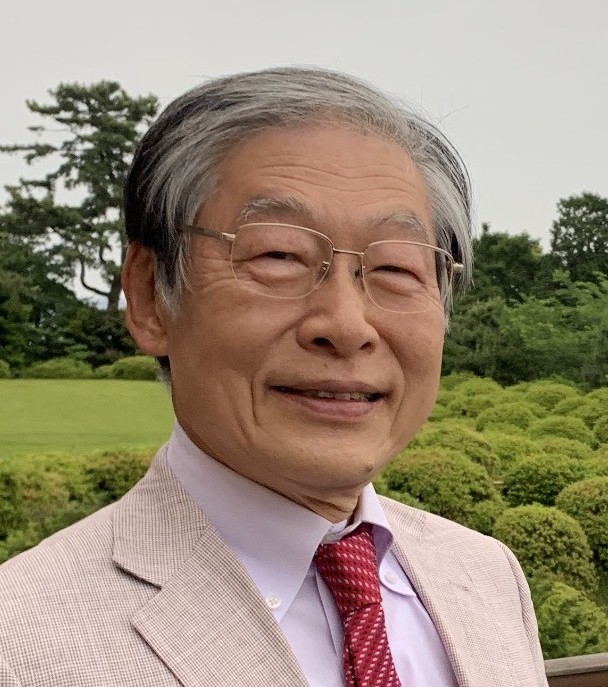
Institute of Science Tokyo, Japan
Masayuki Takahashi is a Biochemist studying protein/DNA interactions in vitro, especially to understand RecA- and Rad51-promoted DNA strand exchange reactions in homologous recombination. His current interests include investigating how DNA recognizes the complementary sequence. This recognition underpins homologous recombination, as well as other important reactions such as CRISPR-Cas9 and RNA interference technologies. He analyzes reaction kinetics and examines structural dynamics using various optical spectroscopies (fluorescence, circular dichroism, linear dichroism). He was born in Japan but immigrated to France to pursue his university education. He earned his PhD from Toulouse University, where he studied transcription regulation by the cAMP receptor protein (CRP). He then got a research position at the French National Research Organization (CNRS) and continued his studies on transcription regulation of tetracycline resistance in Strasbourg. He then moved to Institut Curie in Orsay and examined the molecular mechanism of RecA- and Rad51-promoted DNA strand exchange through kinetic and structural analyses. After moving to Nantes, he developed Rad51 inhibitors as potential anticancer drugs. He then returned to Japan to continue his research on RecA and Rad51 at the Tokyo Institute of Technology. He also served as a visiting or invited professor at the Chalmers University of Technology (Sweden), Fukuoka Dental University, Kyushu University, the Cancer Institute of Kanazawa University (Japan), and Yeungnam University (South Korea).
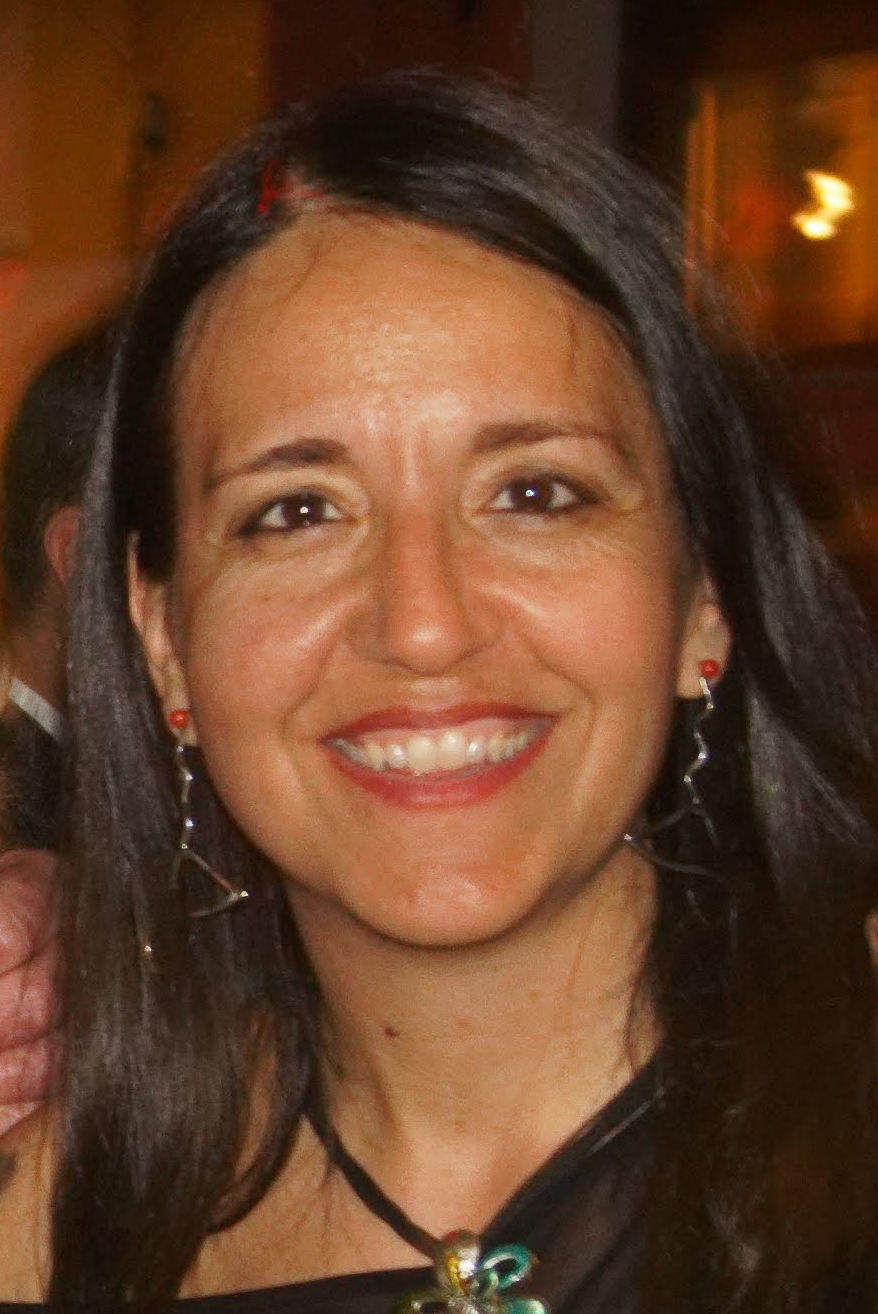
National Research Council (CNR), Italy
Monica Fedele, PhD, is Research Director at the Institute of Endotypes in Oncology, Metabolism and Immunology “G. Salvatore” (IEOMI), National Research Council of Italy (CNR), Naples. Her research has contributed to defining the roles of chromatin-associated proteins, particularly HMGA and PATZ1, in cancer, development, and stem cell biology. Using genetically engineered mouse models and molecular approaches, she uncovered novel functions of these factors in tumorigenesis and tissue homeostasis. She has authored over 140 scientific publications and coordinated research projects and national and international collaborations. Her current research focuses on cancer cell plasticity, tumor–microenvironment interactions, metabolism, inflammation, and translational oncology.
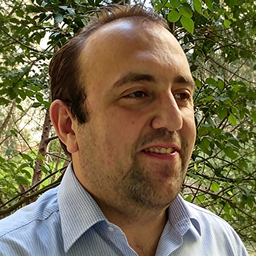
National and Kapodistrian University of Athens, Greece
Dr. Christos Kontos is an Associate Professor of Molecular Biology at the National and Kapodistrian University of Athens (NKUA), where he earned both his B.Sc. (2004) and Ph.D. (2009) in Biology. His academic career includes postdoctoral research at the National Hellenic Research Foundation and NKUA, a clinical research associate role at "Attikon" University General Hospital, and a lectureship at the University of the Aegean. He joined the Faculty of Biology of NKUA as an Assistant Professor in 2018, earning tenure in 2021 before his promotion to Associate Professor in 2026.
His research focuses on Molecular Biology and Genomics-Transcriptomics, specifically non-coding RNAs (circular RNAs, long non-coding RNAs, and small non-coding RNAs), alternative splicing, and novel cancer biomarkers for hematological malignancies (acute leukemia, multiple myeloma), colorectal cancer, and breast cancer. Additionally, Dr. Kontos serves as an Editor for major scientific publishers, including Elsevier, Springer Nature, Frontiers, and MDPI.
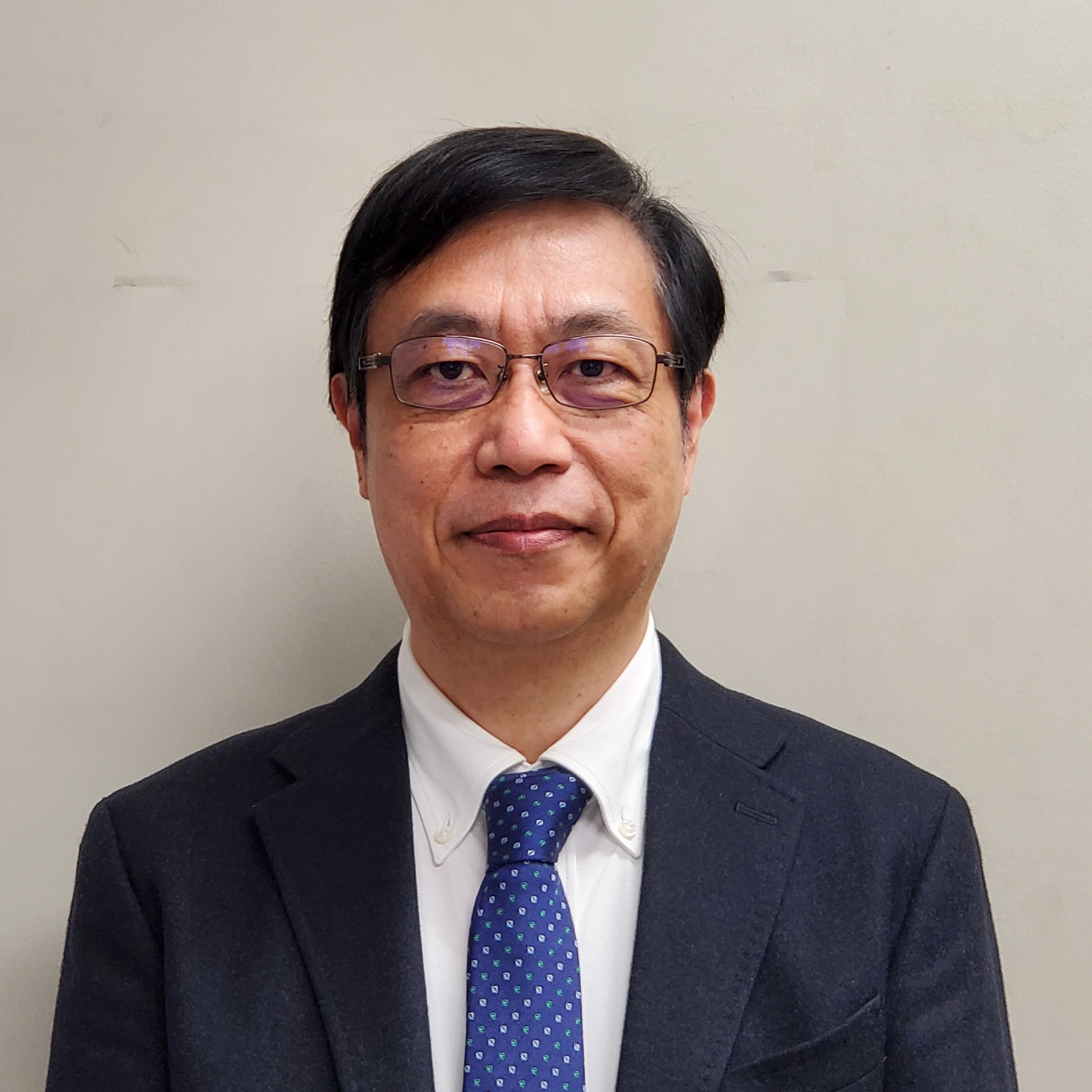
The University of Tokyo, Japan
Naoyuki Kataoka, Ph.D., is an Associate Professor at the Laboratory of Cellular Biochemistry, Department of Animal Resource Sciences, Graduate School of Agricultural and Life Sciences, The University of Tokyo, Japan. His research focuses on the interplay between RNA processing and other cellular processes, and RNA diseases caused by mis-splicing. Dr Kataoka graduated and received his Ph.D. at Kyoto University. Following a post-doctoral training in the University of Pennsylvania (Philadelphia, USA), he came back to Japan as an Assistant Professor at the Institute for Virus Research, Kyoto University. After that, he joined Tokyo Medical and Dental University, Kyoto University School of Medicine, and moved to the University of Tokyo. During his career, he keeps working on RNA processing, protein & RNA transport, and human diseases. He is an editorial member of the International Journal of Molecular Science.
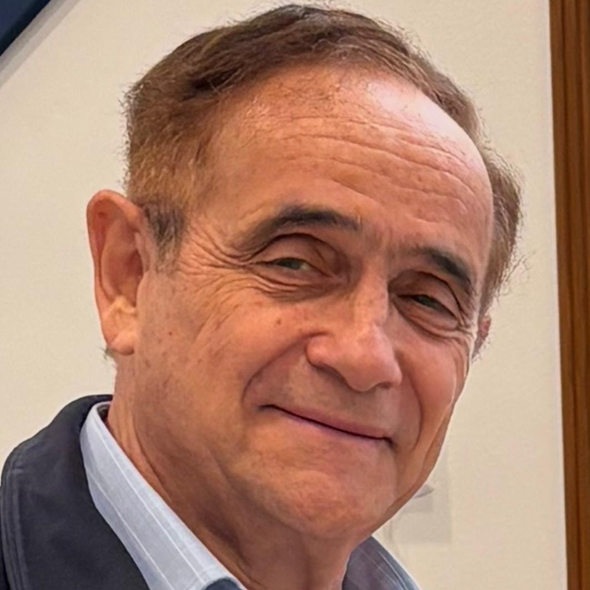
Universitat Autònoma de Barcelona, Spain
Dr. F. Xavier Avilés Puigvert, Emeritus Professor of the Universitat Autònoma de Barcelona (UAB) and senior researcher at the Institute for Biotechnology and Biomedicine (IBB-UAB).
His scientific track developed within the fields of biochemistry, molecular biology and biotechnology of proteins, specializing in the study of protein structure, function and potential applicability, as well as on protein engineering, proteomics and drug discovery. His research particularly focused on the proteolytic enzymes and inhibitors, and on the development of proteomics knowledge and strategies to identify and characterize novel targets and molecules of biotechnological and biomedical value. He keeps involved in research, contributing to projects on the discovery and development of enzyme inhibitors of pharmacological interest.
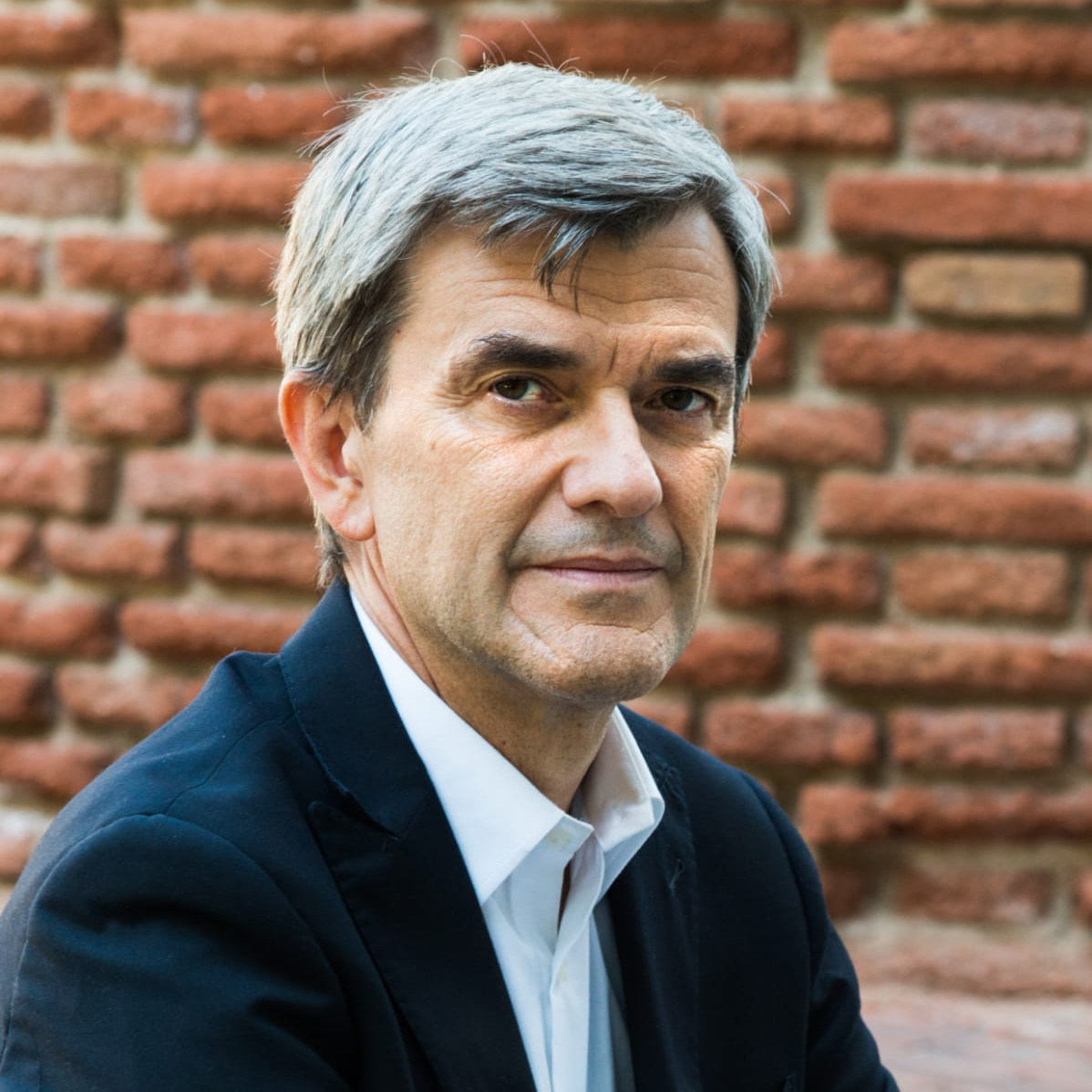
Polytechnic University of Marche, Italy
Maurizio Battino, graduated in Bologna, PhD in Biochemistry and postdoc in Nutrition in Granada.
He is a Full Professor of Food Science & Nutrition in the Faculty of Medicine at Polytechnic University of Marche, a Guest Professor at Jiangsu University, a Distinguished and Honorary Professor at the University of Vigo, and Director of the Nutrition and Health Research Center at the European Atlantic University (Santander). He also holds an Honorary Doctorate from the Faculty of Medicine at Carol Davila University (Bucharest).
He (co)authored over 500 articles in high-impact scientific journals (h-index = 113) and approximately 30 book chapters; since 2015 has been one of the few Italian Highly Cited Researchers according to Clarivate-Web of Science. He is the owner of several important patents on the beneficial properties of some natural bioactive compounds. He is currently Editor-in-Chief of Food Chemistry X, Mediterranean Journal of Nutrition and Metabolism and Journal of Berry Research, as well as Associate Editor of Food Chemistry.
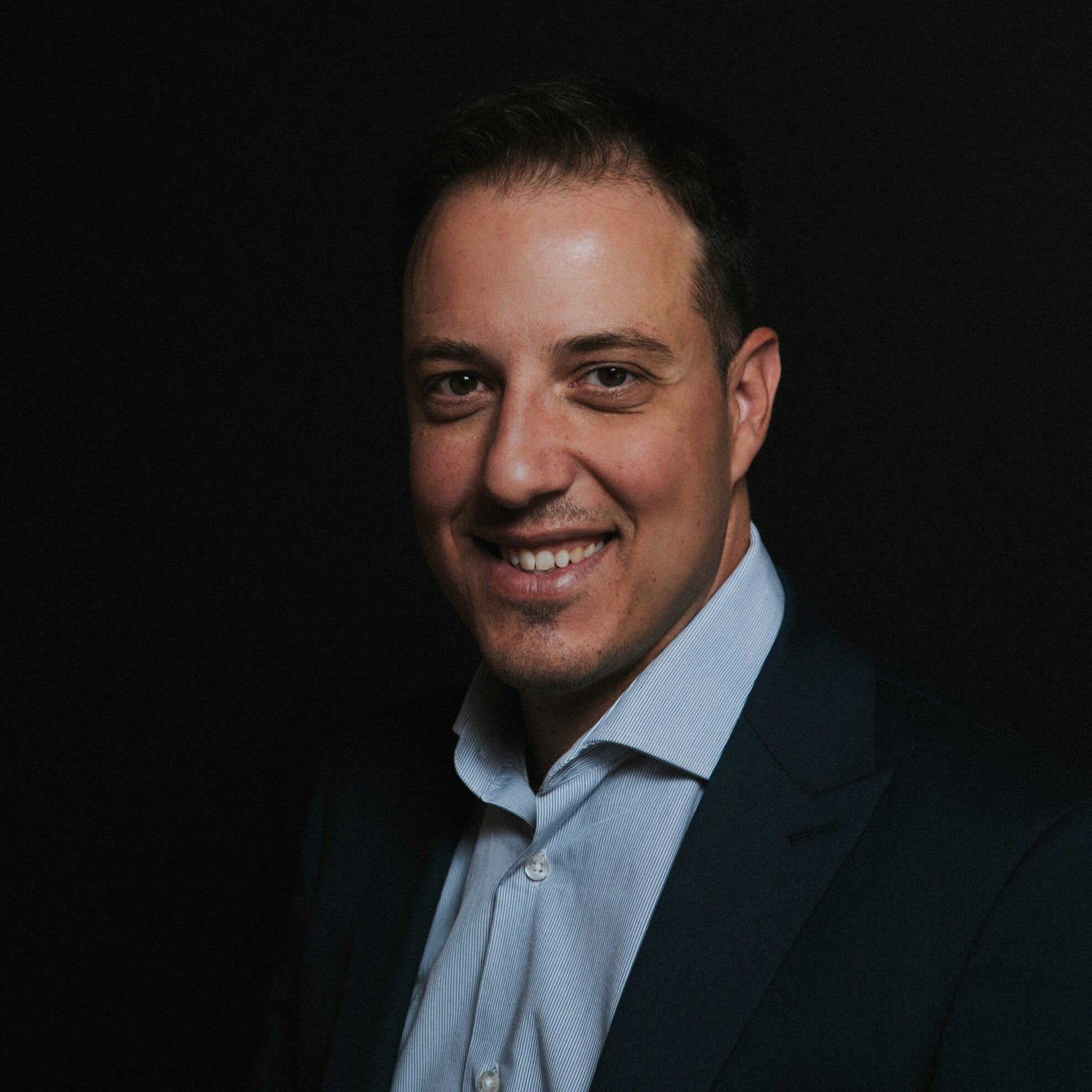
European University Cyprus, Cyprus
Dr. Apostolos Zaravinos is a Professor of Cancer Genetics and at European University Cyprus. He leads the Cancer Genetics, Genomics & Systems Biology group at the Basic and Translational Cancer Research Center (BTCRC). He has been recognized in Stanford's top 2% most cited scientists since 2020 and has published >140 papers focusing on cancer genomics and tumor immunology.
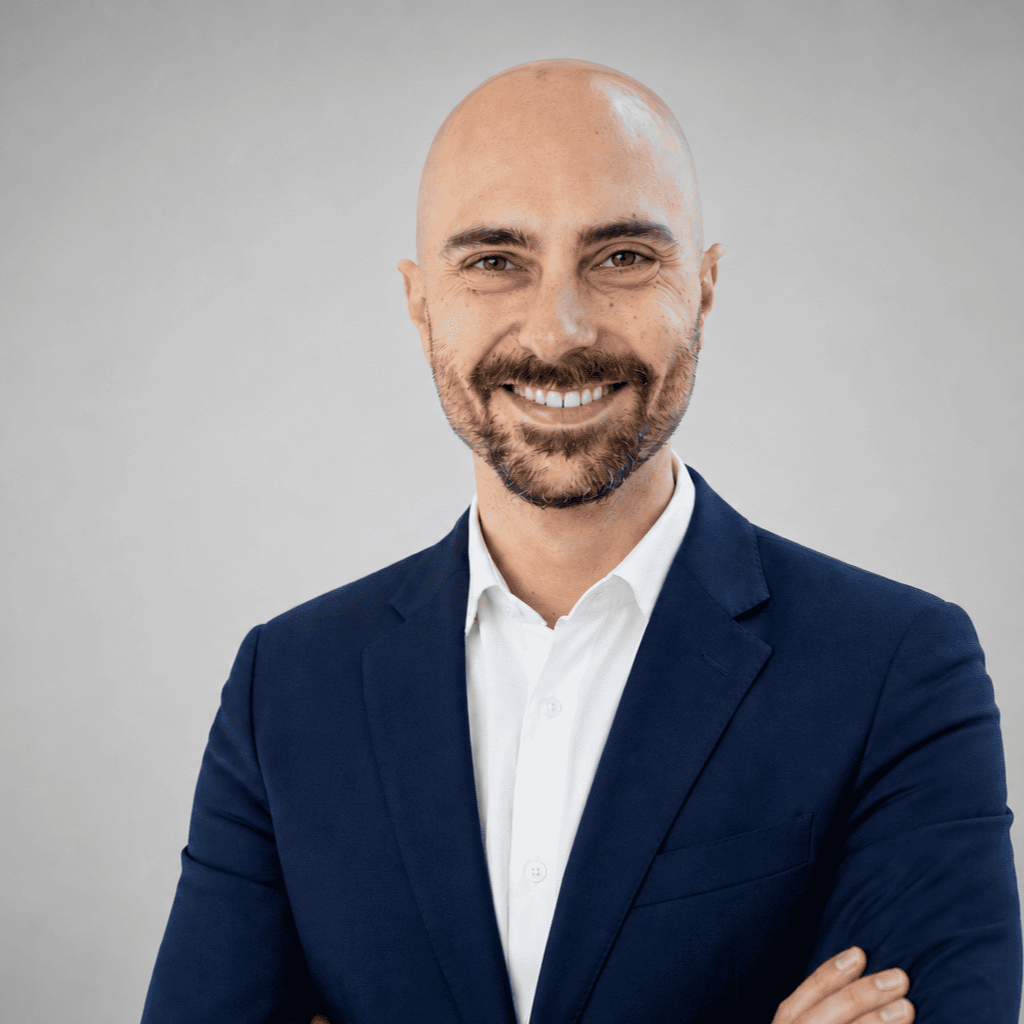
University of Perugia, Italy
Lorenzo Gaetani, MD, PhD is a consultant neurologist at the Neurology Unit of Perugia University Hospital, Italy, and an adjunct faculty member at the University of Perugia. His clinical and research activities focus on the early and accurate diagnosis of neurodegenerative diseases, with particular expertise in cerebrospinal fluid and blood-based biomarkers. Dr. Gaetani has authored more than 90 peer-reviewed scientific publications and has delivered over 60 invited lectures at national and international meetings. He serves as member of the Advisory Board of the Society for CSF Analysis and Clinical Neurochemistry, as Coordinator of the Italian Neurological Society (SIN) Study Group on Biomarkers in Neurology and is a member of the Scientific Board of SINdem, the Italian Association for Dementia Research.
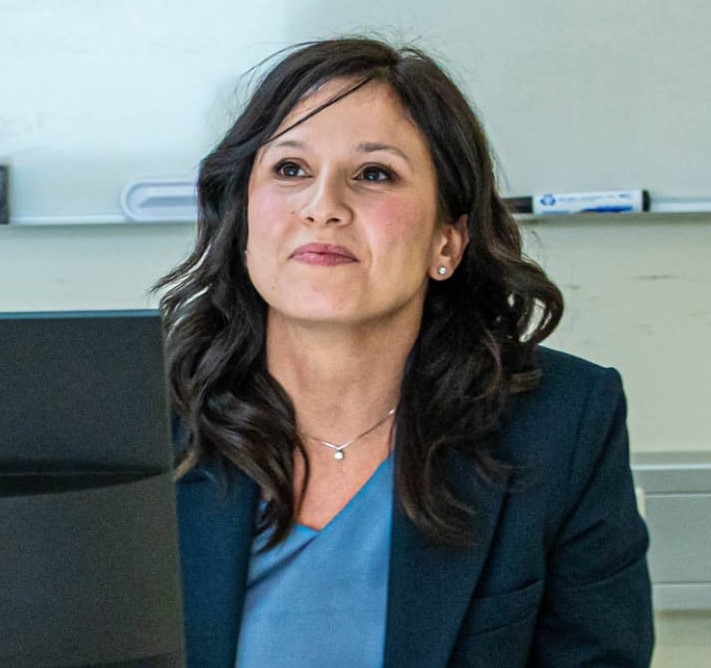
University of Perugia, Italy
Giulia Menculini, MD, PhD, is Associate Professor of Psychiatry at the Department of Medicine and Surgery, University of Perugia, Italy, where she also directs the Postgraduate School of Specialization in Psychiatry. She graduated in Medicine and Surgery cum laude from the University of Perugia and completed her specialization in Psychiatry with honors, followed by a PhD in Neuroscience. She undertook a research attachment at the Bipolar Disorders Unit, Hospital Clinic of Barcelona, Spain. Her research focuses on the psychopathology of mood and psychotic disorders, the psychiatric manifestations of central nervous system diseases, and environmental and digital determinants of mental health, with particular attention to adolescents and young adults. She is the author of more than 150 peer-reviewed publications and several book chapters, and serves as Associate Editor for Frontiers in Psychiatry (Mood Disorders section) and as a reviewer for numerous international journals. She was awarded the EPA Research Prize 2023 for the best paper published in European Psychiatry.
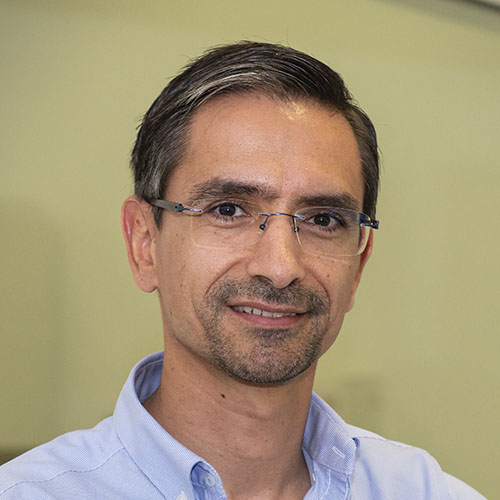
University of Coimbra, Portugal
Bruno Manadas is a Principal Investigator at the Center for Neuroscience and Cell Biology (CNC), University of Coimbra, Portugal, where his research uses mass spectrometry-based proteomics to uncover the molecular mechanisms of neurological and psychiatric disease and to translate these findings into diagnostic and therapeutic strategies.
His group has developed a machine-learning approach to cerebrospinal fluid proteomics that identified two distinct pathophysiological subtypes of mild cognitive impairment due to Alzheimer's disease, opening a path toward more personalized diagnosis. In first-episode psychosis, his team established a combined plasma cytokine signature capable of predicting clinical stage transition up to one year in advance, a step toward earlier and more targeted intervention. In the field of cell therapy, his work has shown that the specific hypoxic preconditioning protocol applied to mesenchymal stem cells is a critical determinant of their therapeutic potency in neonatal hypoxic-ischemic brain injury, reshaping how these cells are prepared for clinical use.
Bruno Manadas has authored over 150 peer-reviewed publications, with more than 6,900 citations and an h-index of 42, and is a partner in the Horizon Europe project VOLABIOS on early biomarkers for schizophrenia.