Insects Webinar | Use of Non-Destructive Methods in Entomology
the chair
2nd Insects Webinar
Use of Non-Destructive Methods in Entomology
Arthropods constitute a large part of global biodiversity, but our knowledge of them is severely lacking. We do not know how many arthropod species exist, but we know that most of them are undescribed. Of those that have a formal description, we lack information about their distribution, natural history and ecology. We are aware how important arthropods are for us as agents of either harmful or beneficial impacts. Their study, entomology, is not only fascinating but vitally important. Traditionally, their size and abundance, combined with their assumed “primitiveness”, have been perceived as reasons for destroying them. Global biodiversity is declining, and while it may have started with the megafauna, arthropods have also been affected. With the increasing global awareness of humanity’s role in this decline, combined with the absolute necessity of arthropods in the continued functioning of ecosystems on which humans also depend, arthropod conservation has received renewed interest. This conflicts with traditionally destructive entomological study methods. Alternatives exist, and this webinar will present arguments for the appropriateness of such methods, providing a few examples of non-destructive methods.
Date: 2 April 2025
Time: 10:00 am CEST | 4:00 pm CST Asia
Webinar ID: 852 7619 6981
Webinar Secretariat: journal.webinar@mdpi.com
Meet Our Chair
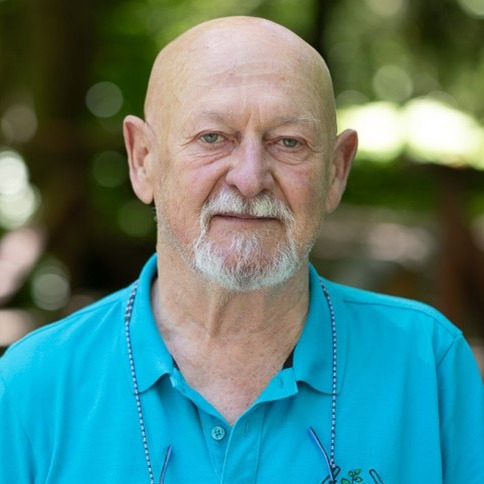
Department of Agroecology, Aarhus University, Denmark;Professor Gábor L Lövei is Senior Scientist Emeritus at Aarhus University, Denmark, a professor at the Hungarian Agricultural University, and a member of Academia Europe. Trained at the University of Szeged, Hungary, he has worked in Italy, New Zealand and Denmark, with several projects in China, East Africa, and the Americas. His research interest extends to ornithology and agroecology, especially biological control, landscape ecology, urban ecology, environmental risk assessment and bioethics. He has published 130 research papers, served as editor-in-chief or section editor of 6 international journals, in various leadership positions of several scientific societies and expert panels of the European Food Safety Agency. He is currently the Section Editor-in-chief (Ecology, Diversity and Conservation) for the journal Insects (MDPI).
Meet Our Speakers
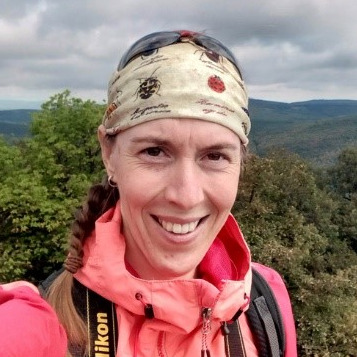
HUN-REN-ELTE-MTM Integrative Ecology Research Group & Department of Systematic Zoology and Ecology Biological Institute, Eötvös Loránd University Budapest, Hungary;Dr. Jana Růžičková is a researcher at the Eötvös Loránd University, Budapest, Hungary with a particular interest in the ecology of ground beetles (Coleoptera: Carabidae). Her work has focused on radio telemetry, habitat use, and movement patterns of large species, as well as community ecology of carabids in managed temperate forests, agricultural landscapes, and post-mining areas in Central Europe. Currently, her research primarily examines how different forestry practices in temperate forests affect ground beetles at various organizational levels, ranging from assemblages and species to individuals and their behavior.
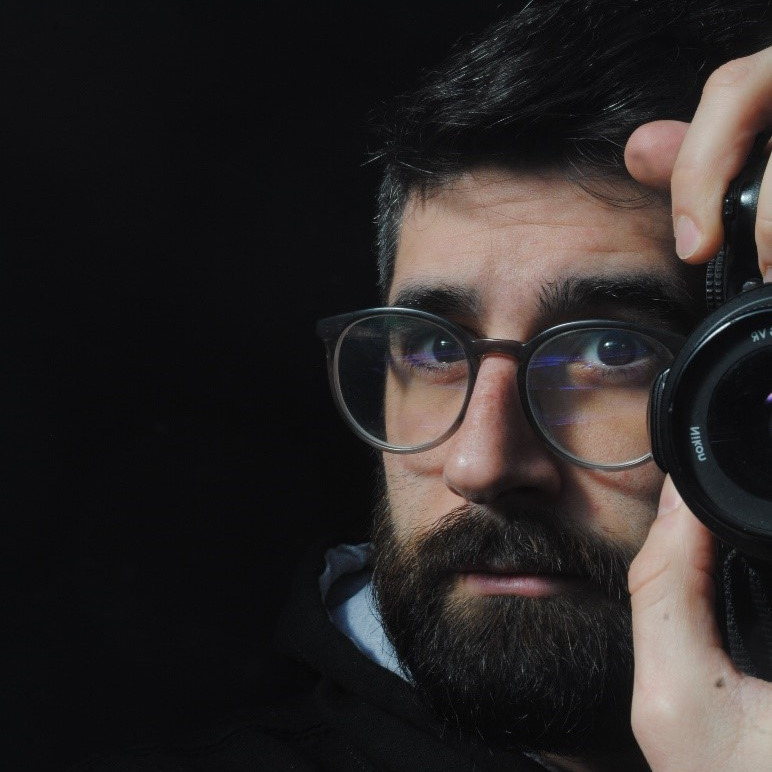
Institute of Aquaculture, University of Stirling, UK;Dr. Craig Perl is an entomologist with diverse interests in physiology, sensory ecology, and morphology. Primarily focused on the metabolic physiology of insects, he has recently been researching the drivers of brain metabolic rate and size across the seed-harvesting ants Pogonomyrmex at Arizona State University. Subsequent to this research, he has worked for the Insect Welfare Research Society where he produced statistical materials to aid in reducing animal use in experiments, conducted research to improve industrial slaughter methods, and investigated historical trends in ethical reporting among entomological publications. He is currently a postdoctoral research fellow at the University of Stirling where he is validating electrical stunning methods for black soldier fly larvae and yellow mealworms as part of ongoing work to produce humane slaughter methods in industrial facilities.
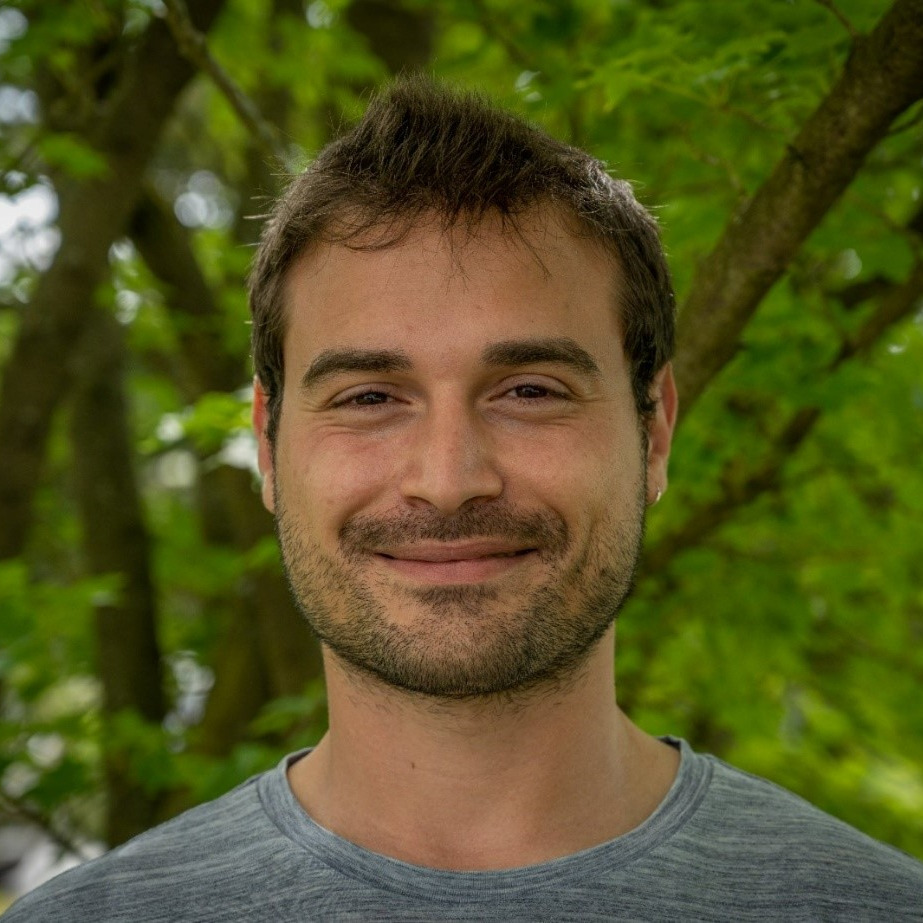
Dr. Marco Ferrante
Functional Agroecology, University of Gottingen, Germany;Dr. Marco Ferrante is a postdoctoral researcher at the University of Göttingen (Germany), where he investigates the role of semi-natural habitats in supporting arthropod communities and ecosystem services in agricultural landscapes. During his PhD at Aarhus University (Denmark), he worked within the framework of sustainable agriculture and contributed to the development of the artificial caterpillar method to quantify vertebrate and invertebrate predation in different habitats. During his postdoctoral stays at the Ben-Gurion University of the Negev (Israel) and the University of the Azores (Portugal), he expanded his interest to other ecological functions provided by arthropods and tested the simultaneous use of standardized methods to quantify ecosystem services and disservices. Since 2021, he has been an Associate Editor and the Editor of the book review section of Community Ecology.


In this section, you will find the recordings of this webinar to watch, re-watch and share with your colleagues!