JCM Webinar | Acute Kidney Injury: A Global Challenge
the chair
On 16 May 2025, MDPI and the Journal of Clinical Medicine (JCM) will host a webinar entitled "Acute Kidney Injury: A Global Challenge." The webinar will highlight the different aspects of care for patients with acute kidney injury both in resource-rich and resource-limited settings.
During this webinar, Dr. Jorge Cerda, a world-renowned scientist focused on optimizing AKI care in underprivileged areas, discusses the differences in AKI care based on resource availability. Then, Dr. Sina Menon, an avid investigator and extraordinary clinician, discusses AKI care within the pediatric population and alludes to the differences in AKI between children and adults globally. Dr. Mitra Nadim, a thought leader in nephrology and particularly in kidney–liver crosstalk, will discuss the paradigm shift in care for patients with liver disease who are dealing with AKI. Finally, Dr. Vedran Premužić, a global leader in advanced treatment options for AKI, discusses the nuances of extracorporeal blood purification strategies and their potential impacts in terms of patient care. The webinar provides an excellent opportunity to interact with these experts, as we plan to host a Q&A section following these presentations.
Please note that this webinar is associated with a Special Issue in the Journal of Clinical Medicine entitled “Acute Kidney Injury: Latest Advances and Prospects”.
Date: 16 May, 2025
Time: 3:00 p.m. CEST |9:00 a.m. EDT
Webinar ID: 868 2766 6050
Webinar Secretariat: journal.webinar@mdpi.com
Meet Our Chair
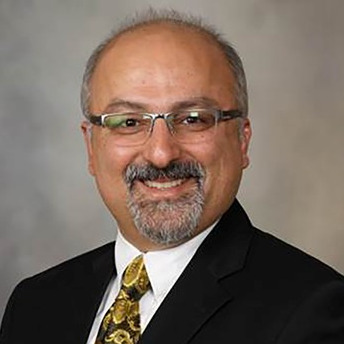
Department of Medicine, Mayo Clinic, Rochester, MN 55905, USA;Division of Pulmonary and Critical Care Medicine, Department of Medicine, Mayo Clinic, Rochester, MN 55905, USA;Dr. Kashani is trained in the fields of Nephrology and Critical Care Medicine. He is currently a Professor of Medicine and Assistant Professor of Medical Education; he serves as a Consultant in the Division of Nephrology and Hypertension and the Division of Pulmonary and Critical Care Medicine at Mayo Clinic, Rochester, MN. He is currently the Chair of the Nephrology-ICU Committee and Digital Health Committee under the division of Nephrology and Hypertension. His research interests focus on acute kidney injury, kidney injury biomarkers, acid-base and electrolytes, kidney replacement therapies, extracorporeal blood purification strategies, ECMO, fluid management, simulation medicine, point-of-care ultrasonography, artificial intelligence and digital health, and education. In addition, he provides lectures on AKI, education, and fluid management globally. He has published 420 peer-reviewed papers and written several book chapters.
Meet Our Speakers

Prof. Dr. Jorge Cerda
Albany Medical College, Albany, NY 12208, USA;Clinical Professor of Medicine, Albany Medical College, Albany, NY, USA Fulbright Scholar, 1980 Fellow, American College of Physicians Fellow, American Society of Nephrology Fellow, International Society of Nephrology Member: Organizing Committee, International Conference on Continuous Renal Replacement Therapy Chair: AKI!Now initiative of the American Society of Nephrology Member: Board of Directors Kidney Health Initiative of the ASN and US FDA Chair, Advocacy Working Group of the International Society of Nephrology Editorial Board, American Journal of Kidney Diseases, CJASN, JASN, NephSAP, Critical Care Forum, Nephrology Dialysis & Transplantation, American Board of Internal Medicine, Revista Panamericana de Salud Publica Main research interests: acute kidney injury; CRRT; AKI post-cardiothoracic surgery; epidemiology of AKI and AKI in low-income countries and promotion of renal care in emerging regions of the world.

Dr. Shina Menon
Division of Nephrology, Department of Pediatrics, Stanford University School of Medicine, Stanford Children’s Health, USA;Dr Shina Menon is an Associate Professor of Pediatrics at Stanford University and a member of faculty at the Division of Nephrology, Lucille Packard Children's Hospital. She is the Medical Director of Acute Dialysis and the Division Director for Research. She completed medical school and pediatric residency at Maulana Azad Medical College, New Delhi, India, followed by work as a clinical research fellow in Pediatric Nephrology at AIIMS, India. Subsequently, she completed pediatric residency and a Pediatric Nephrology fellowship at the Children’s Hospital of Michigan, Detroit, and then a fourth-year Acute Care Nephrology fellowship at Cincinnati Children’s Hospital, Cincinnati. Her research is focused on acute kidney injury, long-term outcomes after AKI, and extracorporeal therapies including CRRT and TPE.
Prof. Dr. Mitra K. Nadim
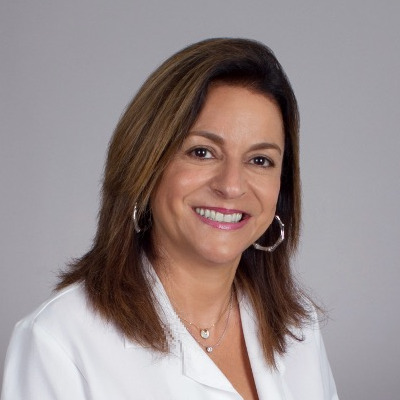
Division of Nephrology and Hypertension, Department of Medicine, Keck School of Medicine, University of Southern California, Los Angeles, California, USA;Dr. Nadim is a Professor of Clinical Medicine and Director of Critical Care Nephrology. She is an International expert in the area of AKI in patients with cirrhosis. Over the past decade, she has co-organized several International consensus meetings that have resulted in significant contributions to the field of AKI, hepatology and liver transplantation. Among these include meetings for defining AKI in cirrhosis and re-defining HRS, as well as the development of guidelines for indications for SLK and ICU management of critically ill patients with end-stage liver disease. She is the author of more than 100 articles, reviews and book chapters.
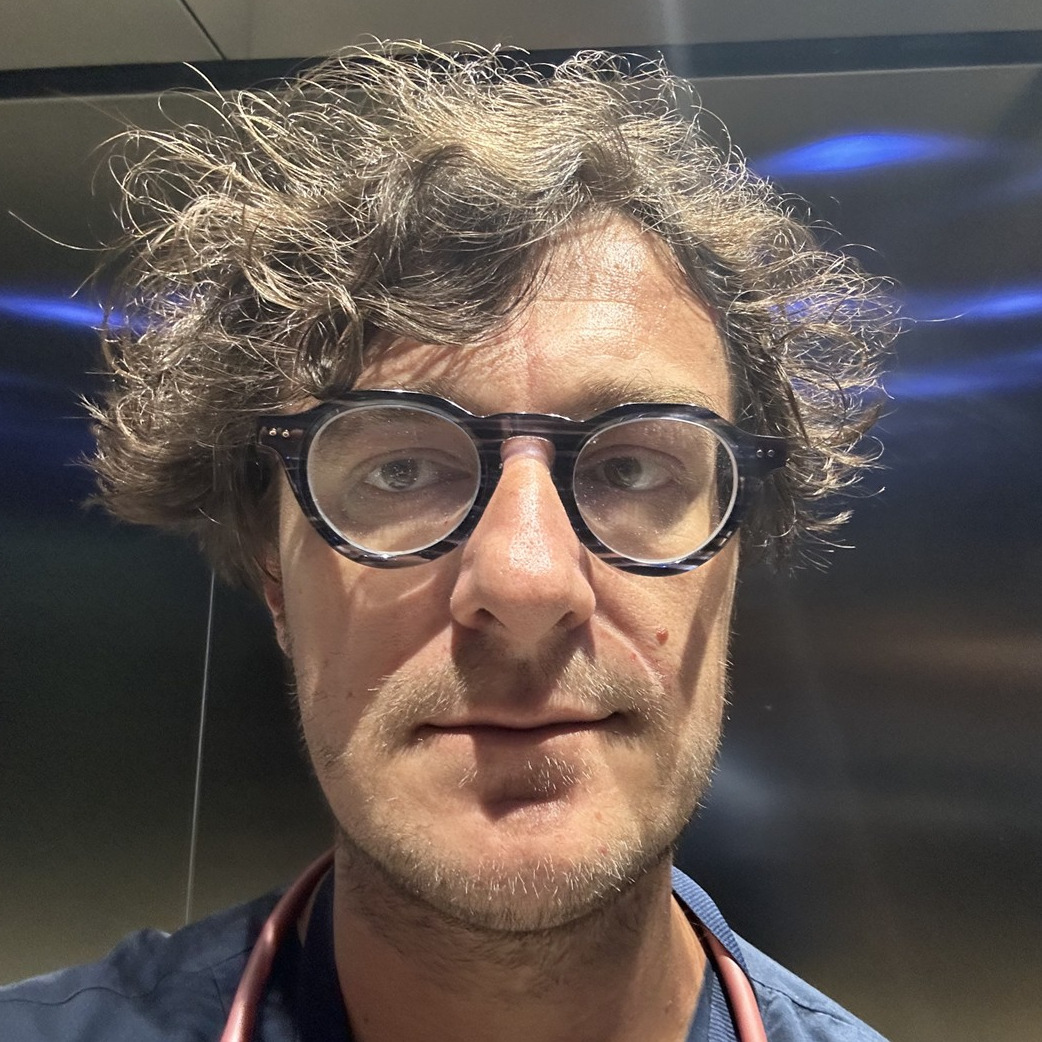
Department of Nephrology, Arterial Hypertension, Dialysis and Transplantation, University Hospital Centre Zagreb, 10000 Zagreb, Croatia;Prof. Vedran Premužić is the Head of the Department of Dialysis at University Hospital Centre Zagreb. He oversees clinical care and research in nephrology, focusing on dialysis and kidney transplantation. Since 2017, he has served as a Consultant Nephrologist at the Department of Nephrology, Hypertension, Dialysis, and Transplantation at University Hospital Centre Zagreb. Dr. Premužić has led numerous projects, including studies on cytokine removal in septic patients with acute kidney injury and the impact of chronic kidney disease on cancer incidence. He has contributed to more than 60 peer-reviewed publications and presented at international conferences on topics ranging from cardiovascular risk in chronic kidney disease to extracorporeal blood purification in critically ill patients. Prof. Premužić earned his academical degree from the Catholic University of Zagreb’s School of Medicine in 2025. He earned his PhD in Biomedicine in 2016, focusing on large artery stiffness in patients with endemic nephropathy.


In this webinar, we attended four cutting-edge lectures on acute kidney injury (AKI) as a global issue, including 1) the differences between treating AKI in low-income versus high-income settings, how we can manage it appropriately, and what progress has been made in that domain, and 2) the differences and similarities in managing AKI between pediatric and adult patient populations and the variables we need to consider regarding its management and impacts in pediatric and neonatal populations. The importance of appropriate AKI management in the pediatric population becomes more evident when considering how longer life expectancies compared to adult and geriatric populations increase AKI’s impact on healthcare systems. Adult medical services face an additional burden when these patients enter adulthood. It is crucial to consider the history of adults who were born preterm, as this could lead to a lower kidney function reserve and higher susceptibility to developing AKI or CKD. 3) We also heard a noteworthy lecture about liver failure and cross-talk between the kidneys, which play a central role in metabolism and thus can impact or be influenced by many other organs, such as the heart, brain, bowel, and lungs. Therefore, it is imperative to determine how the kidneys can affect different organs and how they could be affected by other organs’ functions. We heard that significant progress has been made in research on liver failure and kidney cross-talk over time. In 1990, hepatorenal syndrome was defined by a serum creatinine threshold of 2.5 mg/dL. In contrast, the use of a more harmonized and sensitive KDIGO definition of AKI in patients with liver failure has allowed for the early detection of HRS and more effective management. Our esteemed speaker also demonstrated new tools for the diagnosis and treatment of HRS, mentioning terlipressin as a potential drug that may benefit selected cases. 4) The last speaker reviewed emerging extracorporeal blood purification strategies that could be used in patients with AKI or other organ failures, including cardiac and hepatic support tools.
In summary, AKI is a deadly complication of acute illnesses that can affect patients of any age in any location, regardless of resource availability. The progress that has been made in understanding the nature of AKI and its relationship with other organs, as well as potential novel treatment strategies, provides avenues to improve the care of these patients.
The webinar was hosted via Zoom and required registration to attend. The full recording can be found below. In order to learn about future webinars, you can sign up to our newsletter by clicking “Subscribe” at the top of the page.
Edited by: Dr. Emanuele de Simone and Dr. Kianoush Kashani
Deadline for submission: 30 June 2025