
JCM Webinar | Modern Approach to Various Fields of Orthopedic Surgery
the chair
JCM Webinar
Modern Approach to Various Fields of Orthopedic Surgery
For centuries throughout history, orthopedic/musculoskeletal trauma has been a leading cause of injuries and death. In "ancient times," this was mostly during wars, but over the past two centuries, urban incidents—i.e., traffic accidents, work accidents, and civil violence—have played a major role. Accordingly, the types of injuries have evolved based on the types of weapons, explosives, ammunition, etc. On the other hand, in combat medicine, for example, soldiers are usually protected by personal shields (much like in ancient times).
Along with this type of violent injury, there has been a rise in trauma-related injuries, both among the rapidly growing number of patients who have undergone joint arthroplasty and in sport-related injuries.
One of the fast-growing fields is nerve injury reconstruction, which has achieved remarkable functional recovery results, even for "irreparable" limbs.
Our webinar today will be atypical: unlike other webinars that have a narrow scope, often focusing on single injury types or topics, we will offer participants a range of treatment approaches and outcomes for unique "hot topics," presented by world-renowned colleagues, including the following:
• Prof. Omri Ayalon, from NYU Langone, who will discuss topics related to upper-extremity trauma, drawing on his extensive experience with osseointegrated upper-extremity prostheses and nerve reconstruction.
• Prof. Ran Schwartzkopf, from NYU Langone, who will present on trauma related to joint arthroplasty treatment approaches and outcomes.
• Prof. Nata Parnas, from The Catholic University of New York, who will share his extensive experience with trauma related to posterior shoulder dislocations.
• Dr. Arthur Shapiro, from Haemek Medical Center and the IDF Medical Corps, who will explore topics related to wartime orthopedic injuries.
This exceptional panel of experts will welcome questions at the end of each presentation.
On behalf of JCM (Journal of Clinical Medicine) and myself, we would like to thank the speakers for their insightful presentations, as well as the audience for participating. We encourage you to continue submitting high-quality papers to JCM.
Date: 22 October 2025
Time: 3:00 pm CEST | 9:00 pm CST Asia | 9.00 am EDT
Webinar ID: 846 2853 3120
Webinar Secretariat: journal.webinar@mdpi.com
Meet Our Chair
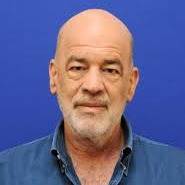
Adelson School of Medicine, Ariel University, Ariel, Israel;Prof. Moshe Salai is a preeminent orthopedic expert with a decades-long career in clinical practice, academia, and leadership. He earned his medical degree from Tel-Aviv University School of Medicine in 1977 and completed his orthopedic residency at Israel’s Tel-Hashomer Hospital in 1989, followed by prestigious international fellowships—focusing on arthroplasty, tumor surgery, and pelvic fractures—at top institutions in Toronto, Boston, Paris, and Bologna. Currently a Full Professor and Head of Orthopedics at Ariel University’s Adelson School of Medicine (also instructing in medical communications), he is also an Emeritus Full Professor at Tel-Aviv University. A respected leader, he serves as President of the Israeli Association of Tissue Banking, previously led the European Association of Cell and Tissue Banking (2001–2005), and holds memberships with the Israel Orthopedic Association Council and American Academy of Orthopedic Surgeons. With over 200 PubMed-cited papers, he is an honorary member of key Israeli medical associations and mentors dozens of orthopedic leaders. He also consults for the Israel Defence Forces Medical Corps.
Meet Our Speakers
Dr. Omri Ayalon
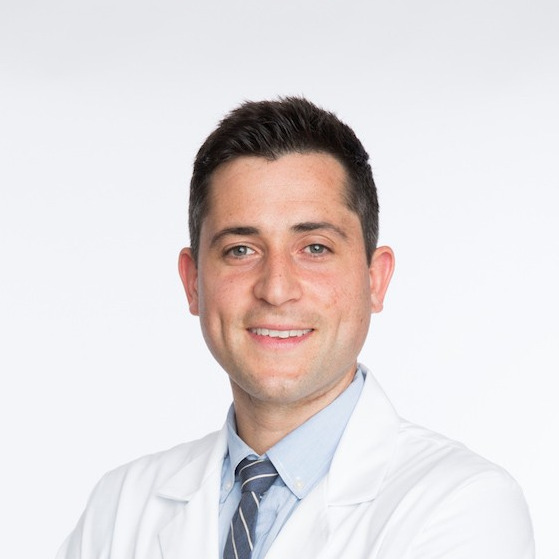
NYU Langone Orthopedic Hospital, New York, USA;Dr. Omri Ayalon is an orthopedic surgeon, specializing in hand and upper-extremity surgery. His practice focuses on the surgical management of upper-extremity conditions, especially those affecting the fingers, hand, wrist, elbow, and shoulder. He treats these issues in adults, adolescents, and children and has subspecialty experience in nerve surgery and amputation reconstruction. He is the associate Fellowship Director for the Hand Surgery Fellowship at NYU and the Co-Director for the Center for Amputation Reconstruction at NYU. He completed his undergraduate training at Brandeis University before attending Dartmouth Medical School, and his residency and Fellowship are at NYU Hospital for Joint Diseases.
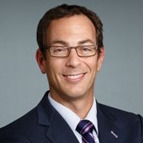
NYU Langone Orthopedic Hospital, New York, USA;Dr. Ran Schwarzkopf graduated summa cum laude from both a bachelor of science degree and a master’s degree in biomedical engineering at Ben-Gurion University of the Negev, where he later graduated as valedictorian of his medical class. After a general surgery internship and orthopedic surgery residency at the Hospital for Joint Diseases—now NYU Langone Orthopedic Hospital—he completed a fellowship in adult reconstruction and total joint replacement surgery at Brigham and Women’s Hospital, a major teaching hospital of Harvard Medical School. His practice at NYU Langone focuses specifically on caring for people with hip and knee conditions. He has a particular interest in degenerative joint disease of the hips and knees. Other areas of focus include treatment for people with developmental hip dysplasia, avascular necrosis, post-traumatic arthritis, and rheumatoid arthritis. He has had the privilege of training and learning from the founders of the field of joint replacement surgery. He has gained a vast amount of experience in performing complex and revision hip and knee surgery, partial knee replacements, ligament-sparing knee surgery, hip resurfacing, and hip fracture surgery. He uses patient-specific implants, robotic and navigation surgery, and minimally invasive surgical techniques for hip and knee replacements to ensure that patients achieve the results they expect in order to maintain their lifestyle and activity levels.
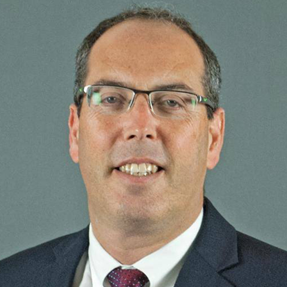
Department of Orthopedic Surgery, Carthage Area Hospital, Carthage, NY, USA;Dr. Nata Parnes, MD, is an Associate Professor of orthopedics at the Uniformed Services University of the Health Sciences in Bethesda, MD, and serves as Director of Orthopedics and Director of the Research Department at Carthage Area Hospital in New York. He earned his medical degree and completed his residency with distinction at Tel Aviv University in Israel. Following his training, Dr. Parnes completed a shoulder and elbow fellowship at the Boston Shoulder Institute at Harvard Medical School under the mentorship of Drs. Jon J.P. Warner, Larry Higgins, Tom Holovacs, and Jesse Jupiter. He further expanded his expertise through traveling fellowships in England, France, and Switzerland. Dr. Parnes is an active member of the Research Committee of the American Shoulder and Elbow Surgeons Society and serves on the editorial boards of multiple orthopedic journals, including the Orthopaedic Journal of Sports Medicine and Orthopedics. He is also the Research Director for the Beacon Orthopaedics Sports Medicine Fellowship in Cincinnati, OH. His clinical and research focus lies in advanced arthroscopic procedures of the shoulder in both military and civilian populations. He has authored over 130 peer-reviewed publications and 16 book chapters in the field. Dr. Parnes has received numerous national and international awards for his research contributions, including recognition as a Top 1% researcher nationwide in both orthopedics and shoulder and elbow surgery for the past two years.
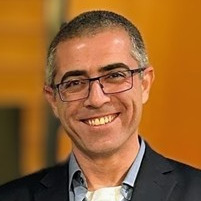
Dr. Arthur Shapiro
Trauma & Combat Medicine Branch, Medical Corps, Israel Defense Forces, Ramat Gan, Israel;Dr. Arthur Shapiro graduated from the Sackler School of Medicine of Tel Aviv University in 2008. He joined the IDF in 2009 as a surgeon in various positions. During the years 2014-2021, he completed a residency in the Orthopedic and Rehabilitation department of Emek Medical Center, Afula, Israel (board-certified specialist in general orthopedic surgery). In February 2023, following the earthquake in Turkey, he participated in the IDF's “Olive Branches” humanitarian aid mission as an orthopedic surgeon. Beginning in October 2025, Dr. Shapiro will serve as the Chief Surgeon of the Trauma & Combat Medicine Branch of the Medical Corps, IDF.


"At-risk mental states are characterized by significant clinical variability, encompassing a wide range of symptoms, levels of severity, and developmental trajectories, which makes early identification and intervention particularly challenging. A central concept in understanding the onset of psychosis is aberrant salience, referring to the misattribution of importance or meaning to neutral or irrelevant stimuli, potentially contributing to the development of delusional thinking and perceptual disturbances. Within this framework, innovative therapeutic approaches are gaining attention, including the use of long-acting medications, which may enhance treatment adherence, ensure more stable symptom control, and ultimately reduce the risk of progression to full-blown psychosis. The seminar is presented by Professors Camardese and Ribolsi. Professor Ribolsi addresses the clinical presentation of at-risk mental states, Dr. Fiori Nastro discusses aberrant salience, and Dr. Moccia focuses on long-acting therapies. Professor Camardese provides the final conclusions".
Modern Approaches to the Management of Orthopedic Injuries
Edited by Prof. Dr. Moshe Salai
Deadline for manuscript submissions: 15 April 2026