
JPM Webinar | Personalized Medicine in Autism Spectrum Disorder
the chair
6th JPM Webinar
Personalized Medicine in Autism Spectrum Disorder
We are currently in an era of rapid development in precision medicine. The traditional ‘one-size-fits-all’ approach to neurodevelopmental disorders is being replaced by personalized strategies tailored to the unique biological and genetic profiles of each individual. Autism Spectrum Disorder, characterized by its high degree of clinical and genetic heterogeneity, stands as one of the most critical frontiers for this transition.
As we move beyond broad behavioral diagnoses, the integration of multi-omics—including genomics, epigenetics, and metabolic profiling—is profoundly transforming our understanding of ASD. By identifying specific biological subtypes and individualized disease mechanisms, we can move toward earlier detection and more targeted interventions. Whether through pharmacogenetics to optimize medication or personalized behavioral therapies guided by biomarkers, our ultimate goal is to ensure that every individual receives the most effective, life-enhancing support at the earliest possible stage.
For this webinar, we are honored to have invited several distinguished experts in this field, including clinical geneticists, neuroscientists, psychiatrists, and pediatricians. They will share the latest basic research findings, clinical translational results, and cutting-edge academic perspectives focused on these key areas. Together, we will discuss how to more effectively bridge the gap between bench-to-bedside research and clinical practice, looking forward to new directions in individualized prevention and care.
This is an academic exchange focused on the frontier of innovation. We look forward to your participation and hope that through in-depth dialogue, we can further promote the clinical application of personalized medicine in the field of neurodevelopment, contributing to the advancement of precision healthcare for ASD.”Welcome to this Journal of Personalized Medicine webinar. It is my great pleasure to serve as the Chair for today’s webinar.
We are currently in an era of rapid development in precision medicine. The traditional ‘one-size-fits-all’ approach to neurodevelopmental disorders is being replaced by personalized strategies tailored to the unique biological and genetic profiles of each individual. Autism Spectrum Disorder, characterized by its high degree of clinical and genetic heterogeneity, stands as one of the most critical frontiers for this transition.
Date: June 24th, 2026
Time: 5:00pm CEST | 11:00am EDT
Zoom ID: 815 6168 6039
Webinar Secretariat: journal.webinar@mdpi.com
Meet Our Chair
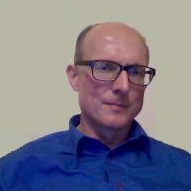
Paediatric Department, Luton & Dunstable University Hospital, Lewsey Road, Luton , UK;Dr. med. Michael Eisenhut has been an editor of the Cochrane Collaboration since 2007. The Cochrane Collaboration produces systematic reviews of the highest quality which have informed national and international guidelines for many conditions across medical specialties and form the basis of guidelines of the World Health Organisation. He is expert advisor for the National Institute of Health and Care Excellence of the United Kingdom. He is a consultant paediatrician working for the Bedfordshire Hospitals NHS Foundation Trust in the United Kingdom. Due to his outstanding contributions he was made a Fellow of the Royal College of Paediatrics and Child Health and a Fellow of the Royal College of Physicians. Areas of clinical practice include treating children with autism spectrum disorder related avoidant restrictive food intake disorders in clinics and on the ward.
Meet Our Speakers
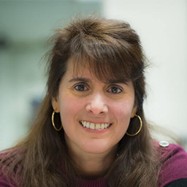
Department of Psychology, Rutgers State University New Brunswick, New Brunswick, NJ, USA;Prof. Dr. EB Torres is a computational neuroscientist, author and US Inventor with over 100 peer-reviewed publications spanning multiple areas of study, 4 books and 9 US patents. She directs the Sensory Motor Integration Laboratory at Rutgers the State University of New Jersey and has graduated multiple PHDs, pre-MDs and engaged undergraduate students in Neuroscience research and science dissemination. She is also the CEO of Neurodiversa LLC (https://neurodiversa.courses/) an education startup company from Rutgers University. She is the CSO of Neuroinversa LLC (https://neuroinversa.com/) a technology development company from Rutgers University focusing on the development of apps and biometrics to diagnose, track and treat neurological disorders under the Precision Medicine Model. She has raised over 10 million dollars for basic research from the NSF, state funding for autism research, the private sector and philanthropy.
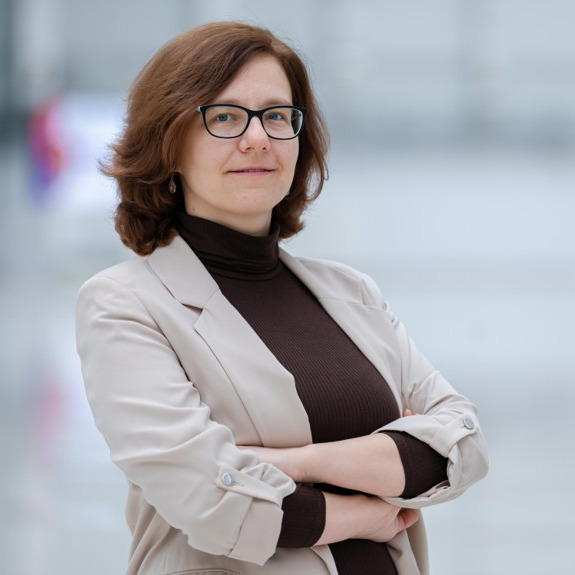
Laboratory of Human Higher Nervous Activity, Institute of Higher Nervous Activity and Neurophysiology, Russian Academy of Science, Moscow, Russia. Center for Cognitive Science, Sirius University of Science and Technology, Sirius, Russia;Dr. Sysoeva has dedicated her career to establishing a unified chain of connection between genes, neural processes, and psychological functions. Her research focuses on identifying EEG/MEG "intermediate phenotypes" to bridge molecular genetic mechanisms with behavioral characteristics in both health and developmental pathologies. A significant portion of her work investigates the neurophysiological underpinnings of typical and atypical development. She has advanced the field by studying neurophysiological markers in both idiopathic ASD and syndromic forms like Rett syndrome (MECP2) and SHANK3 anomalies. A key strength of her approach is the development of translational neurophysiological markers, drawing direct parallels between human patients and animal models to link psychological processes with underlying synaptic mechanisms. Her recent work also includes understanding the brain’s rapid processing of speech and mechanisms of time perception.