
Life Webinar | Advances in 5-Aminolevulinic Acid Applications in Medical and Healthcare
the chair
6th Life Webinar
Advances in 5-Aminolevulinic Acid Applications in Medical and Healthcare
Dear Colleagues,
5-aminolevulinic acid (5-ALA) is the sole source of heme biosynthesis. Heme is an essential component of the electron transport chain and mitochondrial respiratory complexes, which engage in oxidative phosphorylation (OXPHOS) and ATP production. Mitochondrial functions and activities are a current focus in medicine and healthcare, and mitochondrial deficiency is being investigated as a primary cause of metabolic disorders and various diseases related to aging such as type 2 diabetes, sarcopenia, and neurodegenerative diseases.
Highly proliferative cancer cells are dependent on glycolysis, do not use oxygen in mitochondria even under aerobic conditions, and cause deficiency in the ferrochelatase activity that is essential for heme synthesis. As a result, cancer cells accumulate protoporphyrin IX (PPIX), a precursor of heme, which can be activated by energy from light, X-rays, and ultrasound. By using these mechanisms, 5-ALA has been applied to photodynamic diagnosis (PDD), photodynamic therapy (PDT), radio dynamic therapy (RDT), and sonodynamic therapy (SDT) for cancers.
The second presentation explores the systemic impact of heme deficiency and the protective role of 5-ALA supplementation.
Invited Speaker: Osamu Nakajima Title Presentation: Systemic Consequences of 5-ALA Synthase 1 (Alas1) gene Disruption and the Protective Role of 5-ALA
The third presentation addresses the therapeutic potential of 5-ALA in treating mitochondrial diseases.
Invited Speaker: Akira Ohtake Title Presentation: 5-ALA therapy for mitochondrial diseases
We hope these three contributions will stimulate a discussion with attendees, fostering inputs, new insights and collaborations.
Date: 20 July 2026
Time: 9:00 – 10:30 am CEST (Corresponding to 4:00 – 5:30 pm JST)
Webinar ID: 899 6778 3699
Webinar Secretariat: journal.webinar@mdpi.com
Meet Our Chair
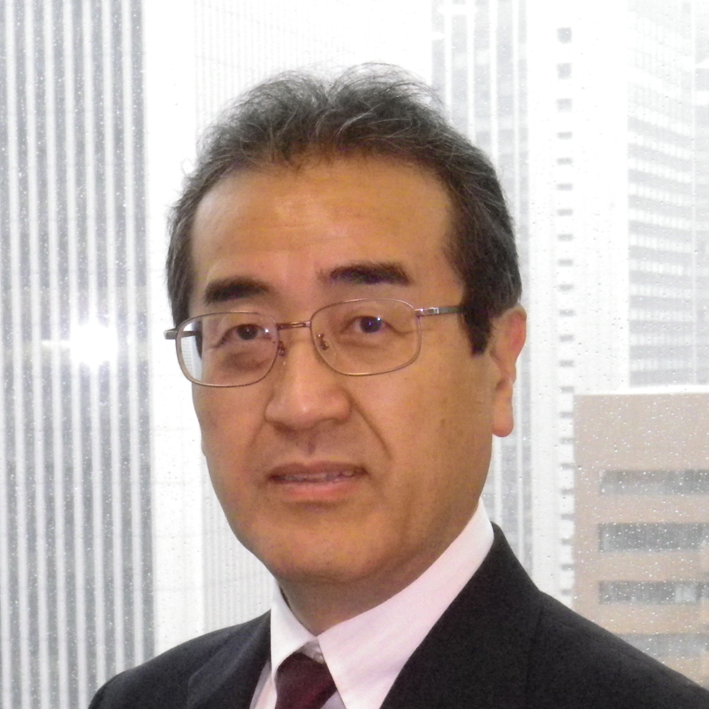
Development, SBI Pharmaceuticals Co., Ltd. Japan;BA, MS, PhD, The University of Tokyo Assistant Professor, The University of Texas M.D. Anderson Cancer Center Associate Professor, The University of Tokyo, Inst Mol Cell Biosciences. Visiting Professor, The University of Tokyo, Shinshu University Medical School Director, Ciba-Geigy, International Research Laboratories, Director and Chief Scientist, Novartis Pharma Senior Director, Johnson & Johnson Corporate Office of Science and Technology Executive Director, CSO, SBI ALApromo, SBI Pharmaceuticals Co., Ltd., NXDC Visiting Professor, Fudan University School of Life Sciences, Yamagata University School of Medicine, Keio University Graduate School of Health Management
In this online seminar, we focus on a variety of activities of 5-ALA and discuss its potential applications in healthcare and medicine.


Advances in 5-Aminolevulinic Acid Applications in Medical and Healthcare
Edited by Prof. Dr. Motowo Nakajima, Prof. Dr. Walter Stummer and Dr. Shun-ichiro Ogura
Deadline for manuscript submissions: 18 September 2026