Livers Webinar | Biomarkers in Drug-Induced Liver Injury
the chair
3rd Livers Webinar
Biomarkers in Drug-Induced Liver Injury
Drug-induced liver injury (DILI) is a major clinical problem worldwide. To make progress in identifying new therapeutic targets and improving treatment options, it is important to gain better insight into the human pathophysiology. Evaluation of plasma biomarkers in DILI patients can be a critical tool in achieving these goals. This webinar will show the application of various biomarkers in patients with intrinsic (acetaminophen/paracetamol) and idiosyncratic DILI. In the first talk, Hartmut Jaeschke will demonstrate the use of biomarkers to understand the molecular mechanisms of cell injury in acetaminophen overdose patients and how this insight led to the discovery of a novel antidote. The second talk by Mitchell McGill will address how new prognostic biomarkers can be used to predict at an early stage if an acetaminophen DILI patient will recover or will progress to acute liver failure with the need for a liver transplant to survive. The third talk by James Dear will discuss novel biomarker-based approaches to predict the likelihood of a patient progressing to serious liver injury with the need for therapeutic interventions. In the fourth talk, Raul Andrade will address how biomarkers may assist in the diagnosis, assessment of causality, and prognosis of patients with idiosyncratic DILI. Together, these talks will provide a comprehensive overview of biomarker application in drug-induced liver disease.
Date: September 16th, 2026
Time: 3:00 pm CEST | 9:00 am EDT
Zoom ID: 897 4505 5373
Webinar Secretariat: journal.webinar@mdpi.com
Meet Our Chair
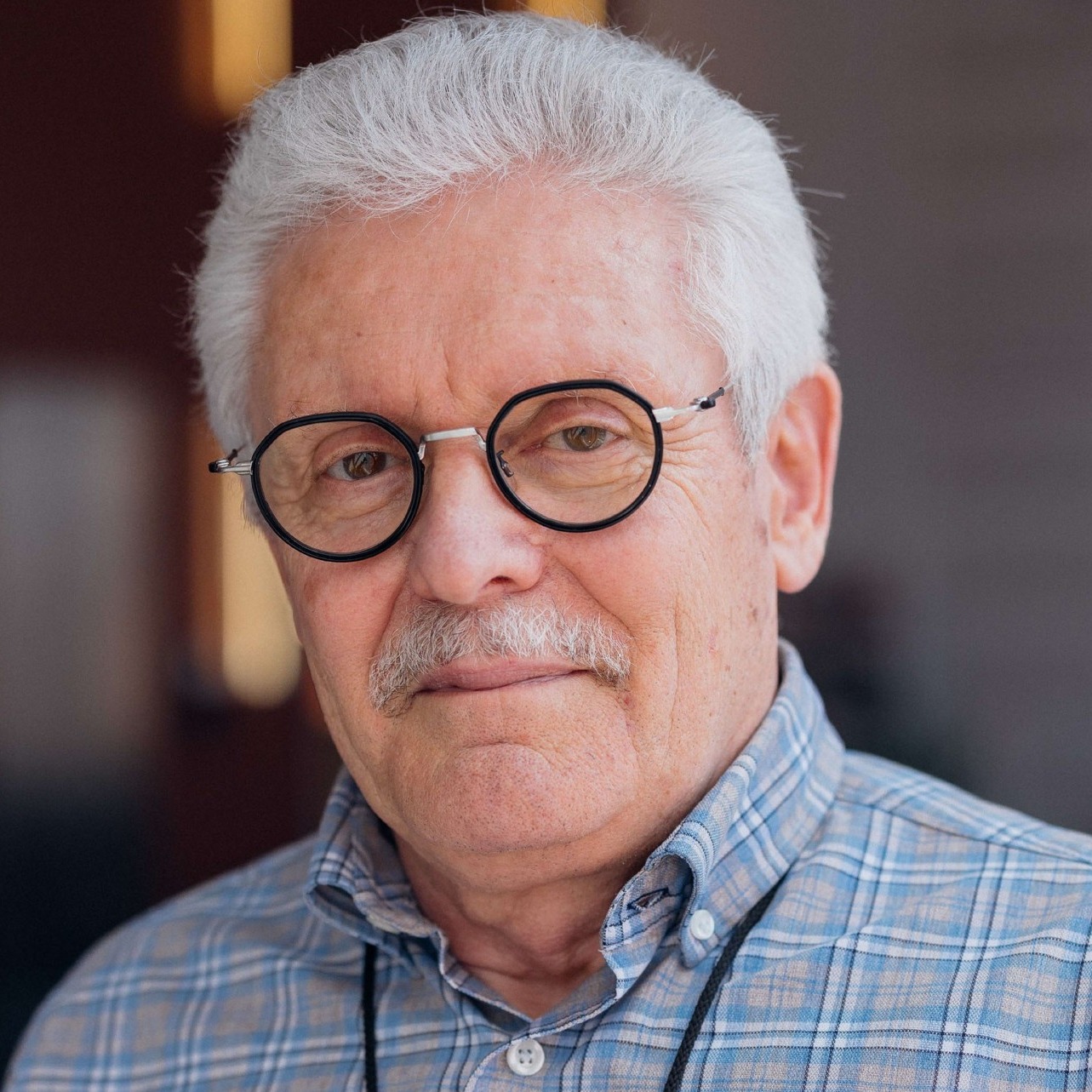
Department of Pharmacology, Toxicology & Therapeutics, University of Kansas Medical Center, Kansas City, KS, USA;Hartmut Jaeschke, PhD, ATS, FAASLD, is University Distinguished Professor and Past Chairman (2012-2024) of the Department of Pharmacology, Toxicology, and Therapeutics at the University of Kansas Medical Center, Kansas City, Kansas. He is a Fellow of the Academy of Toxicological Sciences (ATS) and Fellow of the American Association for the Study of Liver Diseases (FAASLD). He was the recipient of the Translational Impact Award of the Society of Toxicology (2019) and the Career Achievement Awards of the Mechanisms (2023) and the Clinical and Translational Toxicology (2026) Specialty Sections of SOT. His major research interests include basic mechanisms and translational aspects of xenobiotic-induced hepatotoxicity and tissue repair, with a focus on acetaminophen overdose.
|
Speaker/Presentation |
Time in CEST |
|
MDPI host Processes and webinar introduction—5 min |
3:00 – 3:05 pm |
|
Dr. Hartmut Jaeschke (Chair) Chair Introduction
|
3:05 - 3:15 pm |
|
Dr. Hartmut Jaeschke Mechanistic Biomarkers of Drug-induced Liver Injury |
3:15 – 3:35 pm |
|
Dr. Mitchell McGill Prognostic biomarkers in drug-induced liver injury |
3:35 - 3:55 pm |
|
Prof. Dr. James Dear Predictive biomarkers in DILI |
3:55 - 4:15 pm |
|
Prof. Dr. Raul Andrade Diagnostic and prognostic biomarkers in idiosyncratic DILI |
4:15 - 4:35 pm |
|
Q&A |
4:35 - 4:50 pm |
|
Closing of Webinar Prof. Dr. Hartmut W. Jaeschke (Chair) |
4:50 - 5:00 pm |
Meet Our Speakers
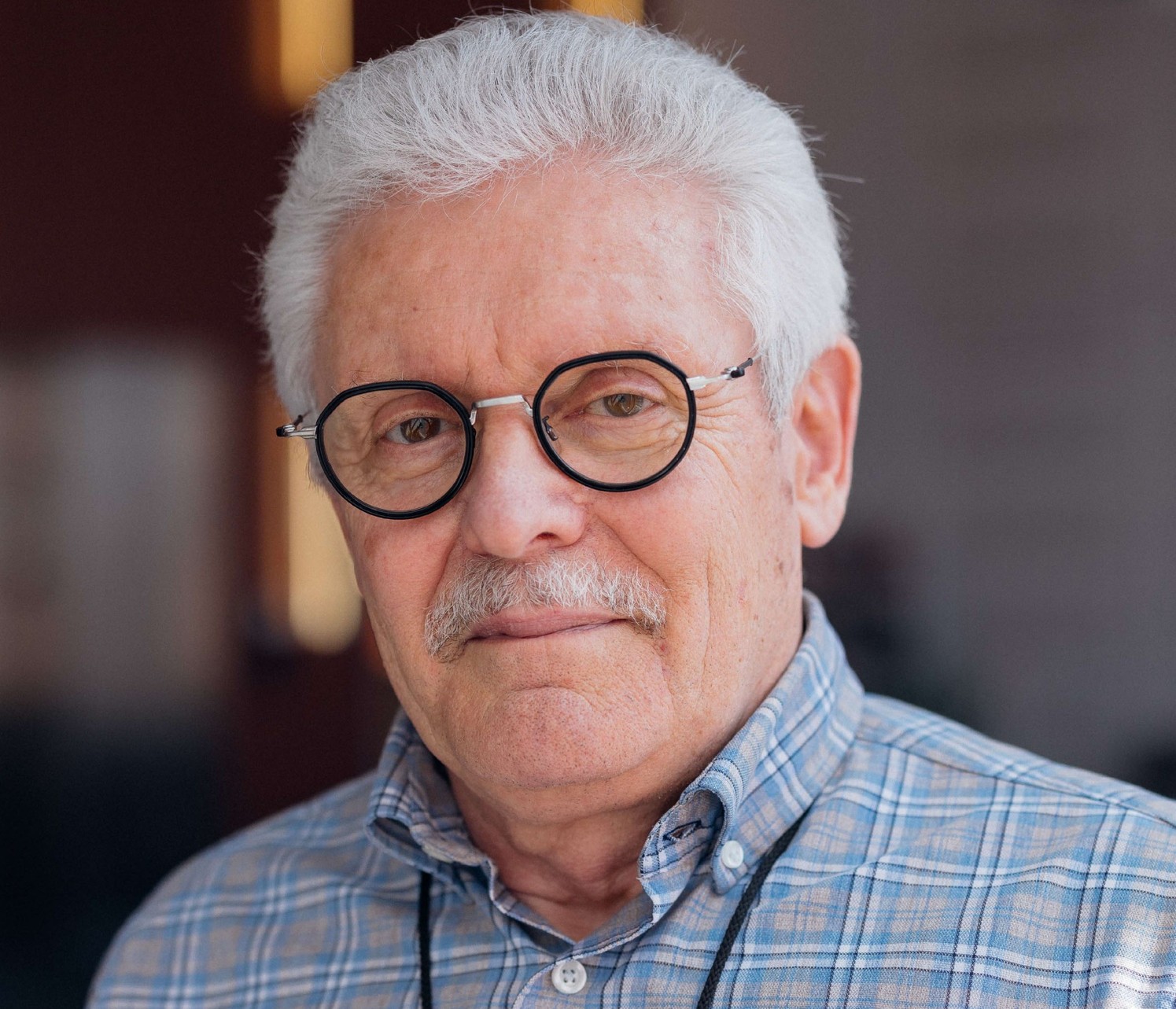
Department of Pharmacology, Toxicology & Therapeutics, University of Kansas Medical Center, Kansas City, KS, USA;Hartmut Jaeschke, PhD, ATS, FAASLD, is University Distinguished Professor and Past Chairman (2012-2024) of the Department of Pharmacology, Toxicology, and Therapeutics at the University of Kansas Medical Center, Kansas City, Kansas. He is a Fellow of the Academy of Toxicological Sciences (ATS) and Fellow of the American Association for the Study of Liver Diseases (FAASLD). He was the recipient of the Translational Impact Award of the Society of Toxicology (2019) and the Career Achievement Awards of the Mechanisms (2023) and the Clinical and Translational Toxicology (2026) Specialty Sections of SOT. His major research interests include basic mechanisms and translational aspects of xenobiotic-induced hepatotoxicity and tissue repair, with a focus on acetaminophen overdose.
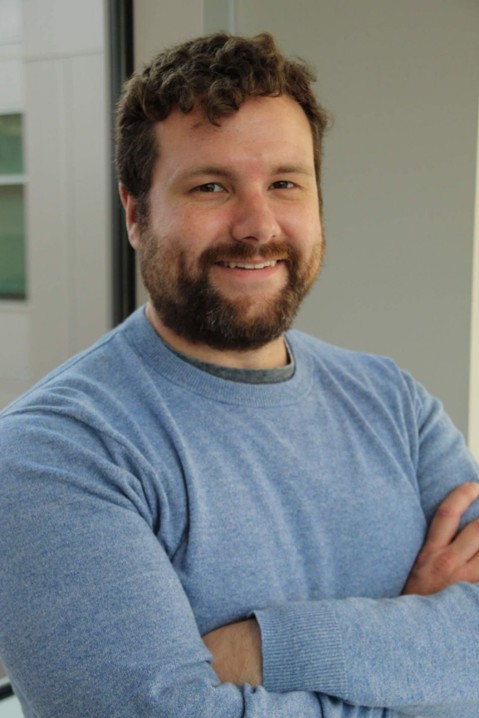
Dept. of Environmental Health Sciences, Fay W. Boozman College of Public Health, University of Arkansas for Medical Sciences, Little Rock, AR, USA;Dept. of Pharmacology and Toxicology, College of Medicine, University of Arkansas for Medical Sciences, Little Rock, AR, USA;Dept. of Pathology, College of Medicine, University of Arkansas for Medical Sciences, Little Rock, AR, USA;Dr. McGill earned his undergraduate degree in biology from the University of Missouri-Kansas City, followed by his PhD in toxicology at the University of Kansas Medical Center (KUMC). At KUMC, his research focused on translating the mechanisms of acetaminophen (APAP) hepatotoxicity from animal models to humans using samples from APAP overdose patients. This ignited an interest in blood biomarkers that caused him to pursue formal training in clinical chemistry. After completing a fellowship in clinical chemistry and toxicology at Washington University School of Medicine in St. Louis, MO, he was recruited as faculty to the University of Arkansas for Medical Sciences in Little Rock, AR. Today, he is both a researcher and a practicing clinical chemist there. His independent laboratory studies both the fundamental mechanisms of drug-induced liver injury (DILI) as well as biomarkers of DILI for clinical and regulatory applications, while his clinical service is focused on biomarkers of toxicity as well as clinical pathology more generally.
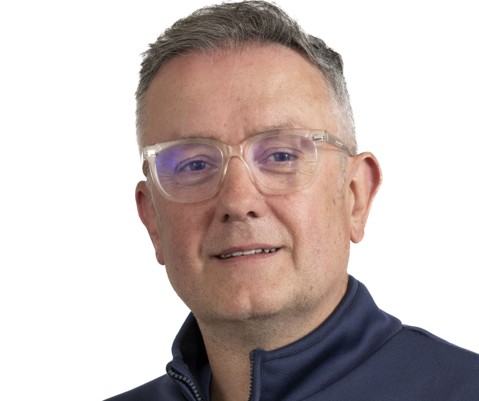
Prof. Dr. James Dear
Queen’s Medical Research Institute, University of Edinburgh, UK;Professor James Dear is a Clinical Pharmacologist at the University of Edinburgh and a Consultant for the National Poisons Information Service. His overall objective is to make medicines safer for patients. He focuses specifically on developing novel point-of-care biomarkers for drug toxicity, which has great importance to both clinical patient care and commercial drug development. Paracetamol overdose is the leading cause of acute liver failure in the Western world. Professor Dear is developing novel treatments for those patients at high risk of liver failure, a group without effective treatments. This includes leading multi-centre trials of new first-in-class therapeutics and Advanced Therapies, such as cell therapy, to repair the injured liver.
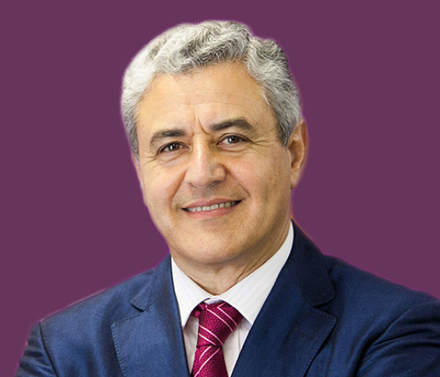
Department of Medicine and Dermatology, School of Medicine. University of Málaga, Malaga, Spain ;Raúl J. Andrade is Professor of Medicine at the University of Malaga and Director of the Gastroenterology Service, University Hospital of Málaga. Professor Andrade is the Director of the Spanish Drug Induced Liver Injury (DILI) Registry network and the Spanish Latin-American DILI Network. He was also responsible for setting up the Prospective European DILI Registry, which is funded by the European Association for the Study of the Liver. Professor Andrade has been involved in the development of a number of guidelines and is a member of a number of working groups and expert panels (including the Hepatotoxicity Special Interest group sponsored by the American Association for the Study of Liver Diseases and the CIOMS DILI working group sponsored by the World Health Organization and the Unesco). He has also acted as an Expert for the World Health Organization, the European Medicines Agency (EMA) and the Spanish Medicines Agency in the evaluation of liver safety of drugs. .He has published over 400 peer-reviewed articles in addition to 43 book chapters. Finally, he has undertaken over 300 presentations at national and international congresses, presenting on liver-related topics.
This is a FREE webinar. After registering, you will receive a confirmation email containing information on how to join the webinar. Registrations with academic institutional email addresses will be prioritized.
Certificates of attendance will be delivered to those who attend the live webinar.
Can't attend? Register anyway, and we'll let you know when the recording is available to watch.
Register for free here!
Mechanistic and Prognostic Biomarkers in Liver Diseases
Edited by Dr. Hartmut Jaeschke, Dr. Mitchell McGill
Deadline for manuscript submissions: 30 Novemeber 2026
-6a6cc99c91741.png)