4th MMCS: Harnessing the Power of New Drug Modalities
Thank you being a part of MMCS2024!
We extend our heartfelt gratitude to all attendees; your passion and engagement played a crucial role in making this event a great success!
Take a look at the key moments from the conference on the conference gallery!
the chairs
Dear Colleagues,
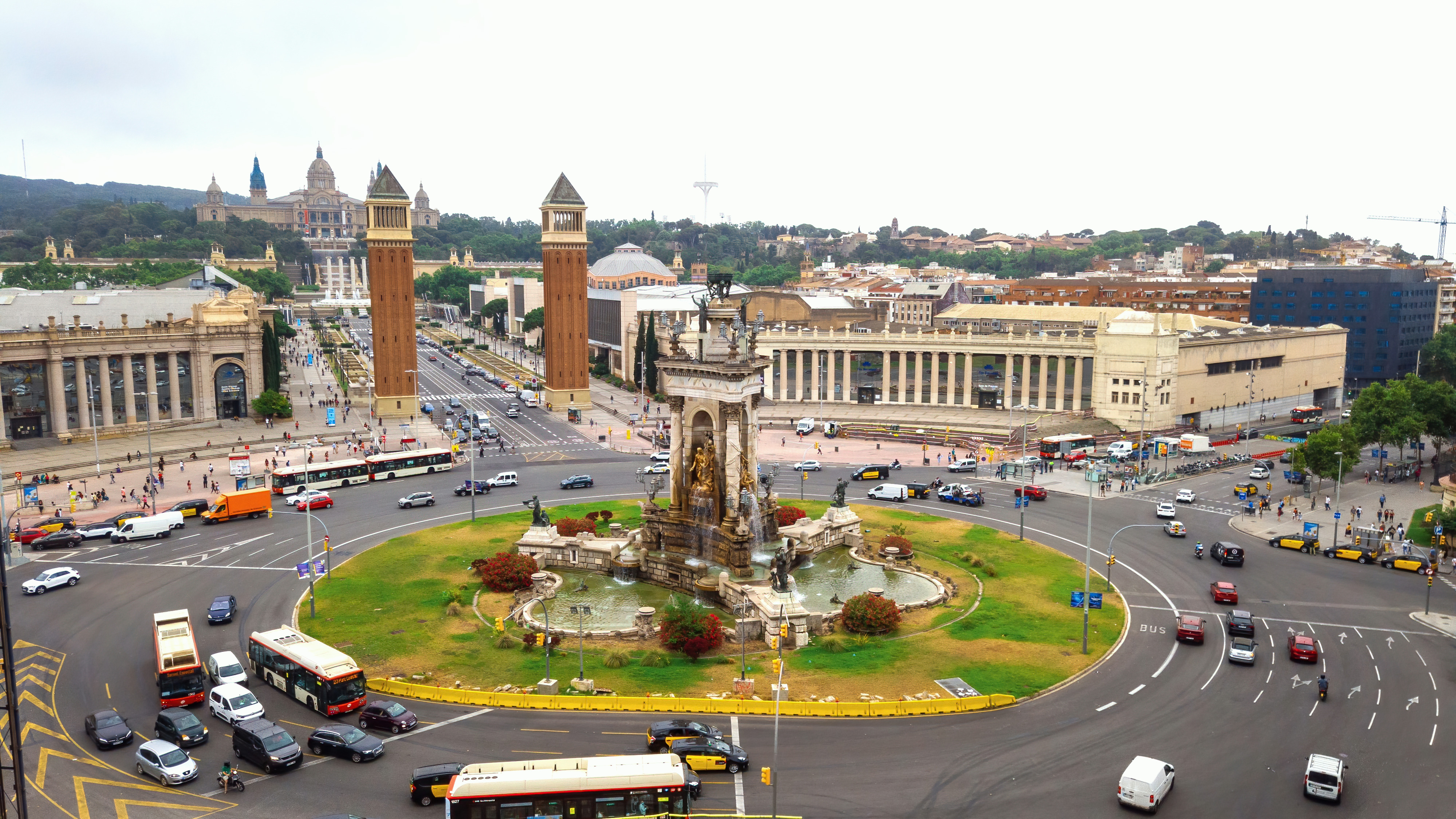
We are delighted to announce the upcoming 4th Molecules Medicinal Chemistry Symposium – Harnessing the Power of New Drug Modalities (MMCS 2024), which will take place in Barcelona, Spain, from April 24th to 26th, 2024.
Organized by MDPI, the publisher of the open-access journal Molecules, this conference follows the successful MMCS 2019 and MMCS 2022 editions, maintaining the highly appreciated three-day format to accommodate a diverse range of contributions and a large audience interested in the impact that the emergence of new drug modalities is having in drug discovery. MMCS 2024's thematic sessions will revolve around photoactivatable drugs, candidates that hit RNA and epigenetic targets, and covalent modifiers. The use of these and other more classical approaches for the development of new anti-cancer agents and other medicinal chemistry projects will also be covered.
Each session will include two distinguished invited speakers, who will share their insights alongside selected oral communications. Poster presentations and social events will further enrich the program.
We look forward to welcoming you to Barcelona in April, a perfect time to visit for its delightful weather, vibrant spring atmosphere, and wide array of cultural and outdoor activities that will provide an inspiring backdrop for our conference.
Prof. Diego Muñoz-Torrero
Editor-in-Chief of the Medicinal Chemistry Section of Molecules
MMCS 2024 Chair
Prof. Simona Collina
Editorial Board of the Medicinal Chemistry Section of Molecules
MMCS 2024 Co-Chair
Conference Secretariat
Dr. Maddalena Favaretto
Ms. Raquel Sellés
Dr. Elena González
Email: mmcs2024@mdpi.com
Sponsoring Opportunities
For information regarding sponsorship and exhibition opportunities, please contact us.
Join us on LinkedIn Events!
If you want to stay updated with the latest information, or if you want to connect with your fellow researchers before, during, and after the event, then be sure to join the 4th Molecules Medicinal Chemistry Symposium – Harnessing the Power of New Drug Modalities (MMCS 2024) LinkedIn Event.
See you over there!
 Follow the conversation on Twitter / X with #MMCS2024
Meet Our Chairs
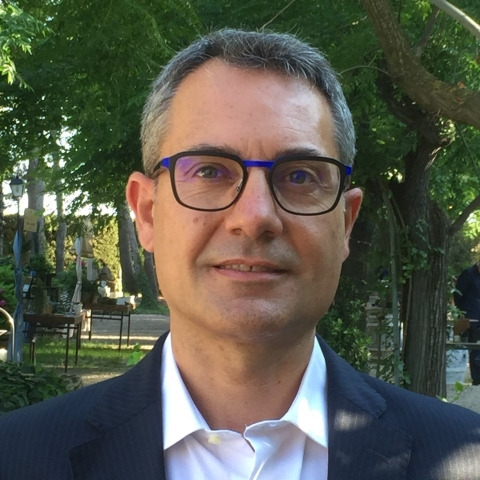
Faculty of Pharmacy and Food Sciences, and Institute of Biomedicine (IBUB), University of Barcelona, Spain;Prof. Diego Muñoz-Torrero is Full Professor of Organic and Medicinal Chemistry at the Faculty of Pharmacy and Food Sciences, University of Barcelona (UB). He is Head of the Laboratory of Medicinal Chemistry and belongs to the Governing Board of the Institute of Biomedicine (IBUB). His research focuses on the design and synthesis of new drug candidates against neurodegenerative and parasitic diseases, endowed with innovative mechanisms of action. He belongs to the editorial advisory board of several medicinal chemistry journals and serves as the Editor-in-Chief of the Medicinal Chemistry Section of the MDPI journal Molecules.
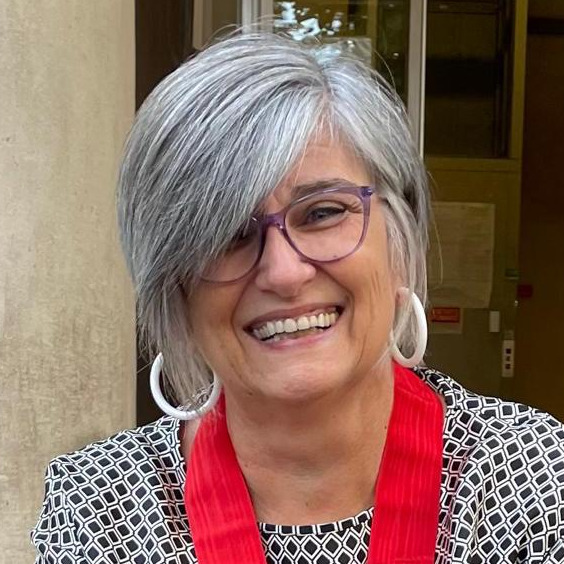
Department of Drug Sciences, University of Pavia, Pavia, Italy;Professor Simona Collina is Head of MedChemLab, Department of Pharmaceutical Sciences, and Dean of the School of Pharmacy at the University of Pavia. Her research activity mainly focuses on the study of chiral compounds and the relationship between absolute configuration and biological activity, and her research interests include design, synthesis of bioactive small molecules, and extraction of secondary metabolites from natural sources, mainly active in neurodegenerative diseases, cancer and pain. She also belongs to the editorial board of Molecules (MDPI), Medicinal Chemistry section.
Important Dates
22 Jan
2024
22 Feb
2024
3 Mar
2024
13 Apr
2024
13 Apr
2024
Meet Our Speakers
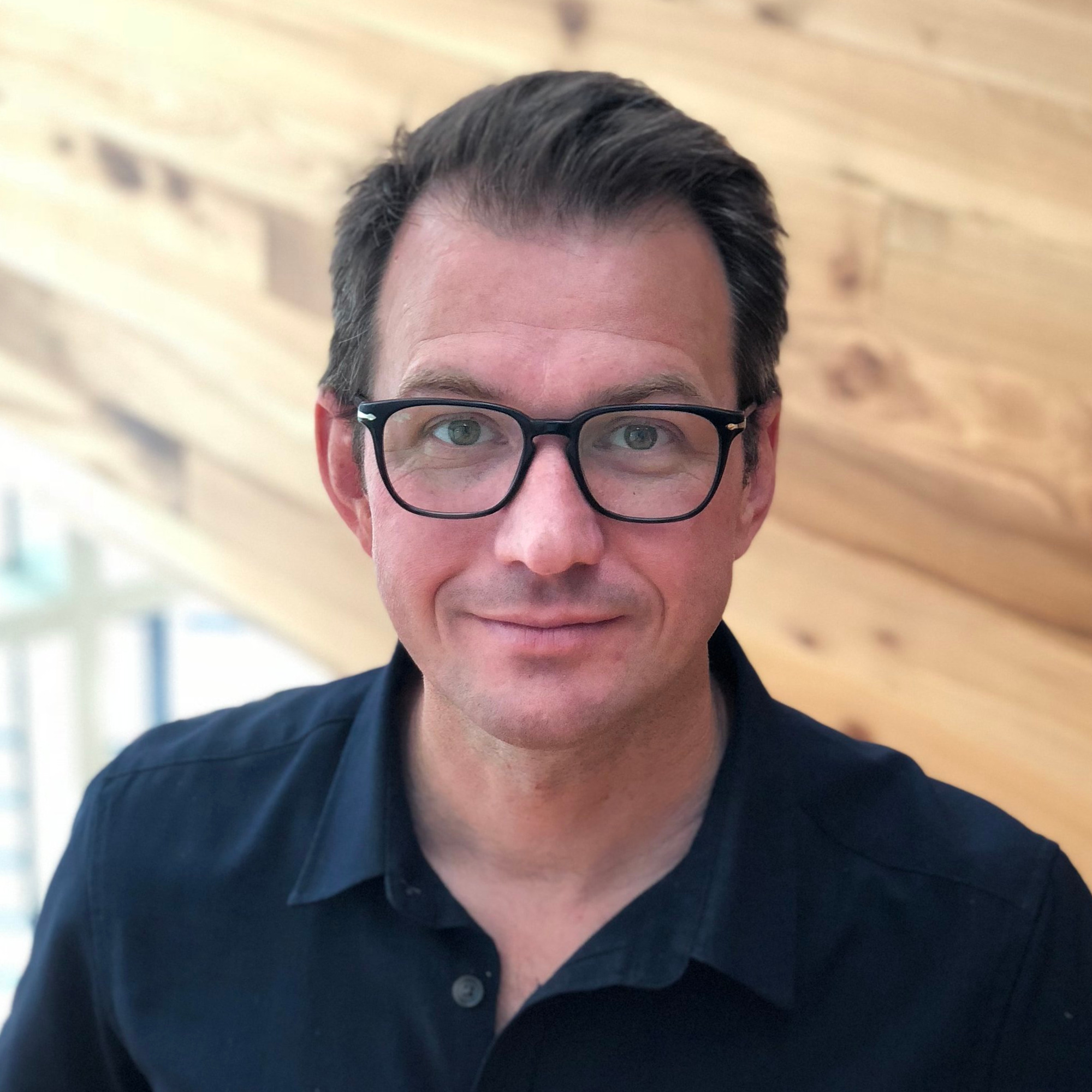
Centre for Medicines Discovery, Nuffield Department of Medicine, University of Oxford, UK;Paul Brennan received his PhD in organic chemistry from UC Berkeley. Following post-doctoral research at Cambridge University, Paul spent eight years working in the pharmaceutical industry at Amgen and Pfizer. After leaving Pfizer in 2011, Paul joined the Structural Genomics Consortium at the University of Oxford and led the chemical probes discovery effort on epigenetic targets. After leaving the SGC in 2019, Paul was Head of Chemistry and then CSO of the Alzheimer’s Research UK Oxford Drug Discovery Institute where his research was focused on finding new treatments for dementia. Paul is currently Professor of Medicinal Chemistry and Director of the Centre for Medicines Discovery at the University of Oxford. Over the course of his career, Paul has worked on most major drug targets classes: kinases, GPCRs, ion-channels, metabolic enzymes, and epigenetic proteins. His current research is on target validation in neurodegeneration, oncology, virology, and rare diseases; and chemical probe discovery for E3 ligases and small GTPases.
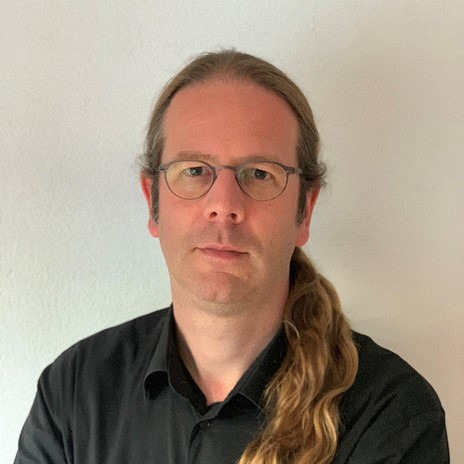
Laboratory of Chemical Biology, Eindhoven University of Technology, The Netherlands;Luc Brunsveld is professor of Chemical Biology in the Biomedical Engineering department and the Institute for Complex Molecular Systems at the Eindhoven University of Technology. His research centers on chemical biology, particularly protein-protein interaction studies, drug discovery, and supramolecular signaling systems. By melding synthetic and supramolecular chemistry with chemical biology, he achieves precise molecular control over biological systems. The group has cultivated expertise in organic synthesis, peptide and protein chemistry, chemical biology, and supramolecular chemistry, enabling them to craft new molecules and materials for the study, engineering, and modulation of protein-protein interactions. Their ambitions include realizing a synthetic cell and devising novel drugs by fine-tuning protein-protein interactions, ranking high on the group's wish list. Luc is co-founder of Ambagon Therapeutics.
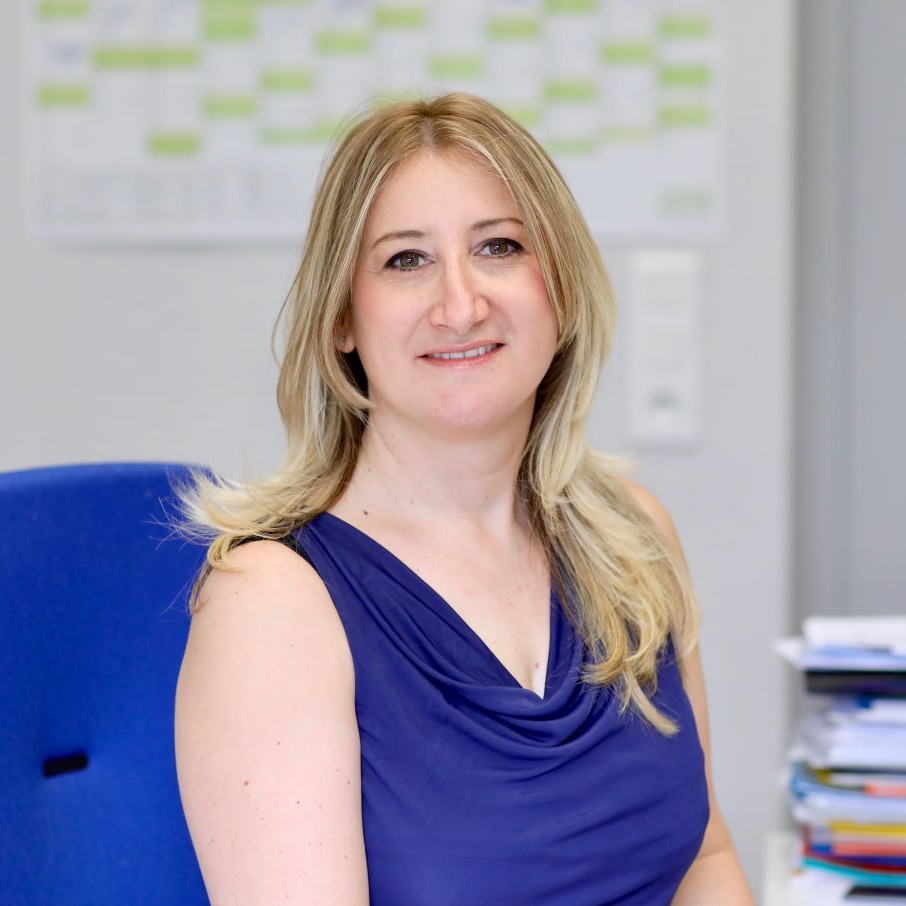
Dr. Maria Duca
Institute of Chemistry of Nice, Université Côte d'Azur, France;Dr. Maria Duca is id the CNRS Research Director and Director of the TNA research group at the Institute of Chemistry of Nice (ICN). She holds a Master degree in Pharmaceutical Chemistry from the University of Bologna and a PhD in Molecular Biochemistry from the National Museum of Natural History in Paris. She is Vice-President of the French Medicinal Chemistry Society (SCT) and Associate Editor for RSC Medicinal Chemistry. She also chairs the Chemical Biology Initiative for the European Federation of Medicinal Chemistry, promoting interdisciplinary research. Dr. Duca serves on the Editorial Advisory Board of the Journal of Medicinal Chemistry and the Scientific Advisory Board of ChemMedChem. Recognized for her contributions, Dr. Duca has received prestigious awards, including the Alexandre Joël Award from Fondation ARC and the Michel Delalande Award from the French Pharmacy Academy. Her research focuses on developing synthetic molecules to target oncogenic microRNAs, with publications showcasing innovative approaches.
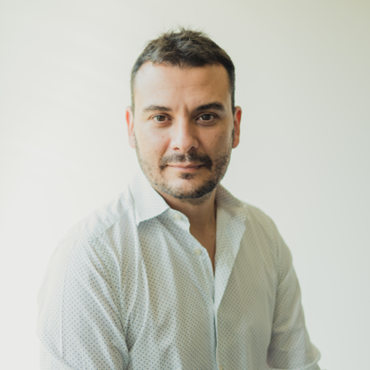
Co-founder and drug discovery advisor of Oniria Therapeutics, Spain;University of Barcelona, Spain;Dr Carles Galdeano is currently an Associate Professor at the University of Barcelona. He obtained his PhD in medicinal chemistry at the University of Barcelona. After that, he spent three years post-doc in Alessio Ciulli’s lab (first at the University of Cambridge and later at the University of Dundee) where together they developed the first potent VHL ligands described. His postdoctoral discoveries represented a breakthrough in the PROTACS field. In 2015, he returned to the University of Barcelona to work in collaboration with Prof Barril until 2019, when he started his independent research group. Dr Galdeano is also co-founder of Oniria Therapeutics.
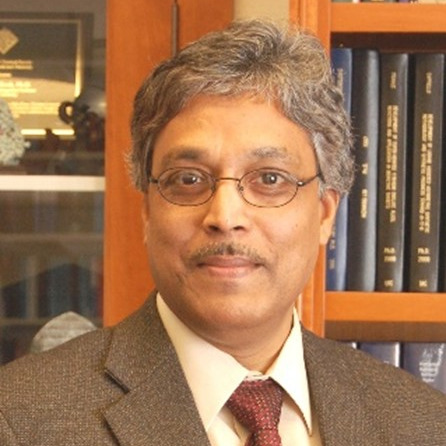
Department of Chemistry; Department of Medicinal Chemistry and Molecular Pharmacology, Purdue University, USA;Prof. Ghosh is the Ian P. Rothwell Distinguished Professor of Chemistry and Medicinal Chemistry at Purdue University. Prof. Ghosh’s research group is involved in multidisciplinary research projects in the areas of synthetic organic, bioorganic, and medicinal chemistry. His group is currently studying critical ligand-binding site interactions of various proteolytic enzymes. This includes cysteine proteases for treatment of COVID-19, BACE1 (memapsin 2), a very significant target for Alzheimer’s disease, as well as, HIV protease whose clinical effectiveness for the treatment of AIDS has been well recognized. Prof. Ghosh created a molecule, known as Darunavir, that in 2006 became the first approved by the Food and Drug Administration to treat drug-resistant HIV. The drug molecule is now approved in 80 countries and is used as a frontline therapy for HIV and AIDS. His groundbreaking research has been recognized with numerous National and International awards, including IUPAC Richter prize, ACS Medicinal Chemistry Hall of Fame, ACS Cope Scholar Award, and MERIT - award from the National Institute of General Medical Sciences.

ICREA, Institute for Bioengineering of Catalonia (IBEC), CIBER-bbn, Spain;Pau Gorostiza earned his physics degree and European Doctorate in semiconductor electrochemistry at the University of Barcelona (UB). His research at UB's microscopy facility focused on AFM and STM techniques for biological samples and nanotechnology in materials science. He visited CNRS - Université Pierre et Marie Curie in France and the University of California, Berkeley. Currently, an ICREA Research Professor at the Institute for Bioengineering of Catalonia, he develops photoswitchable ligands for neuronal proteins and studies interprotein electron transport in respiratory and photosynthetic complexes with EC-STM/AFM. Notably, he received a HFSP Career Development Award, two ERC grants, published 130 articles (6900 citations, h-index 44), holds 7 patents (5 licensed), and supervised 11 postdoctoral fellows and 13 PhDs.
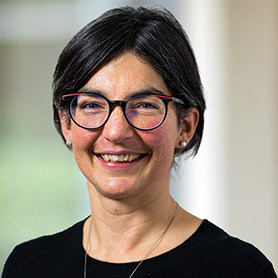
Helmholtz Institute for Pharmaceutical Research Saarland (HIPS), Germany;Prof. Dr. Anna Hirsch pursued her education in Natural Sciences with a specialization in Chemistry at the University of Cambridge. During her third year, she had the privilege of studying at the Massachusetts Institute of Technology, where she engaged in a research project alongside Prof. Timothy Jamison. In 2008, she accomplished her Ph.D. from ETH Zurich, concentrating on the de novo structure-based design and synthesis of inhibitors for an anti-infective target enzyme under the supervision of Prof. François Diederich. Subsequently, she undertook an HFSP postdoctoral fellowship at the Institut de Science et d’Ingénierie Supramoléculaires (ISIS) in Strasbourg, led by Prof. Jean-Marie Lehn. She continued then as assistant professor, and afterwards as associate professor, at the Stratingh Institute for Chemistry at the University of Groningen in 2010. In 2017, Anna transitioned to the Helmholtz Institute for Pharmaceutical Research Saarland (HIPS), where she serves as the head of the department for drug design and optimization. Her focus remains on anti-infective drug design, employing strategic methods such as structure- and fragment-based drug design. Prof. Hirsch's remarkable achievements have been widely recognized. She received the Gratama Science Prize in 2014, followed by the SCT-Servier Prize for Medicinal Chemistry in 2015. In 2017, her accomplishments were further acknowledged with the Innovation Prize for Medicinal Chemistry by the GdCh/DPhG. Her exceptional contributions earned her the EFMC Young Medicinal Chemist in Academia runner-up Prize in 2019.
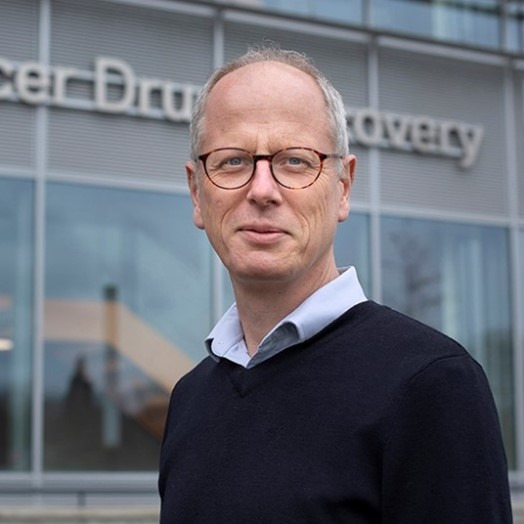
The Institute of Cancer Research, London, UK;Professor Hoelder is the head of chemistry at the Centre for Cancer Drug Discovery (CCDD), formerly known as Cancer Research UK Cancer Therapeutics Unit, at The Institute of Cancer Research, London. In 2020 he was awarded a professorship in Medicinal Chemistry and Drug Design and in 2022 he became the Head of Chemistry within the CCDD. He completed his PhD in organic chemistry at the Technical University in Berlin in the team of Professor S. Blechert. Following his PhD, Professor Hoelder spent two years in the lab of Professor P.G. Schultz at the University of California, Berkeley establishing methods to identify novel enzymes through selection from large protein libraries. His Post-Doctoral research was supported by a Feodor Lynen Fellowship from the Alexander von Humboldt Foundation. In October 2007, Professor Hoelder joined the faculty of the ICR applying his medicinal chemistry experience to discover novel drugs in the unique and collaborative environment of the Centre for Cancer Drug Discovery (formerly known as Cancer Research UK Cancer Therapeutics Unit). In 2020 he was awarded Professorship in Medicinal Chemistry and Drug Design and in 2022 he became the Head of Chemistry within the Centre for Cancer Drug Discovery.
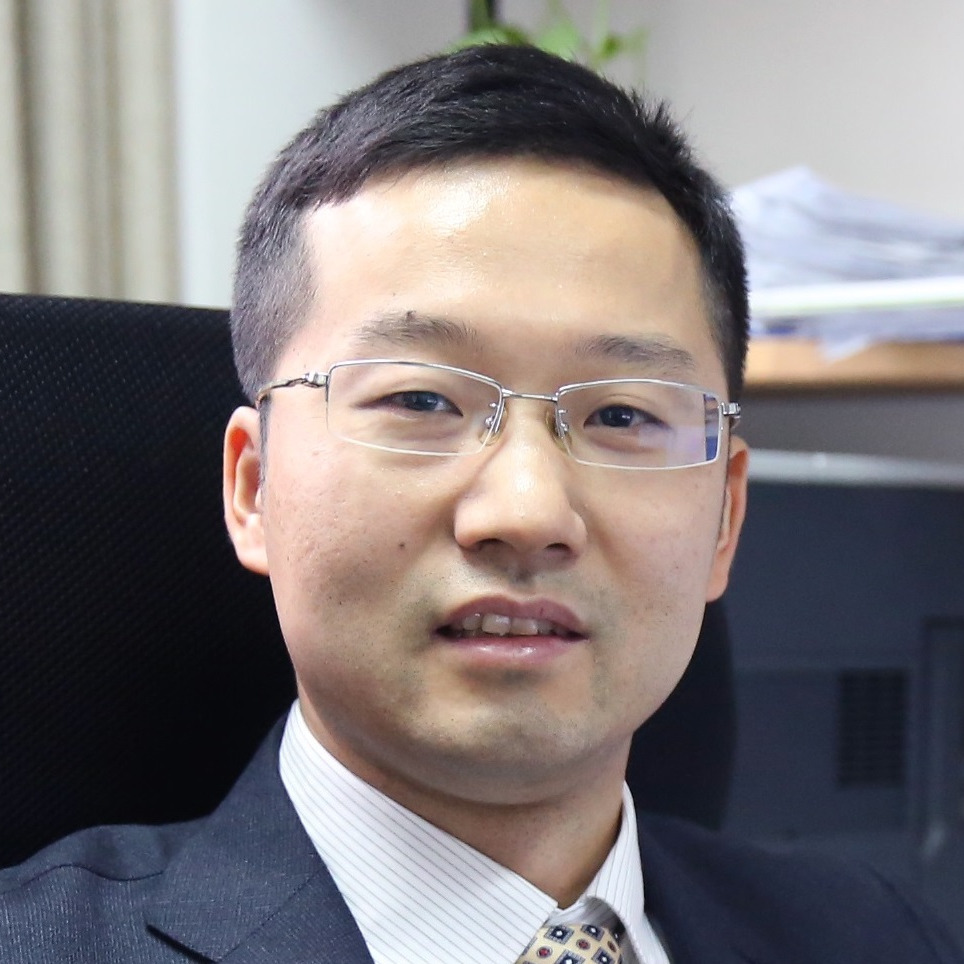
College of Chemistry and Molecular Engineering, Peking University, China;Prof. Xiaoguang Lei is the Boya Distinguished Professor of Chemistry and Chemical Biology at the College of Chemistry and Molecular Engineering, Peking University. During his career, he has received numerous prestigious awards including the Molecules 2022 Tu Youyou Award. His laboratory at Peking University conducts research on the interface between chemistry and biology. He focuses on the function-oriented synthesis of structurally complex and bioactive natural products and systematically uses bioactive small molecules (either natural products or unnatural compounds) to study their biological functions, elucidate molecular mechanisms of the essential biological pathways, and develop novel therapeutic agents for currently intractable human diseases, such as cancers and infectious diseases. In addition, he has been exploring the biosynthesis of plant-derived bioactive natural products and developing efficient chemoenzymatic approaches to access these complex molecules. During his career to date, Prof. Dr. Lei has distinguished himself with numerous high-quality contributions in diverse areas of natural product synthesis, chemical biology, and drug discovery. His investigations into the molecular details and mechanisms at the interface between chemistry and biology have led to novel discoveries with potentially significant consequences for molecular medicine.
Dr. Alessandra Magistrato
Istituto Officina dei Materiali (IOM) at International School of Advanced Studies (SISSA), Italy;Alessandra Magistrato obtained her PhD at ETZ Zuerich, Swizerland, following which she was appointed as postdoc researcher at University of Pennsylvania, Philadelphia PA, USA. In 2003 she became Tenure track at INMF- Democritos simulation center at the International School for Advanced Studies (SISSA), Trieste, Italy. From 2006 she became permanent research staff of CNR-IOM@SISSA where she leads a laboratory of computational biology and biochemistry. Since 2018 she has been Research Director of CNR-IOM at SISSA. Her research interests concern the use of state of the art computational techniques for the study of biological and biochemical systems involved in the onset of human diseases. In particular, her research focuses on drug and protein interactions with nucleic acids RNA, (metal based) enzymatic and RNA catalysis, transport mechanism via ionic channels, role of metals in neurodegenerative diseases.
Groningen Research Institute of Pharmacy, University of Groningen, The Netherlands;Wiktor Szymanski, was granted his PhD from The Warsaw University of Technology, Poland, in 2008, under the guidance of Prof. Ryszard Ostaszewski. He then honed his expertise in biotransformations in organic chemistry during a two-year period with Prof. Ben L. Feringa and Prof. Dick B. Janssen at the University of Groningen. Since 2010, his focus has centered on creating photoactive protein, peptide, and DNA bioconjugates, delving into the realm of photopharmacology in the Feringa Labs. In 2014, he joined the Medical Imaging Center at the University Medical Center Groningen, eventually obtaining the role of tenure track assistant professor in 2015 and associate professor in 2019. He was appointed full professor in 2023 at the Groningen Research Institute of Pharmacy, where he holds the chair of Medicinal Chemistry, Photopharmacology, and Imaging.
Department of Biomedicine, University of Basel, Switzerland;Prof. Matthias P. Wymann is at the Department of Biomedicine, University of Basel, investigating the role of class I PI3K isoforms in chronic inflammation, allergy, cancer and metabolism. He introduced wortmannin as the first PI3K inhibitor in 1993, and elucidated its covalent interaction site with PI3Kα and PI3Kγ. The first viable PI3K knock-out mice then established the role of PI3Kγ downstream of G protein-coupled receptor (GPCR) signaling, establishing a mechanism for PI3K-dependent chemokine action on hematopoietic cells. Over the past years, his research has primarily focused on the role of non-redundant functions of PI3Kγ complexes in allergy and metabolism, and the development of PI3K and mTOR-selective inhibitors for cancer therapy. Among these, Bimiralisib/PQR309 reached phase II trials. Chemical probes and covalent PI3Kα inhibitors are currently explored to investigate PI3Kα in metabolism and adverse effects to improve PI3Kα targeted therapy.






Posters should be set up on Thursday morning and must be removed by 16:30 on Friday. Posters will remain hung throughout the entire conference and will be presented during the two poster sessions.
Poster numbers, titles, and presenting author, can be found below. Please contact us if the poster presenter's name is incorrect in this list (last updated on 18 April 2024). By clicking on the icon below, you can view and download the list of posters.
How to prepare your poster?
- 84 x 120 cm / 33 x 47 in (width x height)
- in vertical orientation (portrait)
Click here for a full guide with suggestions on how to prepare your poster.

Thursday, 25 April 2024, 8:00 pm CET
45 EUR (per person)
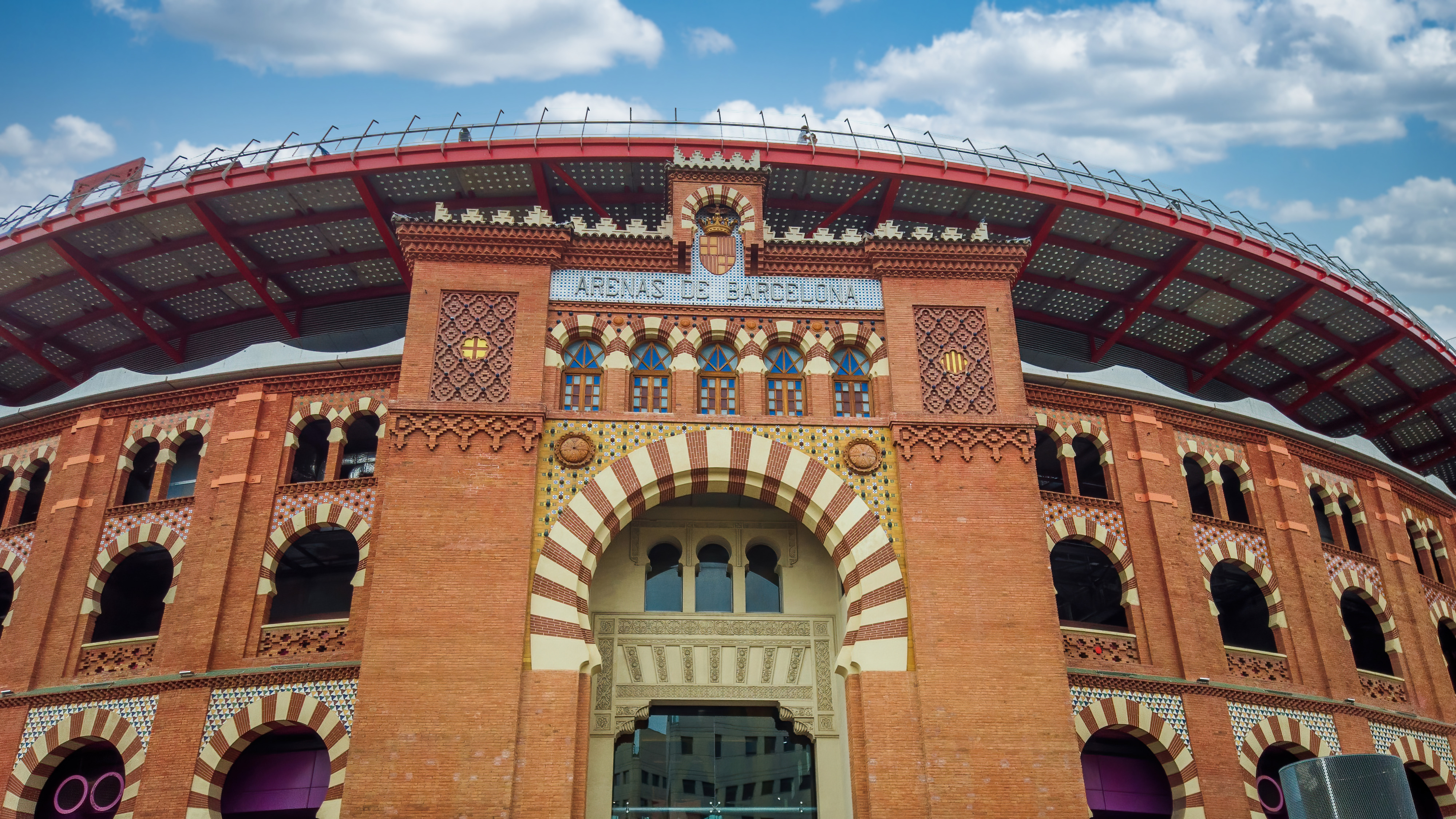
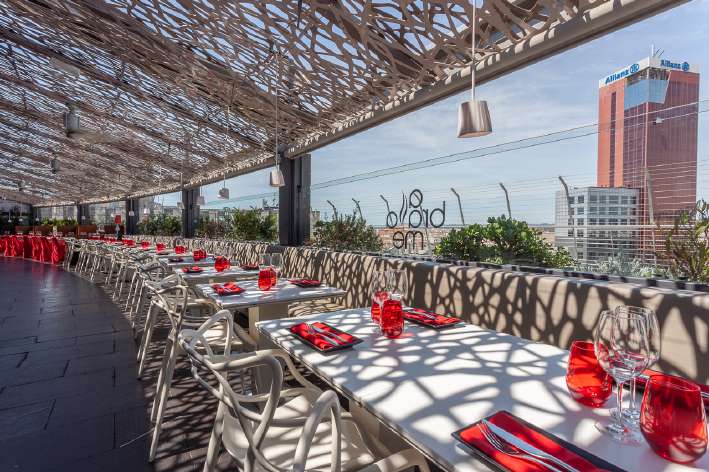
We invite you to join us at the Conference Dinner at Abrassame, a cutting-edge restaurant specialised in Mediterranean cuisine which, in addition to its location at the pictouresque terrace of Arenas de Barcelona, will make of your evening at the restaurant an experience to remember.
The dinner will be at an additional cost of 45 EUR and will need to be booked separately in an independent registration. Please register and pay for it here before 14 April 2024 and save your seat. During the registration process, please indicate your preferred main course in the comments: Meat (Pork), Fish, or Vegetarian.
You are welcome to bring any accompanying persons by booking their seats. Please note that registrations onsite will not be permitted.