
MDPI Topic Editor Club 2026 | Engineering Session
Topic Editor Club 2026
Engineering Session
Dear colleagues,
MDPI warmly invites you to the 2026 MDPI Topic Editor Club webinar series. This global platform connects worldwide Topic Editors, featuring emerging research themes, practical editorial experience sharing and academic communication. MDPI Topics are interdisciplinary thematic paper collections published across multiple MDPI journals. Led by professional Topic Editor teams and supported by MDPI’s efficient open access publishing workflow, they facilitate academic collaboration and help research reach broader global audiences.
Focusing on Engineering, this session brings together discipline Topic Editors to showcase editorial work, discuss the successes and challenges of Topic development, and share innovative strategies for building high-impact Topics. It offers a great chance for peer learning and cross-disciplinary collaboration to advance open access research in this field.
We welcome your participation in the 2026 MDPI Topic Editor Club, and look forward to your insights and questions during the live Q&A session.
Date: 15 October 2026
Time: 13:00 CEST | 7:00 EDT | 19:00 CST Asia
Webinar ID: 815 5310 9262
Webinar Secretariat: webinar@mdpi.com
This is a FREE webinar. After registering, you will receive a confirmation email containing information on how to join the webinar. Registrations with academic institutional email addresses will be prioritized.
Certificates of attendance will be delivered to those who attend the live webinar.
Can’t attend? Register anyway and we’ll let you know when the recording is available to watch.
Register here for free!
|
Speaker |
Presentation Title |
Time in CEST |
Time in EDT |
Time in CST Asia |
|
Marko Stojadinov |
MDPI Introduction |
13:00 – 13:10 |
7:00 – 7:10 |
19:00 – 19:10 |
|
Dr. Mehdi Amirkhani & Dr. Igor Martek |
MDPI Topics on Sustainable Construction: Challenges and Opportunities |
13:10 – 13:30 |
7:10 – 7:30 |
19:10 – 19:30 |
|
Q&A Session |
13:30 – 13:40 |
7:30 – 7:40 |
19:30 – 19:40 |
|
|
Prof. Azidine Guezzaz |
From AI-Based Intrusion Detection to Autonomous Cybersecurity |
13:40 – 14:00 |
7:40 – 8:00 |
19:40 – 20:00 |
|
Q&A Session |
14:00 – 14:10 |
8:00 – 8:10 |
20:00 – 20:10 |
|
|
Dr. Hafiz Muhammad Asif |
Next-Generation Wireless Communication Systems |
14:10 – 14:30 |
8:10 – 8:30 |
20:10 – 20:30 |
|
Q&A Session |
14:30 – 14:40 |
8:30 – 8:40 |
20:30 – 20:40 |
|
|
Marko Stojadinov |
Introduction of MDPI Topics |
14:40 – 15:00 |
8:40 – 9:00 |
20:40 – 21:00 |
|
Q&A Session |
15:00 – 15:10 |
9:00 – 9:10 |
21:00 – 21:10 |
|
|
Marko Stojadinov |
Closing of Webinar |
15:10 – 15:15 |
9:10 – 9:15 |
21:10 – 21:15 |
Meet Our Speakers
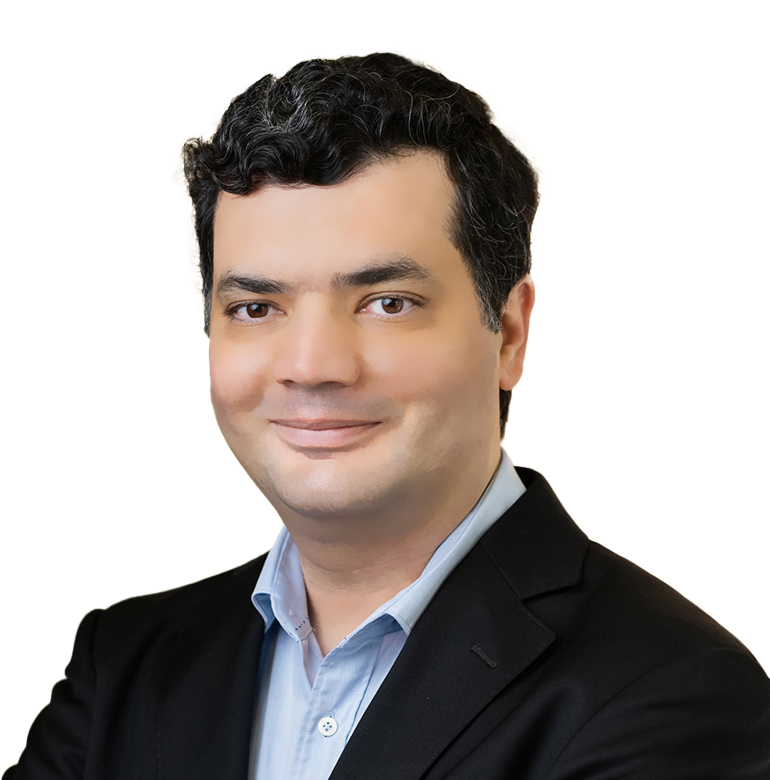
University of South Australia, Adelaide, Australia;Dr Mehdi Amirkhani is a Senior Lecturer at Adelaide University and a recognised leader in Modern Methods of Construction (MMC), factory-built construction, sustainable building performance, and workforce capability development. With experience across five Australian universities and a professional background as an architect and Accredited Home Energy Efficiency Assessor, he has contributed to more than 120 building projects, bridging academic research, industry practice, and education. His research advances innovation, productivity, sustainability, and digital transformation in the construction sector through applied research and collaboration with government, industry, and professional bodies. His expertise spans net-zero energy housing, building performance optimisation, residential retrofitting, advanced simulation modelling, and offsite and modular construction. Dr Amirkhani serves as Academic Lead: IVE-Virtual Intern Program (VIP), driving industry-engaged learning and workforce capability development for future professionals. He is also Co-Director of the Zero Energy Mass Custom Home (ZEMCH) Network Australia and collaborates closely with organisations such as prefabAUS to accelerate the adoption of industrialised construction. Through his leadership in research, education, and industry engagement, he is helping shape a more productive, sustainable, and future-ready built environment.
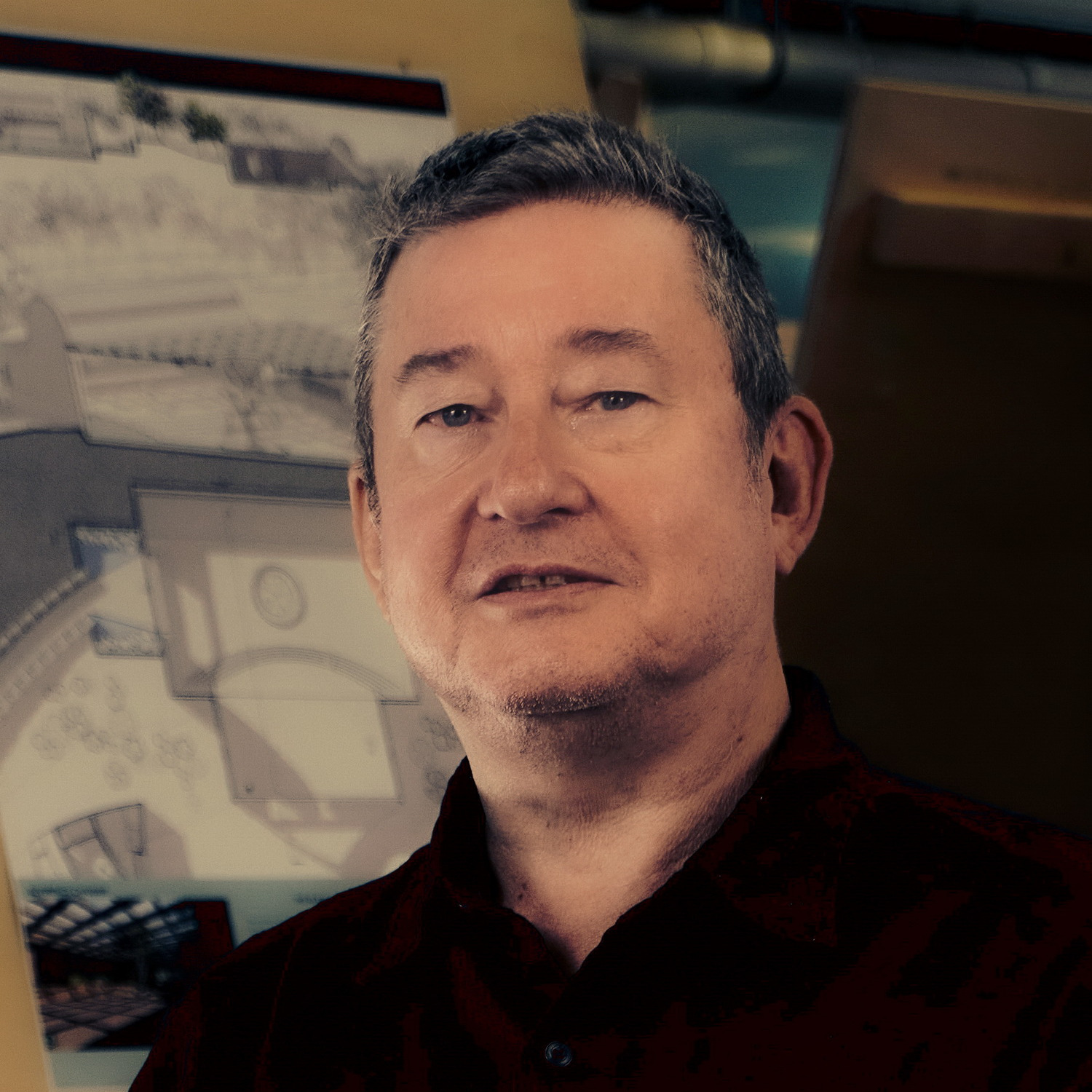
Deakin University, Geelong, Australia ;Dr Igor Martek is currently an academic at Deakin University, Australia. He earned his PhD in 'Enterprise Strategies in International Construction' from the University of Melbourne. He has an MBA from the Australian Graduate School of Management, NSW, and an MA in International Relations from the Australian National University, Canberra. He has worked extensively in industry in evaluating, generating and managing large capital projects in various locations around the world. He has worked in Europe, including Eastern Europe, the Maghreb, the Levant, China, and Korea, and was managing director, Far East, of a British consultancy firm based in Tokyo, for ten years. His research interests include the procurement and facilitation of capital projects as an instrument of national competitive strategy, and the competitive behaviours of international construction firms.
Cadi Ayyad University, Essaouira, Morocco ;Azidine Guezzaz is currently an Associate Professor of computer science and mathematics at Technology Higher School Essaouira at Cadi Ayyad Marrakech University Morocco. He is a member in Research Laboratory in Smart and Sustainable Technologies (LaRTiD). Head of SISAR Research Team: Security, Intelligent System Applications, and Robotics. Recognized among the World's Top 2% Scientists (Stanford University & Elsevier) and ranked within the Top 5% Global Scientists (SciRank), he has established himself as an internationally recognized researcher and academic leader in Trustworthy Artificial Intelligence and Cybersecurity. His research work includes Security, Cryptography, AI, Blockchain And Healthcare. He is a reviewer of various journals and Editor of Books and special Issues.
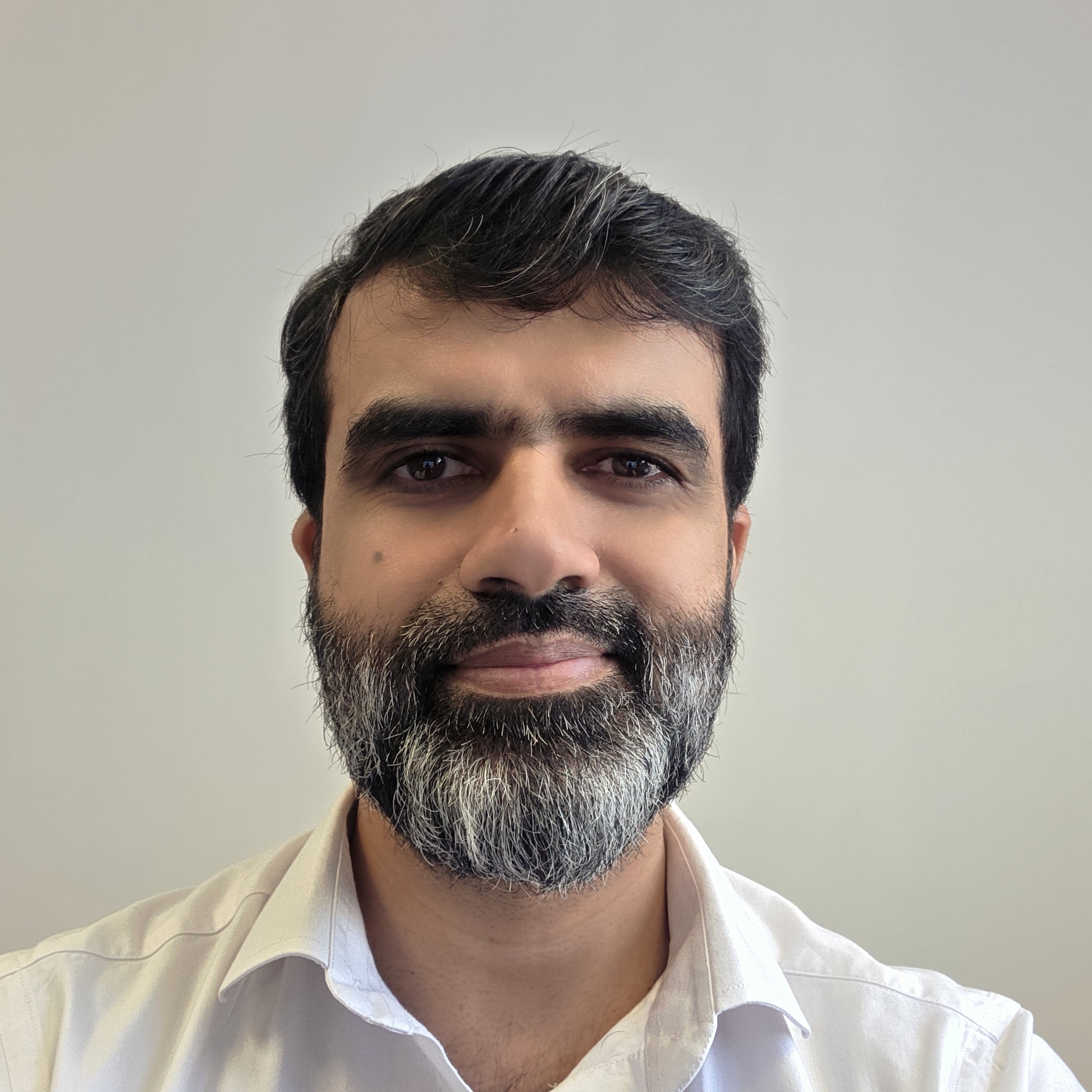
Sultan Qaboos University, Muscat, Oman;Dr. Hafiz Asif received his PhD in Communication Systems from Lancaster University, UK in 2012. He worked at HW Communications Ltd., Lancaster, UK for about 1 year as trainee engineer on different research and development projects. He is both a Chartered Engineer (CEng) and an IEEE senior member. He is also the Vice president of IEEE Oman chapter section. His research areas include visible light communication, quantum computing, quantum communication, space time block codes, wireless communication systems, IoT and computer networks. He has secured several research grants on manifold scientific area ranging from wireless communication, indoor positioning, mobility management, IoT for healthcare applications to quantum computing and its applications for optimization problems.
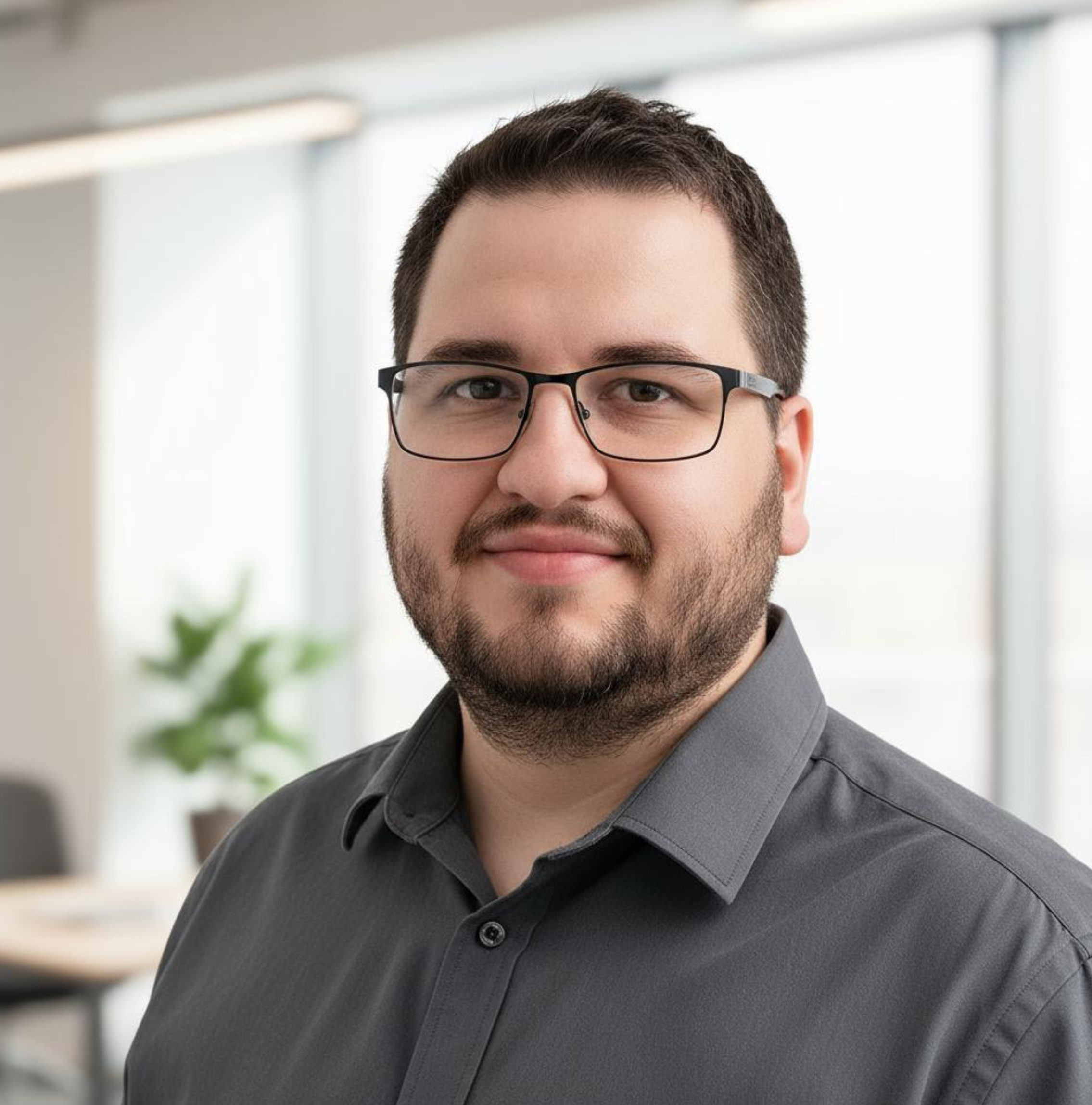
Mr. Marko Stojadinov
MDPI;Mr. Marko Stojadinov holds an MSc in Mechanical Engineering from the University of Belgrade and has six years of experience in academic publishing at MDPI. He currently serves as a Senior Deputy Managing Editor, where he works closely with scholars and supports the coordination and development of academic publishing projects. Throughout his career, Mr. Marko Stojadinov has been involved in organizing and coordinating a range of academic events and initiatives, including conference exhibitions, webinars, and academic publishing workshops. He has extensive experience communicating directly with researchers and academics and has contributed to the coordination of Special Issue projects, working with scholars and editorial teams to support their successful development.
Sustainable Building Development and Promotion
Edited by Igor Martek and Mehdi Amirkhani
Manuscript submission deadline: 31 December 2026
Cybersecurity Symmetry: Encryption, AI, and Attack Patterns
Edited by Mobyen Uddin Ahmed and Azidine Guezzaz
Manuscript submission deadline: 31 March 2027
Revitalizing Buildings and Our Urban Heritage
Edited by Igor Martek, Mehdi Amirkhani and Chayakan Siamphukdee
Manuscript submission deadline: 31 May 2027
Blockchain for Sustainability: Applications in Energy, Supply Chain, and Green Finance
Edited by Firdous Kausar, Hafiz Muhammad Asif and Mian Muhammad Waseem Iqbal
Manuscript submission deadline: 31 May 2027
Sustainable Construction: Globalize, Organize, Build, Unite, Innovate, Lead, Develop
Edited by Igor Martek and Mehdi Amirkhani
Manuscript submission deadline: 31 July 2028