MDPI World Water Day Webinar 2026 | Water for All People – Governance, Security, and Access
the chair
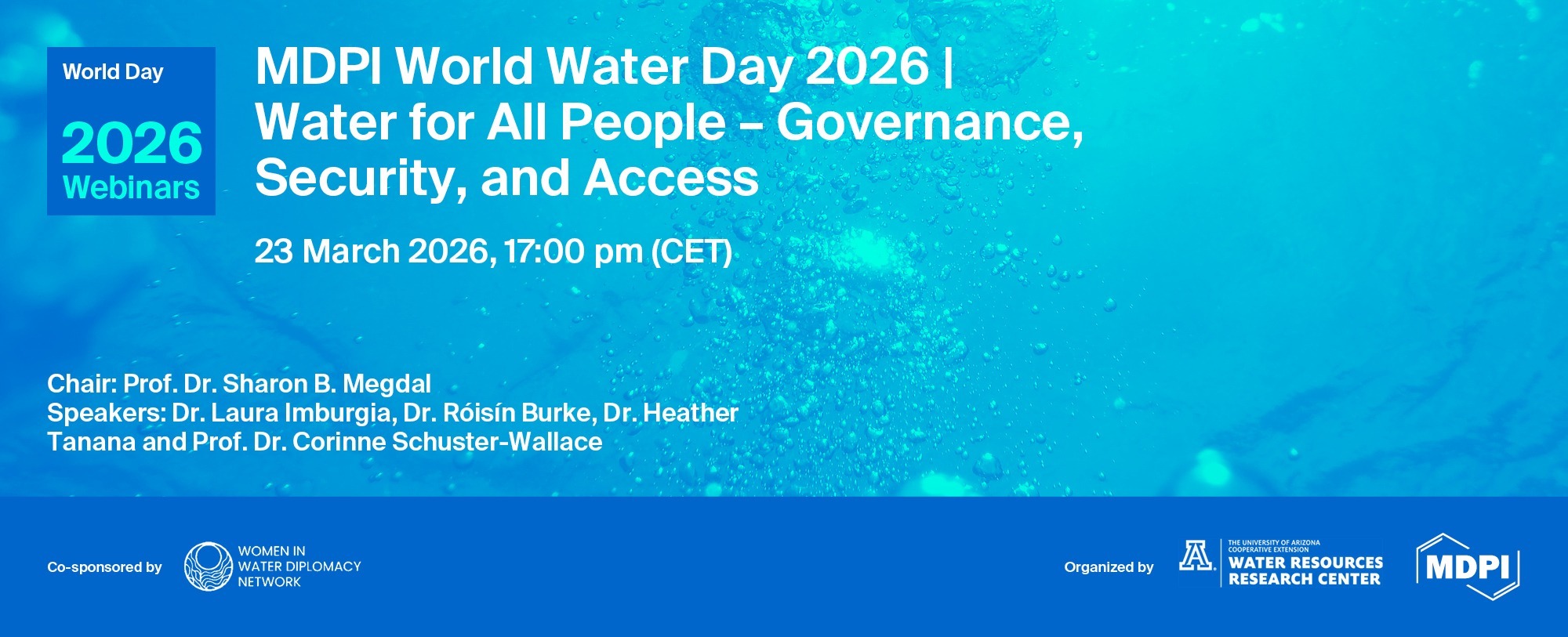
This webinar focuses on the themes of World Water Day 2026, Water and Gender, and the 2026 World Water Development Report, "Water for all people: Equal rights and opportunities". After Dr. Laura Imburgia provides an overview of the World Water Development Report, three experts in water law, security, and public health will engage in a panel discussion to share insights about ensuring water access for all. The program will end with a moderated question and answer session.
Date: 23 March 2026
Time: 5:00 pm CET | 12:00 pm EDT | 12:00 am CST Asia
Webinar ID: 819 5040 4453
Webinar Secretariat: journal.webinar@mdpi.com
Meet Our Chair
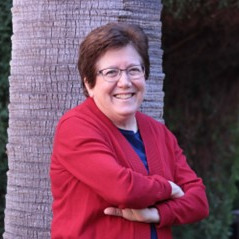
Water Resource Research Center, The University of Arizona, Arizona, USA;Dr. Sharon B. Megdal is Director of the Water Resources Research Center and Professor of Environmental Science at the University of Arizona. Her work bridges the academic, practitioner, and civil society communities through water policy and management research, education, and engagement programs. Recognized for her local, national, and international work, Sharon Megdal is widely published and a sought after speaker and has won multiple awards for her contributions to water research and education. Current professional activities include serving on the leadership team for the Water & Tribes Initiative | Colorado River Basin, the Board for the Kasser Joint Institute for Food, Water, and Energy Security, and the Global Leadership Council for the Women in Water Diplomacy Network. Sharon Megdal holds a Ph.D. in Economics from Princeton University.
Important Dates
23 Mar
2026
Meet Our Speakers
Dr. Laura Imburgia
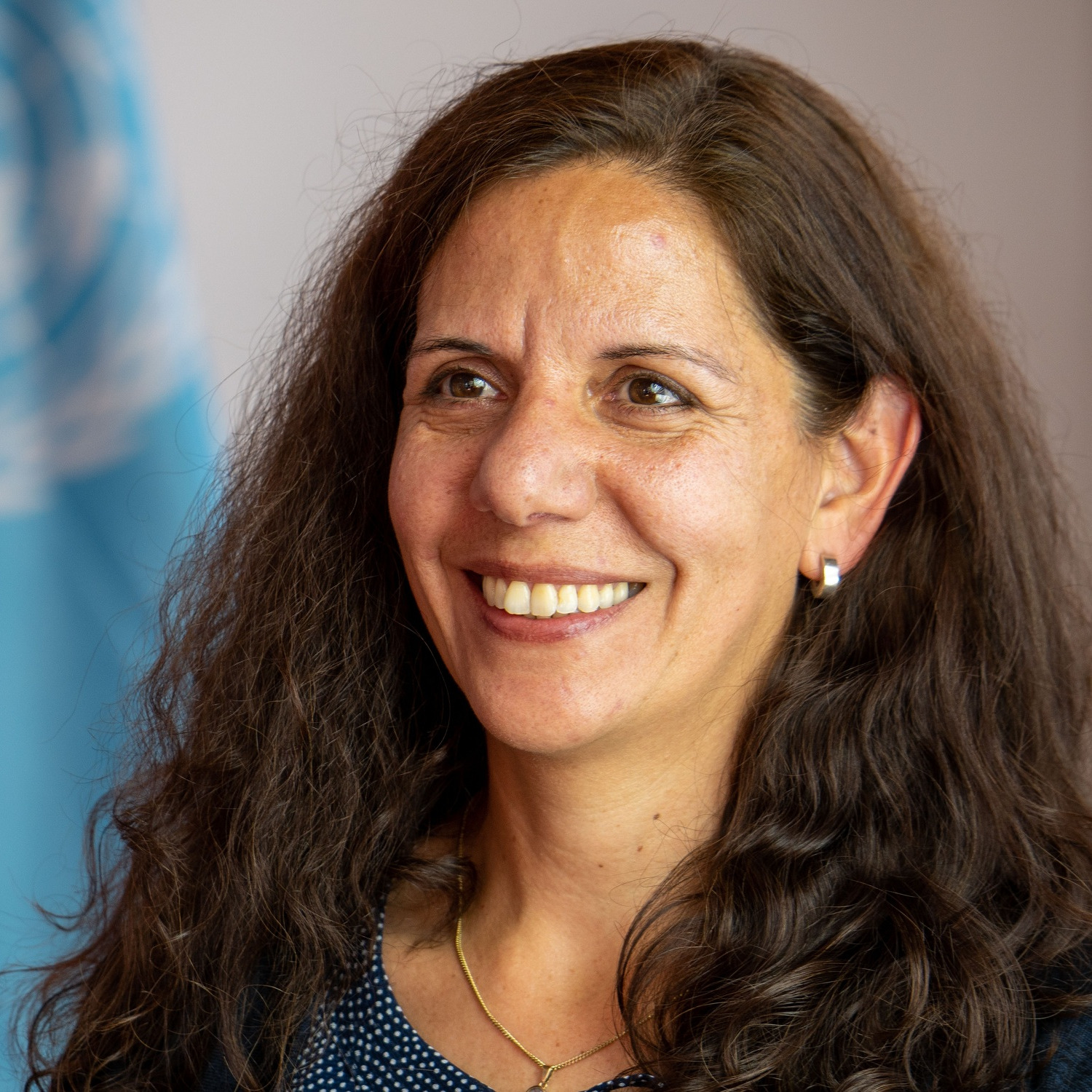
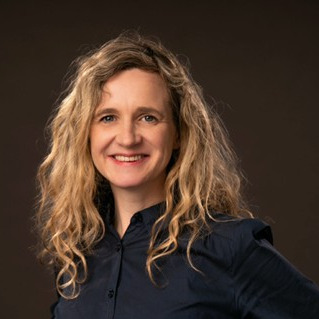
UNESCO World Water Assessment Programme (WWAP), Perugia, Italy;Laura Imburgia serves as Programme Specialist for UNESCO World Water Assessment Programme, where she leads the Water and Gender Component and coordinates WWAP's capacity development activities. Laura is an Agronomist, and doctor in International Development with specialization in irrigation, water governance and gender. She has over 25 years of experience in applied research, project management, and institutional support at various levels. She is also a frequent author of technical, policy, and academic publications.
Dr. Róisín Burke
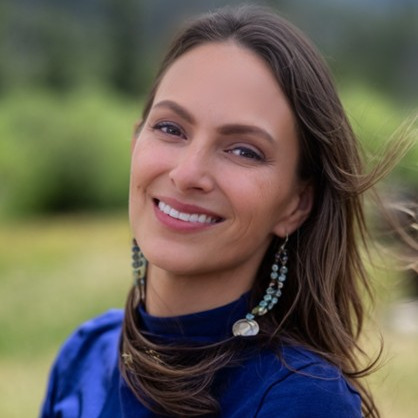
Public International Law, Utrecht University, Utrecht, The Netherlands;Dr. Róisín Burke is an Assistant Professor of International Law with the Netherlands Institute of Human Rights, Utrecht University. Róisín’s work has cut across the areas of international criminal law; international humanitarian law; human rights law; women, peace and security; peace operations; peacebuilding; international security law; legal pluralism; and public international law. Over the past couple of years, she led a project related to women in water diplomacy and environmental peacebuilding in the South Caucasus, instigating the Women in Water Diplomacy Network South Caucasus, in collaboration with partners. She has been a consultant on projects related to gender, human rights, IHL, and peace-building with NGOs and international and regional bodies. Previously, she was a Senior Law Lecturer (above the bar) at the University of Canterbury; she has held various legal, consultancy and research posts and worked as a Political Advisor to the Permanent Mission of Ireland to the UN. She holds a doctorate from the Asia Pacific Centre for Military Law and an LLM in International Human Rights Law (Irish Centre for Human Rights), and she is admitted as an Attorney in New York State.
Dr. Heather Tanana
University of Denver Sturm College of Law, Colorado, USA;Heather Tanana (Diné) is a law professor at the University of Denver Sturm College of Law. She is also an associate faculty member with the Center for Indigenous Health at Johns Hopkins University School of Public Health. Heather's research interests revolve around the intersection of environmental and health policy. Much of her work focuses on tribal water issues, from climate change impacts to Colorado River management. She also leads the Universal Access to Clean Water initiative, which seeks to make tangible progress on securing water access for all tribal communities.
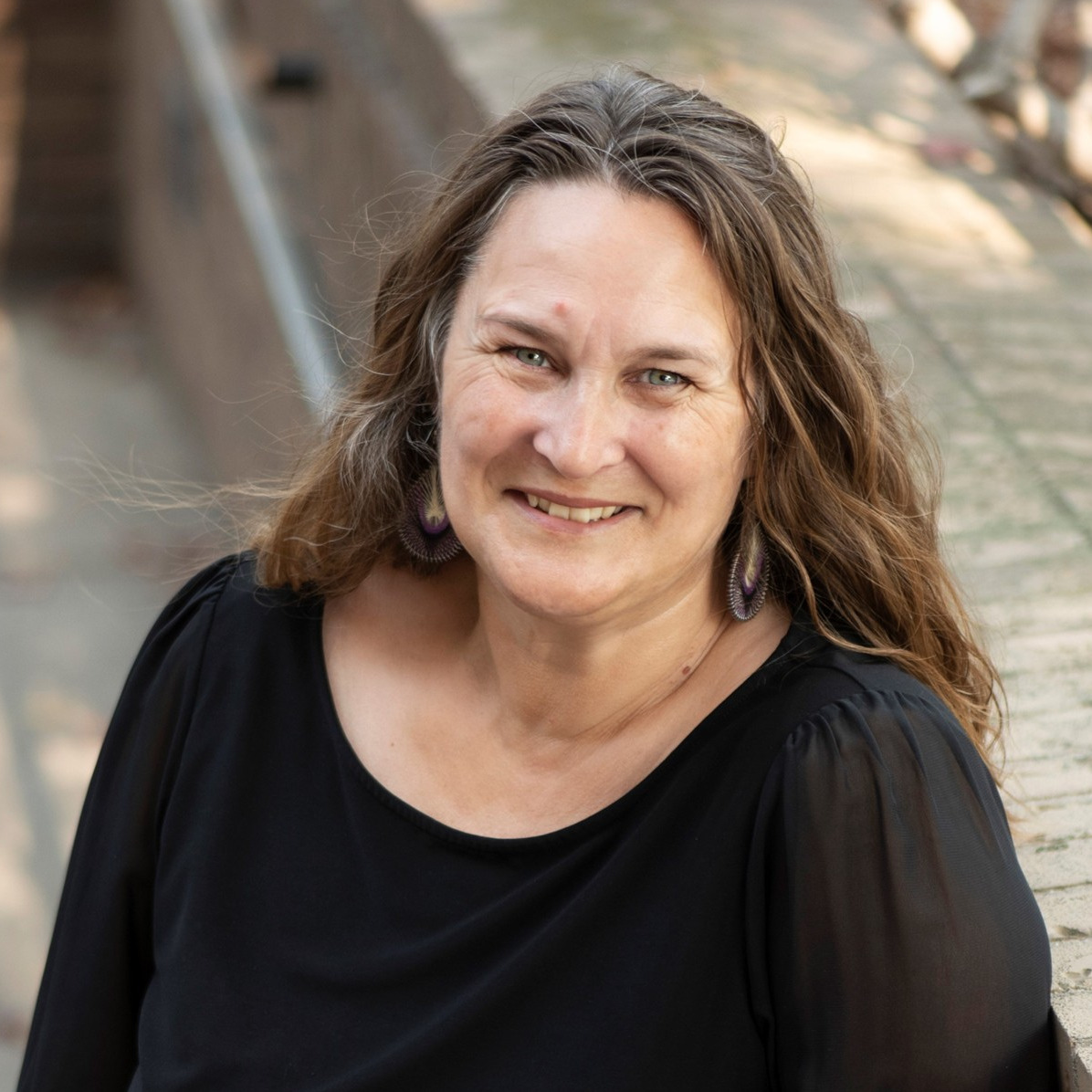
Global Institute for Water Security, University of Saskatchewan, Saskatchewan, Canada;Dr. Corinne Schuster-Wallace is the Executive Director of the Global Institute for Water Security and a faculty member in the Department of Geography and Planning, University of Saskatchewan, Canada. Previous positions include Senior Research Fellow for the UNU Institute for Water, Environment, and Health and the Public Health Agency of Canada. She founded the Women Plus Water community and was recognized as a Water Shero by the Red Dot Foundation in 2023. Her research utilizes a coupled systems approach to water-related human health in rural, remote, and marginalized communities. Coupling environmental and social systems provides a more comprehensive understanding of socio-environmental determinants of health and how inequities and intersectionality affect health and wellbeing. These are critical considerations in building climate resilience and more equitable and sustainable water resources management approaches.







The webinar was hosted via Zoom and required registration to attend. The full recording can be found below. In order to learn about future webinars, you can sign up to our newsletter by clicking “Subscribe” at the top of the page.
Below, you may find the closing remarks from our chair.
Dear Colleagues,
March 22 is designated by UN Water as World Water Day, with the 2026 theme being “Water and Gender”. World Water Day is coupled each year with the release of the World Water Development Report, this year titled Water for all people: Equal rights and opportunities. To explore these important themes, MDPI Water and the University of Arizona Water Resources Research Center (WRRC) collaborated to deliver the March 23, 2026 webinar, “Water for All People – Governance, Security, and Access.”
Chaired by WRRC Director and Professor Dr. Sharon B. Megdal, the webinar featured information and perspectives from four experienced experts: Dr. Laura Imburgia, Programme Specialist for UNESCO World Water Assessment Programme; Dr. Róisín Burke, Assistant Professor of International Law with the Netherlands Institute of Human Rights, Utrecht University; Dr. Corinne Schuster-Wallace, Executive Director of the Global Institute for Water Security and faculty member in the Department of Geography and Planning, University of Saskatchewan, Canada; and Attorney Heather Tanana (Diné (Navajo Nation)), law professor at the University of Denver Sturm College of Law, USA.
After Dr. Imburgia’s comprehensive overview of the 2026 World Water Assessment Report, the panelists engaged in a lively and engaging discussion of issues surrounding the lack of equity in access to and governing of water resources, along with solutions to addressing them. Issues and challenges associated with networking and engagement, working in transboundary settings and with Indigenous Nations, and personal experiences as women working in water were also explored.
The session pointed to the need for concerted focus going forward on ensuring water for all people and improving equity in water access, governance, and security. In addition to extending my profound thanks to the speakers, I thank all webinar participants and the Women in Water Diplomacy Network for their co-sponsorship.
Respectfully,
Sharon. B. Megdal, PhD
Webinar Chair
Link to the UN World Water Development Report 2026, Water for All People: Equal Rights and Opportunities
For deeper insights into the topic, we invite you to explore the additional resources shared by our chair and speakers. These curated materials offer valuable perspectives to further enrich your understanding of the key themes covered in this session.
Prof. Dr. Sharon B. Megdal (Chair)
Reflections: About World Water Day 2026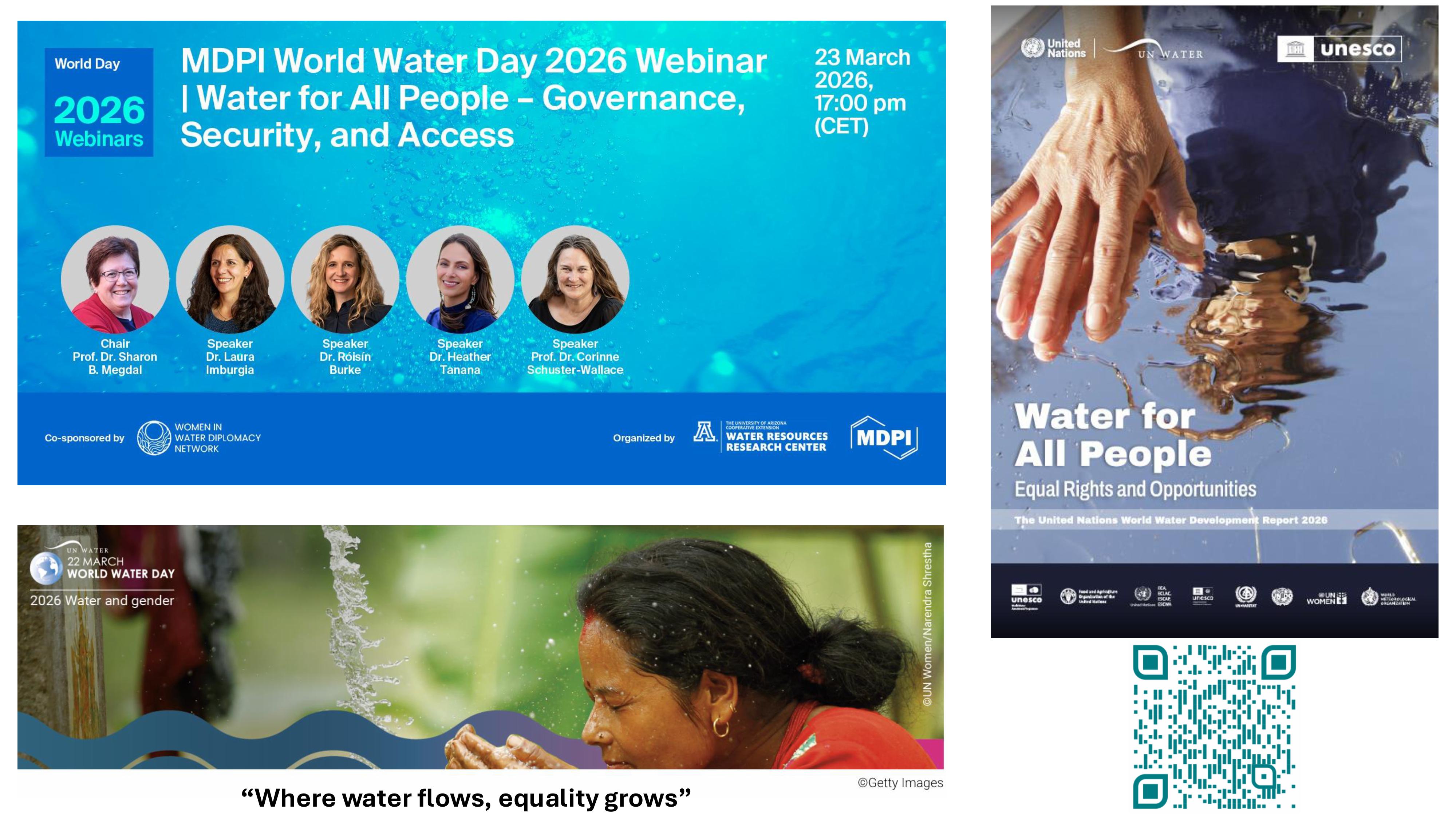
Dr. Laura Imburgia
Presentation Slides
Dr. Róisín Burke
-
Burke, Róisín, ‘Linking Women, Water and Peace: Promoting Women in Water Diplomacy South Caucasus’ (Blog Post, Montaigne Centre Blog, 22 August 2024)
-
Environmental Law Institute, Women in Water Diplomacy Network South Caucasus Inception Workshop: After Action Report, April 26-27, 2024 (Report, 2024)
-
Environmental Law Institute, Women in Water Diplomacy Network South Caucasus Water Diplomacy Workshop: After Action Report October 20-22, 2024 (Report, 2024)
-
UN Women, ‘Facts and Figures: Women, Peace and Security’ (Factsheet, 2025)
-
Veliyev, Jeyhun, Tsira Gvasalia and Sofya Manukyan, ‘The Environment, Human Rights, and Conflicts in the South Caucasus and Turkey: Transboundary Water Cooperation as a Mean to Conflict Transformation’ (2018) 3(1) Caucasus Edition
-
Suleimenova, Zulfiya,Water Security in Central Asia and the Caucasus – A Key to Peace and Sustainable Development (Working Paper Series, 2018)
-
International Crisis Group, ‘Armenia and Azerbaijan: The Waters of Joghaz Reservoir’ (Report, 11 December 2024)
-
Rowe, A. M., & Schuster-Wallace, C. (2023). Implementing EDI across a large formal research network: contributing to equitable and sustainable water solutions for a changing climate. Geoforum, 147, 103881. https://doi.org/10.1016/j.geoforum.2023.103881
-
How to Engage Indigenous Communities in Water Research – Mistawasis Gathering Statement