Nanomaterials Webinar | Engineering and Biological Tools to Manage Kidney Diseases
the chair
20th Nanomaterials Webinar
Engineering and Biological Tools to Manage Kidney Diseases
We are pleased to invite you to an upcoming webinar that explores the latest advances in kidney research through organ modeling in the transforming scenario of biomedical sciences dedicated to understanding diseases and treating them with new approaches basing on personalized medicine and regenerative medicine.
This session will feature leading experts discussing unmet clinical problems in kidney diseases and how cutting-edge biological and engineering technologies are shaping the future of disease modeling and drug testing.
Whether you are a researcher, clinician, or industry professional, this webinar offers a unique opportunity to gain insights from experts, explore the latest advancements, and engage in discussions that will help shape the future of regenerative medicine.
Date: 27 March 2025
Time: 11:00 am CET | 6:00 pm CST Asia
Webinar ID: 864 4487 4539
Webinar Secretariat: journal.webinar@mdpi.com
Meet Our Chair
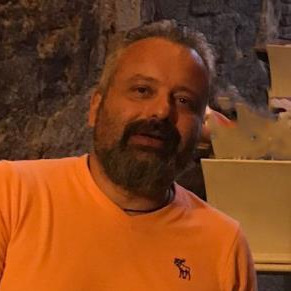
Department of Mechanical and Aerospace Engineering – Politecnico di Torino, Turin, Italy;Prof. Dr. Gianluca Ciardelli graduated in Chemistry in 1994 at the University of Pisa (Italy) and obtained a PhD in Natural Sciences in 1997 at the ETH in Zurich (Switzerland). He is now Full Professor in Biomedical Engineering and coordinates the "Materials in Bionanotechnology and Biomedical Lab” group at the Dep. of Mechanical and Aerospace Engineering of Politecnico di Torino. He has over 20-years’ experience in research in the field of Biomaterials for Tissue Engineering, Controlled Drug Delivery, Nanomedicine. In the last 10 years, according to the Scopus database, he has authored 106 documents (total documents published =250, starting in 1995) (https://www.scopus.com/au-thid/detail.uri?authorId=7004826651). These documents were published constantly in this period reaching the maximum number of 16 in 2020. The total h-index is 49. The total number of citations is 9320.
Meet Our Speakers
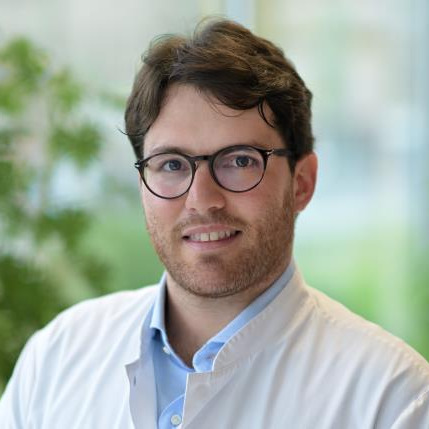
Department of Urology, Istituto Nazionale Tumori di Napoli IRCCS Fondazione "G. Pascale", Naples, Italy;Dr. Roberto Contieri is a urologist at the Istituto Nazionale Tumori di Napoli IRCCS Fondazione "G. Pascale", Naples, Italy. He specialized in Urology in 2024 at Humanitas University in Milan, where he developed a strong focus on urologic oncology. Dr. Contieri has conducted research and clinical fellowships at prestigious international institutions, including the Netherlands Cancer Institute in Amsterdam and MD Anderson Cancer Center in Houston, and actively collabo-rates with leading centers worldwide. He has authored more then 70 publications in international peer-reviewed journals. As a member of the EAU Young Academic Urologists (YAU) Urothelial Group and the International Bladder Cancer Group, he is actively involved in international research initiatives. Dr. Contieri has received multiple scholarships, including from the European Urological Scholarship Programme (EUSP) and the ERUS Robotic Curriculum Programme.
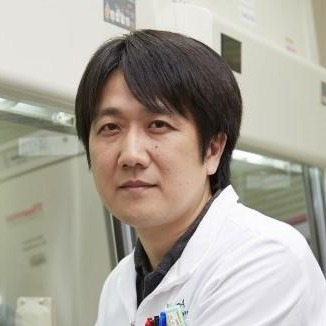
Prof. Dr. Hirofumi Hitomi
Department of iPS Stem Cell Regenerative Medicine, Kansai Medical University, Osaka, Japan;
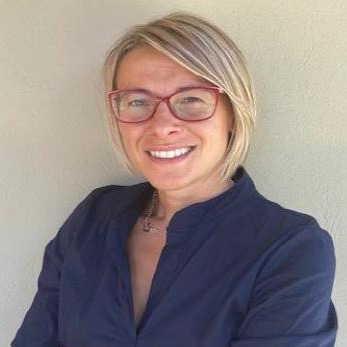
Department of Mechanical and Aerospace Engineering – Politecnico di Torino, Turin, Italy;Chiara Tonda-Turo received her Master’s degree (2006) in Biomedical Engineering and PhD (2011) in Biomedical Engineering at Politecnico di Torino, where she worked on the development of bioartificial constructs for repairing peripheral nerve. From 2021, she is an Associate Professor at the DIMEAS at Politecnico di Torino. Chiara's scientific background is related to the design, processing and characterisation of biomedical materials (natural and synthetic polymers and their blend), aiming to nano- and micro- scale design and manufacturing of biomimetic and innovative medical devices for tissue engineering, advanced therapies in regenerative medicine, controlled drugs/biomolecules release and development of in vitro-like tissue models.
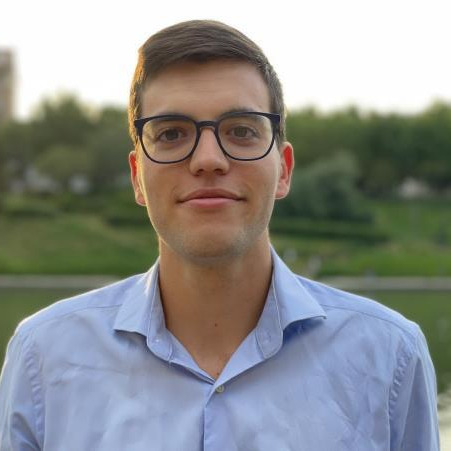
Mr. Federico Sinnona
Department of Mechanical and Aerospace Engineering – Politecnico di Torino, Turin, Italy;Federico Sinnona received his Master’s degree (2023) in Biomedical Engineering from Politecnico di Torino, where he worked on the development of a 3D in vitro model of the spinal cord. From April to October 2024, he was a research fellow at the Okinawa Institute of Science and Technology, working on smart substrates for protein biomarker detection. In November 2024, he began his PhD in Bioengineering and Medical-Surgical Sciences at Politecnico di Torino, in a joint agreement with Kansai Medical University. His current research focuses on developing a kidney in vitro model by integrating smart biomaterials and innovative biofabrication techniques.


In this section, you will find the recordings of this webinar to watch, re-watch and share with your colleagues!
The webinar Engineering and Biological Tools to Manage Kidney Diseases, organized by MDPI on March 27, explored innovative technologies and clinical challenges in nephrology. Roberto Contieri opened with an overview of unmet needs and technological advancements in the clinical practice. Hirofumi Hitomi followed, highlighting the potential of iPS cell differentiation for kidney function. Finally, Chiara Tonda-Turo and Federico Sinnona (Politecnico di Torino) discussed enabling technologies for in vitro organ modeling. The event concluded with a dynamic discussion on scientific and technological challenges, paving the way for new strategies against kidney diseases.
Edited by Prof. Dr. Gianluca Ciardelli and Dr. Monica Boffito