MDPI 2022 Open Access Week Webinar: Open for Climate Justice, Pursue Sustainable Development
Meet Our Speakers

Department of Rural and Surveying Engineering, Aristotle University of Thessaloniki, Greece;Prof. Dr. Athanasios Loukas is Full Professor of Engineering Hydrology – Water Resources Management and Development in the School of Rural and Surveying Engineering, Aristotle University of Thessaloniki, Greece. He is the Director of the Master Program “Water Resources” (2018-today). He has served as Director of Transportation and Hydraulic Engineering Department (2019-2021). He is visiting professor of Colorado State University (U.S.A.) and University of Grenoble Alpes. He has received many academic awards in his professional and academic carrier, such as the Fulbright Research Scholarship. He has served as a Full Professor in the Department of Civil Engineering, University of Thessaly, Greece (2005-2018) and Dean of Engineering School of University of Thessaly (2015-2018). He was Chairman of the Department of Civil Engineering (2008-2012). He was Director of the Laboratory of Hydrology and Aquatic Systems Analysis (2008-2018) and Director of the common Greek-French Master Program “Management of Hydro-meteorological Hazards-HYDROHASARDS” co-organized with the Joseph Fourier University-Grenoble I (2010-2018). He is Section Editor-in-Chief of MDPI Water journal (Section of Water Resources Management, Policy and Governance) and Editor-in-Chief of EWRA European Water journal and Editorial Board Member of Water Resources Management and Scientific Review Engineering and Environmental Sciences journals. His an active reviewer for many international journals in the fields of hydrology, water resources management, GIS and remote sensing applications, environmental modelling and management and others. His research interests include: deterministic and stochastic hydrological modelling, analysis, modelling, and forecasting of extreme hydrological events (floods and droughts), climate change impacts on the hydrological processes and water resources, water resources management and modelling, and applications of GIS and remote sensing in hydrology and water resources.
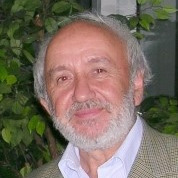
Department of Civil Engineering, Aristotle University of Thessaloniki,Greece;Dr. J. Ganoulis holds a Ph.D. (Doctorat d’Etat) in Natural Sciences from the University of Toulouse III Paul Sabatier (France) and was a visiting scholar at the Universities of Erlangen (Germany), McGill (Canada), Melbourne (Australia), and Paris VI (France). He has more than 35 years of experience in integrated water resources management (IWRM), risk analysis, climate change, transboundary water governance, and conflict resolution. He is the Director of the UNESCO Chair/INWEB (http://www.inweb.gr/), Senior Consultant in UNESCO’s International Hydrological Programme (IHP), and Fulbright Fellow, University of Alabama, USA. He has published more than 200 papers and is the editor/author of 10 books including Transboundary Water Resources Management: a Multidisciplinary Approach (WILEY, 2011), Risk Analysis of Water Pollution (WILEY, 2009; 2nd edition; translated into Chinese), and Transboundary Hydro-Governance: From Conflict to Shared Management (SPRINGER, 2018).

Department of Civil Engineering, City College of New York, USA;NOAA Cooperative Science Center for Earth System Sciences and Remote Sensing Technologies, USA;Dr. Nir Y. Krakauer (nirkrakauer.net) is Associate Professor of Civil Engineering at the City College of New York and Acting Distinguished Research Scientist at the NOAA Cooperative Science Center for Earth System Sciences and Remote Sensing Technologies. Dr. Krakauer earned a PhD degree in Geochemistry from the California Institute of Technology and was a NOAA Climate and Global Change postdoctoral fellow at the University of California - Berkeley. He has headed several international projects and published extensively on water management in a changing climate, improved forecasts of extreme weather and climate, and sustainable agriculture. Additional interests include grid integration of renewable energy, educating engineering students for ecological thinking, and statistical tools for epidemiology and personalized medicine.
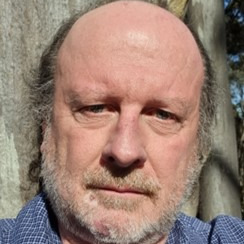
Institute of Sustainable Industries and Liveable Cities, Victoria University, Australia;Roger Jones is a Professorial Research Fellow at the Institute for Sustainable Industries and Liveable Cities at Victoria University, Melbourne. He applies a transdisciplinary approach to understanding and managing strategic risk in complex systems. He combines a wide range of knowledge and experience in natural science, policy and economics to analyse systems and build models to inform decision making. Much of this work has been in assessing climate-related risk across a range of industries including energy, transport, agriculture, infrastructure, water, environment and health in partnership with his colleague Celeste Young. He creates scenarios describing novel situations that are used by end users to explore how systemic risk can affect their decision making. Roger was Coordinating Lead Author on the chapter Foundations of Decision Making in the IPCC Working Group II Fifth Assessment Report, a Coordinating Lead Author on the Fourth and Lead Author on the Third Assessment Report.
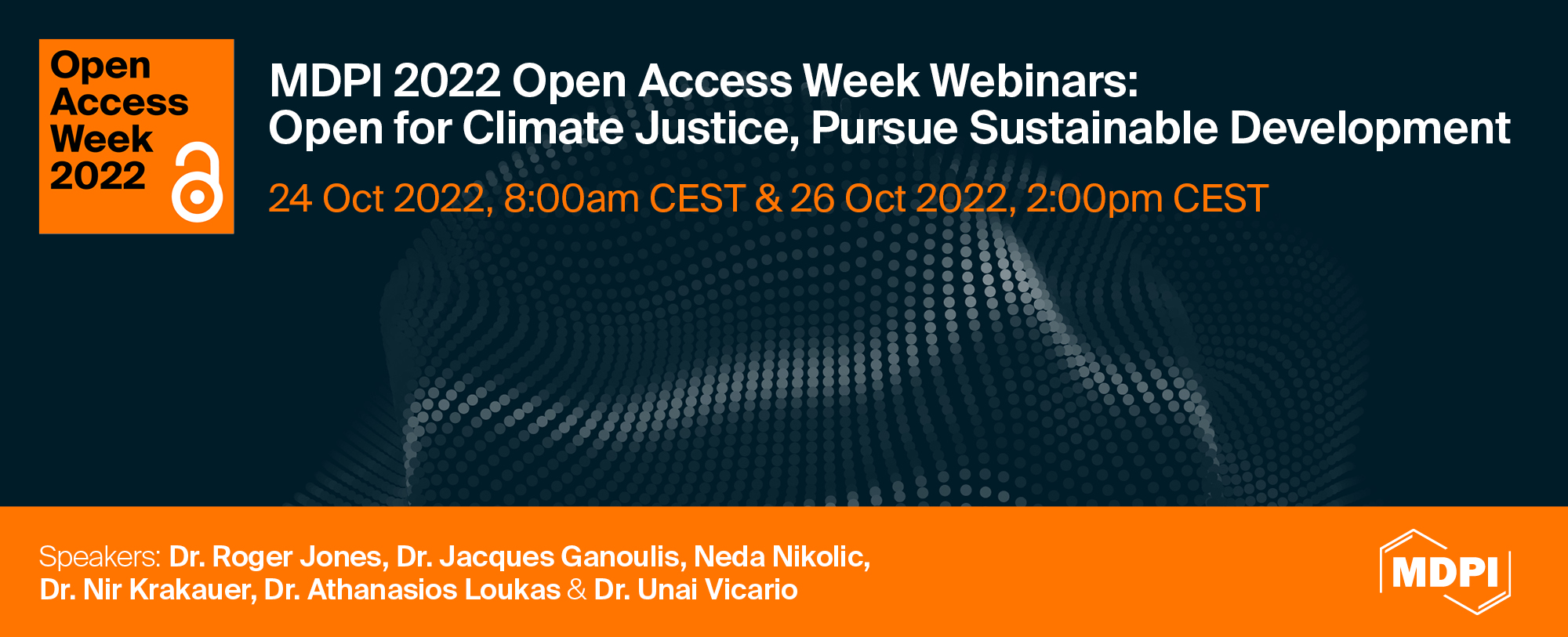
The theme of the 2022 Open Access Week has been officially announced as “Open for Climate Justice”(https://www.openaccessweek.org/), MDPI is launching TWO special workshops to encourage scientists to join together, take action, and raise awareness about how the exchange of findings can be a means for climate justice. We aim to promote connection and collaboration among climate movement researchers and the international open community. Sharing knowledge is a human right, and tackling the climate crisis requires rapidly exchanging knowledge across geographic, economic, and disciplinary boundaries.
We encourage all the audience join our Round-table Discussion, to discuss the topics about:
-
How do you understand the theme "Open for Climate Justice" of this International Open Access Week?
-
What do you think of the open access model?
-
What positive impact has open access had on your field of research?
-
Would you like to share a story related to open access?
-
How do you think the development trend of open access in academia?
Recording
|
Scientific research presentation about Climate Justice |
Speaker |
|
Welcome from MDPI |
MDPI Host |
|
Systems Thinking is Vital for Climate Justice |
Prof. Dr. Roger Jones |
|
Environmental Justice under Climate Change: Humans and Nature |
Prof. Dr. Jacques Ganoulis |
|
Advantages of Open Access |
Ms. Neda Nikolic |
|
Round-table Discussion |
All Speakers |
|
Closing Speech |
MDPI Host |
Recording
|
Scientific research presentation about Climate Justice |
Speaker |
|
Welcome from MDPI |
MDPI Host |
|
Climate Justice and Extreme Heat |
Prof. Dr. Nir Krakauer |
|
Climate Crisis, Justice and Scientific Communication and Dissemination |
Prof. Dr. Athanasios Loukas |
|
Open Access and MDPI |
Dr. Unai Vicario |
|
Round-table Discussion |
All Speakers |
|
Closing Speech |
MDPI Host |