Sessions & Session Chairs
Sessions
S1. Social, Economic or Political Determinants in Generating, Maintaining, or Reducing Health Disparities
S2. Environmental Justice and Population Wellbeing
S3. Economic, Industrial and Commercial Drivers of Health Equity: Market Systems, Corporate Actors and Industrial Impacts on Population Health
S4. Public Health in the Age of AI and Digital Transformation
S5. Responding to New/Emerging Public Health Threats in Low-and-Middle-Income Countries (LMICs)
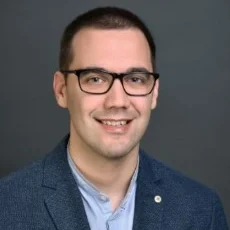
Department of Public Health, Albert Szent-Györgyi Medical School, University of Szeged, Szeged, Csongrád, Hungary
Dr. Márió Gajdács is currently a Senior Lecturer in the Department of Public Health, Albert Szent-Györgyi Faculty of Medicine at the University of Szeged. He received his pharmacy degree, Ph.D. (medical microbiology), board certification in “Pharmacology”, and “Non-clinical and clinical research” from the University of Szeged, and holds a Master in Public Health (MPH; specialization: epidemiology) and a Master of Healthcare Management from the University of Pécs. His research interests comprise the investigation of the influencing factors and facilitators of antimicrobial resistance (AMR) using epidemiological and social science methods; he is also interested in the social determinants of health, digital epidemiological/infodemiological studies, and other topics of relevance to population-health. He published >190 publications in peer-reviewed journals and has a H-index of 45.
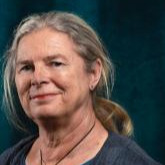
Department of Public Health, University of Copenhagen, Copenhagen, Denmark
With a background as toxicologist and senior researcher in occupational health I came to UCPH working as PI and participant in several EU programs within Human Bio Monitoring and in National programs also focusing on alternatives to animal use in science and teaching. Chairing ethics boards brings respect to research participants into focus respecting autonomy and data protection in well designed projects. Teaching and mentoring students as well as disseminating science to the public is key to me, lately also related to environmental health and exposures to forever chemicals such as PFAS. As paid collaborator in the Connecting the environmental exposome to PD risk and disease pathology project lead by Team Kirkeby from University of Copenhagen I advise on doses and compounds to be included in in vitro and in vivo studies.

Public Health and Therapies, Birmingham City University, Birmingham, United Kingdom
Dr. Aremu specialises in Health Economics and Management and Population health. Dr. Aremu completed doctoral training at the Karolinska Institute, Stockholm. He has more than 15 years of experience spanning MedTech consulting, Public Health, clinical practice and academia. Dr. Aremu has held a couple of postdoctoral academic research fellowships and lectureship positions. During these periods, he worked across a range of funded research and commissioned reports both as a co-investigator and grant holder. Prior to coming to academia, Dr. Aremu was the European Lead, Evidence Generation - HEOR Medical Device and invitro diagnostics for a globally renowned consulting firm.
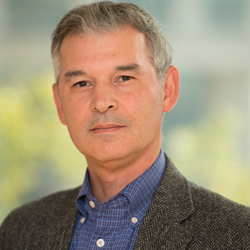
Departments of Prevention and Community Health and of Global Health, Milken Institute School of Public Health, The George Washington University, Washington, USA
W. Douglas Evans is currently Professor of Health Communication and Social Marketing at the Milken Institute School of Public Health, George Washington University. Doug does research on Social and Behavior Change Communication, Social Marketing, Digital Health, Branding, and Applied Experimental Research Methods. He has ongoing projects funded by the National Institutes of Health and major foundations, and he works both in the United States and in Low and Middle Income Countries worldwide.

Health Sciences Department, Public University Navarra, Pamplona, Spain