Pathogens Webinar | Biological Control of Phytopathogens: Mechanisms and Applications
the chair
8th Pathogens Webinar
Biological Control of Phytopathogens: Mechanisms and Applications
Microbiological control of phytopathogens has often several overlapping features.
The Webinar is linked to the Special Research Topic “Biological Control of Phytopathogens: Mechanisms and Applications” which currently contains nine contributions (six original research articles, two reviews, and one opinion article), presenting several major aspects of mechanisms and applications for the biocontrol of phytopathogens.
Plant associated microbial communities (or microbiomes) as well as the plant itself has major functions to determine whether phytopathogens will be able to successfully harm / destroy plants or will be greatly inhibited. In addition, the physico-chemical environment could also be a major determinant, which governs the fate of phytopathogens, either through the response of the plant and its microbiome or by setting conditions for the disinfection of potential pathogens in the environment.
In the Webinar, the “Management of the Plant Microbiome” will be discussed to be able to contribute to the establishment of biocontrol activities for improving plant health (presented by Prof. Gabriele Berg). Another important aspect is the knowledge about specific microbes within the plant microbiome, which have particular strong activities to counteract / inhibit phytopathogens. Several examples for this aspect are provided in the Special Research Topic. The contribution of Prof. Ben Fan in the Webinar will provide the latest results about powerful “Antagonistic activities and mechanisms of the Bacillus velezensis FZB42”. Often, it turned out that the plant itself is responding to specific microbial signaling molecules which prime the activation of plant defense measures.
In the Special Research Topic, the plant beneficial fungus Serendipida (syn. Piriformospora) indica and the bacterial quorum sensing signals of the N-acyl-homoserine lactone type are discussed to prime plant defense responses. In the Webinar, Prof. Choong-Min Ryu will present “Bacterial volatiles as signals to mediate biocontrol”. Altogether, the improved understanding of basic mechanisms for beneficial microbe-pathogen and beneficial microbe-plant interactions brought about successful applications of biocontrol, which are documented in the Special Research Topic and the Webinar.
Date: 23 March 2022
Time: 10:00am CET | 5:00am EDT | 5:00pm CST Asia
Webinar ID: 891 1995 3034
Webinar Secretariat: pathogens.webinar@mdpi.com
Meet Our Speaker
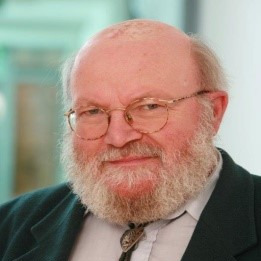
Department of Biology, Microbe-Host Interactions, Ludwig-Maximilian-University (LMU) München, Germany;Anton Hartmann studied biochemistry at the universities in Tübingen and München and obtained his doctoral degree in microbiology in 1980 from Tübingen University (Germany). He was assist. professor at the chair of genetics at the University at Bayreuth (Germany), postdoc at the biochemistry department of the University of Wisconsin at Madison (USA) and received habilitation in microbial ecology in 1989 at Bayreuth University. From 1989 he joined the Helmholtz Research Center for Environmental Health (HMGU) in Neuherberg near München as deputy director of the Institute of Soil Ecology and later as head of the independent Research Units Rhizosphere Biology and Microbe-Plant Interactions. He was teaching soil microbiology and microbe-plant interaction at the LMU München, Germany. His research focus is on plant growth promoting microbes and molecular signals in the rhizosphere. In 2015, he retired from HMGU and LMU and is since then emerited professor at LMU München.

Guest Editors: Prof. Dr. Anton Hartmann and Dr. Diogo Neves Proença
Deadline for manuscript submissions: closed (20 September 2021)