
Peer Review Week 2023: A Roundtable Discussion on the Future of Peer Review
the chair
Welcome to MDPI's Peer Review Week 2023 Webinar—a part of the global celebration of peer-review's vital role in maintaining research quality. We are pleased to present this roundtable discussion, moderated by Dr. Ioana Craciun from MDPI's Scientific Office Board, featuring a panel of researchers.
This year, we join the global scholarly community in exploring "Peer Review and The Future of Publishing" a theme chosen through a global poll to represent the collective voice of the academic world.
The landscape of scholarly publishing is evolving, driven by new policies, advanced technologies, and a commitment to transparency. We are witnessing developments, including the drive for free, immediate, and equitable access to federally funded research in the United States by 2026 and the impending implementation of Plan S, which will reshape transformative agreements.
Amidst these advancements, tools like ChatGPT are revolutionizing scholarly communication, opening a new realm of ethical challenges and practical considerations. Non-article research outputs, such as data, methods, and code, are becoming citable artifacts, enriching the scientific record. However, peer reviewers are facing increased demands on their time and expertise, making it more challenging to secure reviewers.
While these shifts are reshaping scholarly publishing, the core value of peer review remains largely unchanged. Peer review is the primary means of assessing research rigor, credibility, and potential. However, as the publishing landscape evolves, we must consider the implications for the practice of peer review and its practitioners.
Join us for this roundtable discussion where our panelists will share their experiences and insights into the future publishing and essential role of peer review.
The main topics for discussion will include:
- Changes in scholarly publishing and their effect on peer review
- Technological advancements and their influence on peer review.
- The evolving needs of reviewers in these changing times.
- Exploring different peer-review models and the future.
Date: 28 September 2023
Time: 14:00 CEST | 08:00 EDT | 20:00 CST
Meet Our Chair

MDPI, Switzerland;Dr. Ioana Craciun holds a bachelor's degree in Chemical Engineering from the University of Florida, a PhD from the Department of Pharmaceutical Sciences and Experimental Therapeutics at the University of Iowa, and a completed post-doc at the University of Basel.
Meet Our Speakers

Department of Electrical and Electronics Engineering, Faculty of Engineering, University of Lagos, Akoka, Lagos, Nigeria.;Agbotiname Lucky Imoize is a lecturer in the Department of Electrical and Electronics Engineering at the University of Lagos, Nigeria. His research interests cover the fields of 6G wireless communication, wireless security systems, and artificial intelligence. He is a Fulbright research fellow, DAAD research scholar, the vice chair of the IEEE Communication Society, Nigeria chapter, and a registered engineer with the Council for the Regulation of Engineering in Nigeria (COREN). He is a senior member of the IEEE.
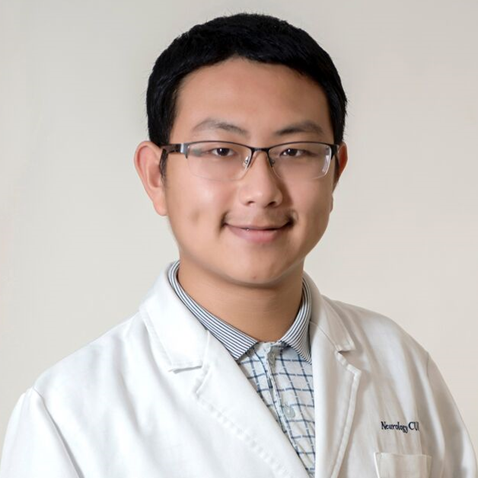
Research Centre for Intelligent Healthcare, Coventry University, Coventry, United Kingdom;Dr Haipeng Liu is a research fellow on healthcare technology at Coventry University, UK. His research areas include computational simulation of cardiovascular system, bio-signal processing, and wearable sensor development. He has published 64 research papers (index: 17) and delivered 10+ invited talks/keynote lectures for universities, research institutes, and academic conferences. He has the memberships of World Stroke Organization and Chinese Stroke Association. He is currently a supervisor of three PhD students on healthcare technologies, and keeps exploring new pathways of multidimensional international collaboration.

Bioinformatics and Biostatistics Core Facility, Federal University of Rio Grande do Sul;Prof. Pabulo Henrique Rampelotto is a molecular biologist and science editor with extensive editorial experience in leading positions. Pabulo is Editor-in-Chief of the Book Series "Grand Challenges in Biology and Biotechnology", as well as Section Editor-in-Chief of "Life" (Section Microbiology).

Gdansk University of Technology, Faculty of Electronics, Telecommunication and Informatics, Dept. of Geoinformatics, Gdansk, Poland;Marcin Kulawiak is an Associate Professor at the Department of Geoinformatics, Faculty of Electronics, Telecommunications and Informatics, Gdansk University of Technology. An expert in Geoinformatics, he has played a leading role in several international R&D projects oriented around dynamic dissemination and analysis of geographic data of nautical, land and aerial origin. His publication record consists of over forty journal articles, presentations on international conferences and co-authored monographs. In his research he has cooperated with international scientific consortia as well as private businesses. He is member of the Editorial Boards of Frontiers in Earth Science and ISPRS International Journal of Geo-Information.
Peer Review Week 2023: A Roundtable Discussion on the Future of Peer Review
(28 September 2023)
- Dr. Marcin Kulawiak from Gdansk University of Technology, Faculty of Electronics, Telecommunication and Informatics, Dept. of Geoinformatics, Gdansk, Poland
- Dr. Haipeng Liu from the Research Centre for Intelligent Healthcare, Coventry University, Coventry, United Kingdom
- Mr. Agbotiname Imoize, Department of Electrical and Electronics Engineering, Faculty of Engineering, University of Lagos, Akoka, Lagos, Nigeria.