
Topics Webinar | Animal-Free Innovation in Cosmetics and Drugs Safety Assessment
the chair
Webinar on Topics
Animal-free Innovation in Cosmetics and Drugs Safety Assessment
On behalf of the journals Life and Cosmetics, it is a great pleasure to invite you to the following webinar: “Animal-Free Innovation in Cosmetics and Drugs Safety Assessment.”
This important event brings together leading voices and cutting-edge perspectives on the transition towards more ethical, sustainable, and scientifically advanced methods in safety testing. We are honored to be joined by a distinguished panel of experts, including Dr. Kathrin Herrmann, a passionate advocate and specialist in biomedical ethics and humane science; Professor Emanuela Corsini, renowned for her work on immunotoxicology and human-relevant safety models; and Professor Thomas Hartung, a global pioneer in toxicology and alternative testing methods.
Together, they will explore the progress, challenges, and future of animal-free approaches in ensuring the safety of cosmetics and pharmaceuticals—topics that are not only scientifically urgent, but ethically imperative.
Together, we will make this webinar an opportunity to learn, engage, and contribute to a more humane and innovative future in safety science.
Date: 22 September 2025
Time: 3:00PM CEST | 9:00 PM CST (Asia) | 9:00 AM EDT
Webinar ID: 892 4787 8720
Webinar Secretariat: journal.webinar@mdpi.com
Meet Our Chair
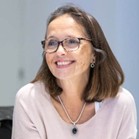
Department Biochemistry and Physiology, Universitat de Barcelona, Spain;Full Professor of Physiology at the Faculty of Pharmacy and Food Sciences, University of Barcelona. Her scientific work is primarily dedicated to the development and validation of in vitro models as alternatives to animal experimentation, with particular emphasis on ocular and skin irritation, as well as skin sensitization and photosensitization. She has served as a member of the Scientific Committee on Consumer Safety (SCCS) and currently contributes to the OECD expert groups on skin sensitization and eye and skin irritation. She is the author of over 200 peer-reviewed publications and book chapters. She has also played a leading role in the design and delivery of academic and professional training programs on non-animal testing strategies, both at the University of Barcelona and at various academic institutions in Brazil, Mexico, Argentina, and other Latin American countries.
Meet Our Speakers
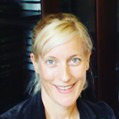
Johns Hopkins University Center for Alternatives to Animal Testing (CAAT) USA;PhD in Biomedical Sciences from Freie Universität Berlin and veterinary specialist in Animal Welfare Science, Ethics and Law. She is a Senior Associate at the Johns Hopkins University Center for Alternatives to Animal Testing (CAAT), where she directs the Beyond Classical Refinement and Education programs. In this role, she leads international training initiatives that support the transition toward human-relevant, non-animal research methods. Dr. Herrmann’s work brings together science, education, and policy to foster a research culture grounded in animal ethics and a sense of moral responsibility toward nonhuman animals. She teaches next-generation approaches such as organ-on-chip systems and systems-biology ‘omics’ that can transform biomedical research and regulatory decision-making. Through her global advocacy and academic leadership, she advances a more compassionate and scientifically sound vision for the future of research and testing.
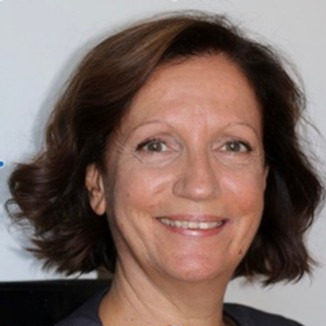
Department of Pharmacological and Biomolecular Sciences, Università degli Studi di Milano, Italy;Emanuela Corsini, PhD in Food and Environmental Toxicology, is Full Professor of Toxicology at the University of Milan. Her research focuses on refining alternative in vitro immunotoxicity tests and elucidating molecular mechanisms of immunomodulatory compounds. Her work includes studying allergens, irritants, pesticides, endocrine disruptors, and nanoparticles. She has authored over 240 publications and contributed to national and international projects. Active in scientific organizations (ESAC, EFSA, EMA, SCCS, OECD), she serves on editorial boards of toxicology journals. Secretary General of IUTOX since 2019, she became EUROTOX President-Elect in 2023
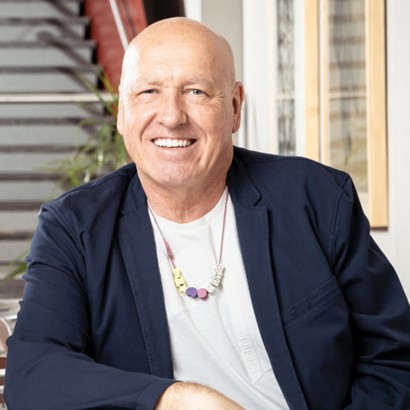
Department of Environmental Health and Engineering at the Johns Hopkins Bloomberg School of Public Health, USA;Thomas Hartung, MD PhD, is professor at Johns Hopkins Bloomberg School of Public Health in Environmental Health and Engineering as well as Molecular Microbiology and Immunology, the Whiting School of Engineering and the School of Medicine In Cellular and Molecular Medicine, as well as Georgetown University, Washington D.C. in Environmental Metrology and Policy, and University of Konstanz, Germany in Pharmacology and Toxicology; he also is Director of Centers for Alternatives to Animal Testing (CAAT) in the US and Europe and Field Chief Editor of Frontiers in AI. He authored 730+ scientific publications with 52,000+ citations (h-index 124) and his COURSERA toxicology classes had 22,000+ active learners.



The webinar was hosted via Zoom and required registration to attend. The full recording can be found below. In order to learn about future webinars, you can sign up to our newsletter by clicking “Subscribe” at the top of the page. View the chair's closing summary below:
On September 22, we hosted a webinar titled Animal-Free Innovation in Cosmetics and Drug Safety Assessment. The event consisted of three expert presentations on non-animal models.
The first speaker was Dr. Kathrin Herrmann, who delivered a talk entitled “Recent Advances in Non-Animal Methods for Cosmetics and Drug Safety Assessment – from Scientific Innovation to Regulatory Uptake”. Her presentation focused on the regulatory frameworks governing alternative methods, comparing the approaches in Europe and the United States. She also provided an overview of the global status of cosmetic animal testing bans and highlighted several key tests that have been validated and accepted by regulatory authorities.
Dr. Herrmann further addressed the role of academic institutions, emphasizing that universities with high levels of animal use should integrate education on alternative approaches into their curricula. She introduced several free, online courses, and other initiatives designed to facilitate the transition toward animal-free research and testing. Finally, she outlined critical steps needed to promote the adoption of alternatives, including the establishment of validation networks, improved data sharing, and broader acceptance of non-animal methods for cosmetics and drug safety assessment.
The next speaker was Prof. Emanuela Corsini, an expert in in vitro immunotoxicity models. Her presentation was entitled “Innovative 3R Approaches to Skin and Photo-Sensitization Testing for Cosmetic Ingredients”. She described the biological mechanisms underlying skin sensitization and discussed the animal-free models that have been developed and accepted by regulatory authorities to assess this endpoint, as well as additional methods that are still undergoing validation.
Prof. Corsini emphasized that no fully validated methods currently exist for the assessment of photosensitization. However, she noted that several publications describe adaptations of existing sensitization assays that may be applied to investigate photosensitization.
Finally, we had the pleasure of hearing from Prof. Thomas Hartung, one of the leading experts in the field of alternative methods, with over 750 publications on the subject. His lecture, entitled “Alternatives to Animal Testing – See What the Ugly Duckling Has Become!”, provided a comprehensive overview of the current state of alternative approaches to animal testing and offered insights into their future prospects.
He emphasized that more than 50% of Americans and 60% of Europeans oppose animal testing. He also addressed the high failure rate of many animal-based studies, underscoring the urgent need to transition to innovative methodologies. Furthermore, he highlighted recent announcements from several regulatory agencies committing to phasing out animal experimentation for the testing of new molecules. Finally, he discussed the role of artificial intelligence in advancing toxicological research, particularly in generating and analyzing predictive safety data.