Veterinary Sciences Webinar | New Frontiers in Veterinary Morphology and Histopathology: Methods, Applications and Case Studies
the chairs
4th Veterinary Sciences Webinar
New Frontiers in Veterinary Morphology and Histopathology: Methods, Applications and Case Studies
Dear colleagues,
We welcome you to this Veterinary Sciences webinar entitled “New Frontiers in Veterinary Morphology and Histopathology: Methods, Applications and Case Studies.”
This webinar will bring together researchers with complementary expertise in veterinary morphology, histopathology, cytology, reproductive biology, and toxicological pathology. Through different methodological approaches and case studies, the session will highlight the central role of morphological and histopathological investigations in veterinary diagnostics, biomedical research, environmental monitoring, and translational applications. The programme includes contributions from both established and early-career researchers, offering different perspectives on animal models, sentinel species, cellular systems, organoids, and diagnostic pathology. We hope that this webinar will provide a valuable opportunity for scientific exchange and discussion among colleagues interested in the current and future applications of veterinary morphology and histopathology.
We thank all the speakers for their participation and Veterinary Sciences for supporting the organization of this webinar.
Date: 24 July 2026
Time: 9:00 am CEST | 3:00 pm CST Asia
Webinar ID: 896 7833 6818
Webinar Secretariat: journal.webinar@mdpi.com
Meet Our Chairs

Department of Pharmacy, University of Salerno, Fisciano, Italy;Prof. Davide De Biase is a veterinarian and researcher at the Department of Pharmacy, University of Salerno, Italy. He holds a PhD in Veterinary Sciences and has expertise in veterinary pathology, laboratory animal medicine, comparative pathology, and veterinary forensic pathology. His research activity focuses on the pathogenetic mechanisms of central nervous system and skeletal muscle aging, immunopathology of infectious and parasitic diseases, animal tumors, and mouse models of human and animal diseases. Since September 2025, he has worked as a Diplomate of the American College of Veterinary Pathologists (ACVP), further strengthening his expertise in diagnostic veterinary pathology.
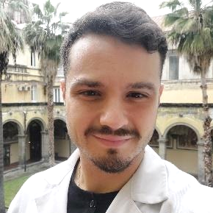
Department of Veterinary Medicine and Animal Production, University of Naples Federico II, Naples, Italy;Department of Biology, University of Naples Federico II, Naples, Italy;Lorenzo Riccio holds a PhD in Veterinary Sciences from the University of Naples Federico II, where he is currently a resident in Clinical Pathology and Clinical Biochemistry. His work integrates veterinary digital pathology and artificial intelligence to investigate reproductive toxicopathology, particularly canine testicular lesions associated with environmental pollutant exposure. He conducted visiting research at MaCSBio, Maastricht University, developing AI-based approaches for histopathological image analysis in canine testicular pathology.
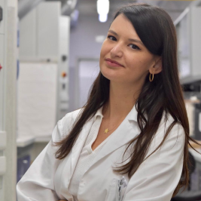
Farms and Livestock Production Hygiene Section, Local Health Authority of Benevento, Benevento, Italy;Dr. Ilaria d’Aquino is a veterinarian with expertise in histopathology, veterinary forensic pathology, and animal welfare. Her professional and research activities focus on morphological and pathological investigations in veterinary diagnostic and forensic contexts.
Meet Our Speakers
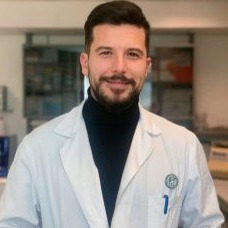
Department of Biology, University of Naples Federico II, Naples, Italy;Prof. Luigi Rosati is associate professor at the Department of Biology, University of Naples Federico II, Naples, Italy. His research activity focuses on comparative anatomy, cell biology, developmental biology, reproductive biology, and histology, with particular interest in the regulation of gametogenesis, reproductive mechanisms, and the use of animal models for morphological and toxicological studies. He has received several scientific recognitions, including the Young Researcher Award from the Italian Embryological Group and awards for his studies on reproductive mechanisms and biomedical sciences.
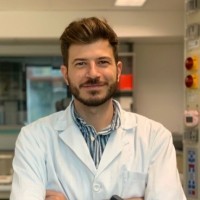
Link Campus University, Rome, Italy;Aldo Mileo is a biologist and researcher in Human Anatomy at Link Campus University. He earned a Ph.D. in Biology in 2025 at the University of Naples Federico II, where his research focused on the effects of endocrine-disrupting chemicals (EDCs) on the male reproductive system, with particular emphasis on human prostate cells. His doctoral project began with in vitro work on two-dimensional (2D) cell cultures, applying cellular and molecular biology approaches to clarify how environmental pollutants disrupt hormonal signalling, interfere with steroidogenesis, and modulate cellular processes such as proliferation and migration in prostate cells. He subsequently moved to three-dimensional (3D) models during a research period at the Centre Méditerranéen de Médecine Moléculaire (C3M), Université Côte d'Azur (Nice, France), where he worked with mouse prostate organoids. His current research advances toward greater physiological complexity, investigating the effects of environmental contaminants on prostate tissue.
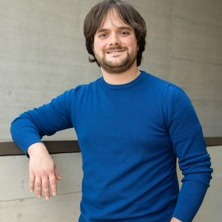
Clinic of Reproductive Medicine, Vetsuisse Faculty, University of Zurich, Zurich, Switzerland;Stefano graduated in Veterinary Medicine from the University of Naples Federico II in 2020. He subsequently pursued a PhD in Veterinary Sciences at the same institution, defending his dissertation entitled Clinical Application of Multiparametric Imaging in the Examination of the Canine Reproductive Tract in 2024. In 2022, he began an alternate residency in Animal Reproduction (Small Animal specialty) under the auspices of the European College of Animal Reproduction (ECAR), under the supervision of Prof. Sebastian Arlt. Following completion of his PhD, he joined the Vetsuisse Faculty of the University of Zurich as a postdoctoral researcher, where his alternate residency was converted into a standard residency. He completed his residency in March 2026 and is currently board-eligible in Animal Reproduction. His research focuses on the application of advanced imaging techniques in animal reproduction, with particular emphasis on small animal reproductive medicine.
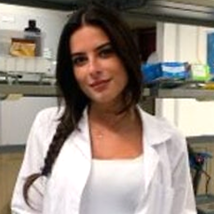
Department of Biology, University of Naples Federico II, Naples, Italy;Dr. Teresa Chianese, PhD in Biology, is a postdoctoral researcher at the Department of Biology, University of Naples Federico II. Her research activity focuses on reproductive biology, developmental biology, comparative morphology, and histological analysis, with particular interest in aquatic organisms and the use of morphological approaches to investigate environmental-related effects.
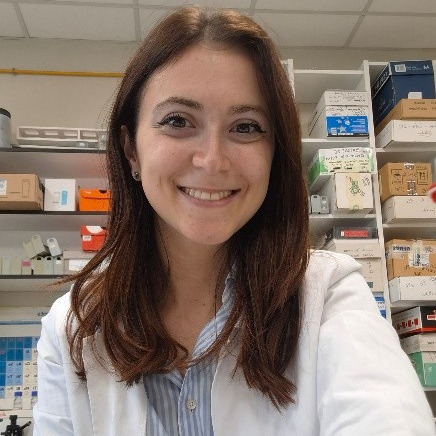
Department of Biology, University of Naples Federico II, Naples, Italy;Dr. Valeria Guerretti is a PhD candidate in Comparative Endocrinology (Eclab) at the Department of Biology of the University of Naples Federico II, Italy. Part of her doctoral studies was carried out internationally at the University of Cadiz, Spain, enriching her training with new research perspectives. Her current research project, focused on social resilience and biodiversity protection, explores environmental monitoring dynamics and waste valorization for the preservation of terrestrial and aquatic ecosystems. She evaluates the impact of climate change on the reproductive health of specific bioindicators by analyzing recognized biomarkers to preserve both aquatic and terrestrial ecosystems. Her research activity focuses on comparative morphology, histology, oxidative stress biomarkers, and the evaluation of biological responses in animal models. Her current work also includes the histopathological assessment of innovative and sustainable diets in aquaculture, paying particular attention to tissue health, environmental sustainability, and circular bioeconomy approaches.
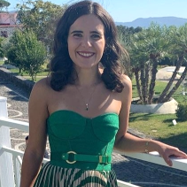
Istituto Zooprofilattico Sperimentale del Mezzogiorno, U.O.S. Istopatologia, Portici, Italy;Short bio: Dr. Maria Di Matteo is a veterinary health researcher at the Istituto Zooprofilattico Sperimentale del Mezzogiorno, U.O.S. Istopatologia, Portici, Italy. She graduated in Veterinary Medicine in 2019 from the Department of Veterinary Medicine and Animal Production, University of Naples Federico II, and obtained a Master’s degree in veterinary Pathology from the University of Padua. Her professional and research activities focus on veterinary histopathology and digital pathology, with specific involvement in the management and implementation of the Animal Tumor Registry of the Campania region.
Artificial Intelligence in Veterinary Digital Pathology: Histological, Cytological, and Clinical Applications
edited by Dr. Ilaria D'Aquino and Dr. Lorenzo Riccio
Deadline for manuscript submissions: 10 January 2027



We are pleased to announce an upcoming in-person conference organized by the journal Veterinary Sciences— International Veterinary Science Conference 2027 (IVSC 2027) on the theme “Integrating Veterinary Science and One Health for Global Wellbeing”. The symposium will be chaired by Prof. Dr. Patrick Butaye (Ghent University, Belgium), Prof. Dr. Wentao Li (Huazhong Agricultural University, China), and Prof. Dr. Zhiqiang Wang (Yangzhou University, China), and will be held onsite in Hangzhou, China, from 11 to 14 June 2027. We would be honored to have your continued involvement.