World Cancer Day 2026 Webinar Series | February– World Cancer Day
the chair
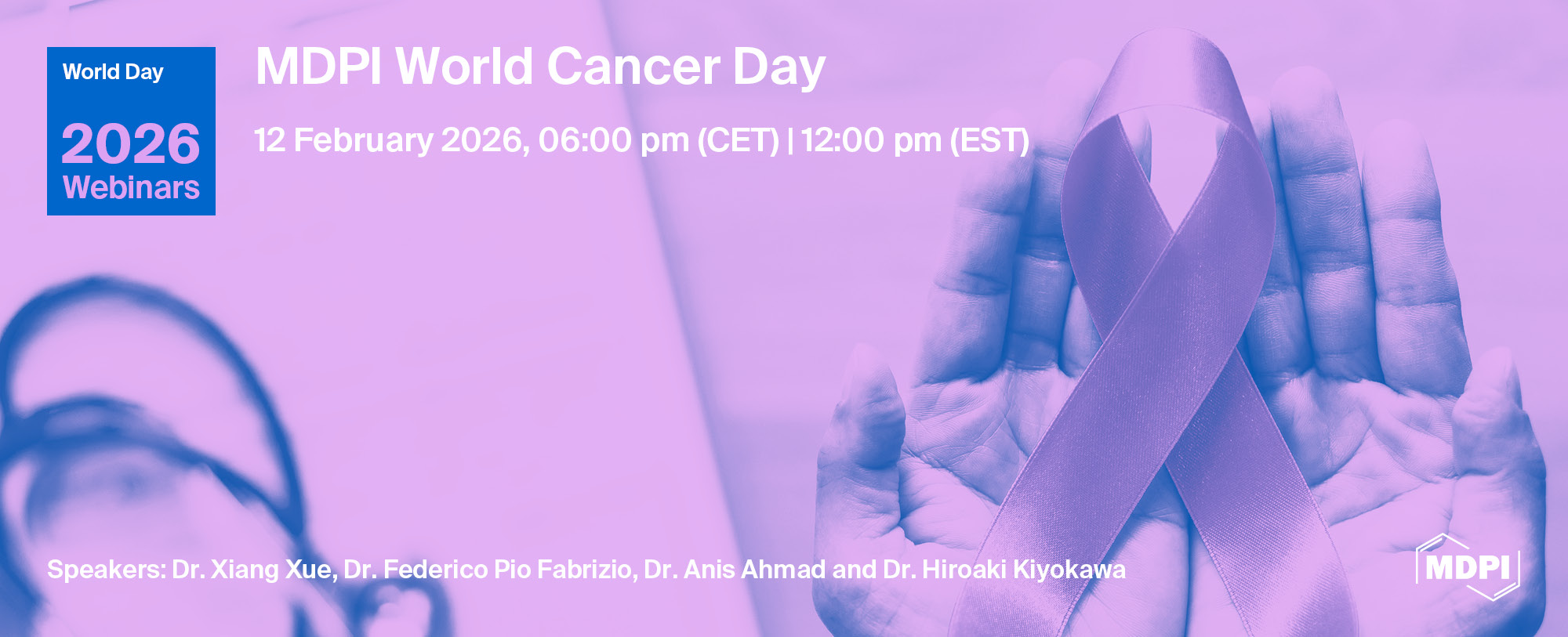
To commemorate World Cancer Day 2026, MDPI is delighted to introduce the “World Cancer Day 2026 Webinar Series”. Reflecting the global theme “United by Unique,” this series reminds us that each story, discovery, and voice plays a vital role in strengthening the world’s collective fight against cancer.
Kicking off with our February session, this first installment welcomes leading voices in oncology to share impactful insights, raise awareness, and spotlight breakthrough research.
Through this series, we aim to empower the global community with knowledge, inspire collaboration, and support ongoing efforts in cancer prevention, diagnosis, and treatment.
Together, we will honor every patient’s journey, elevate the contributions of researchers, and reinforce the power of collective action in the fight against cancer.
Date: 12 February 2026
Time: 6:00pm CET | 12:00 pm EST | 1:00 am CST (Asia)
Webinar ID: 899 8080 6135
Webinar Secretariat: journal.webinar@mdpi.com
Meet Our Chair
'%3e%3cpath%20d='M12.6647%2010.9104C12.4176%2010.325%2012.0589%209.7933%2011.6088%209.34485C11.16%208.89511%2010.6283%208.53653%2010.0432%208.28891C10.038%208.28629%2010.0327%208.28498%2010.0275%208.28236C10.8437%207.69282%2011.3743%206.73252%2011.3743%205.64907C11.3743%203.85423%209.92005%202.40002%208.12522%202.40002C6.33038%202.40002%204.87618%203.85423%204.87618%205.64907C4.87618%206.73252%205.40677%207.69282%206.22296%208.28367C6.21772%208.28629%206.21248%208.2876%206.20724%208.29022C5.62031%208.53783%205.09365%208.89287%204.64167%209.34616C4.19192%209.79496%203.83334%2010.3266%203.58573%2010.9117C3.34247%2011.4846%203.21128%2012.0987%203.19925%2012.721C3.1989%2012.735%203.20135%2012.7489%203.20646%2012.7619C3.21157%2012.7749%203.21924%2012.7868%203.22901%2012.7968C3.23877%2012.8068%203.25045%2012.8148%203.26334%2012.8202C3.27623%2012.8256%203.29007%2012.8284%203.30406%2012.8284H4.09012C4.14776%2012.8284%204.19362%2012.7825%204.19493%2012.7262C4.22113%2011.7148%204.62726%2010.7676%205.34519%2010.0497C6.08802%209.30686%207.07452%208.89811%208.12522%208.89811C9.17592%208.89811%2010.1624%209.30686%2010.9052%2010.0497C11.6232%2010.7676%2012.0293%2011.7148%2012.0555%2012.7262C12.0568%2012.7839%2012.1027%2012.8284%2012.1603%2012.8284H12.9464C12.9604%2012.8284%2012.9742%2012.8256%2012.9871%2012.8202C13%2012.8148%2013.0117%2012.8068%2013.0214%2012.7968C13.0312%2012.7868%2013.0389%2012.7749%2013.044%2012.7619C13.0491%2012.7489%2013.0515%2012.735%2013.0512%2012.721C13.0381%2012.0947%2012.9084%2011.4856%2012.6647%2010.9104ZM8.12522%207.90243C7.52388%207.90243%206.95792%207.66793%206.53214%207.24215C6.10636%206.81636%205.87185%206.2504%205.87185%205.64907C5.87185%205.04773%206.10636%204.48177%206.53214%204.05599C6.95792%203.63021%207.52388%203.3957%208.12522%203.3957C8.72655%203.3957%209.29252%203.63021%209.7183%204.05599C10.1441%204.48177%2010.3786%205.04773%2010.3786%205.64907C10.3786%206.2504%2010.1441%206.81636%209.7183%207.24215C9.29252%207.66793%208.72655%207.90243%208.12522%207.90243Z'%20fill='%235D1EE1'/%3e%3c/g%3e%3c/svg%3e)
MDPI;XXXXX
Important Dates
12 Feb
2026
Meet Our Speakers
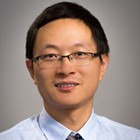
Department of Biochemistry and Molecular Biology, School of Medicine, University of New Mexico, USA;Dr. Xue received his Ph.D. in Toxicology and completed his postdoctoral training in Gastrointestinal Physiology. His research focuses on how metals and environmental toxicants drive inflammation and cancer. He has published more than 70 peer‑reviewed papers, secured continuous federal and foundation funding, and made influential contributions linking micronutrient biology to tumorigenesis. A dedicated educator and mentor, Dr. Xue teaches across undergraduate and medical programs and has guided trainees at multiple career stages. He provides national service through grant review for federal agencies and holds leadership roles in major scientific societies. His work has earned multiple honors, including the APS John F. Perkins, Jr. Research Career Enhancement Award and the UNM HSC Junior Faculty Research Award.
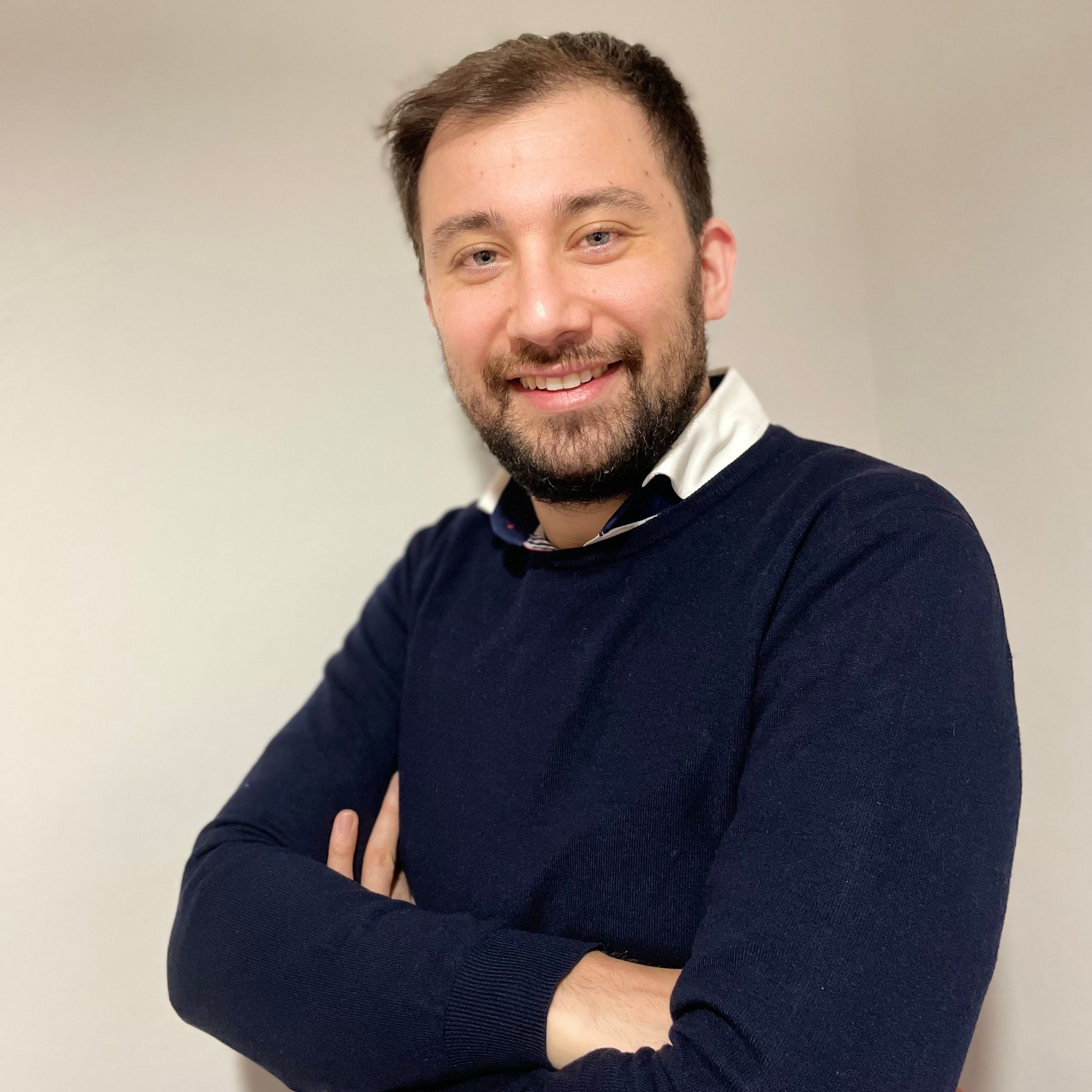
Department of Medicine and Surgery, Faculty of Medicine, Kore University of Enna, Italy;Prof. Federico Pio Fabrizio earned his Master’s degree in Medical Biotechnologies from the University of Brescia in 2015 and completed his PhD in Experimental and Regenerative Medicine in 2019 at the University of Foggia. From 2019 to 2023, he worked in the Laboratory of Oncology at the IRCCS Fondazione Casa Sollievo della Sofferenza Hospital. In 2024, he served as an RTDA researcher at the European Institute of Oncology (IEO), affiliated with the University of Milan, and in the same year obtained his specialization in Clinical Biochemistry and Clinical Pathology at Campus Bio-Medico University of Rome. Since July 2024, he has held the position of Associate Professor of Molecular Biology at the Kore University of Enna. His research primarily focuses on uncovering molecular mechanisms, at genetic and epigenetic levels, and underlying lung cancer pathogenesis, with the aim of identifying novel diagnostic and therapeutic targets.Prof. Federico Pio Fabrizio earned his Master’s degree in Medical Biotechnologies from the University of Brescia in 2015 and completed his PhD in Experimental and Regenerative Medicine in 2019 at the University of Foggia. From 2019 to 2023, he worked in the Laboratory of Oncology at the IRCCS Fondazione Casa Sollievo della Sofferenza Hospital. In 2024, he served as an RTDA researcher at the European Institute of Oncology (IEO), affiliated with the University of Milan, and in the same year obtained his specialization in Clinical Biochemistry and Clinical Pathology at Campus Bio-Medico University of Rome. Since July 2024, he has held the position of Associate Professor of Molecular Biology at the Kore University of Enna. His research primarily focuses on uncovering molecular mechanisms, at genetic and epigenetic levels, and underlying lung cancer pathogenesis, with the aim of identifying novel diagnostic and therapeutic targets.
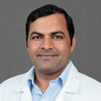
Department of Radiation Oncology, Miller School of Medicine, University of Miami, Sylvester Comprehensive Cancer Center, USA;Dr. Anis Ahmad is an Associate Professor of Radiation Oncology at the University of Miami Miller School of Medicine and a Researcher at the Sylvester Comprehensive Cancer Center. His research focuses on understanding the molecular mechanisms of treatment-induced normal tissue toxicity caused by radiation, chemotherapy, and radioligand therapies. Dr. Ahmad’s work centers on lipid regulatory pathways, including ABCA1 and SMPDL3B, and their roles in protecting organs such as the kidney, salivary glands, and brain. His laboratory integrates genetically engineered mouse models, lipidomics, and translational pharmacologic approaches to develop strategies that mitigate toxicity while preserving anticancer efficacy. Dr. Ahmad is actively involved in cancer survivorship research, pediatric oncology-related toxicities, and precision oncology initiatives. He is also committed to mentoring trainees and advancing interdisciplinary research at the interface of radiobiology, lipid metabolism, and translational oncology.
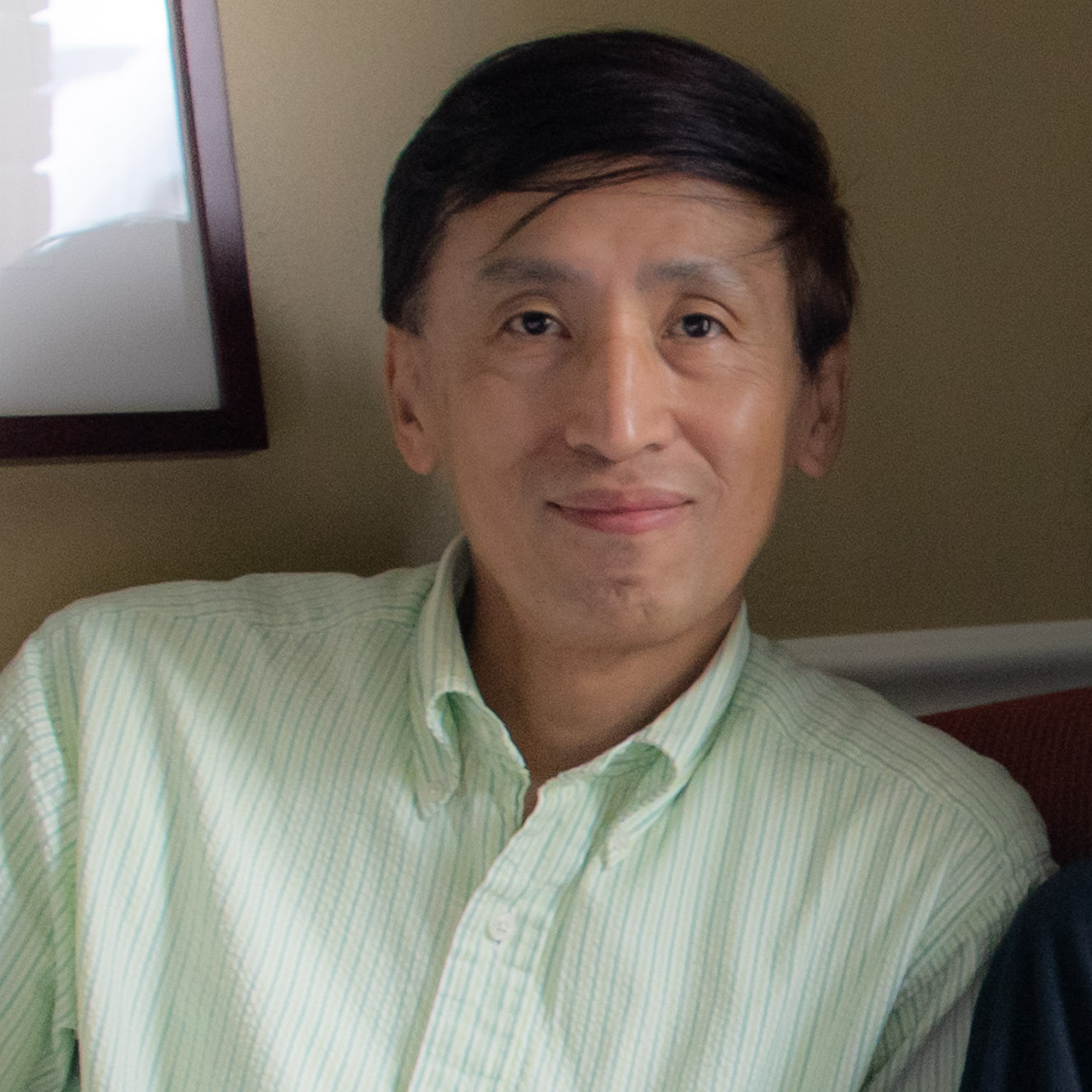
Department of Pharmacology, Feinberg School of Medicine, Northwestern University, USA;Hiroaki Kiyokawa, M.D., Ph.D., is Professor of Pharmacology at Northwestern University in the United States. As a productive basic scientist with previous clinical experience, his long-term goal is to develop translational applications of fundamental research focused on posttranslational modifications such as phosphorylation and ubiquitination. During his early research at Memorial Sloan Kettering Cancer Center, Dr. Kiyokawa generated novel p27(Cdkn1b)-knockout mice and uncovered multiple functions of this CDK inhibitor in development and oncogenesis. He later established his own laboratory in Chicago, which has elucidated diverse physiological and oncogenic roles of core cell cycle components, by characterizing genetically engineered mouse models, including Cdk4- and Cdc25a-knockout mice. His group’s work on ubiquitination enzymes such as UBE3A/E6AP, CHIP, Parkin, and UBA6 has identified numerous novel substrates and clarified how the ubiquitination network contributes to cancers and neurological disorders. Dr. Kiyokawa’s research has been supported by NIGMS, NCI, NICHD, DOD, American Cancer Society, and SFARI.

In this section, you will find the recordings of this webinar to watch, re-watch and share with your colleagues!
Cancers
"Cancer Immunotherapy as Part of Precision Clinical Medicine"
Guest Editors: Prof. Dr. Peter Lang and Dr. Christo Kole
Deadline for manuscript submissions: 30 April 2026
"Improving the Quality of Life in Patients with Gynecological Cancer"
Guest Editor: Dr. Vasilios Pergialiotis
Deadline for manuscript submissions: 20 May 2026
Current Oncology
"Health Disparities and Outcomes in Cancer Survivors"
Guest Editor: Dr. Claire Jungyoun Han
Deadline for manuscript submissions: 30 April 2026
"Advances in Implementation Science and Knowledge Mobilization for Cancer Control"
Guest Editor: Dr. Sarah Neil-Sztramko
Deadline for manuscript submissions: 31 August 2026
Onco
"Liquid Biopsy and Peripheral Immune Status in Cancer Therapy Response"
Deadline for manuscript submissions: 31 May 2026