
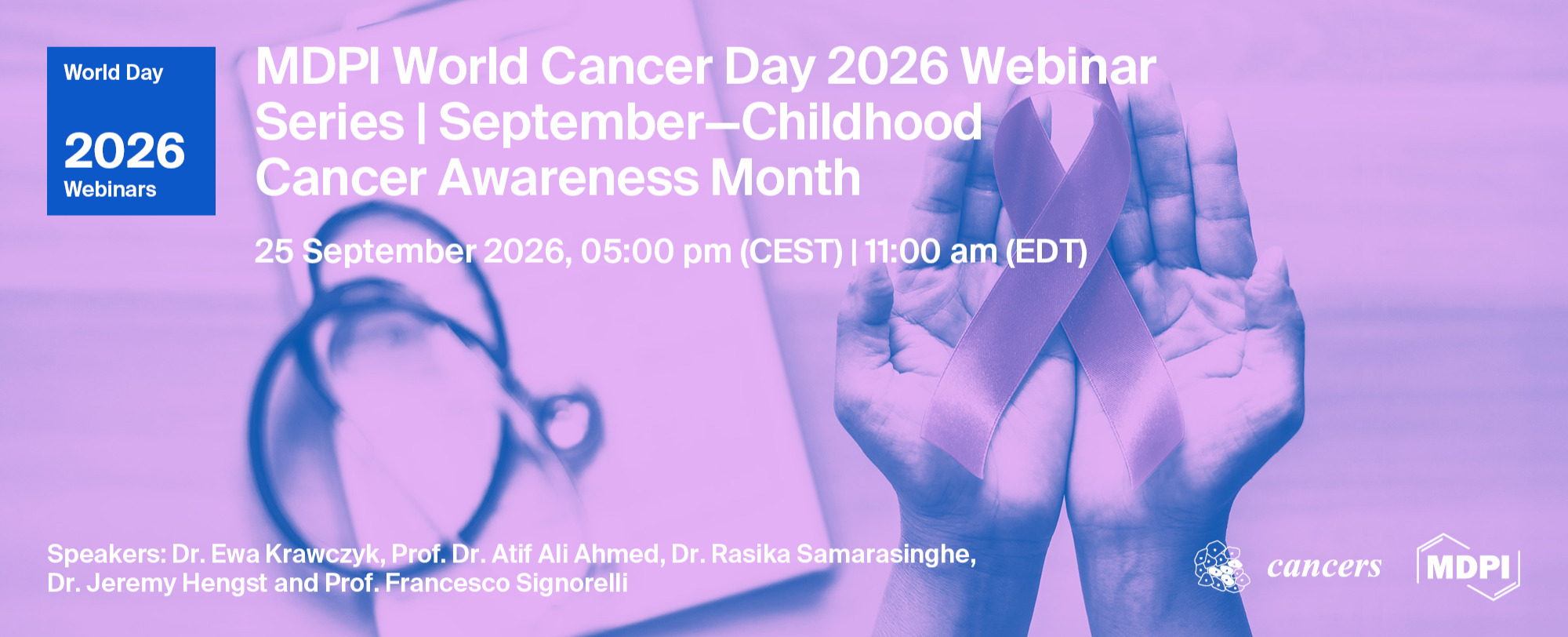
World Cancer Day 2026 Webinar Series | September–Childhood Cancer Awareness Month
To commemorate World Cancer Day 2026, MDPI is pleased to introduce the “World Cancer Day 2026 Webinar Series”. Reflecting the global theme “United by Unique”, this series highlights how every story, discovery, and voice contributes to strengthening the global fight against cancer.
In our September session, we welcome leading voices in childhood cancer research to share impactful insights, raise awareness, and highlight recent advances in prevention, diagnosis, and treatment.
Through this series, we aim to empower the global community with knowledge, inspire collaboration, and support ongoing efforts to address cancer worldwide. Together, we honour every patient’s journey, recognize every researcher’s contribution, and reinforce the power of collective action in the fight against cancer.
Date: 25 September 2026
Time: 17:00 CEST | 11:00 EDT | 23:00 CST Asia
Webinar ID: 848 0343 1918
Webinar Secretariat: webinar@mdpi.com
Meet Our Speakers
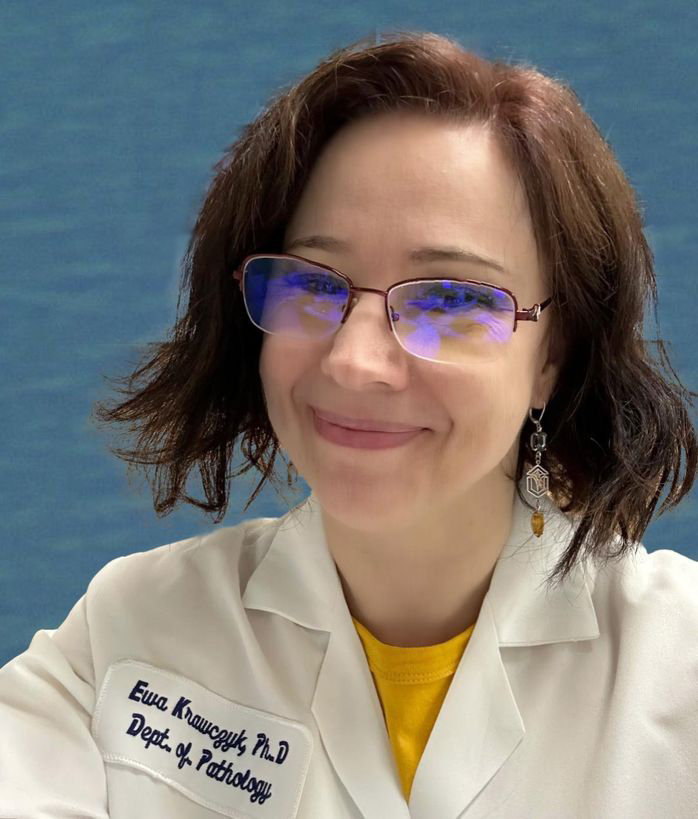
Department of Pathology, Georgetown University Medical Center, USA;Dr. Ewa Krawczyk received her PhD degree in Medical Microbiology from the Medical University of Warsaw, Poland. She completed her postdoctoral work at the Department of Pathology, Georgetown University Medical Center, Washington DC, USA, working on human papillomaviruses (HPV) biology. She discovered the basis and mechanism of koilocytosis, a phenomenon used as a diagnostic hallmark of HPV infection for decades, but without knowledge of underlying processes. Currently, Dr. Krawczyk works as an Associate Professor at the Department of Pathology, Georgetown University Medical Center. Her research interests focus on mechanisms of cellular reprogramming, immortalization and tumorigenicity, as well as applications of conditional cell reprogramming technology in basic and translational cancer research, especially in the area of rare cancers. Dr. Krawczyk is also a prolific science communicator. She wrote popular science books and numerous press articles on infectious diseases, importance of vaccines, and on threats posed by anti-science movements.
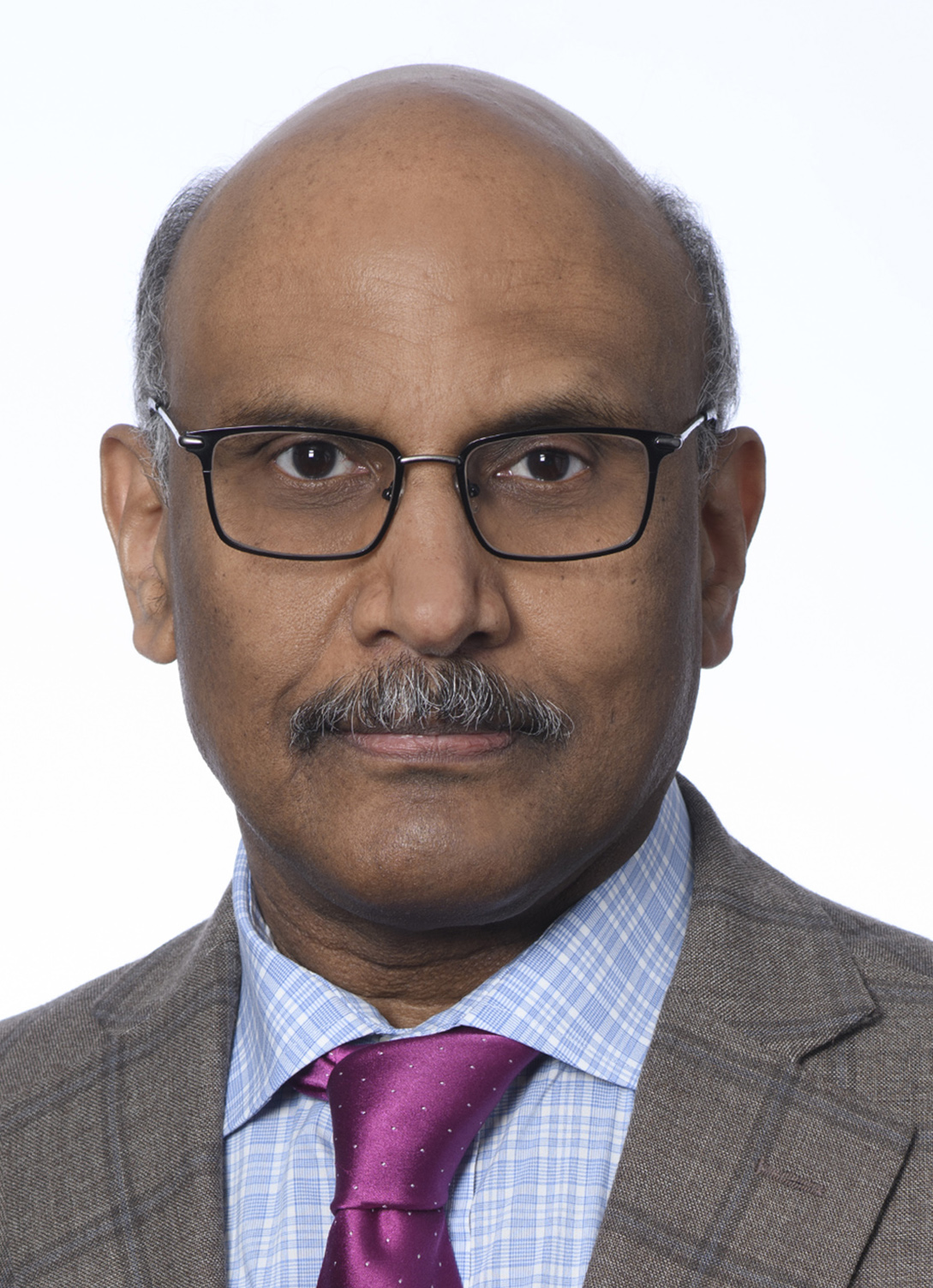
University of Washington and Seattle Children's Hospital, USA;Dr. Atif Ali Ahmed is a professor at the University of Washington and a senior pathologist at Seattle Children's Hospital, Seattle, USA. Graduated from medical school in 1988, completed pathology residency and fellowship training in the U.S.A. and is board-certified in Anatomic, Clinical and Pediatric Pathology. Has been in academic practice for more than 20 years with clinical and research experience in pediatric tumors, bone pathology, and pediatric cancer biology. Developed recent interest in profiling and translational transcriptomics of pediatric diseases. Has over 80 academic publications including peer-reviewed articles, books and meeting abstracts. He is a fellow of the College of American Pathologists and the Royal College of Pathologists [UK] and member of the Society for Pediatric Pathology, Children’s Oncology Group, the American Association for Cancer Research, and the American Society of Human Genetics. He is a member of the editorial board of several journals and served as a guest editor in Cancers.
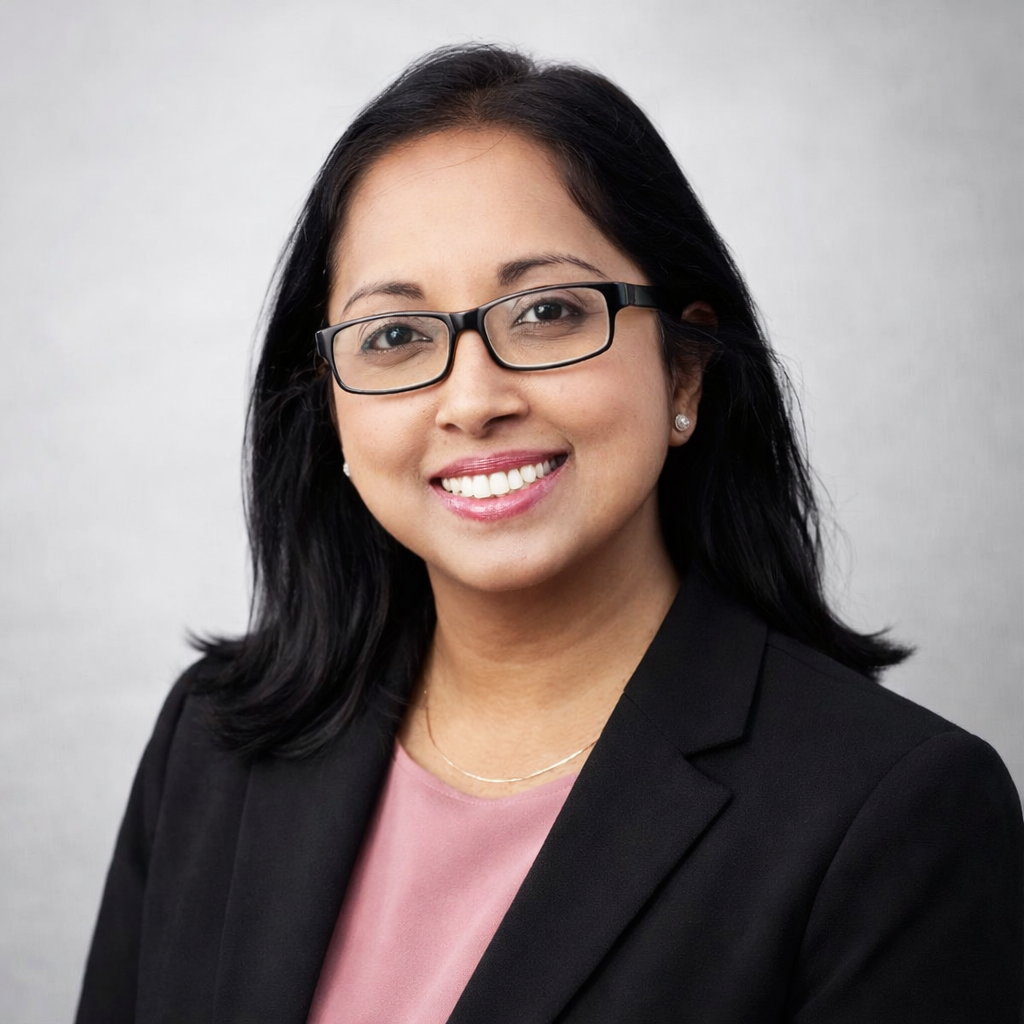
Faculty of Health, School of Medicine, Deakin University, Australia;Dr Rasika Samarasinghe is a Senior Lecturer in Medical Sciences at the School of Medicine, Deakin University, and leads the Translational Epigenetic Research and Therapeutics Group. She has expertise in molecular medicine, drug discovery and translational therapeutics, with a particular focus on innovative 3D cell models. Her research investigating epigenetic mechanisms in childhood rhabdoid tumours, an aggressive paediatric cancer, identified novel biomarkers and therapeutic targets, contributing to the development of a Phase II clinical trial evaluating a novel combination of chemotherapy and epigenetic drugs as an alternative treatment approach. Dr Samarasinghe has established a growing national and international research profile, securing several competitive research grants and publishing more than 32 peer-reviewed articles. She is an Executive Committee member of the Australian Epigenetic Alliance and serves as a consulting editor and peer reviewer for multiple scientific journals. Beyond her research, Dr Samarasinghe is a passionate educator and mentor dedicated to supporting students and early-career researchers. She is actively involved in outreach and mentorship initiatives, including panel discussions and career guidance programs, where she shares her experiences to help others navigate pathways in STEM. Her work is driven by a commitment to inclusivity, empowerment and fostering the next generation of scientists.
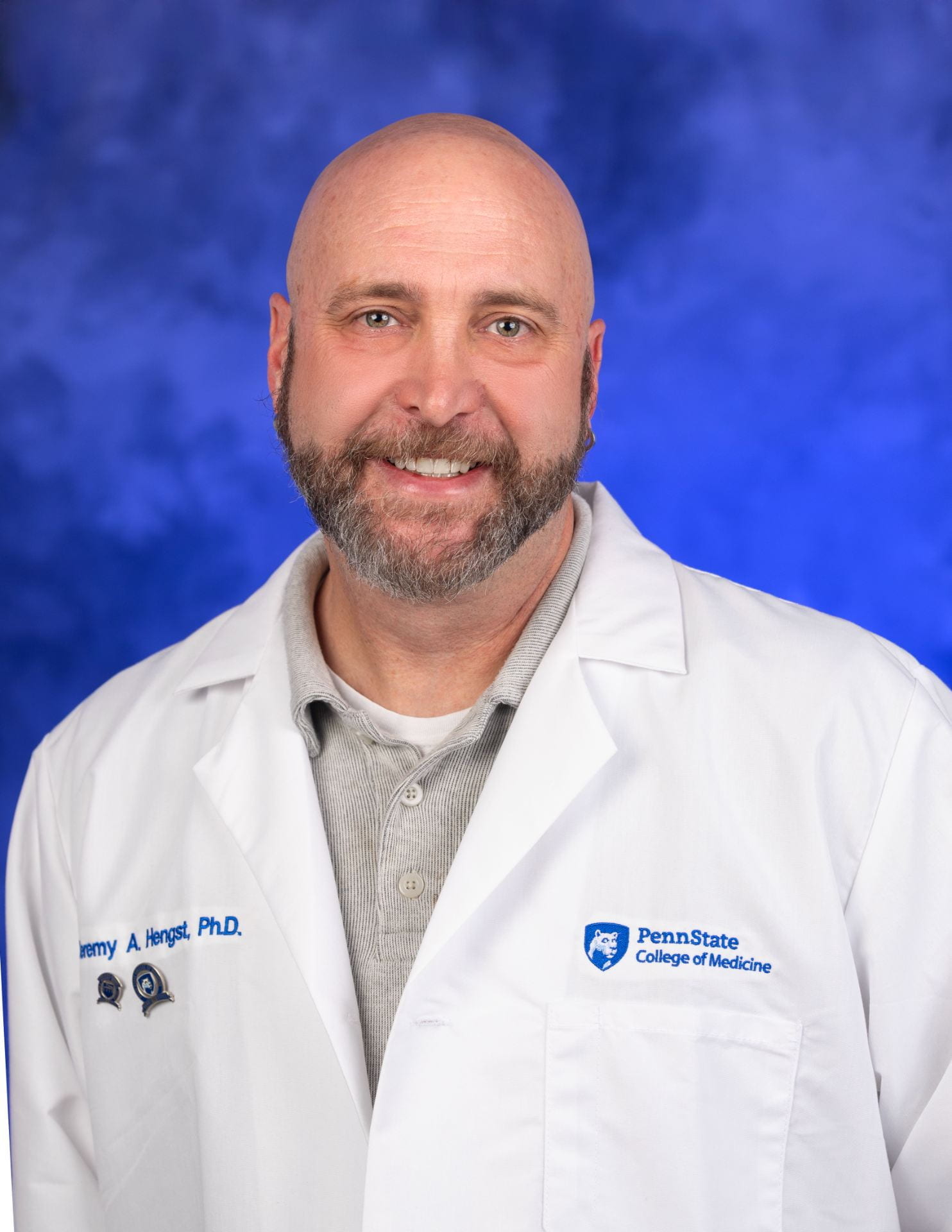
Department of Pediatrics, Penn State College of Medicine, USA;Pediatric Oncology Translational Research Laboratory, Penn State Hershey Golisano Children's Hospital, USA;Jeremy Hengst, PhD, is an Assistant Professor in the Division of Pediatric Hematology/Oncology within the Department of Pediatrics at Penn State College of Medicine and the Penn State Cancer Institute, where he leads a predominantly research-focused program devoted to understanding and treating high-risk pediatric cancers. His laboratory investigates neuroblastoma, the most common extracranial solid tumor of childhood, with a particular focus on MYCN-amplified disease. His work integrates mechanistic biology with translational and immunological approaches, connecting sphingolipid pharmacology, transcriptional and metabolic pathway rewiring, and RNA-seq-driven discovery to identify vulnerabilities in aggressive tumors. Central to his current efforts is a program examining the Bcl-2 dependence of neuroblastoma and the rational combination of DFMO with venetoclax, alongside the development of patient-relevant organoid models to test therapeutic hypotheses in physiologically faithful systems. By pairing deep molecular characterization with tractable preclinical platforms, he aims to accelerate the translation of laboratory findings into new options for children with treatment-resistant neuroblastoma.
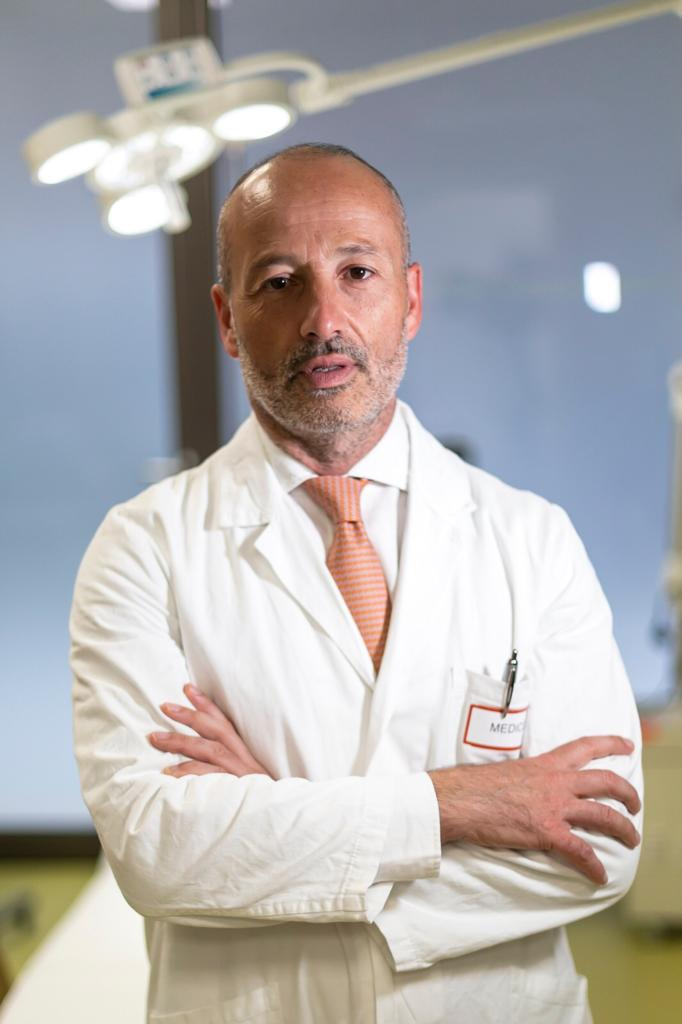
Department of Neurosurgery, University of Bari Aldo Moro, Italy;Francesco Signorelli, MD, MSc, is Full Professor of Neurosurgery at the University of Bari “Aldo Moro” and Director of the Neurosurgery Division at AOUC Policlinico of Bari, Italy. Since 2024, he has also served as Director of the Neurosurgery Residency Program. He trained in neurosurgery at the University of Naples Federico II and subsequently pursued clinical and research training at University College London, the University of Southampton, Hôpital Neurologique in Lyon, and in Montréal, with a particular focus on skull base and vascular neurosurgery. He also holds an MSc in Surgical Sciences from Université Paris-Sud. Prof. Signorelli has performed more than 3,500 neurosurgical procedures, with particular expertise in complex skull base, vascular, neuro-oncological, and awake glioma surgery in adult and pediatric patients. His academic activity includes over 110 peer-reviewed publications, participation in international clinical trials, and extensive involvement in neurosurgical education and simulation-based training. An active member of the EANS since 2006, he has served within its educational activities, as an EBNS examiner and faculty member, and participates in the EANS Skull Base, Neuro-Oncology, and Vascular Sections.