MDPI World Soil Day Webinar 2026
the chair
MDPI World Soil Day Webinar 2026
World Soil Day (https://www.fao.org/world-soil-day/en) is celebrated annually on 5 December to raise global awareness of the role soils play in agricultural development, ecosystem functions and food security.
In recognition of this day, we have organized the MDPI Soil Day Webinar on Monday, 7 December 2026 to facilitate knowledge exchange and discussion on soil science. In line with this year’s theme, “Tackle Soil Compaction, Boost Food Production”, the webinar will explore the impacts of soil compaction on soil health and agricultural productivity, while highlighting innovative research on sustainable soil management and approaches to improving food production and food security.
Date: 7 December 2026
Time: 13:00 (CET) | 07:00 (EST)
Webinar ID: 881 0503 8277
Webinar Secretariat: webinar@mdpi.com
Meet Our Speakers
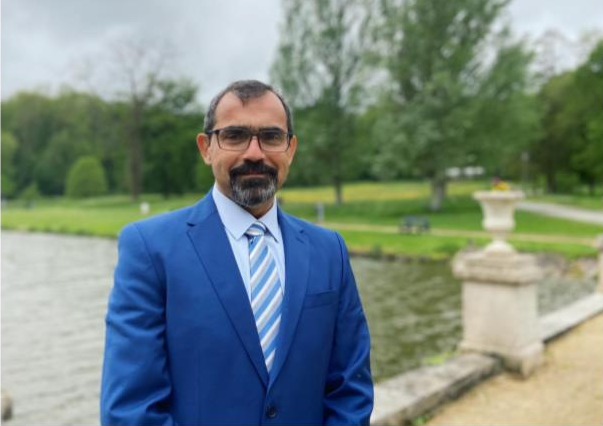
Department of Environment, Ghent University, Belgium;Abdul M. Mouazen is a senior full professor in precision soil and crop management and a group leader for the Precision SCoRing Group (https://www.ugent.be/bw/environment/en/research/presco) at Ghent University, Belgium. He is a foreign member of the Lithuanian Academy of Sciences. He has over 25 years of experience in the use of smart farming technologies for precision agricultural applications. He is the vice-chair of the Working Group on Proximal Soil Sensing (recently became Commission 1.8 - Soil Sensing) under the International Union of Soil Science (IUSS). Mouazen has carried out research and worked as a staff member at several universities in Syria, Hungary, Belgium, the UK and Lithuania. He is the coordinator of two Soil Mission Projects, namely WHEATWATCHER (https://wheatwatcher.eu/) and NitroScope (https://nitroscope.eu/).
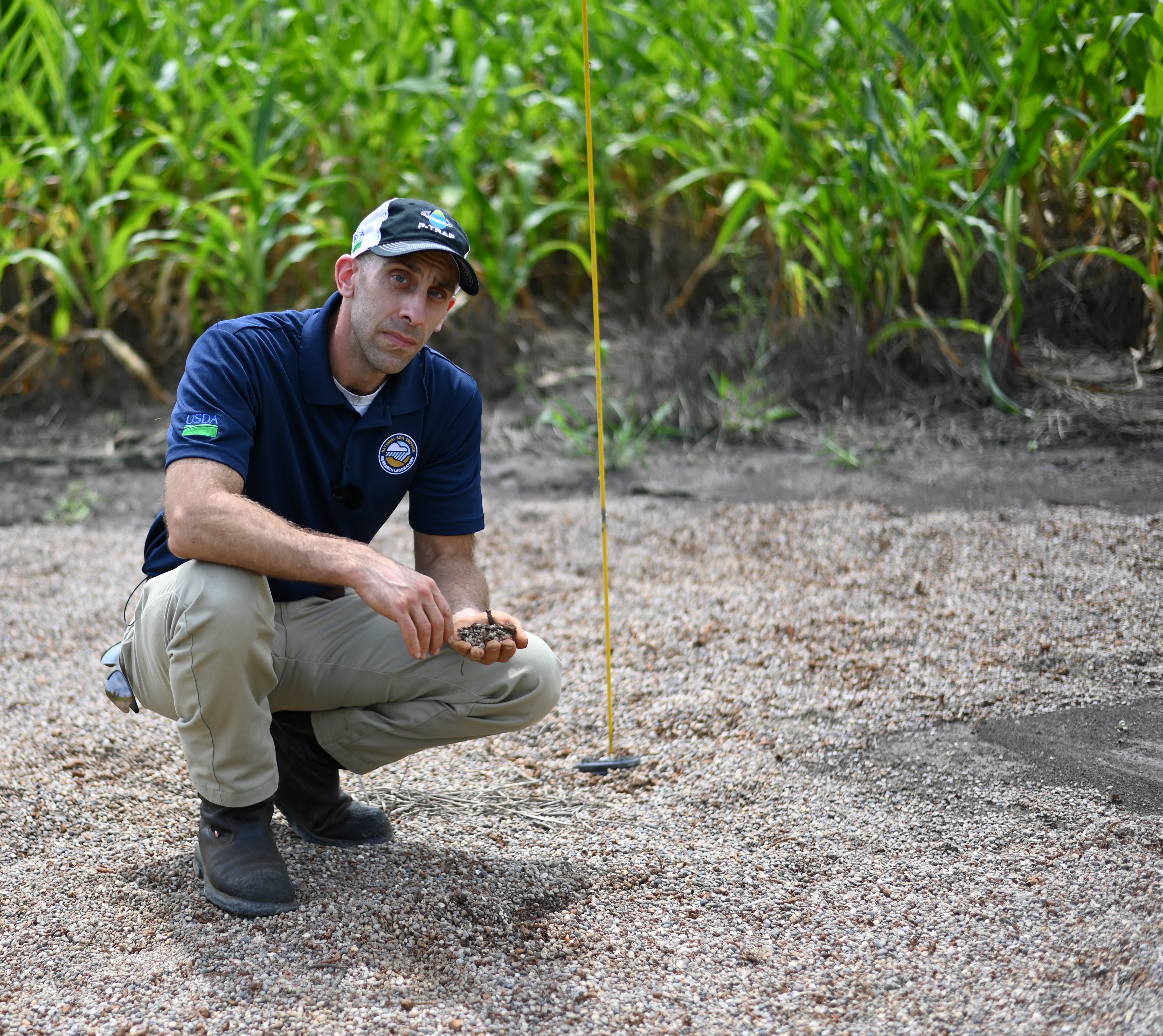
USDA Agricultural Research Service, USA;College of Agriculture, Purdue University, USA;Dr. Penn is a research scientist at the USDA Agricultural Research Service in West Lafayette, as well as an adjunct professor in the Department of Agronomy at Purdue University. Before joining USDA in 2016, he had worked as a professor of soil and environmental chemistry at Oklahoma State University since 2005. His current research is focused on soil chemistry and fertility for improving plant nutrient recommendations, nutrient transport, thermodynamics and kinetics of soil nutrients, design and construction of phosphorus removal structures, and animal waste management.
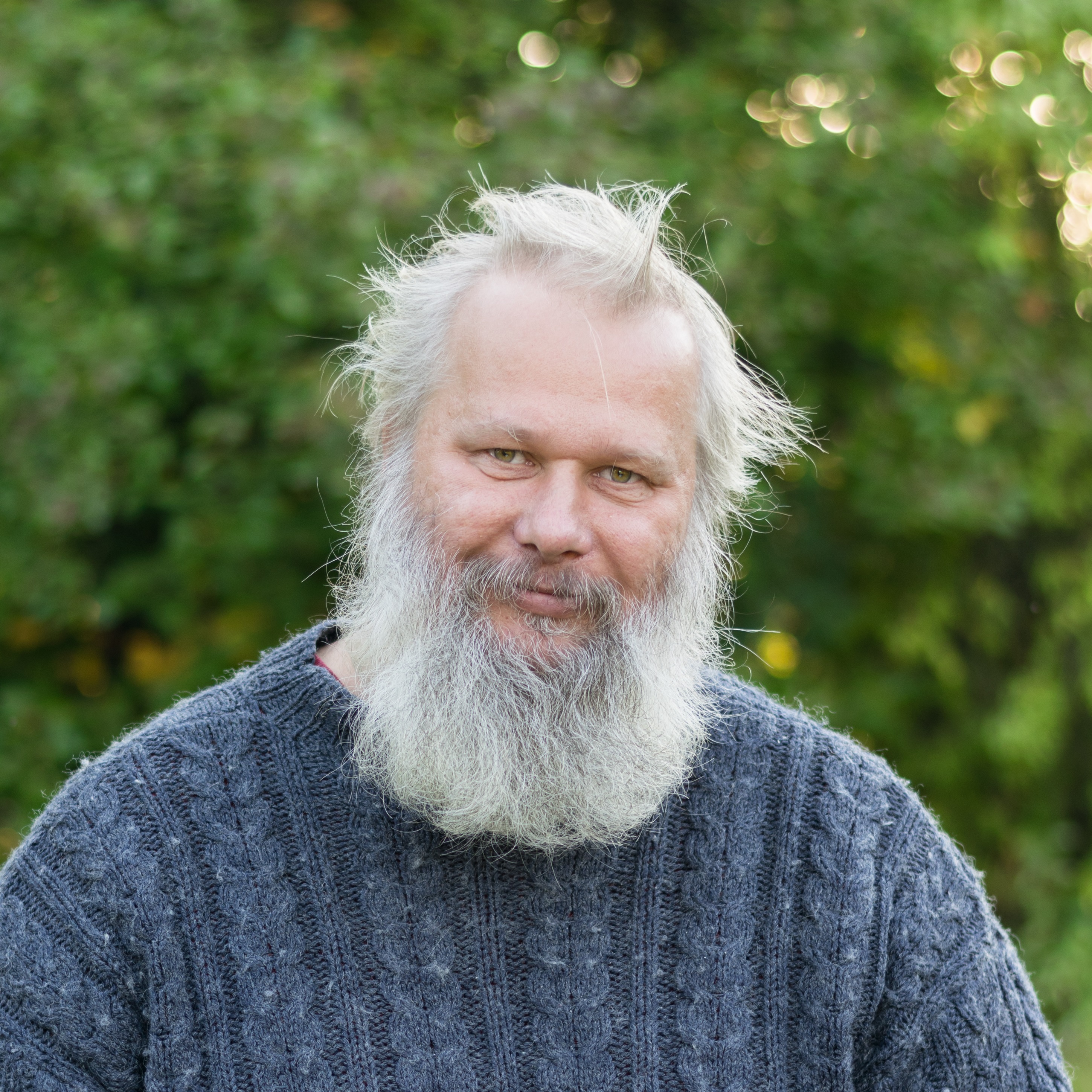
Institute for Environmental Studies, Charles University, Czech Republic;Biology Centre CAS, Czech Republic ;Prof. Jan Frouz studies agronomy at the Czech Agriculture University, Prague, Czech Republic, and biology at Charles University, Prague, Czech Republic, holding a Ph.D. in Entomology. He recently worked as a professor of environmental science and the Head of the Environmental Centre at Charles University, Prague, and at the same time, he was the Director of Institute of Soil Biology and Biogeochemistry at Biology Centre CAS. He had completed several post-doctoral periods in Italy, Germany and the USA, including undertaking a Fulbright fellowship. In his research, Frouz has been passionate about ecosystem restoration in post-mining sites, studying the role of interaction between fauna microbes and plants in soil formation and ecosystem development, particularly focusing on the role of soil biota as an ecosystem engineers, as well as their role in soil formation and nutrient cycling. He has published over 400 scientific papers; among them, 300 were published in journals registered in WoS, being cited over 12,000 times. His H index is based on WoS 50 (60 in Google scholar)
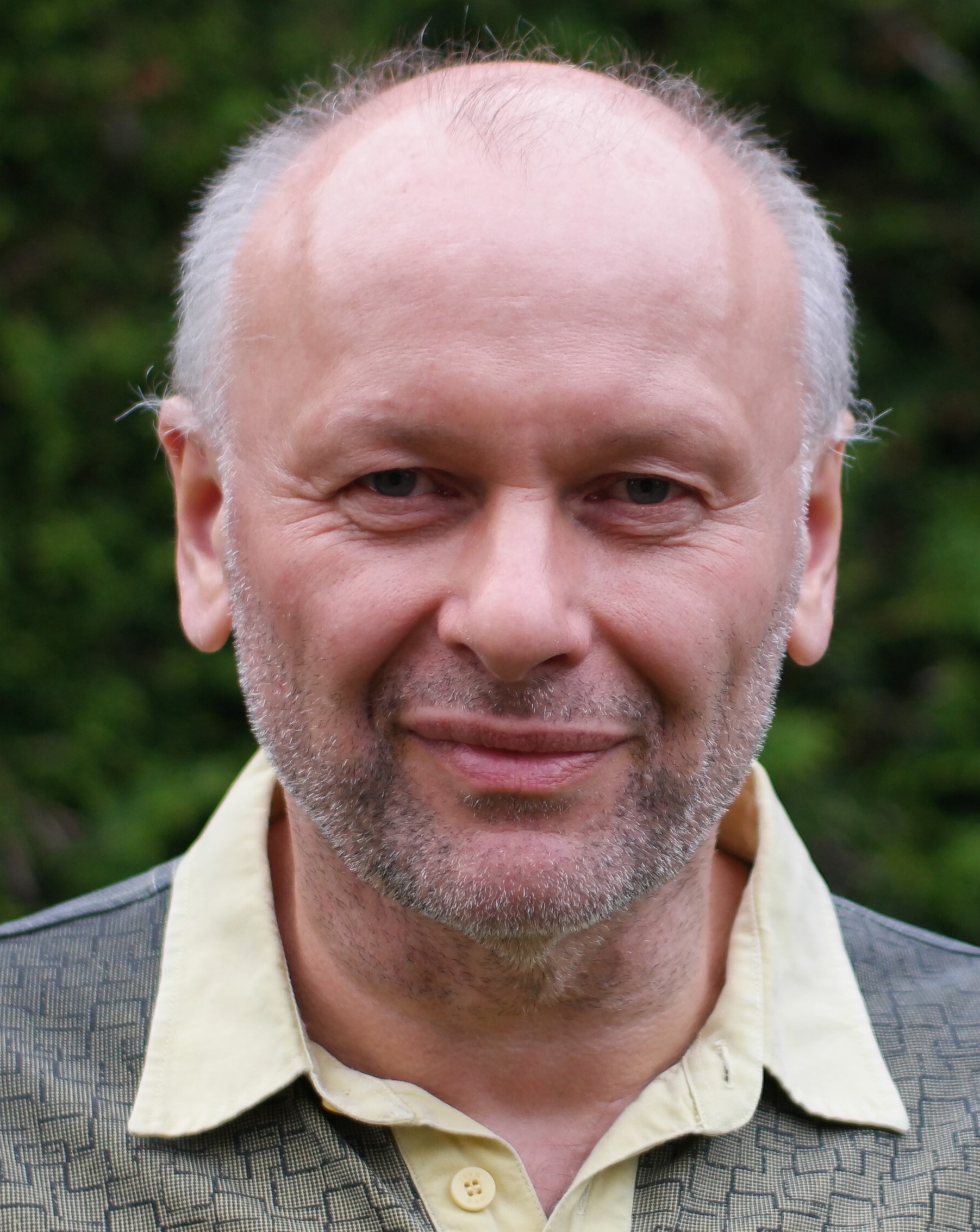
Department of Soil Science of Temperate Ecosystems, University of Göttingen, Germany;Professor Yakov Kuzyakov is the Head of the Soil Science Department at the University of Göttingen (Germany). He has worked in various soil and environmental science departments of universities and research institutes worldwide, including in Germany, China, the USA, the UK, Russia and Chile. His expertise covers soil ecology, biogeochemistry, rhizosphere processes, C and N cycling, soil degradation, land use and agroecology. His methodical expertise is based on the application of stable and radioactive isotopes at natural abundance and labeling. Kuzyakov has led research projects in many countries: Germany, China, Korea, Tanzania, Indonesia, Russia and Chile. He is a visiting professor at and has undertaken close collaboration with various top universities and research institutes in China. Together with his group, Kuzyakov focuses on soil biogeochemistry, with long-term and deep expertise in C and N cycles, priming effects and nutrient mobilization. His special interests are soil–plant–microbial interactions in hotspots. His groundbreaking works are in the fields of rhizodeposition, low-molecular-weight organic substances, priming effects, the visualization of enzyme activities (zymography), and the localization of root exudation. These processes are studied with regard to land use and soil degradation, as well as such global change components as warming, drought, and elevated CO2 levels. Kuzyakov ‘s group has made performed many innovative studies on pedogenic carbonates, biochar stability, and competition between roots and microorganisms, as well as bacteria and fungi for nutrients, microbial metabolism and energetics in soil, and the effects of plant photosynthesis on CO2 efflux from soil. The applied studies are focused on C sequestration, soil functions, land use and reforestation. Yakov Kuzyakov has developed very broad range of concepts and pioneering ideas in Perspectives and Review papers in leading Journals, and he has defined the development of soil and
|
Speaker |
Presentation Title |
Time in CET |
Time in EST |
|
MDPI Host |
Webinar Introduction |
13:00 - 13:05 |
07:00 - 07:05 |
| Prof. Dr. Abdul M. Mouazen |
Sensing Soil Compaction for Precision Tillage |
13:05 - 13:25 |
07:05 - 07:25 |
| Q&A |
13:25 - 13:30 |
07:25 - 07:30 |
|
| Dr. Chad Penn |
Re-thinking Maize Phosphorus Requirements: Can We Optimize Timing to Get by With Less? |
13:30 - 13:50 |
07:30 - 07:50 |
| Q&A |
13:50 - 13:55 |
07:50 - 07:55 |
|
|
Prof. Dr. Jan Frouz
|
Soil Compaction: A Major Barrier in Forest Restoration |
13:55 - 14:15 |
07:55 - 08:15 |
| Q&A |
14:15 -14:20 |
08:15 - 08:20 |
|
|
Prof. Dr. Yakov Kuzyakov
|
Subsoiling to Tackle Soil Compaction |
14:20 - 14:40 |
08:20 - 08:40 |
| Q&A |
14:40 - 14:45 |
08:40 - 08:45 |
|
|
MDPI Host |
Closing of Webinar |
14:45 - 14:50 |
08:45 - 08:50 |
This is a FREE webinar. After registering, you will receive a confirmation email containing information on how to join the webinar. Registrations with academic institutional email addresses will be prioritized.
Certificates of attendance will be delivered to those who attend the live webinar.
Can’t attend? Register anyway and we’ll let you know when the recording is available to watch.
Register for free here!
"Advanced Sensing, Data Analytics and Modeling for Digital Soil Mapping"
Guest Editors: Dr. Said Nawar, Prof. Dr. Abdul M. Mouazen and Prof. Dr. Songchao Chen
Deadline for manuscript submissions: 30 August 2027