























in-person
The 8th World Sustainability Forum
15 - 17 September 2020
VIRTUAL, Switzerland
Event Announcement
WSF has now come to a close!
Many thanks for joining us and see you next year!
Upon request, the participants of the event who have registered on Sciforum will receive an electronic Certificate of Attendance by email once the event is concluded.
Welcome from
the chairs
the chairs
While we are still processing abstracts from accepted sessions, abstract submission for WSF2020 is CLOSED.
The 8th World Sustainability Forum - WSF2020
15 - 17 September 2020, VIRTUAL, Basel, Switzerland Welcome from the Conference Chairs
September 2020 marks the 5th birthday of the 2030 Agenda for Sustainable Development and the UN Sustainable Development Goals. If it were a child and given the right circumstances, it would now have developed fine motor skills, be able to stand on one foot for 10 seconds, have long conversations, and start to develop a sense of independence and responsibility. With the 8th World Sustainability Forum, we are not only celebrating this birthday but are also taking stock of where we are in relation to a more sustainable world, what has worked, what has not yet worked, and where we need to go next. Today, the world is a different place from when we were planning this event. To remain relevant, any event must take into account the future impact of events that are unfolding in 2020: a health crisis, followed by economic, political, and social crises.
Sustainability has gained considerable traction: Many countries have integrated sustainability and environmental protection as part of their national development agenda, many businesses have realized the considerable long-term potential in sustainable development, and many research agendas have aligned with sustainability goals. The challenges that mark 2020 give rise to new imaginaries on how to either return to a “new normal” or to forge ahead into a challenging and more sustainable future. The health crisis and its consequences will not guarantee a more sustainable future but it certainly provides a narrow window of opportunity to rethink outdated economic, social, and environmental arrangements. It is encouraging to note the wide-spread calls for a sustainable “new normal”.
With this event, we hope to contribute to building a platform and network for sustainability agendas that fosters new partnerships among stakeholders beyond the boundaries of academic disciplines, self-serving national agendas, quarterly spreadsheets, and election cycles. The quest is to conceive of ways to assure long-term sustainable development for people, for regions, and for our planet.
In the spirit of making an event on sustainability more sustainable, the 8th World Sustainability Forum will be an online global event. The themes for 2020 are:
1 Food Security and Agriculture
2 Mobility and Transport
Abstract Submission for WSF2020 VIRTUAL: Closed
If your abstract is not associated with one of these three themes, we encourage you to participate in the 9th World Sustainability Forum to be held from 13-15 September 2021 at the Biozentrum, Basel, Switzerland which will cover a wider range of topics.
In light of the online nature of the 2020 event, a number of significant changes in organization have taken place. The deadline for registration has been removed and you may register at any time. The submission deadline for abstracts has been extended to 1 August 2020. In the interest of inclusive global participation and in light of the COVID-19 pandemic and its aftermath, MDPI has generously agreed to drop the registration fees for all virtual academics, members of partnering societies, cooperations and United Nations Initiatives for the 8th World Sustainability Forum. However, registration to the event is mandatory.
The 8th World Sustainability Forum (WSF2020) is an international scientific conference coordinated by MDPI, partially sponsored by the MDPI Sustainability Foundation, under the patronage of the University of Basel, the University of Geneva and the UN Sustainable Development Solutions Network (UN SDSN). The language of the conference is English.
The World Sustainability Award and the Emerging Sustainability Leader Award funded by the MDPI Sustainability Foundation will be conferred on Wednesday, 15 September 2020. The World Sustainability Award is endowed with USD 100'000; the Emerging Sustainability Leader Award with USD 10'000.
The 9th World Sustainability Forum will take place from 13 - 15 September 2021 at the Biozentrum, Basel, Switzerland. We are currently investigating state-of-the-art modelling for a hybrid event, which will connect multiple local hubs across all continents within a virtual forum environment.
We, the chairs and the organization team, are very much looking forward to welcoming you at the 8th World Sustainability Forum. Let us grab this opportunity to advance the sustainability agenda!
Follow us on Social Media


#WSF2020Virtual
Organizers
MDPI, Basel, Switzerland
Conference Secretariat
Email: wsf8@mdpi.com
Charlotte Gardini
Email: gardini@mdpi.com
Sara Vulovic
Email: vulovic@mdpi.com
Cédric Spinnler
Email: cedric.spinnler@mdpi.com
Karen Gisler
Email: karen.gisler@mdpi.com
Matthias Burkhalter
Email: burkhalter@mdpi.com
Dr. Franck Vazquez
Email: vazquez@mdpi.com
Tel. +41 61 683 77 35
Mailing Address
WSF 2020 Secretariat
MDPI AG
St. Alban-Anlage 66
4052 Basel, Switzerland
https://wsforum.org/
Meet Our Chairs
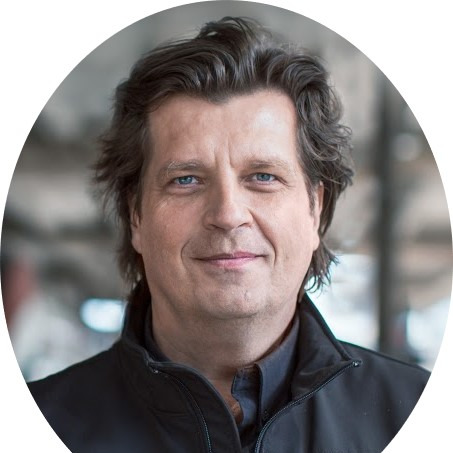
Social Research and Methodology Group (SRaM), University of Basel, Switzerland;Prof. Manfred Max Bergman is Chair of Social Research and Methodology at the University of Basel, Research Councilor of the Swiss National Science Foundation, member of the Uganda National Academy of Sciences and the Sustainable Development Solutions Network (SDSN), a global initiative for the United Nations. He is President of the Swiss Academic Society for Environmental Research and Ecology, Section Editor in Chief of Sustainability, and Editor in Chief of World. He chairs the World Sustainability Forum and the Basel Sustainability Forum. He studied at the Universities of California (BA), Geneva (MA), and Cambridge (PhD). Previous academic affiliations include the Universities of Cambridge, Florence (European University Institute), Geneva, Loyola Chicago, Notre Dame, Oxford, Stellenbosch, St. Gall, Texas A&M, the Witwatersrand, and Zurich. His research is on sustainability and the business-society nexus in India and China.

Assistant Professor of Sociology, University of Geneva, Switzerland;Co-founder of SCORAI Europe;

Department of Chemistry and former Vice-Rector for Research, University of Basel, Switzerland;
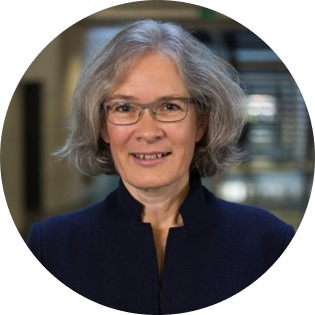
Department of Chemistry, University of Fribourg, Switzerland;

Director of the Institute of Global Health, University of Geneva, Switzerland;
Important Dates
1 Aug
2020
31 Aug
2020
28 Feb
2021
Meet Our Speakers

Dr. Lidia Borrel-Damián
Secretary General of Science Europe, Brussels, Belgium;
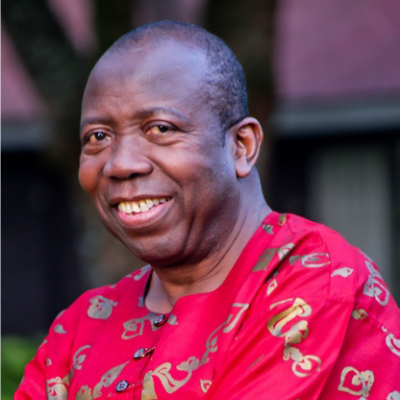
President, African Academy of Sciences, Kenya, and South African Research Chair in Agrochemurgy and Plant Symbioses, Tshwane University of Technology, South Africa;Prof Felix Dapare Dakora obtained his Ph.D. in Botany from the University of Western Australia, Perth, and currently holds a South African NRF/DSI Research Chair in Agrochemurgy and Plant Symbioses at the Tshwane University of Technology, South Africa. He is a Fellow and President of the African Academy of Sciences.
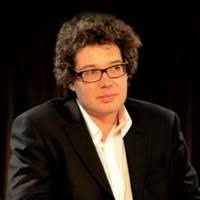
Dr. Patrick Degeorges
Director of The École normale supérieure de Lyon’s Anthropocene Curriculum;
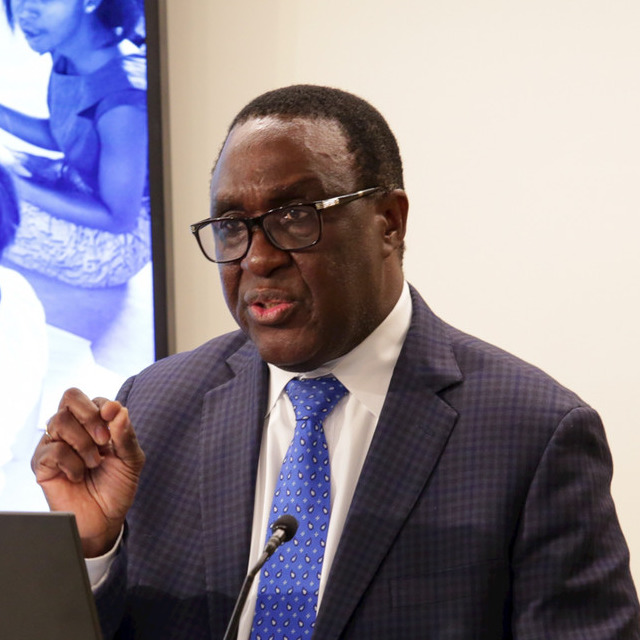
Regional Director, Sustainable Development for Africa, The World Bank;Simeon Ehui a national of Cote d’Ivoire, has been since July 1, 2019, the World Bank’s Regional Director for Sustainable Development for Africa and more recently since July 1, 2020, Regional Director for the West and Central Africa Vice Presidency covering agriculture, environment, social, water, urban and climate. His main responsibility, among other things, is to provide vision, coherence, and focus for sustainable development in West and Central Africa consistent with the regional/country strategies. Before his current assignment, Simeon was Director of the World Bank’s Food and Agriculture Global Practice (2017-2019). Since joining the World Bank in 2003, Simeon has held several assignments. He was the manager of the Food and Agriculture Global Practice for Africa (2015-2017) and South Asia (2009-2015). He also served as Lead Economist and Sector Leader for the Sustainable Development Network in Nigeria covering a variety of sectors such as agriculture, environment, transport, and energy. Before joining the World Bank, Simeon worked for 15 years in the Consultative Group on International Agricultural Research (CGIAR). He managed multi-country agricultural research development programs in Africa and Asia for both the International Institute of Tropical Agriculture (IITA) and the International Livestock Research Institute (ILRI). Simeon holds a Masters (1983) and Ph.D. (1987). in Agricultural Economics from Purdue University, in Indiana, USA, and has published extensively in his field. He also holds a Masters (1981) and Bachelors (1980) in Economics from the National University of Cote d’Ivoire. Simeon is an honorary fellow of the African Agricultural Economist Association, and a Distinguished Agricultural Alumnus of Purdue University.

Director of the Swiss Federal Institute of Aquatic Science & Technology (EAWAG);Prof. Dr. Janet Hering is the Director of the Swiss Federal Institute of Aquatic Science & Technology (Eawag), Professor of Environmental Biogeochemistry at the Swiss Federal Institute of Technology, Zürich (ETHZ), and Professor of Environmental Chemistry at the Swiss Federal Institute of Technology, Lausanne (EPFL). As Director of Eawag, she oversees a staff of over 450, including approximately 175 researchers and 84 technical staff members. Research at Eawag focuses broadly on water and the water environment, encompassing the continuum from relatively unperturbed aquatic ecosystems to fully engineered water and wastewater management systems. In addition to its research activities, Eawag’s mandate encompasses both education and expert consulting. Eawag contributes to tertiary education in cooperation with degree-granting institutions, particularly its partner institutions within the Domain of the Swiss Federal Institute of Technology, and hosts about 150 Ph.D. students engaged in their thesis research.
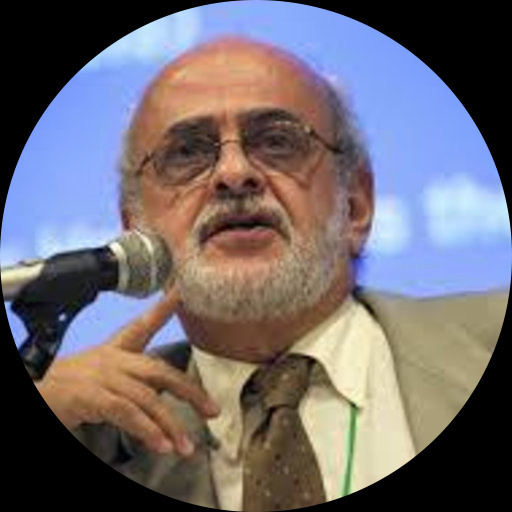
Universidade Federal Rural do Rio de Janeiro, Brazil;Background in Political Economy (State University of Campinas, Brazil). Full Professor of the Graduate Programme of Social Sciences in Development, Agriculture and Society (CPDA), Federal Rural University of Rio de Janeiro (UFRRJ), Brazil, teaching and researching on development theories, food systems, food and nutrition sovereignty and security, food politics and family farming. Coordinator of the Reference Centre on Food and Nutrition Sovereignty and Security (CERESAN/UFRRJ), and associate researcher of the Observatory on Public Policies for Agriculture (OPPA/UFRRJ). Visiting fellow at : Queen Elizabeth House/International Development Centre, Oxford University (Oxford/UK, 1996-97) ; Centre de Recherches sur le Brésil Contemporain, École des Hautes Études en Sciences Sociales (Paris/France, 2000-01) ; Centre for Food Policies, City, University of London (UK, 2017). Other relevant engagements: National Board of the Brazilian Network on Food and Nutrition Sovereignty and Security (FBSSAN), since 1998; Councillor (2003-2016) and President (2007-2011) of the National Council on Food and Nutrition Security (CONSEA), Presidency of the Republic of Brazil; Steering Committee of the High Level Panel of Experts on Food Security (HLPE), UN Committee for World Food Security, 2010-2014; Comité d´Orientation Stratégique (Collège Personnalités Qualifiées), Chaire UNESCO - Alimentations du Monde, Montpellier (France), since 2011; Coordinator of the Brazilian Research Network on Food and Nutrition Sovereignty and Security (PENSSAN), since 2017.
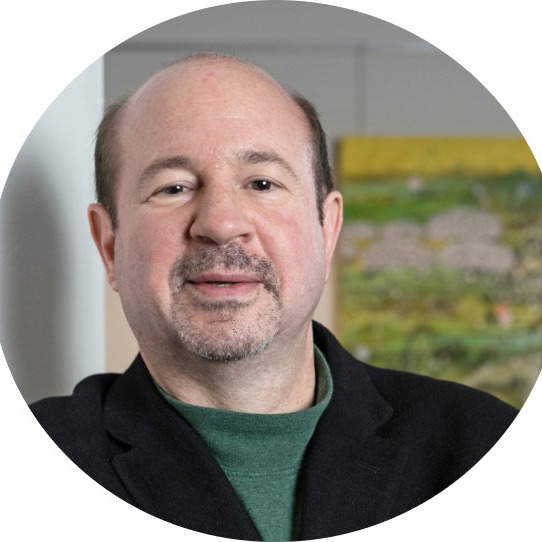
Prof. Dr. Michael E. Mann
Distinguished Professor, Department of Meteorology & Atmospheric Science, Penn State University;
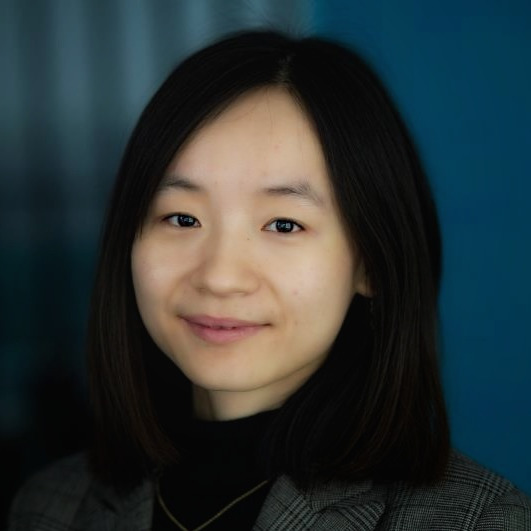
Bartlett School of Construction and Project Management, University College London;Dr. Jing Meng is a Lecturer at The Bartlett School of Construction and Project Management, University College London (UCL), and a fellow of Cambridge center for Environment, Energy, and Natural Resource Governance at the University of Cambridge. Her research focus is sustainable production and consumption, including theories and modeling of environmental economics, climate change and air pollution policies, energy decarbonization, and trade policies. Jing receives her Ph.D. degree in Environmental Geography from Peking University. Jing's research focuses on the impact of international trade on the distribution, climate, and health impacts of black carbon. Jing also holds a bachelor’s degree in Building Environment and Energy Engineering from Huazhong University of Science and Technology. Jing is an associate editor of the Journal of Cleaner Production and a guest editor of the Journal of Environmental Management and Sustainability.
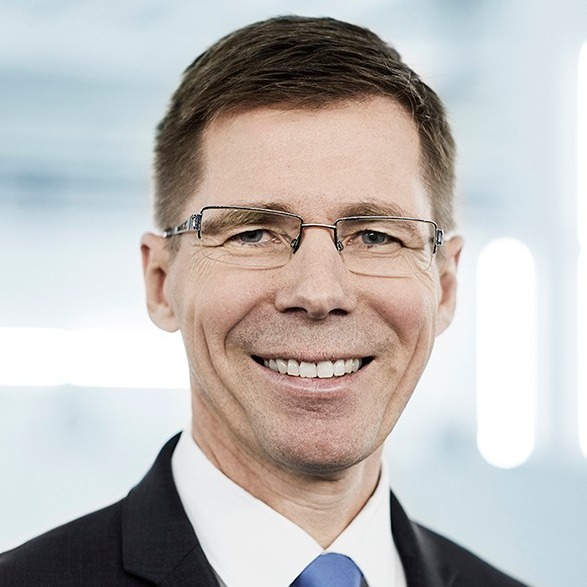
Prof. Dr. Joël Mesot
President of ETH Zurich;

Dr. Natalia Mykhaylova
Founder & CEO of WeavAir;Natalia Mykhaylova has a background in engineering, chemistry, and design. Natalia is passionate about the environmental sustainability field. Her Ph.D. work involved the development of novel sensor devices and adaptable wireless networks for air pollution monitoring and smart city applications. She founded 4 ventures and 3 non-profit initiatives. She provided consulting services to community organizations working with environmental data sources and conducted community air pollution research projects. She also developed a software solution that makes use of traffic data to reduce city congestion and the associated carbon emissions, winner of Climate Hack-To-Action as well as Climathon. She also led the development of a modular solution to add more green space to the impermeable city core as well as manage stormwater run-off in dense urban environments, winner of Green Infrastructure Hack-a-thon. She co-founded Cleanopy Inc. and has developed a unique portable device for children that offers continuous indoor and outdoor protection from air pollution. More recently, she is a founder and CEO of WeavAir, which develops sensor modules which improve indoor air quality and energy efficiency of HVAC systems. She leads WeavAir teams in North America and Asia and the company received 15 awards in North America, Asia, and Europe. The company was incorporated in Canada and Korea and has received many awards and a large amount of interest in North America, Asia, and Europe.
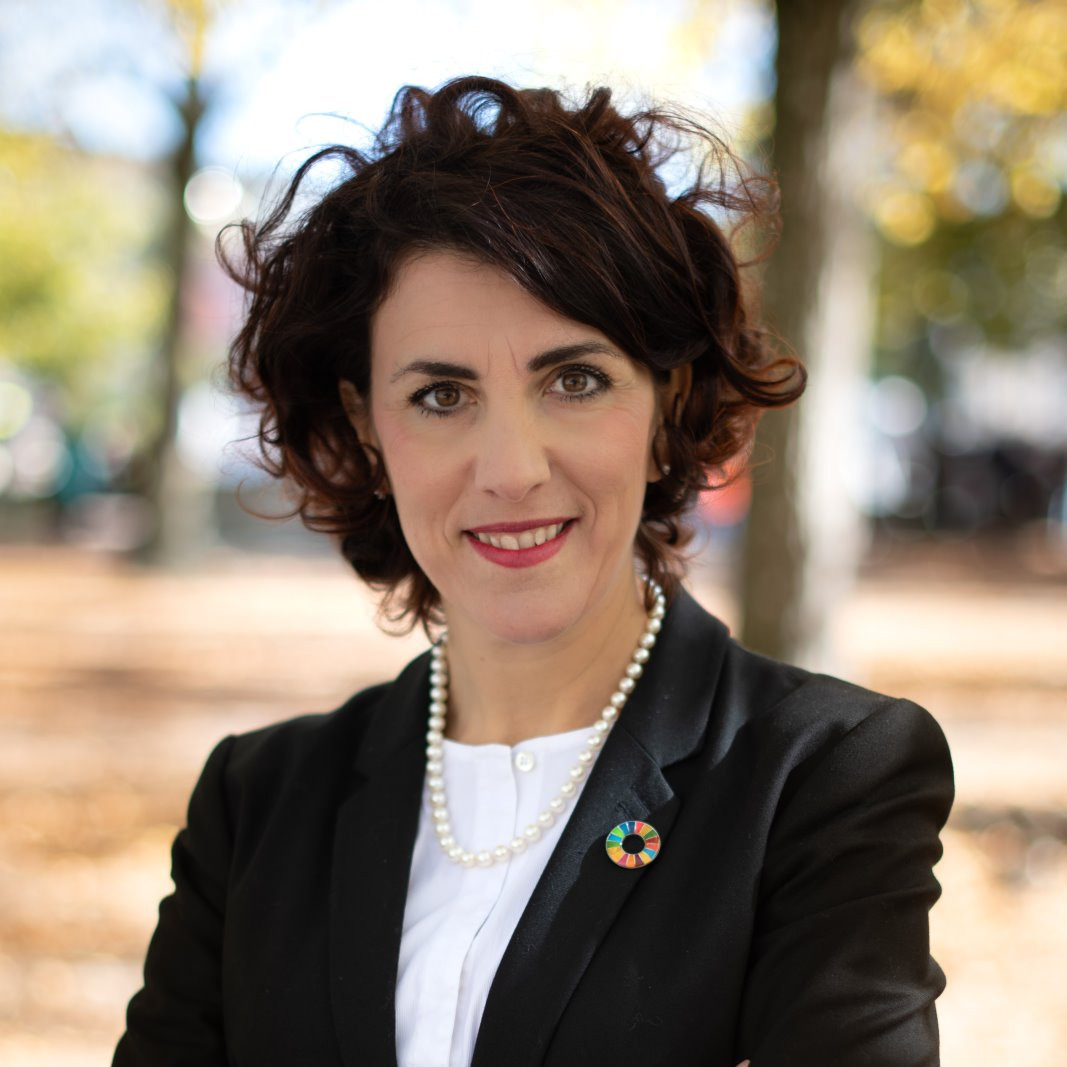
Dr. med. Antonella Santuccione Chadha
CEO and Co-founder at Women's Brain Project pro bono;Biogen;Dr. Antonella Santuccione Chadha is a medical doctor with expertise in clinical pathology, neuroscience, and psychiatric disorders. She is head of stakeholder engagement for Alzheimer’s disease at Biogen. She is co-founder and CEO of the non-profit organization “Women’s Brain Project” which is addressing the influence of sex and gender on mental and brain diseases. As a medical doctor, Antonella has decades of experience in preclinical research, patient treatment, clinical development, medical affairs, and setting up the international regulatory framework for Alzheimer’s disease. Always focused on solving the puzzles related to Alzheimer’s and other psychiatric diseases, she has worked with Swissmedic, Roche, the Bill and Melinda Gates Foundation, several European universities, the EU Commission Directorate for Health and Food Safety, the World Health Organization, the CEO and several Alzheimer’s’ disease Organizations. In 2018 and 2019 she has been nominated among the top 100 Women in Business in Switzerland and in 2019 she has been elected Woman of the Year in Switzerland by the Magazine "Women in Bussiness". She is the Vice-president of Euresearch and acts as a scientific advisor for several start-ups and scientific institutions. Dr. Santuccione Chadha is keenly interested in removing bias when developing solutions for mental and neurological diseases to achieve precision medicines. She is advocating and acting for the creation of an Institute for sex and gender precision medicine in Switzerland.
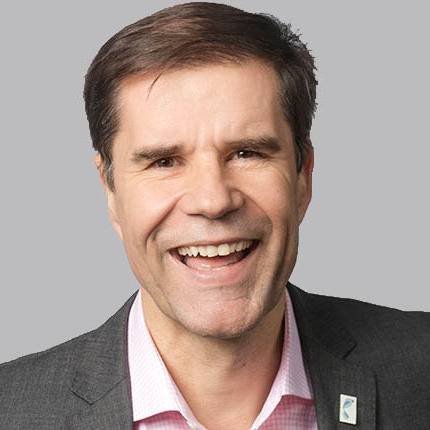
Co-creator of the Ecological Footprint;President of Global Footprint Network;Mathis Wackernagel is the co-creator of the Ecological Footprint and President of the Global Footprint Network. He completed a Ph.D. in community and regional planning with Professor William Rees at the University of British Columbia, where his doctoral dissertation developed the Ecological Footprint concept. Mathis also earned a mechanical engineering degree from the Swiss Federal Institute of Technology.
Program: 15 September 2020
TimeCEST (GMT+2) |
Title |
Speaker |
|
13:00-13:15 |
Welcome from the Chairs and MDPI |
Prof. Dr. Max Bergman, Prof. Dr. Katharina Fromm, Dr. Franck Vazquez |
|
13:15-13:40 |
Science Meets Sustainability: Friction or Fiction? |
Prof. Dr. Ed Constable |
|
13:40-14:00 |
General Opening |
Prof. Dr. Joël Mesot, President of ETH Zurich |
|
14:00-14:30 |
Women in Science |
Dr. Lidia Borrel-Damián, Secretary General, Science Europe |
|
14:30-15:00 |
Communicating Applied Research to Achieve the SDGs |
Prof. Dr. Janet Hering, Director EAWAG
|
|
15:00-15:15 |
World Sustainability Award Ceremony |
|
|
15:15-15:45 |
World Sustainability Awardee |
|
|
15:45-16:15 |
World Sustainability Awardee |
|
|
16:15-16:30 |
Emerging Sustainability Leader Award Ceremony |
|
|
16:30-16:45 |
Emerging Sustainability Leader Awardee |
|
|
16:45-17:00 |
Emerging Sustainability Leader Awardee |
|
|
17:00-17:15 |
Discussion with the Emerging Sustainability Leaders |
|
|
17:15-17:45 |
Is the Future Already Present? |
Dr. Mathis Wackernagel, President of Global Footprint Network |
|
17:45-18:45 |
Poster Presentations Plant and Soil Sciences: Zoom Link here Land Use and Food Security: Zoom Link here Transport: Zoom Link here To see who will be discussing their posters, please click here. To see the posters and recordings, please click here and select the poster sessions. |
|
Program: 16 September 2020 - Food Security and Agriculture
TimeCEST (GMT+2) |
Session/Title of presentation |
Authors: |
|
8:00-9:25 |
Palm Oil Chair: Marcel Mballa-Ekobena |
|
|
Impact of Oil Palm Development for Women: Double Role of Women and Livelihoods Alternative Sources in Rural Households |
Dyah Ita Mardiyaningsih, Arya Hadi Dharmawan, Faris Rahmadian |
|
|
A Study on Livelihood System of Oil Palm Farming Households Under the Pressure of Land-Tenure Insecurity in Jambi Province, Sumatra, Indonesia |
Audina Amanda Prameswari, Masatoshi Sasaoka, Arya Hadi Dharmawan |
|
|
Land Use Change, Livelihoods and Economic Development Policies: Implications for Sustainable Palm Oil Production in Honduras |
Ingrid Fromm |
|
|
Sustainability of Independent Oil Palm Farmers in Multi-Tier Supply Chain at Kutai Kartengara District, East Kalimantan Province |
Fakhrizal Nashr, Eka Intan Kumala Putri, Arya Hadi Dharmawan, Akhmad Fauzi |
|
|
Mainstreaming Sustainability in the Palm Oil Sector in Cameroon |
Fideline Mboringong, Ludovic Miaro, Durrel Halleson, Mesmin Tchindjang, Emmanuel Ngom |
|
|
The Problems of Acceptance of Indonesian Sustainable Palm Oil (ISPO) in International Market and Its Complexity on the Ground |
Rizka Amalia, Arya Dharmawan, Lilik Prasetyon, Pablo Pacheco |
|
|
09:30-11:25 |
Agriculture and Development Chair: Philippe Forêt |
|
|
The FAO Programme on Globally Important Agricultural Heritage Systems and the Opportunities for the Sustainable Development of Rural Areas |
Antonio Santoro, Martina Venturi, Federica Corrieri, Francesco Piras, Mauro Agnoletti |
|
|
Digital Based Model for Improving Agricultural Productivity in Africa |
Dorcas Shumba |
|
|
Techno-Economic Feasibility of Standard- and Low-Pressure Drip Irrigation Systems for Smallholder Farmers |
Julia Sokol, Georgia Van De Zande, Carolyn Sheline, Fiona Grant, Susan Amrose, Amos Winter |
|
|
Geographical Indication to Build up Resilient Rural Economies: A Case Study From Ghana |
Abdul-Latif Iddrisu, Yari Vecchio, Felice Adinolfi, Marcello De Rosa |
|
|
Bawon: The Socio-Economic Security System of Rural Communities in Indonesia |
Ali Yansyah Abdurrahim |
|
|
A Proposal of a Mixed Multi-Criteria Model to the Prioritization of Ecosystem Services in Protected Areas |
Mónica de Castro-Pardo, Victor Martin Barroso, Pascual Fernández Martínez |
|
|
Drivers of Accelerated Institutional Change Toward Sustainable Viticulture in Bordeaux |
Tatiana Bouzdine Chameeva, Sanjay Sharma, Joerg Hofstetter |
|
|
11:30-12:55 |
Urban Farming Chair: Philipp Aerni |
|
|
Urban Food Footprints: Assessing Food Impacts and Policy Gaps in Portugal |
Alessandro Galli, Sara Moreno Pires, Katsunori Iha, Armando Abrunhosa Alves, David Lin, Maria Serena Mancini, Filipe Teles |
|
|
Cities as Transnational Actors in the Resilience of Food Systems: A Gender Perspective |
Kareem Buyana |
|
|
Rural-Urban Reciprocal Interactions and Challenges of Sustainable Food Security |
Neginsadat Mirvahedi, Naser Shafieisabet |
|
|
From a Research Project to Transformational Change in an Urban Food System: Findings From an Inter- and Transdisciplinary Research Collaboration |
Hartmut Derler, Simon Berner, Stephan Pabst, Ulrike Seebacher, Johannes Haas |
|
|
Worksite Intervention to Reduce Food Waste Among Employees |
Luca Secondi, Ludovica Principato, Giovanni Mattia, Luca Ruini |
|
|
Food and Food Waste: Contradictions on the Way to Caring Communities and Implications for Sustainable Development |
Christina Marouli |
|
|
African Food Systems Transformation to Address the SDGs |
||
|
13:00-13:05 |
Session A: Context and Introductions, Frans Swanepoel |
|
|
13:05-13:30 |
Keynote Address: Transforming Africa’s Food System - What Would It Take? |
Dr. Simeon Ehui |
|
13:30-14:30 |
Panel 1: Conceptualising the African Food System |
|
|
Re-Imaging Risk: Food System Change in the Post-COVID-19 Context |
Julian May, Melody Mentz-Coetzee |
|
|
Group/Village Aggregation Centers: Strategy for Food Loss Reduction and Better Market Access for Smallholder Farmers |
Jane Ambuko |
|
| Developing a Framework for African Food Systems Research |
Claire Quinn |
|
|
Guiding Nutritious Food Choices and Diets Along Food Systems |
Hettie Schönfeldt |
|
|
Questions to the Panel |
Moderator |
|
|
Panel Summary |
Stefano Marras |
|
|
14:30-15:30 |
Panel 2: Gender Roles and the Unequal Status of Women in African Food Systems |
|
|
Gender-Responsive Food Systems Transformation |
Wanjiru Kamau-Rutenberg |
|
| Promoting Gender Inclusive Participation for a Sustainable Production of Root and Tuber Crops in West Africa |
Justin Pita |
|
|
Towards a Conceptual Framework for Gender and the African Food System Using International and Continental Agreements |
Elizabeth Mkandawire |
|
|
Understanding Barriers to Institutionalisation of Gender Within Agricultural Research and Higher Education in Africa |
Margaret Mangheni |
|
|
Questions to the Panel |
Moderator |
|
|
Panel Summary |
Farai Kapfudzaruwa |
|
|
15:30-15:35 |
Session B: Context and Introductions, Aldo Stroebel |
|
|
15:35-16:00 |
Keynote Address: Harnessing Innovative Technologies for Sustainable Food Production in Sub-Saharan Africa: Challenges and Opportunities |
Prof. Felix Dapare Dakora |
|
16:00-17:00 |
Panel 1: Climate-Smart Agriculture and Food Systems |
|
|
Strategies for Building Climate Resilience Into African Agricultural Systems |
Andy Dougill |
|
|
Africa’s Food Crops Potential: Beyond the Myths |
Cheikh Mbow |
|
|
Novel Technologies for Real-Time Solutions in a Transformed Food System |
Lise Korsten |
|
|
Questions to the Panel |
Moderator |
|
|
Panel Summary |
Sepo Hachigonta |
|
|
17:00-17:45 |
Panel 2: Preparing for the 2021 UN Food Systems Summit |
|
|
17:00-17:07 |
Context and Introductions |
Lindiwe Sibanda |
| Panelist |
Louise Fresco |
|
| Panelist |
Patrick Caron |
|
|
Panel Summary |
Moderator |
|
|
17:45-18:15 |
Sessions A and B: Synthesis and Summary, Melody Mentz-Coetzee, |
|
Program: 17 September 2020 - Food Security and Agriculture
TimeCEST (GMT+2) |
Session/Title of presentation |
Authors: |
|
07:00-07:55 |
Behavior and Countermeasures for Hazardous Metals in Paddy Agroecosystem Chair: Tomoyuki Makino |
|
|
Behavior of Hazardous Metals in Paddy Agroecosystem - Cadmium and Arsenic as the Primary Targets |
Tomoyuki Makino, H. Kanno |
|
|
Effects of Soil Drying on the Chemical Form of Cadmium and Thallium Related to Manganese Oxides |
Takahiko Narukawa, T. Makino, H. Kanno, K. Kimura, S. Yamasaki |
|
|
Absorption Characteristics of Various Metals in Low Cd Absorption Rice Cultivar Compared to Wild Type |
Rei Saito, Tomoyuki Makino, H. Kanno K, Kimura, S. Yamasaki, S. Ishikawa, T. Abe, H. Nakada, T. Otaguro, H. Nishikawa |
|
|
Effects of Mixing Andisol With Alluvial Soil on Arsenic Concentration in Brown Rice and Elucidation of Its Mechanism |
Shinji Yawata, Tomoyuki Makino, H. Kanno, K. Kimura, S. Yamasaki, H. Nakada |
|
|
A Comprehensive Analysis of the Mitigation on Cadmium and Arsenic in Rice Plants by Various Silicate Materials Produced in Japan |
Hiroshi Takenaka, Tomoyuki Makino, H. Kanno, K. Kimura, S. Yamasaki, H. Nakada. |
|
|
8:00-9:30 |
Food Choices and Food Waste Management Chair: Marcel Mballa-Ekobena |
|
|
Effectiveness of Awareness Campaigns in Shifting Practices to Reduce Household Food Waste |
Belinda Li, Virginia Maclaren, Tammara Soma |
|
|
Zombie Attack! Using Scientainment to Teach About Sustainable Food |
Petra Bättig-Frey, Rahel Meier, Verena Berger |
|
|
Food Waste Management in Retail: A Regional Perspective |
Tonia Ruppenthal, Izabela Karolina Horoś |
|
|
Why It Is Not That Easy to Apply Nudges to Stimulate Sustainable Food Choices Out-Of-Home: Insights From Real-World Experiments |
Pascal Ohlhausen, Nina Langen, Fara Steinmeier, Silke Friedrich, Tobias Engelmann, Melanie Speck, Petra Teitscheid |
|
|
Tackling Food Sustainability Through Dietary Change: A Scenario Analysis for Switzerland |
Canxi Chen, Abhishek Chaudhary, Alexander Mathys |
|
|
Motivations for Sufficiency in Individual Dietary Decisions - A Typology |
Sonja Trachsel, Isabel Jaisli, Moritz Lüchinger, |
|
|
9:30-10:00 |
Break |
|
|
10:00-11:25 |
Food Security and Covid Chair: Max Bergman |
|
|
Communicate About Food and Health at the Pandemic Time |
Mariella Nocenzi, Barbara Di Giovanni, Ombretta Presenti, Claudia Zoani |
|
|
Impact of Lockdown on Vegetables Supply Chain and Food Security: Empirical Evidence From Bangladesh |
G. M. Monirul Alam, Most Nilufa Khatun |
|
|
Financialization and Food Security: The Effects of COVID-19 for the Latin American Region |
Paola Vera, Ricardo Cristhian Morales Pelagio, Miguel Angel Reyna Castillo |
|
|
The Impact of Covid19 on Sustainable Development Goal2 in Ghana |
Cynthia Akwei |
|
|
Achieving Food Security in the Post COVID-19 Era Through High-Tech Vertical Indoor Farming in Densely Populated Cities |
Suaad Jassem, Mohammad Razzak |
|
|
11:30-12:25 |
Agri Supply Chains Chair: Marcel Mballa-Ekobena |
|
|
Analyzing the Critical Effect of Business Logistics Performance on Food Security and Agriculture |
Eliseo Vilalta-Perdomo, Rosario Michel-Villarreal |
|
|
International Trade and Sustainable Development: Special Focus on Food Security |
Inmaculada Martinez-Zarzoso, Laura Barros |
|
|
Addressing Food Supply Chain Resilience Through Intelligent Management of Household Consumption |
Elliot Woolley, Aicha Jellil, Alessandro Simeone |
|
|
Sustainable Entrepreneurship in Agribusiness: The Case of an Agro-Industrial Cooperative |
Daiane Johann, Carlos Ramoa |
|
|
12:30-12:55 |
Keynote Address: Sustainable Food: What Food, for Whom and How? |
Prof. Dr. Renato Maluf |
|
13:00-14:25 |
Can Trade Relations Promote Food Sustainability? Chair: Elisabeth Bürgi-Bonanomi |
|
|
Towards a Post-Lethal Agricultural System |
Stefan Mann |
|
|
A Nexus Approach to Study the Sustainability of Social-Ecological Systems: Implications for SDG Governance |
Mario Giampietro, Juan Cadillo-Benalcazar, Ansel Renner |
|
|
Farmers' Perceptions and the Potential of Participatory Guarantee Systems in Bolivia for Sustainable Trade and Diversified Food Systems |
Johanna Jacobi |
|
|
Does Agricultural Commercialization Lead to Food Security? Evidence From Smallholder Farms North-West of Mount Kenya |
Emily Mutea, Stephan Rist, Johanna Jacobi |
|
|
Geographical Notes About Post-Productivist Food in Spain. The Reflections of Producers, Processors, and Marketers on Food Sustainability |
Xosé A Armesto-López, M. Belén Gómez-Martín, Martí Cors-Iglesias, Emilio Martínez-Ibarra |
|
|
14:30-15:55 |
Linking Research With Action Through Transdisciplinary Food System Research Chair: Boniface Kiteme |
|
|
From Research to Action: Participatory Transformation and Sustainability of Farmers Milk Cooperative in Agropastoral Community in Laikipia, Kenya |
Stellah Mukhovi, Boniface Kiteme, John Mwangi, Grace Wambugu |
|
|
Transformative Collective Action to Change the Legislation Prohibition Raw Milk Cheese in Seara, Santa Catarina, Brazil |
Andréia Tecchio, Adriana Bessa, Aymara Zonta, Johanna Jacobi, |
|
|
Transformations Towards Food Sustainability: A Transdisciplinary Method for Collective Action in Latin America and Africa |
Aymara Llanque Zonta, Johanna Jacobi |
|
|
The Economic Potential of Organic Dairy Products in the Albanian Mountain Areas and the Impact of Organic Farming in the National Food Security Issues. What Challenges and Prospects? |
Florjan Bombaj |
|
|
Risk Perception by a Participatory Diagnostic Approach: A Case Study With Coffee Farmers at Chapada Diamantina, Brazil |
Rodrigo Rudge Ramos Ribeiro, Samia Nascimento Sulaiman |
|
|
Identifying Famine-Prone Countries |
Mathis Wackernagel, Leo Wambersie, Alessandro Galli, David Lin |
|
|
16:00-16:25 |
Keynote Address: Making Peace With the Earth: From Sustainability to Regeneration |
Dr. Patrick Degeorges |
|
16:30-17:30 |
The United Nations Forum on Sustainability Standards (UNFSS): Approaches to Sustainable Agri-Food Trade and the 4th UNFSS Chair: Santiago Fernandez De Cordoba Briz |
|
|
Upscaling Sustainability Standards Through Public Procurement and Trade Policy |
Axel Marx |
|
|
Voluntary Sustainability Standards as an Instrument to Achieve the SDGs |
Clara Brandi |
|
|
Alleviating Poverty With VSS Through Trade |
Cristina Larrea |
|
|
Andean Community and CARICOM Case Studies |
Rodrigo Rupérez |
|
|
Promoting Trade Through VSS |
Christian Robin |
|
|
17:45-18:05 |
Speaker: Tomaz Langenbach, Pesticide Control Policies and Recommendations |
|
|
18:10-19:45 |
Food Losses and Waste Mitigation in Brazil Chair: Felicitas Schneider |
|
|
Challenges and Opportunities of Food Loss and Waste Action for Latin America |
Felicitas Schneider |
|
|
Current Situation of Food Security and FLW in Brazil |
Gilmar Henz |
|
|
Multi-Stakeholder Initiative for FLW Mitigation |
Luciana Marques Vieira |
|
|
Entrepreneurship Opportunities for FLW Mitigation |
Daniele Eckert Matzembacher, Marcia Dutra de Barcellos |
|
|
Causes of Food Waste and Practices for Mitigation: Evidence From Brazilian Supermarkets and Suppliers |
Andrea Lago da Silva, Camila Colombo de Moraes |
|
|
Consumer Food Waste: The Brazilian Perspective |
Gustavo Porpino |
|
| 19:45 - 19:50 | Closing Remarks | Max Bergman |
Program: 17 September 2020 - Transport and Mobility
TimeCEST (GMT+2) |
Session/Title of presentation |
Authors: |
| 08:00 - 08:50 |
Disruptive Trends and Inclusiveness (part 1) Chair: Marlyne Sahakian |
|
| Introduction | Marlyne Sahakian | |
| Beyond Mobility: The Practicality of ‘Working From Home’ as an Alternative to Daily Commuting for the Working Women of Mumbai Metropolitan Region | Sujayita Bhattacharjee | |
| Corporate Car Sharing With Incentive System for Ecologically Sustainable Driving as an Alternative for Ecologically and Ecologically Sensible Short and Medium Business Trips | Benjamin Jacobsen | |
| Micro-Mobility and Mobility Sharing: A Shift Towards a Clear and Sustainable Urban Future | Puja Banerjee | |
| Q&A | ||
| 09:00 - 09:30 |
Smart Mobility and Digitalization Chair: Marlyne Sahakian |
|
| Potential Impacts of Autonomous Vehicles (AVs) on Carbon-Free Commuting of Tertiary Students | Dhawala Ananda, Ali Soltani, Andrew Allan | |
| The Future of Road Public Transit: Autonomous and Accepted? Singapore | Samuel Chng, Lynette Cheah | |
| Urban Mobility Planning, Environmental Challenges, and Digitalization – Key to Blue-Green Smart City and Mobility as a New Concept With Using the I-Sustainability Plus and 5th Wave Theories (Case Study: South Korea and Germany) | Hamid Doost Mohammadian | |
| Q&A | ||
| 9.40-10.20 | Break | |
| 10:20- 11:30 |
Spatial Planning and Transportation Challenges Chair: Christoph Ratz |
|
| A Study of Utilizing Big Data to Construct Sustainable City’s Transportation Planning and Design Evaluation Model | Wann-Ming Wey | |
| Proposed Framework for Assessing the Priority Location of New Medium and High Capacity Transport Stations | Elaine Vazquez, Beatriz Rodrigues, Mohammad K Najjar, Assed Haddad, Ahmed W A Hammad | |
| Q&A | ||
| Prospects for Alternative Powertrains for Road Freight Transport in Italy Based on a Probabilistic TCO Model | Damiana Chinese, Massimiliano Breda | |
| Sustainable Development Plan of Transport and Mobility in the City of Skopje | Viktorija Mangaroska, Kosta Mangaroski | |
| Built Environment of Settlements and Carbon Emission of Household Travel: A Case Study in the Central Area of Nanjing City | Longbin Zhu, Hongyan Xiang | |
| Q&A | ||
| 11.30-12.10 | Break | |
| 12:10-13:30 |
Understanding Impacts Chair: Christoph Ratz |
|
| Life Cycle Assessment of the Future Light Duty Vehicle Fleet in the UK – Taking Stock of the Co-Evolution of the Transport and Energy Sectors | Mashael Kamran, Marco Raugei, Allan R. Hutchinson | |
| Influence on the Air Quality of Cuenca (Ecuador) Due to the Future Shift From Diesel to Electric Buses | René Parra | |
| Design and Analysis of Sustainable Photovoltaic Based Peripatetic Charging Infrastructure | Kameswara Prakash, Chockalingam Aravind Vaithilingam, Gowthamraj Rajendran, Agileswari Ramasamy | |
| Q&A | ||
| Design and Development of Charging Stations Based on VOC - VR for Sustainable Electric Mobility | Gowthamraj Rajendran, Chockalingam Aravind Vaithilingam, Kameswara Satya Prakash, Kanendra Naidu | |
| The Impact of the COVID-19 Emergency on Local Vehicular Traffic and Its Consequences on the Environment: The Case of the City of Reggio-Emilia (Italy) | Samuele Marinello | |
| Transport Sustainability in a Pandemic | Zhanna Mingaleva | |
| Q&A | ||
| 13.30-14.40 | Break | |
| 14:40- 15:30 |
Aspirations and Acceptance (part 1) Chair: Marlyne Sahakian |
|
| Lessons Learnt From Singapore Towards an Efficient Public Transport Policy: A Case Demonstration for the City of Puducherry | Lakshmi Thilagam Natarajan | |
| Mobility and Intercultural Diversity in Intermediate Urban Systems of Latin America: An Approach From the New Mobility Paradigm | Gonzalo Salazar | |
| Mobility and Accessibility to Healthy Food in the Global South: Assessing the Role of Open Street Markets in Chile | Juan Antonio Carrasco, Beatriz Cid, Gislaine Granfeldt, Carolina Leal, Carolina Rojas | |
| Analysis of the Intention of Teleworking Considering Risk Perceptions of Commuting and ICT Use | Naoki Takayama, Hitomi Sato, Meilan Jiang, Takayuki Morikawa | |
| Q&A | ||
| 15.30-16.00 | Break | |
| 16:00- 17:30 |
Aspiration and Acceptance (part 2) Chair: Marlyne Sahakian |
|
| Understanding Citizen’s Aspirations for Their Cities’ Mobility and Its Relationship With Acceptance of Autonomous Vehicles: A Case Study of Singapore | Samuel Chng | |
| Mass Transport, Urban Governance, and Everyday Life: A Case Study of the Delhi Metro | Rashmi Sadana | |
| Decarbonization Scenarios for Reykjavik’s Passenger Transport: The Combined Effects of Behavioral Changes and Technological Developments | Kevin Dillman, Michał Czepkiewicz, Jukka Heinonen, Reza Fazeli, Áróra Árnadottir, Brynhildur Davíðsdóttir | |
| Transportation and Sport Events: Understanding Consumers Carbon Offsetting and Sustainable Mobility Behaviors |
Stavros Triantafyllidis | |
| Q&A | ||
| How Do Public Service Obligations Affect Transportation for Less Developed Regions of the European Union: The Case of Scheduled Air Services Between Badajoz and Barcelona | Antonio Martínez Raya, Víctor M. González-Sánchez | |
| Knowledge of the Sustainable Development Goals (SDG) in the Recovery of Domestic Tourism in Mexico | Daniela Palmas, Omar Ismael Ramírez, Rocío del Carmen Serrano-Baqruín | |
| Envisioning Transportation Corridors as an Integral Part of Cultural Landscapes - A Case of Ahmadabad, India | Namrata Shah | |
| Q&A | ||
| 17.30-18.00 | Break | |
| 18:00- 18:40 |
Disruptive Trends and Inclusiveness (part 2) Chair: Christoph Ratz |
|
| Shared Mobility in Cities After COVID-19: Changes in Offer and Demand in Europe | María del Mar Alonso Almeida | |
| Examination of the Auto Sector: Equity Through Mobility Solutions | Wendy Purcell | |
| Towards Inclusive Urban Accessibility: Framework and Methodology for Urban Transport Inclusiveness Assessment | Zhaowen Liu | |
| Q&A | ||
| 18:40-18:45 | Closing Remarks |
Ed Constable |
Poster Presentation Session on 15.09.2020
|
Poster Room A: Plant and Soil Sciences |
|
|
Synthesis of Biochar: Potential Application in Plant Seedling Growth, Effect of Co-Application of Humus Organic Fertilizer and Biochar on Plant Seedling Growth |
Ifeoma Juliet Opara |
|
Evaluation of Fertilizer Formulation for Livestock Feed Production in Mexico: An Eco-Efficiency and Parametric Programming Approach |
Samuel Quintero-Herrera |
|
Can ‘Compromised Paludiculture’ Manage Its Trade-Offs for Peatland Restoration? |
Ibnu Budiman |
|
Bacterial Community Structure From Madeira Archipelago assessed by Terminal Restriction Fragment Length Polymorphism |
Carla Ragonezi, Cristina Oliveira, Miguel Ângelo Pinheiro de Carvalho |
|
Community Structure of Arbuscular Mycorrhizal Fungi in Agricultural Soils from Madeira Archipelago |
Cristina Oliveira, Carla Ragonezi |
|
Biological Management of Meloidogyne Incognita Damaging Carrot Through Syncephalsatrum Racemosum |
Faryad Khan |
|
Determination of Abscisic Acid in Taro (Colocasia esculenta (L.) Schott) Grown in Drought Conditions |
Carla Gouveia |
|
Changes of Bioaccumulation of Oligoelements and Rare Earth Elements in Rice Grain at Varying of Irragtion Methods |
Ilaria Langasco |
|
Sprinkler Irrigation: An "Heretical” Method Aimed to Minimize the Bioaccumulation of Toxic Elements in Rice Grain |
Ilaria Langasco |
|
A Numerical Model Approach to Evaluate the Efficiency of Indigenous Rainwater Harvesting Techniques for Agriculture |
Paolo Tamagnone |
|
Poster Room B: Land Use and Food Security |
|
|
Environmental Sustainability for Ensuring Food Self-Sufficiency in Case of Exogenous Shocks: Qatar Case Study |
Annamaria Mazzoni |
|
The ESKE Project: A South-North Educational and Knowledge Exchange Framework to Enhance Food Security and Livelihoods |
Mary Richards |
|
The Tension Between Sustainable Development and Resource Depletion, Demographic Evolution and Food Security |
Dumitru Alexandru Bodislav |
|
Sustainable Development, Ecological Deficits, and Perverse Government Subsidies in Agriculture and Energy |
Patricia Papachristou |
|
Impact of Land Use/Land Cover Change on Hydrological Components in Chongwe River Catchment, Zambia |
Tewodros Tena |
|
Slicing Through The Sparse |
Amruta VunGarala |
|
Investment Options for Restoration of Village Tank Cascade Systems in Sri Lanka: An Analysis using a Linear Programming Model |
Jeevika Weerahewa |
|
Stakeholders' perceptions on policy tools in support of sustainable food consumption in Europe: policy implications |
Nína Saviolidis |
|
Poster Room 3: Transport |
|
|
Utilization of Waste Rubber Tires as Geocell Reinforcement |
Eduardo Leron Jr |
|
Sustainable clean mobility and urban planning - responses to sustainable development in social responsibility as a readiness for facing tomorrow’s world crises |
Hamid Doost Mohammadian |
|
Comprehensive Urban Plan and Mobility Risk Mitigation for Transforming to Blue-Green Sustainable Mobility to create Modern Livable Urban Setting (Case: Global, Europe and Iran) |
Hamid Doost Mohammadian |
WSF Recorded Sessions
In this section, you will find the different recordings of the sessions held over the three days of the 8th World Sustainability Forum for you to watch, re-watch and share with your colleagues!
15 September 2020
Introduction & Keynote Addresses
***
Awards Ceremony
16 September 2020 - Food Security and Agriculture Stream
Session: Palm Oil
***
Session: Agriculture and Development
***
Session: Urban Farming
***
African Food Systems Transformation to Address the SDGs
Session A, Panel 1: Conceptualising the African Food System
& Keynote Address by Dr. Simeon Ehui
***
African Food Systems Transformation to Address the SDGs
Session A, Panel 2: Gender Roles and the Unequal Status of Women in African Food Systems
***
African Food Systems Transformation to Address the SDGs
Session B, Panel 1: Climate-Smart Agriculture and Food Systems
& Keynote Address by Prof. Dr. Felix Dapare Dakora
***
African Food Systems Transformation to Address the SDGs
Session B, Panel 2: Preparing for the 2021 UN Food Systems Summit
17 September 2020 - Food Security and Agriculture Stream
Session: Behavior and Countermeasures for Hazardous Metals in Paddy Agroecosystem Session
***
Session: Food Choices and Food Waste Management
***
Session: Food Security and COVID
***
Session: Agri Supply Chains
***
Keynote Address by Prof. Dr. Renato Maluf
***
Session: Can Trade Relations Promote Food Sustainability?
***
Session: Linking Research With Action Through Transdisciplinary Food Systems Research
***
Keynote Address by Dr. Patrick Degeorges
***
Session: The United Nations Forum on Sustainability Standards (UNFSS)
***
Speaker Address by Prof. Dr. Tomaz Langenbach
***
Session: Food Losses and Waste Mitigation in Brazil
17 September 2020 - Transport and Mobility Stream
Session: Disruptive Trends and Inclusiveness (Part 1)
***
Session: Smart Mobility and Digitalization
***
Session: Spatial Planning and Transportation Challenges
***
Session: Understanding Impacts
***
Session: Aspirations and Acceptance (Part 1)
***
Session: Aspirations and Acceptance (Part 2)
***
Session: Disruptive Trends and Inclusiveness (Part 2)
Blog WSF2020
17 August 2020
The SWC50 committee is developing the ISES Solar Energy Museum - Past Present and Future
ISES will be launching a permanent online solar energy museum during the SWC50 conference in December 2020.
The museum will include:
• ISES timeline
• Videos of interviews with early pioneers and early events.
• Growth in the various market segments including key events, projects, successful policies and significant research breakthroughs.
• Overviews of Research and Industry Pioneers
• Overview of renewable energy access
• Stories from institutes and companies
Call for Contributions is now open. Please find more information here.
3 April 2020
We are pleased to announce that the 8th World Sustainability Forum is a Partner & Supporter of Eurosoil 2020!
The objective of EUROSOIL 2020 is to bring together leading research scientists working on soil related topics and stakeholders dealing with issues of public concern, such as soil degradation and consequences of climatic changes. The important bridging role of soil practitioners to translate scientific knowledge into practice will be emphasised during EUROSOIL 2020.
To register for the Eurosoil 2020 conference, please click here.
1 April 2020
Abstract Submissions: Deadline extended!
We are pleased to inform you that we have extended the abstract submission deadline until: 19 April 2020
Submissions can be made for five types of contributions:
1) Session Stream;
2) Session;
3) Sustainability Organization Session/Session Stream
4) Paper Presentation;
5) Poster Presentation.
For further information on how to submit these different types of contributions, please click here. We would love to count on your participation at this conference!
19 March 2020
MDPI English Writing Prize
Good communication is fundamental to scientific research. With over 20 years’ experience in publishing and research communication, MDPI understands how crucial good writing is. For this reason, we have launched the MDPI Writing Prize. It aims to promote clear, high quality prose that powerfully communicates key scientific concepts. We invite you to participate in this year’s edition.
The competition is open to non-native English speakers who are Ph.D. students or postdoctoral fellows at a research institute.
Essays of up to 1000 words are invited on the following topic:
“My work and the United Nations Sustainable Development Goals”
1st prize (one winner): 500 CHF and certificate
2nd prizes (two winners): 250 CHF and certificate
3rd prizes (three winners): 100 CHF and certificate
Submissions should be made via email to englishediting@mdpi.com with the subject line “MDPI writing prize 2020”. Entries will be judged by the MDPI English Editing Department and evaluated on grammar and spelling, content and overall presentation. The following should be included in the submission email:
- Author name
‐ Author affiliation, including address
‐ Name, address, and email address of supervisor: PhD supervisor, principal investigator, line manager, or equivalent.
‐ Title of your essay
Submission Deadline: 31 October 2020
Winner Announcement: 30 November 2020
02 March 2020
Abstract Submissions: Deadline extended!
We are pleased to inform you that we have extended the abstract submission deadline until: 31 March 2020
Submissions can be made for five types of contributions:
1) Session Stream;
2) Session;
3) Sustainability Organization Session/Session Stream
4) Paper Presentation;
5) Poster Presentation.
For further information on how to submit these different types of contributions, please click here. We would love to count on your participation at this conference!
25 February 2020
We are pleased to announce that the 8th World Sustainability Forum is an Associate Supporter of the SWC50 – The Century of Solar!
Celebrating 50 years of the ISES Solar World Congresses, the International Solar Energy Society (ISES) is organising SWC50 – The Century of Solar which will be held in Melbourne, Australia between the 2nd and 4th December 2020. The event will comprise of a conference, networking social events, a display area, and the release of the celebratory booklet: The Century of Solar - Stories and Visions for the Future of Renewable Energy. The event will briefly look back over the 50 years since the first Solar World Congress (SWC) was held in Melbourne in 1970. More importantly, the event will focus on how we can and must transition to 100% Renewable Energy. The display area will allow entities to tell their solar story and will celebrate individuals, pioneers, who have paved the way toward achieving solar technology breakthroughs and developed the industry.
For further information, please visit their website: www.swc50.org
Join the Conversation. Be the Change. #UN75
Tackling issues such as the climate crisis, inequality, new patterns of violence and the major changes we are seeing in population and technology in order to achieve the SDGs - our shared vision for the future - will require cooperation across borders, sectors and generations.
But just when we need collective action more than ever, support for global cooperation is flagging. In many countries, public trust in traditional institutions is in decline and relations between countries are under strain. Dialogue – and action – on global issues could not be more urgent. Through these conversations, the UN aims to build a global vision of 2045 – its centenary, increase understanding of the threats to that future, and support enhanced international cooperation to realise that vision.
23 October 2019
30 Business Titans Join UN Push to Scale Up Private Sector Investment for Sustainable Development
@AntonioGuterres calls on key business leaders to step up to the challenge of financing the SDGs
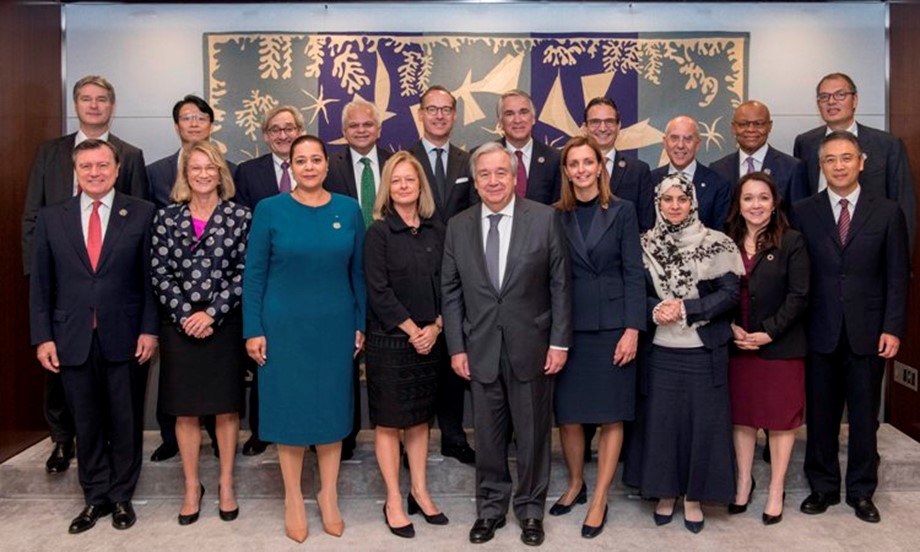
UNITED NATIONS, 16 October 2019 – The UN announced today that 30 influential leaders from the corporate world will work together over the next two years in a bid to free up trillions of dollars from the private sector to finance the Sustainable Development Goals.
Convened by Secretary-General António Guterres, the Global Investors for Sustainable Development (GISD) Alliance is co-chaired by Oliver Bäte, CEO of Allianz, and Leila Fourie, CEO of the Johannesburg Stock Exchange, and includes the heads of Bank of America, Citigroup, ICBC, Infosys, Investec, Santander, UBS and other prominent international corporations. (See complete list below.)
“We face widening inequality, increased devastation from conflicts and disasters and a rapidly warming Earth. These leaders have seized our sense of urgency, recognizing that our pace must be at a run, not a crawl,” Guterres said. “They are committing to cooperate across borders, across financial sectors and even with their competitors, because it is both ethical and good business sense to invest in sustainable development for all people on a healthy planet.”
The High-Level Dialogue on Financing for Development held during the recent UN General Assembly brought to attention the urgent need for increasing government spending on crucial sectors such as health, education, infrastructure, and climate change. Most developed countries have not met their commitments to ODA, while factors like poverty, corruption, and tax evasion limit domestic resources in developing countries.
The development finance needs are estimated at trillions of dollars per year, and even if funding from all public sources is maximized, there will still be a significant shortfall, making financing from the private sector imperative.
“As responsible companies, we can create long-term value by embedding sustainability into our core business,” said Bäte. “Investing in the stable development of societies across the globe is not only the right thing to do, it also includes economic opportunities. We are convinced that investments in emerging markets can foster sustainable growth without losing sight of our customers’ interests.”
The UN’s research suggests that there is no shortage of money from the private sector which could be invested in sustainable development. However, a combination of factors, including the policy environment, incentive structures and institutional conditions, tend to discourage the kind of long-term commitment that is needed.
“The establishment of the GISD Alliance acknowledges the scale of the challenges we face collectively and the role that the finance sector has to play in meeting these challenges,” said Fourie. “Exchanges are a vital part of the financing ecosystem – promoting relevant disclosure, enabling effective price discovery, and ultimately mobilising funds to productive ends. We all have much work to do, and the time to start is now.”
The Alliance aims to use their expertise, influence and business acumen in devising ways to stimulate long term investment in development and speed up progress towards achieving the SDGs.
Source: https://www.un.org/sustainabledevelopment/blog/2019/10/gisd-alliance/
24 September 2019
Early fees valid until 30 April 2020
|
Academics |
CHF 450.00 |
|
Academics* |
CHF 360.00 |
|
Academics** |
CHF 200.00 |
|
Academics - single day |
CHF 200.00 |
|
Academics* - single day |
CHF 160.00 |
|
Commercials |
CHF 600.00 |
|
Commercials - single day |
CHF 300.00 |
*Members of partnering societies will receive a 20% discount on the registration fees.
**Reduced fees will be applied to low-income and lower-middle-income as indicated by the World Bank Classification.
23 September 2019
#GlobalGoals week - UN is hosting events all week to help people & planet
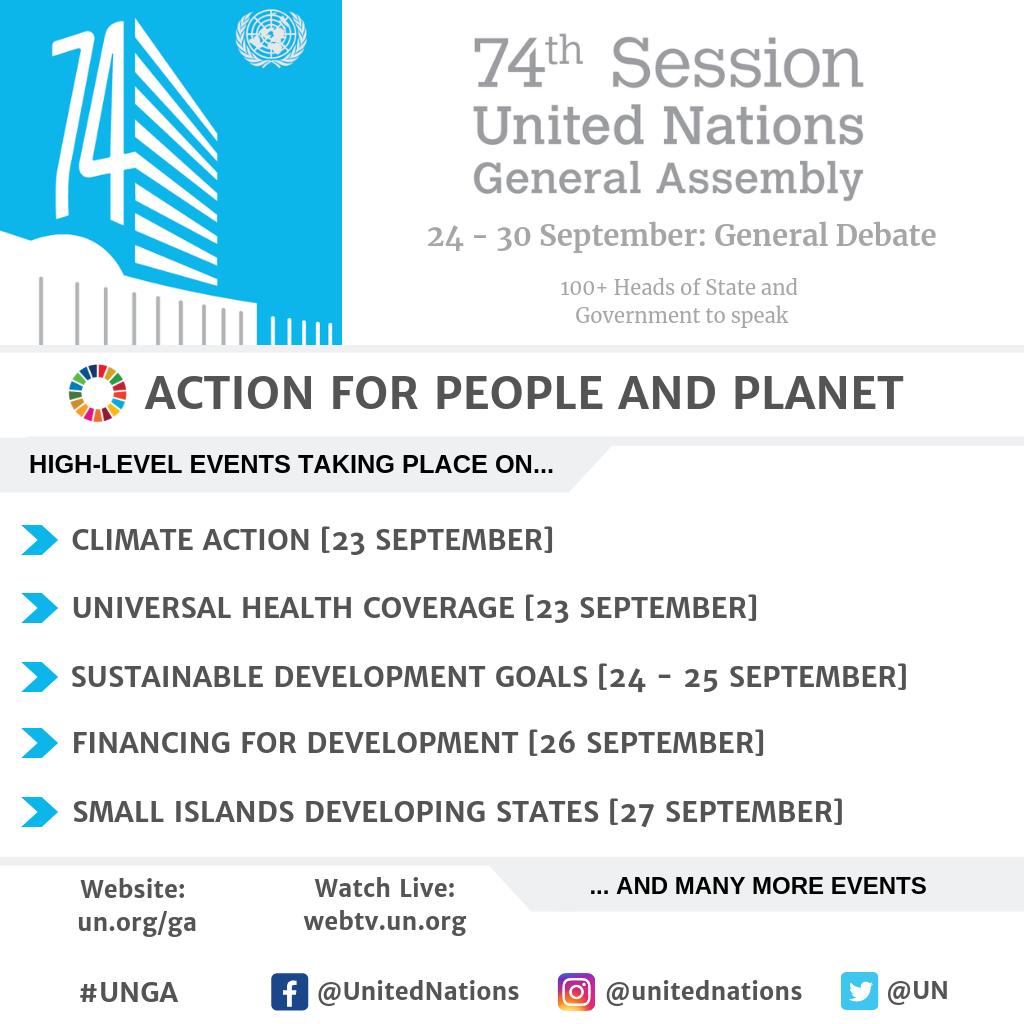
Every September, the Member States of the United Nations meet at the General Assembly in New York to discuss the critical issues of global concern. This year, in addition to the general debate, world leaders will participate in a series of summits and high-level meetings to boost action on climate change and accelerate progress on sustainable development, aimed at securing healthy, peaceful and prosperous lives for all. Underpinning the action week are the Sustainable Development Goals, adopted by all world leaders in 2015. The 17 interconnected Goals are a universal call to action to end poverty and hunger, expand access to health, education, justice and jobs, while protecting our planet from environmental degradation. More information here.
#ClimateAction Summit: 23 September | #HealthForAll Meeting: 23 September | #SDGs Summit: 24-25 September | #Fin4Dev Meeting: 26 September | #SamoaPathway Review: 27 September
12 June 2019
Call for Participation Uploaded
The call for participation for the World Sustainability Week to be held from 14-19 September 2020 in Geneva, Switzerland has been uploaded.
12 April 2019
GENEVA HEALTH FORUM
the forum of innovative practices in global health
The Geneva Health Forum, created in 2006, is one of the most important conferences of Global Health.
Every two years the GHF brings together Swiss and International participants from all sectors.
Every two years the GHF brings together Swiss and International participants from all sectors.
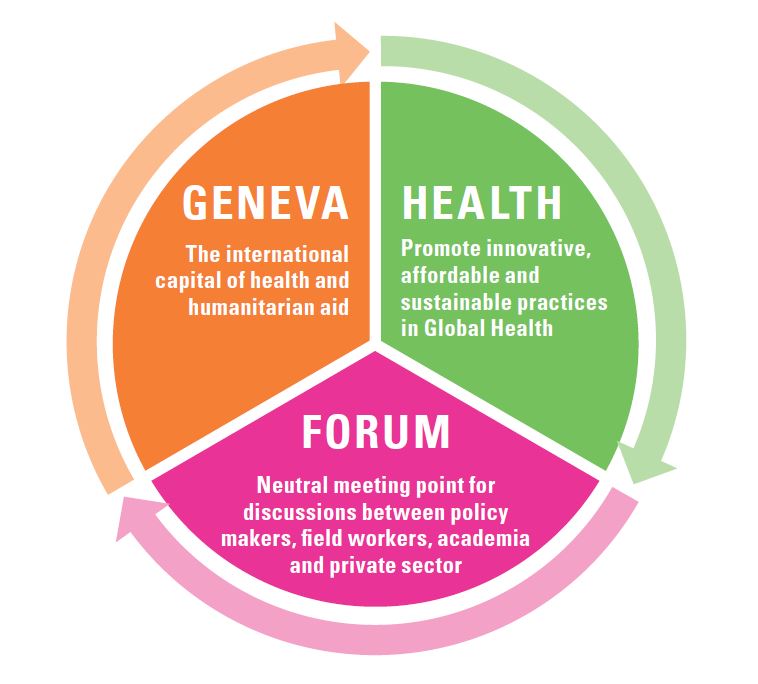
The overall goal of the Geneva Health Forum is to promote innovative practices that improve care access, especially in resource-poor settings. To achieve this goal, the Geneva Health Forum aims to:
- give visibility to innovative field experiences;
- establish a critical and constructive dialogue and promote collaborations between global health actors from different sectors including practitioners, academics, policy makers, civil society and the private sector;
- promote interaction between actions in the field and health policy development (linking policy and practice). This applies both to guiding policies through best practices and to facilitating policy diffusion at the field level.
- give visibility to innovative field experiences;
- establish a critical and constructive dialogue and promote collaborations between global health actors from different sectors including practitioners, academics, policy makers, civil society and the private sector;
- promote interaction between actions in the field and health policy development (linking policy and practice). This applies both to guiding policies through best practices and to facilitating policy diffusion at the field level.
Register at: https://ghf2020.g2hp.net/registrations/
11 April 2019
The 4th Basel Sustainability Forum on Health and SDG3 - 3 June 2019 - Kollegienhaus University of Basel, Switzerland
The UN Sustainable Development Goal 3 (UN SDG 3) of the UN’s 2030 Agenda for Sustainable Development is about ensuring healthy lives and promoting well-being for all at all ages. Its targets include a reduction of: premature deaths of mothers and newborns, infectious and communicable diseases, premature mortality from non-communicable diseases, alcohol and substance abuse, road traffic accidents, and deaths from chemicals and pollution. Furthermore, UN SDG 3 aims to strengthen or promote mental health and well-being, sexual and reproductive health, access to health-care services and affordable medicines and vaccines, and the capacity for the management of national and global health risks (UN SDGs 2015). UN SDG 3 is only one of 17, each of which are similarly ambitious.
The UN SDGs are interdependent. Some goals serve as preconditions for healthy lives, and others are consequences thereof. Precursors are, for example, UN SDG 2 (End hunger, achieve food security, improve nutrition, and promote sustainable agriculture), UN SDG 5 (Achieve gender equality and empower all women and girls), UN SDG 6 (Ensure access to water and sanitation for all), UN SDG 7 (Ensure access to affordable, reliable, sustainable and modern energy for all), and UN SDG 13 (Take urgent action to combat climate change and its impacts). Goals affected by health are, for example, UN SDG 8 (Promote inclusive and sustainable economic growth, employment and decent work for all). Some goals are both preconditions and consequences of health, such as UN SDG 1 (End poverty in all its forms everywhere). Poverty reduction is associated with better health and nutrition, which in turn has an effect on poverty reduction.
According to the OECD, the per capita health expenditure in 2015 (PPP) was US$9451 for the US, US$6935 for Switzerland, US$731 for China, and US$267 for India. Despite considerable variations in expenditures, all countries are struggling to maintain health care coverage in the face of rising costs, evolution of health care demands by the population, and changing demographics.
Health care is a central pillar of economic development, social welfare, and environmental management, and it is equally important to the most and least developed economies. Accordingly, health and sustainability are interdependent in at least two ways: the first relates to the reciprocal relationship between health and sustainability, the second to the sustainability of health and health care.
The Basel Sustainability Forum 2019 will focus on local and global issues associated with sustainability and health. It will explore different positions from health research, health policy, and the health business sector, and how these positions contribute or are obstacles to the sustainability of health and health care as a pillar of societal sustainability.
The UN SDGs are interdependent. Some goals serve as preconditions for healthy lives, and others are consequences thereof. Precursors are, for example, UN SDG 2 (End hunger, achieve food security, improve nutrition, and promote sustainable agriculture), UN SDG 5 (Achieve gender equality and empower all women and girls), UN SDG 6 (Ensure access to water and sanitation for all), UN SDG 7 (Ensure access to affordable, reliable, sustainable and modern energy for all), and UN SDG 13 (Take urgent action to combat climate change and its impacts). Goals affected by health are, for example, UN SDG 8 (Promote inclusive and sustainable economic growth, employment and decent work for all). Some goals are both preconditions and consequences of health, such as UN SDG 1 (End poverty in all its forms everywhere). Poverty reduction is associated with better health and nutrition, which in turn has an effect on poverty reduction.
According to the OECD, the per capita health expenditure in 2015 (PPP) was US$9451 for the US, US$6935 for Switzerland, US$731 for China, and US$267 for India. Despite considerable variations in expenditures, all countries are struggling to maintain health care coverage in the face of rising costs, evolution of health care demands by the population, and changing demographics.
Health care is a central pillar of economic development, social welfare, and environmental management, and it is equally important to the most and least developed economies. Accordingly, health and sustainability are interdependent in at least two ways: the first relates to the reciprocal relationship between health and sustainability, the second to the sustainability of health and health care.
The Basel Sustainability Forum 2019 will focus on local and global issues associated with sustainability and health. It will explore different positions from health research, health policy, and the health business sector, and how these positions contribute or are obstacles to the sustainability of health and health care as a pillar of societal sustainability.
3 April 2019
Save The Date
The 8th World Sustainability Forum - 15 - 17 September 2020 - CICG, Geneva, Switzerland
Part of the First World Sustainability Week - 14-19 September 2020, Geneva, Switzerland
The registration platform and the program structure will be uploaded by the end of April 2019.
For information, please contact Matthias Burkhalter: burkhalter@wsforum.org
How To Participate?
Submission Instructions
For the 8th World Sustainability Forum, we seek proposals for session streams, for sessions, and for presentations of papers and posters on sustainable development that are policy-relevant, change-oriented, and inter- or trans-disciplinary. Submissions should aim to foster research, networking, and debates in science and technology, the life sciences, and the social sciences, as well as fruitful exchanges between academia and the public, civic, or private sectors.
Due to the current health crisis and its consequences, we have to reduce the topics for the 8th World Sustainability Forum to:
1 Health and Medicine
2 Food Security and Agriculture
3 Mobility and Transport
If your topic is not related to these themes, we encourage you to present your work at the 9th World Sustainability Forum in September 2021, which will be more inclusive.
Submissions can be made for five types of contributions:
1) Session Stream;
2) Session;
3) Sustainability Organization Session/Session Stream
4) Paper Presentation;
5) Poster Presentation.
Submission deadline: 1 August 2020
Session Stream:
A session stream consists of between two and four sequential sessions. Submit a 500-word abstract in English that includes the title, focus, and purpose of your session stream. Also include the focus, working title and purpose of each session. For each session, provide the names of at least two presenters and their email addresses. Include your name, institutional affiliation, phone number, and email address. Submit your session stream abstract to Professor Bergman, with a copy to the secretariat.
Session:
A session consists of between three and six papers, and it lasts between 60 and 90 minutes. Submit a 300-word abstract in English that includes the title, focus, and purpose of your proposed session. Provide the names of at least two presenters and their email addresses. Session applications without paper presenters will not be considered. Include your name, institutional affiliation, phone number, and email address. Submit your session abstract to Professor Bergman, with a copy to the secretariat.
Sustainability Organization Session/ Session Stream:
Organizations or networks involved with sustainability-related topics may apply for a session or session stream. The sessions will be part of the WSF2020, and they will be listed under the organization’s name. At least one of the proposed sessions must be open to regular participants of the WSF2020. Please specify in a 500-word abstract in English the purpose of the organization, the website of the organization, the focus and purpose of each proposed session (60 to 90 minutes, depending on the number of presenters), and the names and email addresses of at least three presenters for each session that is open to WSF2020 participants. Include a representative’s name, institutional affiliation, phone number, and email address. Submit your organization abstract to Professor Bergman, with a copy to the secretariat.
Paper Presentation:
Create an account on Sciforum.net and follow the link “Submit a new abstract” in User Home. Submit a 300-word abstract in English that includes the title, focus, and main contributions of your paper. For empirical presentations, include data and methodological details. Provide your name, institutional affiliation, phone number, and email address. If you are interested to publish the article, please check below for publication opportunities.
Poster Presentation:
Create an account on Sciforum.net and follow the link “Submit a new abstract” in User Home: Submit a 200-word abstract in English that includes the title, focus, and main contributions of your poster. For empirical presentations, include data and methodological details. Provide your name, institutional affiliation, phone number, and email address. If your poster will be accepted, we will ask you for a short video recording, in which you will present your work. The poster and recording will be uploaded and made available to all conference participants.
All panel abstracts, paper abstracts, posters, and presentations will be available online as open access on sciforum.net.
Publication Opportunities
WSF2020 Publication Opportunities:
The open access journal Sustainability will publish a special issue on the World Sustainability Forum 2020. Sustainability is indexed by the Science Citation Index Expanded and the Social Sciences Citation Index, and its 2019 impact factor is 2.595. Please submit your manuscript at any time until 28 February 2021 here.
The book series Frontiers in Sustainability (ISSN 2624-9715) will publish one or two volumes associated with WSF2020. Each volume and each chapter will receive a doi and will be published in open access format. Please submit your manuscript at any time until 31 December 2020 here.
The new journal World welcomes submissions for articles relevant to past, present, and future links between economic, political, social, and environmental issues. Please submit you manuscript at any time here.
Obviously, you are free to submit your manuscript to any other publication outlet, including other MDPI relevant journals, such as Water, Energies, Resources, Environments, Recycling, etc.
Certificate of Attendance: Upon request, the participants of the event will receive an electronic Certificate of Attendance by email, once the event is concluded.
All sessions will be recorded
By taking part in this event you grant the event organisers full rights to use the images resulting from the recordings, and any reproductions or adaptations of the images for fundraising, publicity or other purposes to help achieve the conference’s aims. This might include (but is not limited to), the right to use them in their printed and online publicity, social media, press releases, and funding applications.
SDGs Book Series - Transitioning to Sustainability
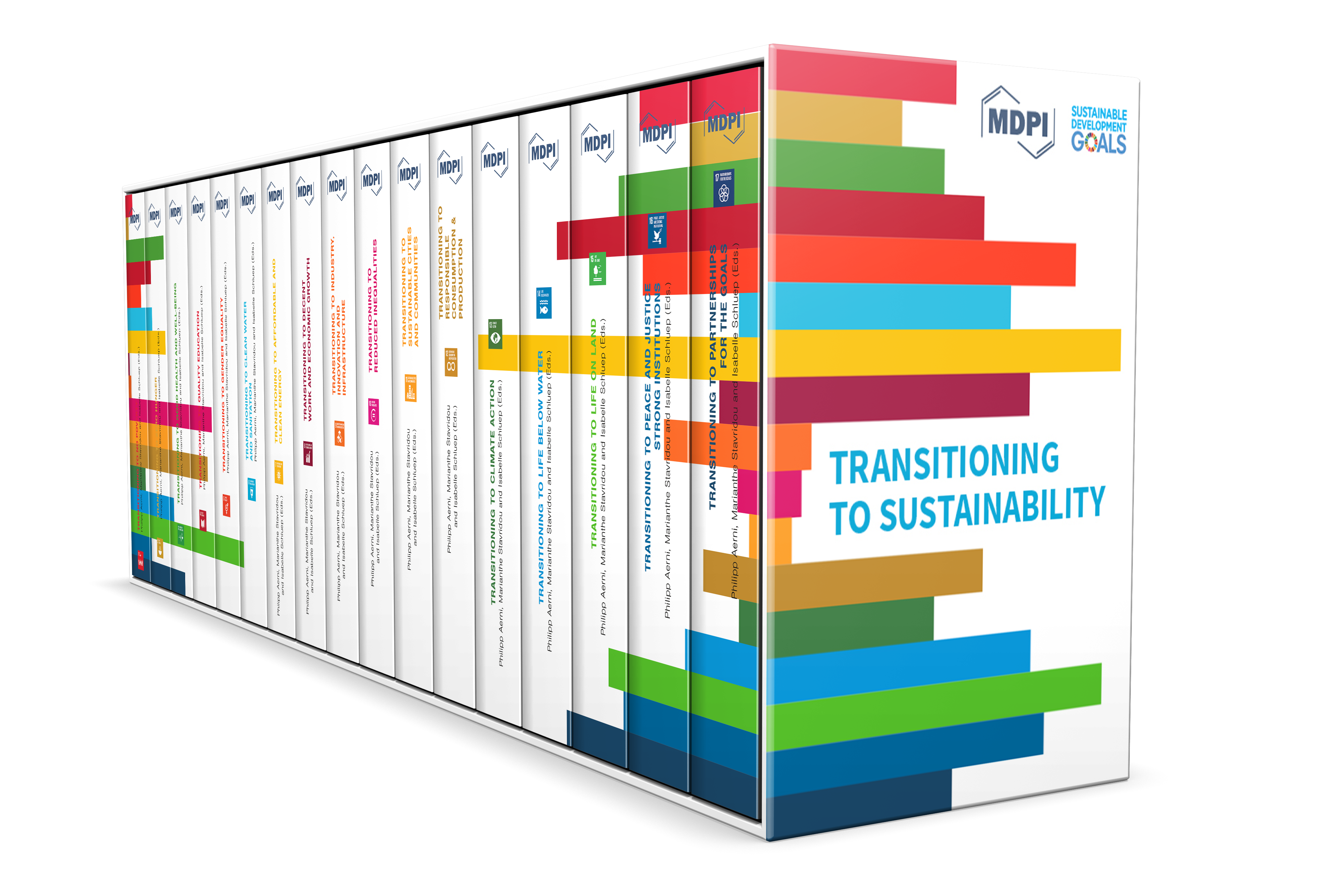
With a new Open Access book series centered on the SDGs, MDPI pursues environmentally and socially relevant research which contributes to efforts toward a sustainable world. Transitioning to Sustainability aims to add to the conversation about regional and global sustainable development according to the 17 SDGs. Set to be published in spring 2020, and coinciding with the SDGs’ 5-year anniversary, the book series is intended to reach beyond disciplinary, even academic boundaries.
In 17 volumes, Transitioning to Sustainability examines each of the 17 SDGs in its dynamic and multifaceted nature. Each volume will present approaches to, achievements of, and challenges for the respective SDG. Considering the complex links among the SDGs, each volume also highlights complementarities to, as well as trade offs with, other goals. To reflect the diversity of positions, each volume may include theory chapters, chapters presenting empirical research, position pieces, progress on important research programmes, and stakeholder initiatives.
In 17 volumes, Transitioning to Sustainability examines each of the 17 SDGs in its dynamic and multifaceted nature. Each volume will present approaches to, achievements of, and challenges for the respective SDG. Considering the complex links among the SDGs, each volume also highlights complementarities to, as well as trade offs with, other goals. To reflect the diversity of positions, each volume may include theory chapters, chapters presenting empirical research, position pieces, progress on important research programmes, and stakeholder initiatives.
In addition to the 17 volumes dedicated to the SDGs, one volume aims to cover a global perspective on sustainability and the SDGs. It is intended to set the SDGs into context, notably, in view of other agendas, such as the Paris Agreement. Also, it will respond to the 5-year anniversary of the SDGs.
For information, please contact our Book Editors at books@mdpi.com.
World Sustainability Award - Emerging Sustainability Leader Award
The World Sustainability Award and the Emerging Sustainability Leader Award are funded to encourage new initiatives and developments in sustainability with the ultimate aim to foster the transfer from sustainability research to sustainable practices and societies. In this spirit, sustainability is understood as the interdependence between economic, social, and environmental concerns for mutually beneficial regional and global development. Sustainability is associated with a multitude of academic disciplines, and it is circumscribed by the United Nations Sustainable Development Goals.
The World Sustainability Award, funded by the MDPI Sustainability Foundation, will be conferred upon individual researchers or research teams who have made an outstanding academic or societal contribution to sustainability in general, or to a sustainability-relevant issue in particular. A joint award, shared by up to three recipients, is possible. The award includes a monetary prize of USD 100'000.
The Emerging Sustainability Leader Award, funded by the MDPI journal Sustainability, will be conferred upon an individual researcher aged 40 or under at the time of the submission deadline, who has made an outstanding academic or societal contribution to sustainability in general, or to a sustainability-relevant issue in particular. The award includes a monetary prize of USD 10'000.
The World Sustainability Award, funded by the MDPI Sustainability Foundation, will be conferred upon individual researchers or research teams who have made an outstanding academic or societal contribution to sustainability in general, or to a sustainability-relevant issue in particular. A joint award, shared by up to three recipients, is possible. The award includes a monetary prize of USD 100'000.
The Emerging Sustainability Leader Award, funded by the MDPI journal Sustainability, will be conferred upon an individual researcher aged 40 or under at the time of the submission deadline, who has made an outstanding academic or societal contribution to sustainability in general, or to a sustainability-relevant issue in particular. The award includes a monetary prize of USD 10'000.
For more information, see https://wsforum.org/instructions