The 2nd International Electronic Conference on Antibiotics
Drugs for Superbugs: Antibiotic Discovery, Modes of Action And Mechanisms of Resistance
ECA2022 is closed. Thank you for your participation.
The recordings of ECA2022 live sessions are available at:
https://eca2022.sciforum.net/#recordings
The accepted proceedings papers will probably be published as one dedicated volume in journal Medical Sciences Forum (ISSN 2673-9992) after the conference.
All participants of ECA2022 are also welcome to submit the extended work to the Antibiotics (ISSN 2079-6382, IF 5.222) Special Issue "Drugs for Superbugs: Antibiotic Discovery, Modes of Action and Mechanisms of Resistance".
The ECA2022 two award winners have been announced at https://eca2022.sciforum.net/#awards.
the chairs
Antibiotics have proven to be powerful drugs for the control of infectious diseases and remain one of the most significant discoveries in modern medicine. The development of antimicrobial resistance is the consequence of decades of constant selective pressure via the underuse, overuse and misuse of therapeutic molecules, which highly benefit the extraordinary genetic capacities of microorganisms. The remarkable plasticity of bacterial genomes in addition to the capacity to acquire and transmit genetic determinants of resistance are conserved evolution strategies and have exacerbated the worldwide resistance problem.
The resistance of pathogenic bacteria to individual antibiotics is a great problem by itself. However, the emergence of multidrug-resistant strains represents an increasing complication in the treatment of bacterial infections. The worldwide spread of multidrug-resistant microorganisms is increasingly drawing the attention of global surveillance authorities, being undoubtedly rated as a major threat in the 21st century. Each year, circa 13 million deaths in the world are attributed to the emergence of new infectious diseases or to new resistance determinants. A harsh prediction for the close future is that the treatment of certain types of severe infections will come to a therapeutic dead end. This situation raises the fear of a "post-antibiotic era" of resistant superbugs, a prediction that is made more real each day. This is particularly critical for Gram-negative bacteria.The quest for new antimicrobials to overcome resistance problems has long been a top research priority. However, scientific difficulties and low financial returns have led to the withdrawal of many pharmaceutical companies from antibiotic R&D. On the other hand, academia is still highly prolific in R&D on antibiotic discovery from the most diverse sources, their modes of action and mechanisms of resistance.
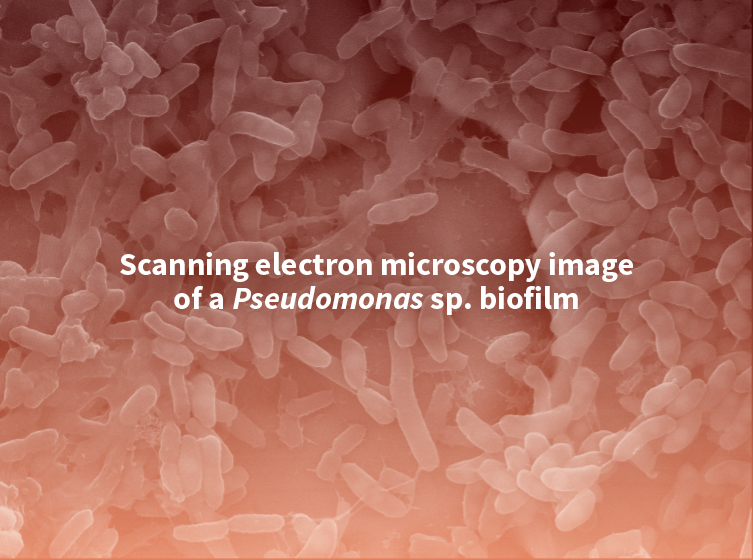
The role of antibiotics cannot be overestimated. Actions for improving their clinical performance and/or developing more sophisticated systems to effectively treat infectious diseases are needed. Nowadays, we know that bacteria will resist and persist all kinds of antibiotics. This is easy to understand if we consider that bacteria, during the course of their evolution, faced situations even more difficult than antibiotic exposure. Additionally, this becomes worst when bacteria act as a community, as a biofilm.
It is our aim that this event can provide an opportunity to representatives of academia, industry and health services to discuss and advance our current knowledge on how to control microorganisms.
We welcome discussions of the following topics at the event:
- Drug discovery and development—from natural sources to (bio)synthesis;
- Drug repurposing for antimicrobial therapy;
- Antibiotic recycling and resistance modifiers;
- Virtual screening;
- Susceptibility testing;
- Mechanisms of action;
- Anti-virulence;
- Pharmacological parameters, including in vitro or in vivo modelling studies;
- Novel delivery systems for antimicrobials;
- Mechanisms of resistance—from natural to acquired;
- Cross-resistance;
- Ohmics in antibiotic action and resistance;
- Epidemiology and the emergence of antimicrobial resistant pathogens;
- Clinical trials and clinical cases of antimicrobial resistance;
- Antibiotics and interfaces.
Meet Our Chairs
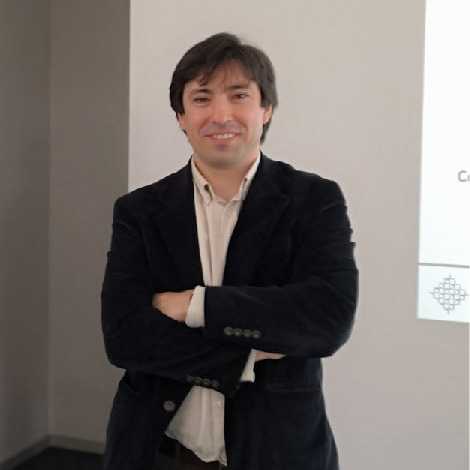
Department of Chemical Engineering, Faculty of Engineering, University of Porto, Portugal;Manuel Simões has a PhD in Chemical and Biological Engineering and is currently Associate Professor with Habilitation at the Faculty of Engineering of the University of Porto, where he is Pro-Director. He has more than 180 papers published in journals indexed in JCR (h-index = 48), 4 books (1 as author and 3 as editor) and more than 40 chapters in books. His research focusses on biofilms and antimicrobial action and resistance. He has been highlighted as a highly cited author in 2020 and 2021 by Clarivate Analytics. SCOPUS ID: 55608338000; Orcid ID: 0000-0002-3355-4398.
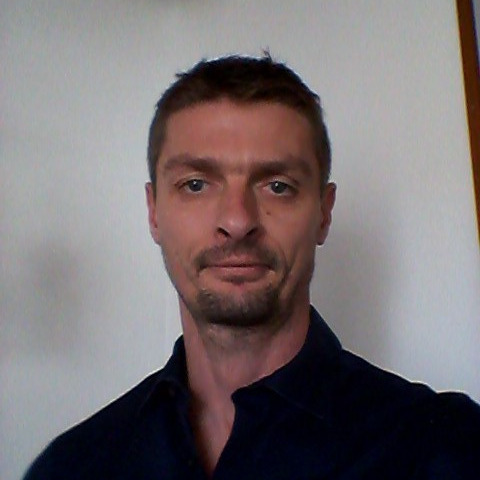
CNRS, Aix-Marseille University, Centrale Marseille, iSm2, Marseille, France;Dr. Marc Maresca is currently a researcher at Aix-Marseille Université. He received his Ph.D. in Biochemistry from the Université Paul Cézanne (France, 2003) working on food contaminants named mycotoxins. In 2003, he moved to England to work on enteropathogenic E coli in Brendan Keny’s lab. Then, he moved back to France to continue his work on mycotoxins and their effects on human health. He is currently working at Aix-Marseille Université and his research aims to identify and develop new molecules—natural, synthetic, or bio-inspired—with antimicrobial properties. He focuses on antimicrobial peptides and their mimics as well as on plant derivatives; in addition to their antimicrobial effects, they may possess additional activities such as anti-inflammatory and anti-tumorigenic effects.
Important Dates
15 Apr
2022
30 Apr
2022
10 May
2022
Meet Our Speakers
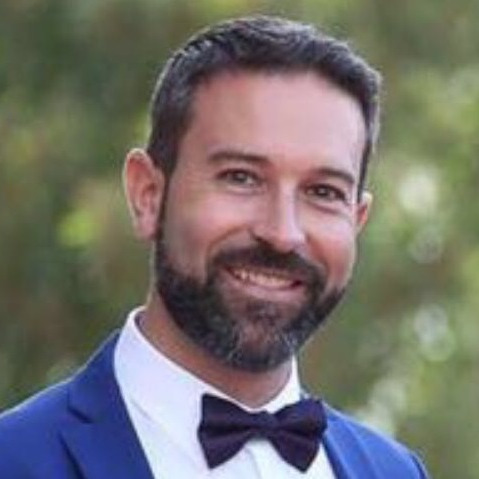
Department of Pharmacy, University “G. d'Annunzio” of Chieti-Pescara, Chieti, Italy;Prof. Simone Carradori completed his PhD in “Pharmaceutical Sciences” at the Sapienza University of Rome (Italy) and is currently an Associate Professor in medicinal chemistry at the Department of Pharmacy, “G. d’Annunzio” University of Chieti-Pescara (Italy). Prof. Carradori has collaborated and still collaborates with several departments abroad. His scientific activity is mainly focused on the synthesis and characterization of heterocyclic derivatives and the extraction/modification of natural compounds. These contributions have led to the discovery of new biologically active agents, characterized by in vitro, in vivo, and in silico studies, as well as drug repositioning in cancer and antimicrobial therapy, documented in about 212 papers in international peer-reviewed journals, one European patent, and participation in numerous conferences. Moreover, Prof. Carradori is a member of the Editorial Board of several peer-reviewed journals (Hirsch index: 42; citations: ~5852).
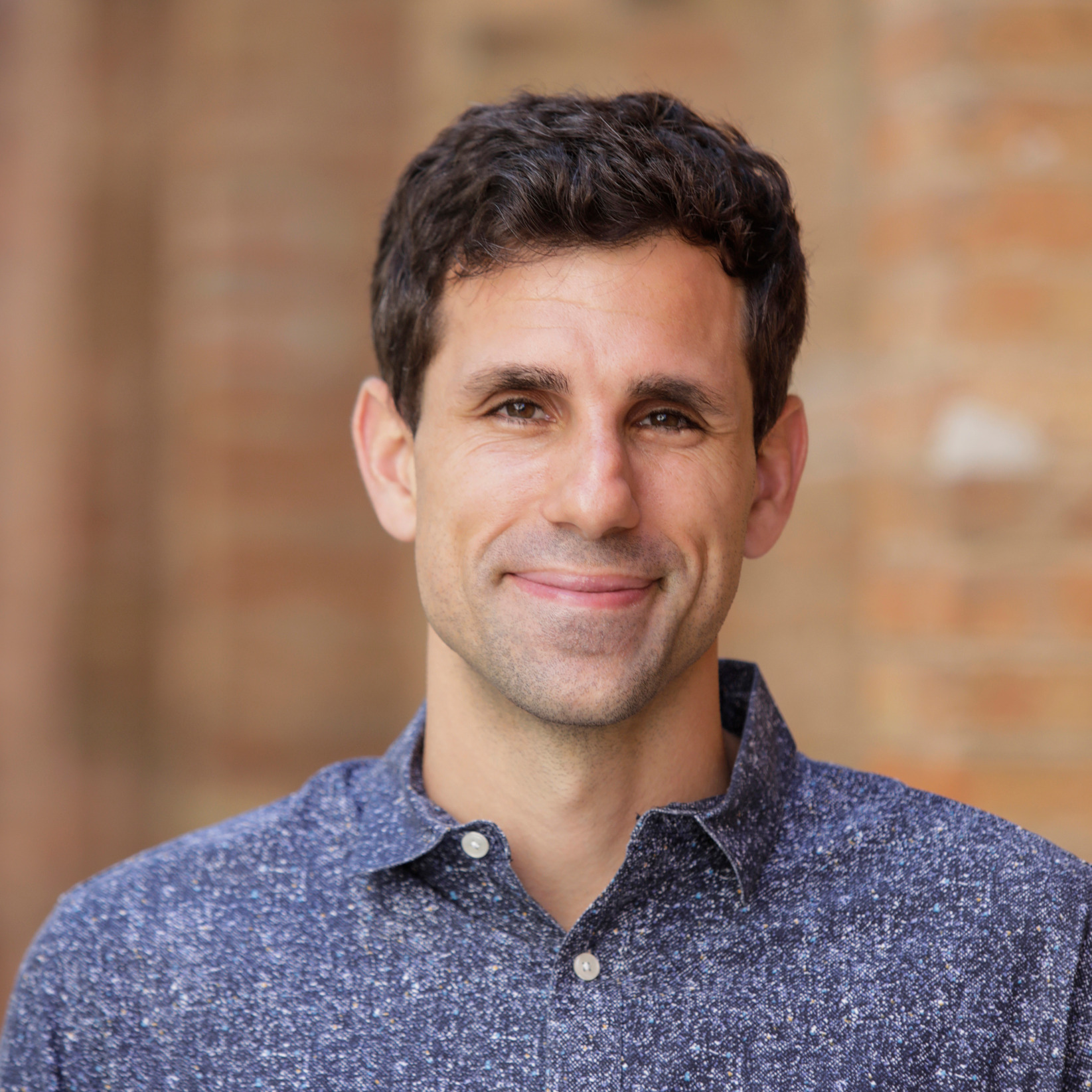
Department of Bioengineering, University of Pennsylvania, USA;César de la Fuente is a Presidential Assistant Professor at the University of Pennsylvania, where he leads the Machine Biology Group whose goal is to combine the power of machines and biology to help prevent, detect, and treat infectious diseases. Specifically, he pioneered the development of the first antibiotic designed by a computer with efficacy in animals, designed algorithms for antibiotic discovery, reprogrammed venoms into antimicrobials, created novel resistance-proof antimicrobial materials, and invented rapid low-cost diagnostics for COVID-19 and other infections. De la Fuente is an NIH MIRA investigator and has received recognition and research funding from numerous other groups. Prof. de la Fuente has received over 50 awards. He was recognized by MIT Technology Review as one of the world’s top innovators for “digitizing evolution to make better antibiotics”. He was selected as the inaugural recipient of the Langer Prize, an ACS Kavli Emerging Leader in Chemistry, and received the AIChE’s 35 Under 35 Award as well as the ACS Infectious Diseases Young Investigator Award. In 2021 he received the Thermo Fisher Award and the EMBS Academic Early Career Achievement Award “For the pioneering development of novel antibiotics designed using principles from computation, engineering, and biology”. Most recently, Prof. de la Fuente was awarded the prestigious Princess of Girona Prize for Scientific Research in addition to the ASM Award for Early Career Applied and Biotechnological Research. Prof. de la Fuente has given over 150 invited lectures and his scientific discoveries have yielded around 100 publications, including papers in Nature Biomedical Engineering, Nature Communications, PNAS, ACS Nano, Cell, Nature Chemical Biology, and Advanced Materials, and multiple patents.
Institute of Medical Mycology, Teikyo University, Hachioji, Tokyo, Japan;Dr. Hiroshi Hamamoto studied at the Department of Pharmaceutical Sciences, Kyushu University (1994-1998), and the Grad. Sch. Of Pharm. Sci., Kyushu University (1998-2000). He belonged to the Lab. of Microbiology and studied disinfectant-resistant strains of Staphylococcus aureus. He moved to the Grad. Sch. of Pharm. Sci. at the University of Tokyo for his doctoral studies (2000-2002), during which he established a system to evaluate the quantitative therapeutic effects of antibiotics using a silkworm-based infection system. After graduation, he worked as an assistant professor at the University of Tokyo, where he researched the analysis of pharmacokinetics in silkworm (2003-2005) and the screening of the therapeutically effective antibiotics from soil bacteria culture supernatants using a silkworm bacterial infection model. From 2005 to 2008, He successfully identified a novel antibiotic, Lysocin E, by discovering antibiotics through the use of a silkworm infection model at the Genome Pharmaceuticals Institute. He then returned to the University of Tokyo as an assistant professor. He analyzed the mechanism of lysocin E (2008-2016), finding that lysocin E has a unique mode of action that is distinct from other known antibiotics. Presently, he is an associate professor at the Teikyo University Institute of Medical Mycology. He recently determined that host–microbe interaction enhances the therapeutic efficacy of lysocin E and elucidated the detailed mechanisms involved in this finding, which have been published in Nature Communications.
Riverside University Health System-Medical Center, 26520 Cactus Avenue, Moreno Valley, CA, USA;Professor Dr. Adriana E. Rosato is a clinical microbiologist/molecular biologist with special interests in the areas of infectious diseases/antimicrobial development and resistance. Her work on infectious diseases has extended for more than 25 years, covering both the clinical and basic aspects of molecular mechanisms and the regulation of multidrug-resistant pathogens (MDR). The overarching goal of her research program is to identify novel loci involved in resistance, as well as regulatory components that will contribute to the expansion of our knowledge on the biology of MDR, which may, ultimately, provide insights into common pathways that could become new targets for chemotherapy. Moreover, her mechanistic seminal basic studies on the antimicrobial resistance of MDR have contributed to paving the way for clinical patient management, mainly for those patients who are vulnerable to recurrent MDR caused by infections for which treatment options are limited, such as cystic fibrosis, cancer, and recalcitrant bacteremia. Her research has been continuously funded by NIH-NIAID, pharmaceutical agencies, and numerous foundations. She has invested a great amount of effort into contributing to and advising the field of antimicrobial resistance by participating in the revision of scientific advances and discoveries at the NIH and European Agencies; through this, she has had the opportunity to contribute to important decisions regarding funding and studies in the area of antimicrobial resistance. She is an advisor consultant of pharmaceutical companies and the WHO division of antimicrobial resistance. Moreover, over the years, she has shown a strong commitment to mentoring young investigators, and has served and is currently serving as a primary mentor for several individuals. Aside from her activities, in the last two years, she has led the efforts of the COVID-19 pandemic at the Riverside University Health System, Medical Center, Riverside, CA, from diagnostics, genomics, the evolution of COVID-19 variants to research.
UCL School of Pharmacy, University College London, London WC1N 1AX, UK;Mire Zloh was a Visiting Professor at the UCL School of Pharmacy until January 2021, when he took position of a Teaching Fellow at the same institution. He is an Emeritus Professor of Medicinal Chemistry with University of Hertfordshire, where he was the Head of Pharmaceutical Chemistry and Research Professor from January 2013 until September 2017. He also acts as Innovation Advisor to the Dean of the Faculty of Pharmacy, University Business Academy in Novi Sad Serbia. His research interests are in the areas of computer-aided molecules, antimicrobial peptides, and formulation design and structural chemistry. Most notably, Prof. Zloh proposed that modulators of multidrug resistance might form complexes with substrates of efflux pumps to act as “escort” molecules and deliver drugs to the site of action, which may provide an additional route in the design of adjuvant therapies to treat infections by resistant bacteria. In efforts to develop polymer-based drug delivery systems, a method was develop to translate monomeric linear sequences into a full atomistic model of a hyperbranched molecule. His research resulted in over 125 peer-reviewed articles (h- index 31).

Department of Health Promotion, Mother and Child Care, Internal Medicine and Medical Specialties, University of Palermo, Palermo, Italy;Dr Fasciana (PhD, and microbiologist) is an under-40 researcher with extensive experience in the culture of bacteria and yeasts. She collaborated with a scientific project at the University of Palermo from 2010 on the quality of research. Since November 2019, Dr Fasciana has been appointed as an Assistant Professor at the Department of Health Promotion, Mother and Child Care, Internal Medicine, and Medical Specialties University of Palermo. Her current research interests include antimicrobial resistance, medical biofilms, and in vitro studies on the antibacterial activity of new drugs.
Department of Molecular Biology, University of Gdańsk, Gdańsk, Poland;Grzegorz Wegrzyn graduated from the University of Gdansk, Poland. In 1987 he obtained an MSc degree in biology, and in 1991 a PhD degree in molecular genetics. His PhD thesis was focused on the regulation of DNA replication in starved cells. Then, in 1991, he was a research fellow at the Department of Biochemistry, University of Nottingham Medical School (UK), where he worked on the mechanisms of gene expression regulation in bacteria. In 1992 he was a post-doctoral researcher at the Center for Molecular Genetics, University of California at San Diego (USA), where he investigated the regulation of viral DNA replication. Since 1996 he has been a Professor and the Head of the Department of Molecular Biology at the University of Gdansk (Poland). In his laboratory, several projects are being conducted, focused mainly on the regulation of gene expression and DNA replication, the control of bacteriophage development, the use of bacteriophages in biotechnological applications, and the mechanisms and new treatment methods of human genetic and neurodegenerative diseases. Grzegorz Wegrzyn has been a co-author of over 400 scientific articles in peer-reviewed journals and over 600 communications for scientific conferences. He has supervised 54 PhD theses, and led over 30 research projects with both national and international grants. He is a member of the American Society for Biochemistry and Molecular Biology, American Society for Microbiology, Society for Experimental Biology and Medicine, and International Society for Plasmid Biology. He is an editor of several scientific journals, including FEMS Microbiology Reviews, Microbial Cell Factories (Editor-in-Chief), Metabolic Brain Disease (Deputy-Chief-Editor), Plasmid, Oxidative Medicine and Cellular Longevity, Scientific Reports (Senior Editor), and Acta Biochimica Polonica (Editor-in-Chief).
School of Chemistry and Molecular Bioscience, University of Wollongong, Wollongong, Australia;Aaron Oakley graduated with a PhD from the University of Melbourne in 1997. He helped to establish a new structural biology laboratory at the University of Western Australia from 1998 to 2003, solving a wide range of structures from mosquito-detoxifying enzymes responsible for pesticide resistance to bacterial dehalogenases for bioremediation applications. He was appointed Fellow at the Research School of Chemistry at the Australian National University in 2004. After a two-year interlude at the Division of Molecular and Health Technologies in the Commonwealth Scientific and Industrial Research Organisation (2008–2009), he was in 2010 awarded an ARC Future Fellowship to establish structural biology at the University of Wollongong. The laboratory moved to the new Molecular Horizons Institute in that university in 2019.
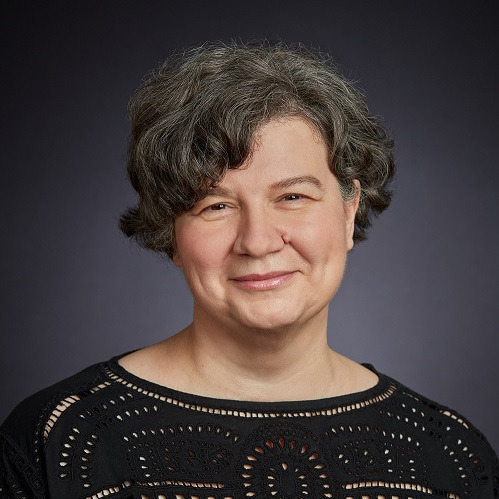
University of Oklahoma, USA;Helen Zgurskaya, Ph.D., M.S., is a George Lynn Cross professor of chemistry and biochemistry at the University of Oklahoma, where she leads a research program on antibiotic discovery and resistance, multidrug efflux mechanisms, and efflux pump inhibitors. She is a founder of the university’s Center for Antibiotic Resistance and Discovery, an international team composed of 13 research groups spread across five academic campuses and the Oak Ridge and Los Alamos national laboratories. Zgurskaya has written more than 80 papers, several book chapters and is a co-editor of a book. She is also an associate editor of the ACS Infectious Diseases journal and a member of the editorial board of the Antimicrobial Agents and Chemotherapy and Frontiers in Microbiology journals. She received a master’s degree in microbiology from Dnepropetrovsk State University, Ukraine, a doctorate in microbiology from the Russian Academy of Sciences, Russian Federation, and was a postdoctoral researcher at the Stanford University School of Medicine and the University of California, Berkeley.
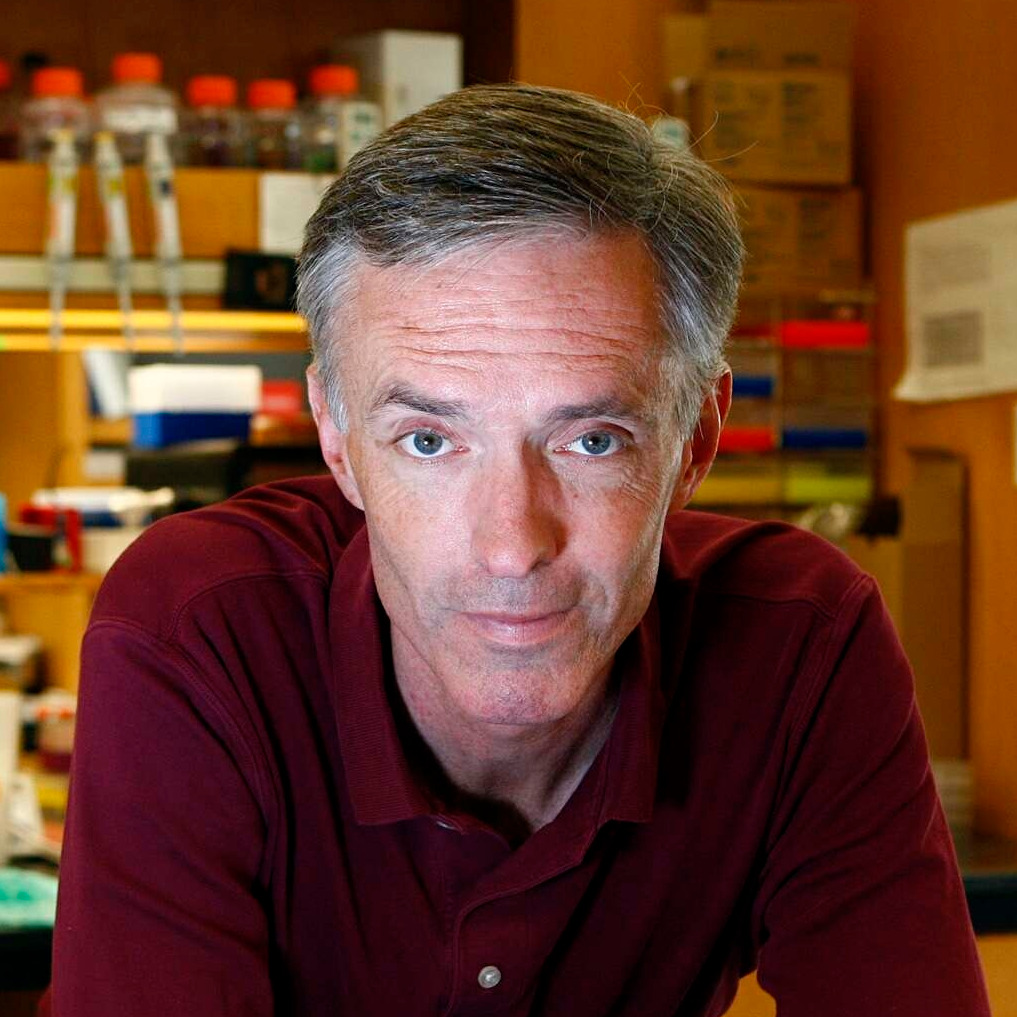
Prof. James J. Collins
Department of Biological Engineering Massachusetts Institute of Technology; Wyss Institute, Harvard University; Broad Institute of MIT and Harvard, Cambridge MA, USA;Jim Collins is the Termeer Professor of Medical Engineering and Science and Professor of Biological Engineering at MIT, as well as a Member of the Harvard-MIT Health Sciences and Technology Faculty. He is also a Core Founding Faculty member of the Wyss Institute for Biologically Inspired Engineering at Harvard University and an Institute Member of the Broad Institute of MIT and Harvard. He is one of the founders of the field of synthetic biology, and his research group is currently focused on using synthetic biology to create next-generation diagnostics and therapeutics. Professor Collins’ patented technologies have been licensed by over 25 biotech, pharma, and medical devices companies, and he has co-founded a number of companies, including Synlogic, Senti Biosciences, Sherlock Biosciences, and Cellarity, as well as Phare Bio, a non-profit focused on AI-driven antibiotic discovery. He has received numerous awards and honors, including a Rhodes Scholarship and a MacArthur “Genius” Award, and he is an elected member of all three national academies—the National Academy of Sciences, the National Academy of Engineering, and the National Academy of Medicine.
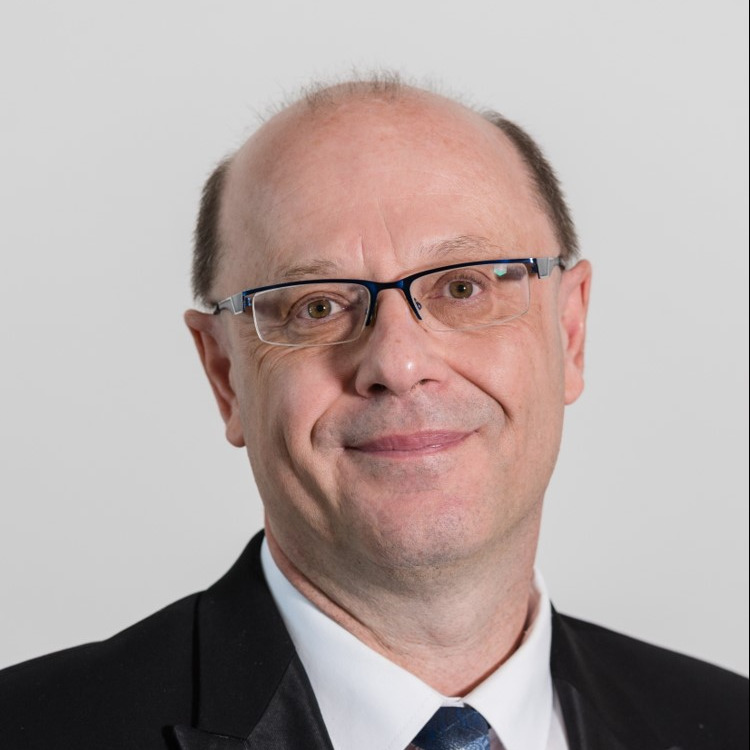
Faculty of Medicine and Dentistry and University Hospital Olomouc, Palacky University, Olomouc, Czech Republic;Milan Kolář, MD, PhD is currently the head of the Department of Microbiology, University Hospital Olomouc, Czech Republic, and a full professor at the Faculty of Medicine and Dentistry, Palacký University Olomouc. He obtained his PhD degree in 1999 and habilitation in 2001 at Palacký University Olomouc. In 2007, he was appointed Professor of Medical Microbiology at Masaryk University, Czech Republic. His scientific activity is mainly focused on bacterial infections, antimicrobial resistance, antibiotic treatment, and development of new antibacterial drugs. He is the first author or co-author of 160 scientific publications indexed in the Web of Science, with a citation rate of 5419 and an h-index of 29. Prof Kolář is a member of editorial boards of several peer-reviewed journals (including Antibiotics and Life) and the editor-in-chief of the Czech journal Clinical Microbiology and Infectious Diseases. Further, he is the chair of the Czech Medical Association’s Society of Physicians in Olomouc and the scientific secretary of the Czech Medical Association’s Society for Medical Microbiology. More information is available at: https://mikrobiologie.fnol.cz/.
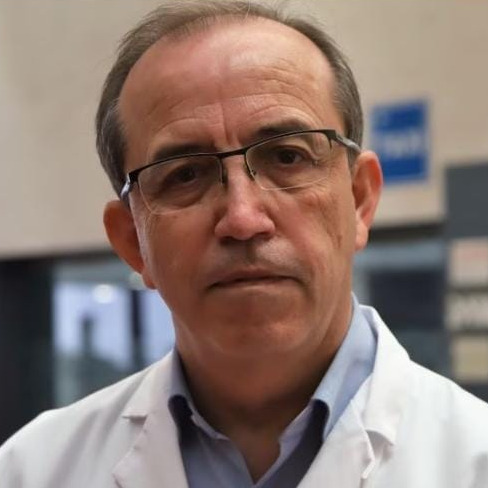
Microbiology Unit, Reina Sofia University Hospital, IMIBIC, Department of Agricultural Chemistry, Edafology and Microbiology, University of Cordoba, Cordoba, Spain;Prof. Luis Martínez Martínez is Head of the Unit of Clinical Microbiology at Reina Sofia University Hospital (RSHU) and Titular Professor of Microbiology at the School of Medicine of the University of Cordoba. He leads the IMIBIC research group “Clinical and Molecular Microbiology”. He is the President of the Andalusian Society of Microbiology and Parasitology (SAMPAC) and has been the Secretary of the Spanish Society of Infectious Diseases and Clinical Microbiology (SEIMC). He acted, from 2011 to 2020, as President of the Spanish Committee of the Antibiogram (COESANT), from 2012 to 2014 as member of the Executive Committee of EUCAST, and from 2013 to 2016 as a member of the Scientific Committee on Emerging and Newly Identified Heath Risks (SCENIHR), European Commission, DG Health and Consumers. Prof. Martínez Martínez has supervised 13 PhD theses. He is a member of numerous national and international evaluation panels. He has served as Editor of Enfermedades Infecciosas y MiIcrobiologia Clínica and is a reviewer for multiple peer-review journals. Prof. Martínez Martínez has considerable experience in the fields of antimicrobial resistance and new diagnostic methods in clinical microbiology, with 398 scientific publications, over 12,600 citations and an h-index of 62. He has been awarded 25 projects in competitive national and international funding. He has given over 160 talks as an invited speaker and received over 50 invitations to chair scientific sessions and has been a member of organizing committees for international and national meetings.
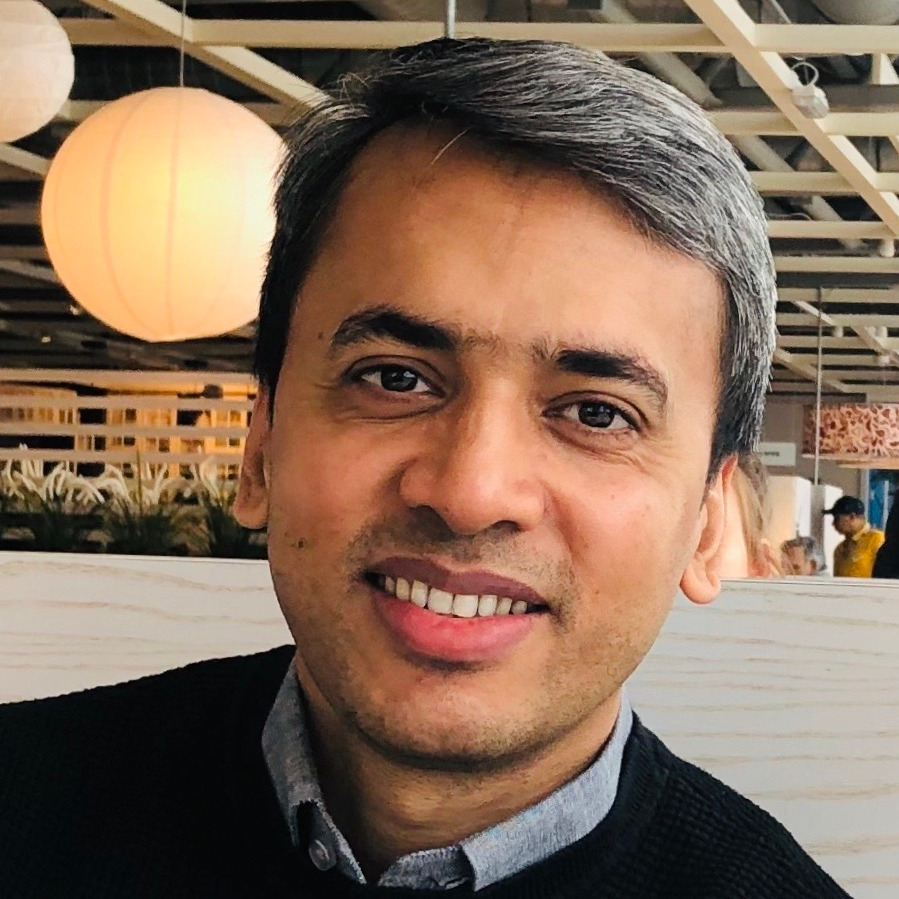
School of Cancer and Pharmaceutical Science, King's College London, London, UK;Miraz Rahman is a Professor of Medicinal Chemistry in the School of Cancer and Pharmaceutical Sciences, King’s College London. After working three years in the industry, he went back to academia and obtained his PhD from the School of Pharmacy (currently UCL School of Pharmacy) in synthetic medicinal chemistry. His research activities are focused on the application of advanced computational chemistry, synthetic medicinal chemistry and chemical biology techniques to the design, synthesis and evaluation of novel drug-like chemical scaffolds as anticancer and anti-infective agents. He joined King’s College London in 2012 and currently holds the position of Chair in Medicinal Chemistry and Antimicrobial Research Theme Lead of Institute of Pharmaceutical Science. He is working with the UK Health Security Agency to develop new-generation, efflux-resistant antimicrobials and new chemical tools to study antimicrobial resistance (AMR). His research group has invented new classes of efflux-resistant antibiotics and antifungal agents that are currently being commercialised. Professor Rahman has experience in both early- and late-stage drug discovery and translational research, co-founding Transcriptogen Ltd (2013), Femtogenix Ltd (2015) and the antibiotic company Necobiotix Ltd (2020).

Department of Civil and Environmental, University of Maryland, College Park, MD, USA;Dr. Junyan Liu is a research associate and postdoctoral fellow at the University of Maryland, College Park. She obtained her Ph.D. degree from South China University of Technology in 2019 and studied at the University of Tennessee Health Science Center from 2016 to 2017. In 2019, she was appointed a Distinguished Visiting Scientist at Rajamangala University of Technology Phra Nakhon in Thailand. Her major research fields include microbial biofilms, antimicrobial resistance, the VBNC state, and polymicrobial interaction. She has published 42 papers as the first or corresponding author, with a total impact factor of 160. She was awarded the Bronze Prize at the first National Postdoctoral Innovation and Entrepreneurship Competition in 2021; was heralded as the “Outstanding Young Investigator Award in Biofilms” by Antibiotics (IF 4.639); and was the 2020 Postdoc Research Showcase 2nd Place Winner in Tennessee, USA. She is also an Editorial Board Member of the journals Annotations and Bioengineered and a Guest Editor for 6 journals.
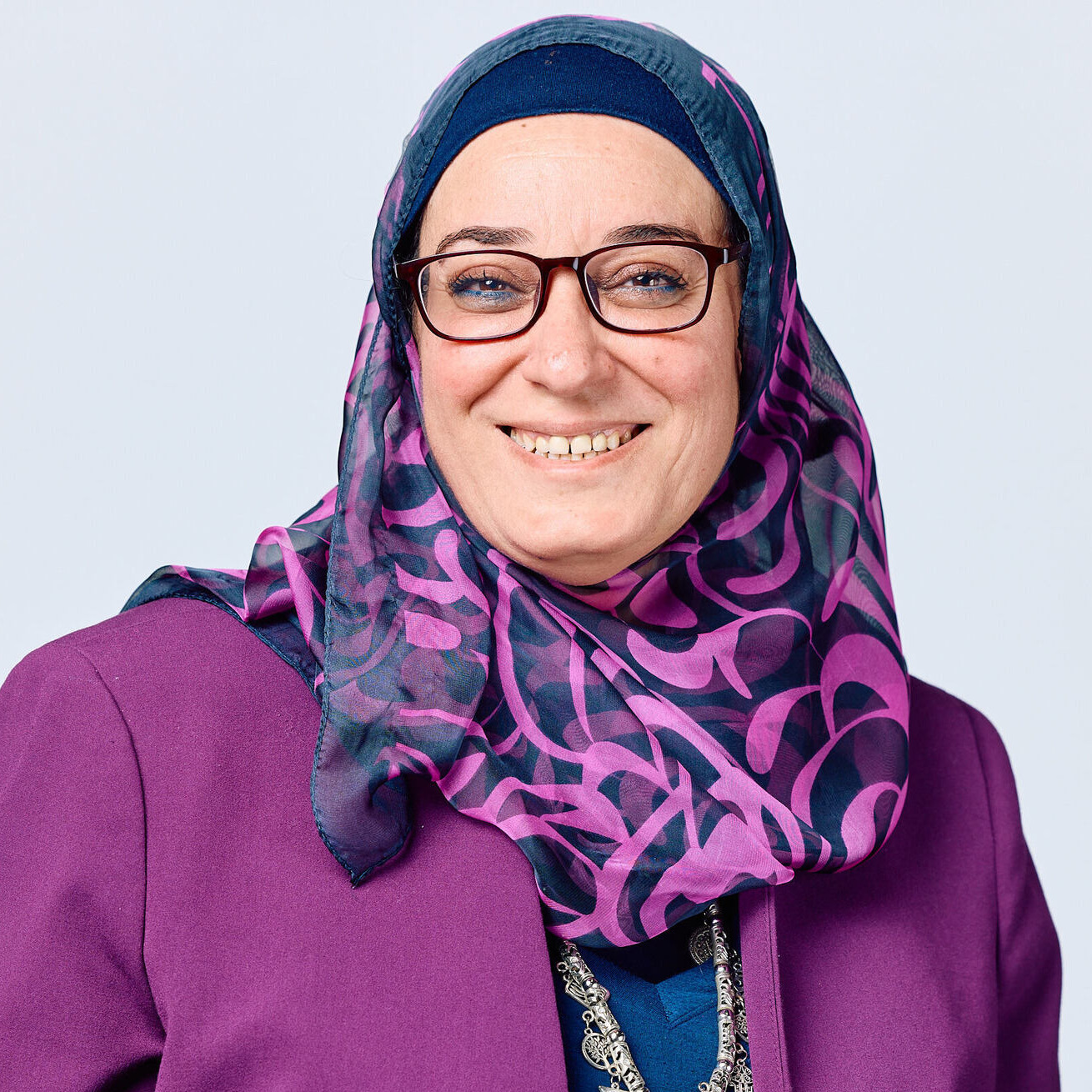
Department of Biomedical Engineering and Chemical Engineering, The University of Texas at San Antonio, San Antonio, TX, USA;Nehal I. Abu-Lail received her B.S. and M.S. degrees in Chemical Engineering from Jordan University of Science and Technology. She earned her Ph.D. in Chemical Engineering from Worcester Polytechnic Institute in 2004. She has been an Associate Professor at the University of Texas San Antonio in the Department of Biomedical Engineering and Chemical Engineering since August 2018. Prior to that, she was an associate professor at the Gene and Linda Voiland School of Chemical Engineering and Bioengineering at Washington State University. Her research is focused on the fundamental understanding of physiochemical cellular properties and interactions in environmental and biomedical systems. She has published over 60 technical articles and presented her research in over 200 national meetings. She is currently teaching the courses “Transport Phenomena I and II” in Chemical Engineering.
Keynotes
Speaker: Nehal I. Abu-Lail
Presentation Title: Atomic force microscopy investigations of the outer membranes of persister multidrug resistant (MDR) Escherichia coli
Live Session 1 - 23 June 2022
Live Session 2 - 24 June 2022
Live Session 3 - 27 June 2022
Live Session 4 - 28 June 2022
Ms. Lois Liu
Ms. Kristine Wang
MDPI Branch Office, Beijing
E-mail: eca2022@mdpi.com