The 4th International Electronic Conference on Environmental Research and Public Health — Climate Change and Health in a Broad Perspective
ECERPH-4 is closed. Thank you for your participation.
The accepted proceedings papers will probably be published as one dedicated volume in journal Environmental Sciences Proceedings (ISSN 2673-4931) after the conference.
All participants of ECERPH-4 are also welcome to submit the extended work to the IJERPH (ISSN 1660-4601, IF 4.614) Special Issue "Selected Papers from the 4th International Electronic Conference on Environmental Research and Public Health—Climate Change and Health in a Broad Perspective" with a 15% discount on the article processing charges.
the chairs
Dear Colleagues,
We are proud to invite you to the 4th electronic conference, with the topic of Climate Change and Health in a broad perspective.
This means that we invite papers on a wide variety of health consequences of climate change in all regions of the world. The health effects could be very different if we increase the temperature from 5 to 10 °C compared to an increase from 35 to 40 °C. If we look at the mortality causes associated with climate change, the burden is obviously higher in tropical areas. However, if we add morbidity and complications for, e.g., reproductive health and pregnancy care, the situation might be very different. The spread of infectious diseases related to vector migration is also a very important topic, as is the situation of environmental exposure to contaminants and occupational health. We leave these topics to you with an open mind. Please participate and contribute to a high-quality conference with good science, and good and important messages to stakeholders and policy-makers around the world. We wish you a warm welcome to our electronic conference.
Relevant topics could include:
Reproductive Health and Climate Change
Vector Migration from a Climate Perspective
COVID-19 from a Climate Perspective
The Forgotten Tropical Diseases from a Climate Perspective
Cardiovascular Diseases and Climate Change
Occupational Health and Temperature Change
We are also open to alternative topics of high scientific quality.
Kind regards,
Prof. Dr. Jon Øyvind Odland
Chair of the 4th International Electronic Conference on Environmental Research and Public Health
Meet Our Chairs

Norwegian University of Science and Technology, Trondheim, Norway.;Jon Øyvind Odland, MD, PhD, is a Professor of Global Health at NTNU, the Norwegian University of Science and Technology, and a specialist in GYN/OB, environmental medicine, and epidemiology. He has worked on mother/child programs in more than 20 countries, focusing mostly on the Arctic, southern Asia, and Africa. His studies have mostly focused on the impact of the environment and infectious disease on fetal development and pregnancy outcome. He has a scientific production of ca. 200 peer-reviewed papers and is now involved in a new study on the impact of the COVID-19 pandemic on healthcare workers, the healthcare system, and the general population in southern Africa.
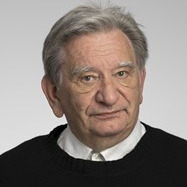
University of the Faroe Islands, Tórshavn, Faroe Islands;For over 30 years, Dr. Pál Weihe has led the Department of Occupational Medicine and Public Health in the Faroe Islands and, for part of this period, as Medical Director of the Faroese Hospital System. He also is an Adjunct Professor at the University of the Faroe Islands, a Visiting Scientist at the Harvard T.H. Chan School of Public Health, and a Visiting Scientist at the Institute of Public Health at the University of Southern Denmark. Between 2005 and 2016, Dr. Weihe served as Chair of the Faroese Board of Public Health. Dr. Weihe is deeply committed to serving his community through the provision of medical care and devotion to his work on minimizing community exposures to marine contaminants. Specifically, he has conducted the examinations of over 3000 Faroe Islanders of five prospective studies of birth cohorts exposed to marine contaminants associated with neurotoxicity, growth, and development, immunotoxicity, and endocrine disruption. He is also involved in other research areas such as reproductive toxicological studies of time to pregnancy and semen quality as well as age-related functional deficits and degenerative diseases, such as Parkinson’s disease and cardiovascular diseases, concerning lifetime exposure to methylmercury and persistent lipophilic contaminants. Dr. Weihe has published more than 200 scientific papers in peer-reviewed scientific journals and books.

the Arctic University of Norway, Tromsø, Norway;Professor in pediatrics at UiT, the Arctic University of Norway; senior consultant, Department of Pediatrics, University Hospital of North Norway (UNN), Tromsø, Norway.
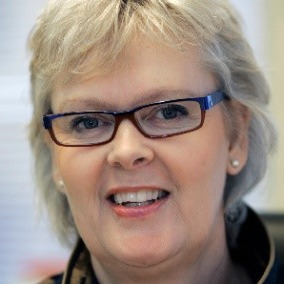
Norwegian University of Science and Technology, Trondheim, Norway;Elisabeth Darj, MD, PhD, the first professor in Global Health at NTNU, Swedish obstetrician and gynecologist, has been working in clinical, education and research settings for more than 40 decades. Her research focuses on reproductive health, mainly in low-income countries, supervising PhD, Master’s, medical, and midwifery students. Darj started a new two-year international Master’s Program in Global Health at NTNU in 2015 and was the first Director of the National Research School in Global Health for PhD students, collaborating with all major universities in Norway. Previously, Darj was the head of the clinical Dept of Obs&Gyne in Uppsala and is now visiting Professor at Uppsala University, head of the scientific committee for research and development at Dept of Obs&Gyne, St Olavs Hospital in Trondheim, authorized Medical Doctor in Norway and Sweden, member of Royal Norwegian Society of Sciences and Letters and now Prof Emerita at NTNU.
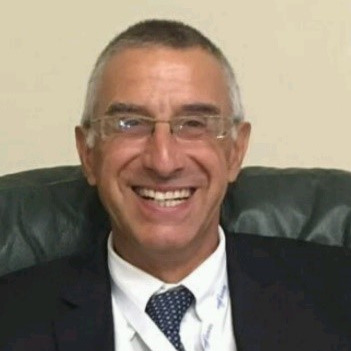
The Italian Scientific Society of Hygiene, Italy;Giovanni Gabutti is professor of Hygiene and Preventive Medicine at the University of Ferrara, Ferrara, Italy, MD, specialist in Hygiene and Preventive Medicine, and in Microbiology and Medical Virology. He has worked and still works on epidemiology and public health. His area of expertise includes epidemiology and the prevention of vaccine-preventable infectious diseases. He has been involved in several RTCs on new vaccines as well as research projects promoted by the Ministry of University. He is chief of the Post-graduate School of Hygiene and Preventive Medicine, University of Ferrara, Ferrara, Italy and has a scientific production of approximately 170 peer-reviewed papers. Keywords: vaccine-preventable infectious diseases; epidemiology; vaccines; immunization; prevention; public health

North-Western State Medical University, Saint-Petersburg, Russia;Valerii Chashchin has served as the Principal investigator (PI) and Co-PI for more than 30 international and all-national research projects in Public Health, Human Toxicology, Occupational, and Environmental Health, Epidemiology of communicable and non-communicable diseases, primarily in Arctic communities and other areas of ecological crisis. He has also served as the supervisor for 38 PhD students and as the designated expert of the Russian Federation in the Working Groups of the Arctic Council (AMAP and SDWG). Currently, he is the lead expert in the AC project "Biosecurity in the Arctic" (2021-2023).
Important Dates
10 Aug
2022
19 Aug
2022
11 Oct
2022
Meet Our Speakers
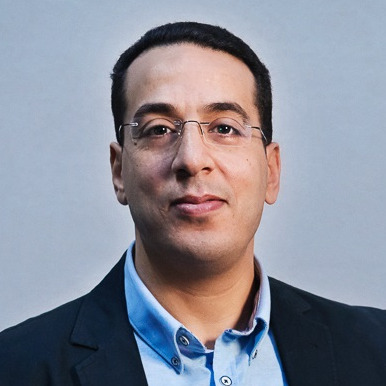
University of Oulu, Finland;A Senior Toxicologist at Arctic Health, Faculty of Medicine, University of Oulu, Finland. In 2010, he received his PhD from Faculty of Medicine, University of Oulu, Finland, specializing in environmental toxicology and human health risk assessment. In 2011, he has accorded the title of a Certified European Registered Toxicologist ‘ERT’ by the Federation of European Toxicologists & European Societies of Toxicology EUROTOX. In 2014, he has granted Adjunct Professor in Environmental Toxicology from the University of Helsinki, Finland.
University of Oulu, Finland;Dr Rautio has been working in the topic of Arctic health and well-being since 2006. Her main research interests are on One health and climate change, Indigenous health and wellbeing, and research ethics. She is PI in several research projects funded by EU or national fundings and acting as a national key expert in the Human Health groups of the AMAP and member of SDWG of the Arctic Council. She is a board member of IUCH and Chair of NSCH, and a board member of the Arctic Society of Finland (2021-).
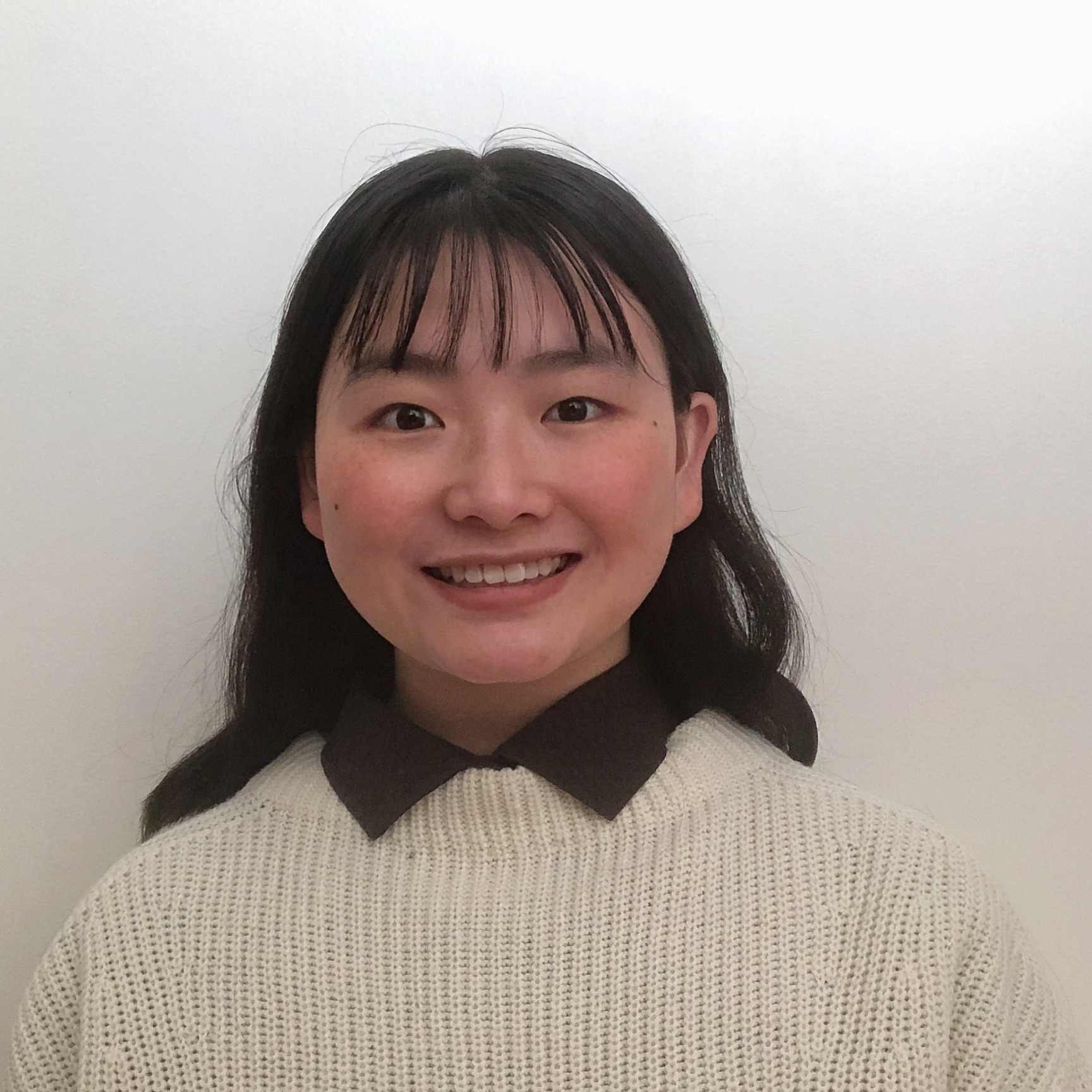
Norwegian University of Science and Technology, Norway;Shanshan Xu is a PhD candidate at the University of Bergen, Norway. Her research career has focused on the respiratory and environmental epidemiology. She has participated in several research projects about maternal environmental contaminants exposure and birth outcomes, endocrine disrupting chemicals, air pollution exposure and lung health. She is interested in statistics, education, and environmental policy.

Norwegian University of Science and Technology, Norway;Jon Øyvind Odland, MD, PhD, is a Professor of Global Health at NTNU, Norwegian University of Science and Technology and a specialist in GYN/OB, environmental medicine, and epidemiology. He has worked on mother/child programs in more than 20 countries, these days focusing mostly on the Arctic, southern Asia, and Africa. His studies have mostly focused on the impact of the environment and infectious disease on fetal development and pregnancy outcome. He has a scientific production of ca. 200 peer-reviewed papers and is now involved in a new study on the impact of the COVID-19 pandemic on healthcare workers, the healthcare system, and the general population in southern Africa.
Sessions
Explore more details



During the e-conference, four live sessions have been scheduled. We have invited some speakers to share their latest research. Also, a number of excellent submissions have been selected, and these works will be presented during the live sessions by the authors. During each live session, the participants will have the chance to ask questions in the “open for discussion” section.
The live sessions are free for everyone. If you are interested in attending, please register in advance for your chosen session by clicking the "Webinar Registration" buttons which are showing in below live sessions program.
Live Session 1
Live Session 2
Ms. Sylvia Li
Ms. Louisa Zhou
MDPI Branch Office, Beijing, China
E-Mail: ecerph-4@mdpi.com
For information regarding sponsoring opportunities, please contact the conference secretariat.