The 1st International Electronic Conference on Processes: Processes System Innovation
ECP2022 is closed. Thank you for your participation.
The recordings of ECP2022 live sessions are available at:
https://sciforum.net/event/ECP2022#recordings
The accepted proceedings papers will probably be published as one dedicated volume in MDPI Engineering Proceedings (ISSN:2673-4591) after the conference.
After the conference, the Conference Committee will recommend manuscripts that may be included for publication in the Special Issue.
The selected papers will be published in Processes with a 20% discount of the APC.
Welcome to the new electronic conference ECP 2023 (https://ecp2023.sciforum.net/ )
the chair
Dear Colleagues,
It is our sincere pleasure and great honor to announce the 1st International Electronic Conference on Processes: Processes System Innovation (ECP2022), organized by the MDPI open-access journal Processes. This conference will be hosted online by https://ecp2022.sciforum.net/ from 17 to 31 May 2022.
This conference will present the latest studies in process/system-related research in chemistry, biology, material, energy, environment, food, pharmaceutical, and allied engineering fields. The goal is to create an advanced forum for new development, challenges, and opportunities in process systems engineering.
All processes/system-related scientists or researchers are welcome to join this event and share their findings around the following general and related themes including, but not limited to:
-
Experimental, theoretical, and computational research on process development and engineering;
-
Process modeling, simulation, optimization, and control;
-
Integrated process design and scaleup;
-
Sustainable and renewable systems engineering;
-
Supply chain management;
-
Circular economies;
-
Eco-friendly processes and methods.
Submitted abstracts will be reviewed by the conference committee. The authors of accepted contributions will be invited to produce an extended abstract for the conference proceedings along with a presentation slide of their work. Following the conference, selected contributions will be invited for submission to the journal Processes (Impact Factor: 2.847).
We look forward to having you join us at this exciting event.
Conference Chair:
Prof. Dr. Giancarlo Cravotto (University of Turin, Italy)
Conference Secretariat
Ms. Pamela Li
Ms. Susan Ji
Ms. Elena Shi
Email: ecp2022@mdpi.com
Meet Our Chair
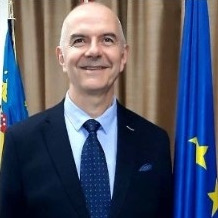
Department of Drug Science and Technology, University of Turin, Italy;
Important Dates
13 Mar
2022
20 Mar
2022
17 Apr
2022
Meet Our Speakers
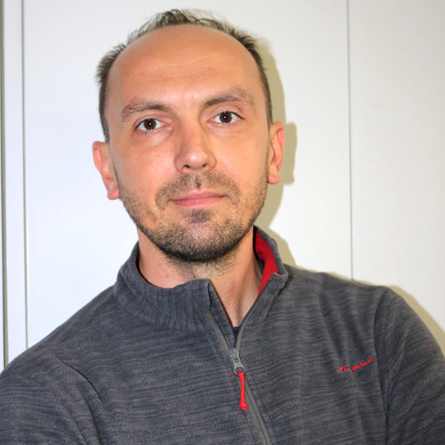
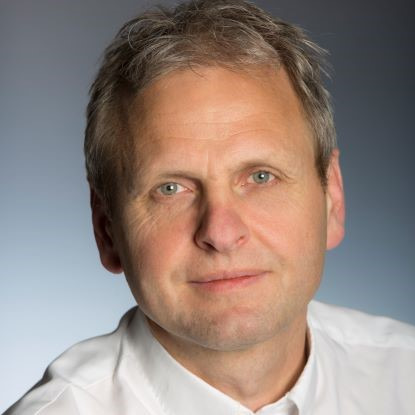
Dr. Krunoslav Užarević
Division of Physical Chemistry, Ruđer Bošković Institute, Croatia;
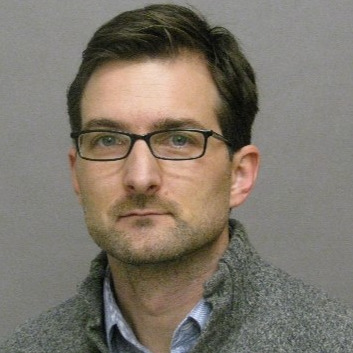
Institute of Chemical Engineering and Environmental Technology, Graz University of Technology, Austria;
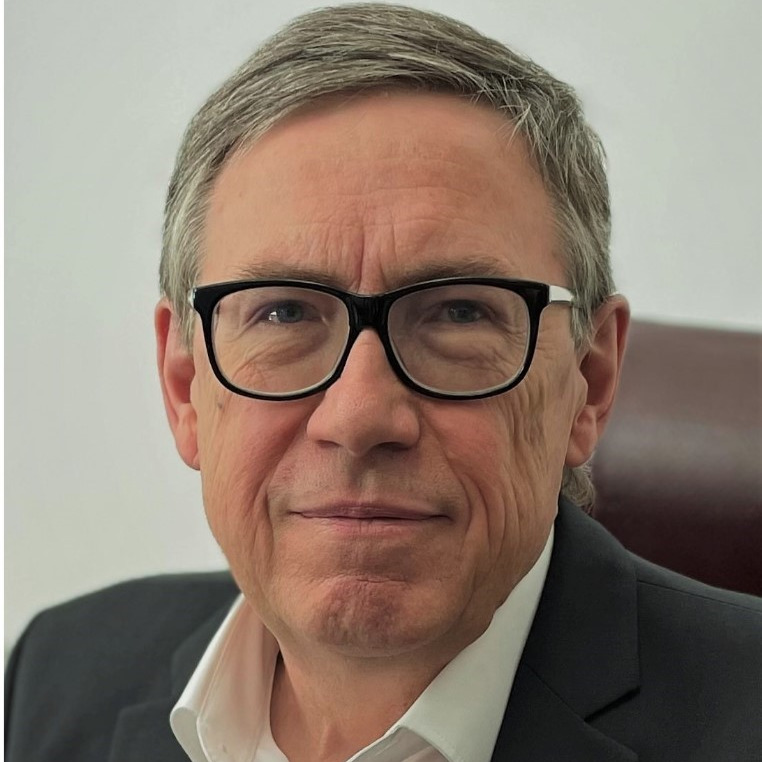
Dr. Ante Hećimović
Max-Planck-Institute for plasma physics, Ruhr University Bochum (RUB), Sheffield Hallam University, Germany;
Department of Physical Chemistry, Kuban State University;
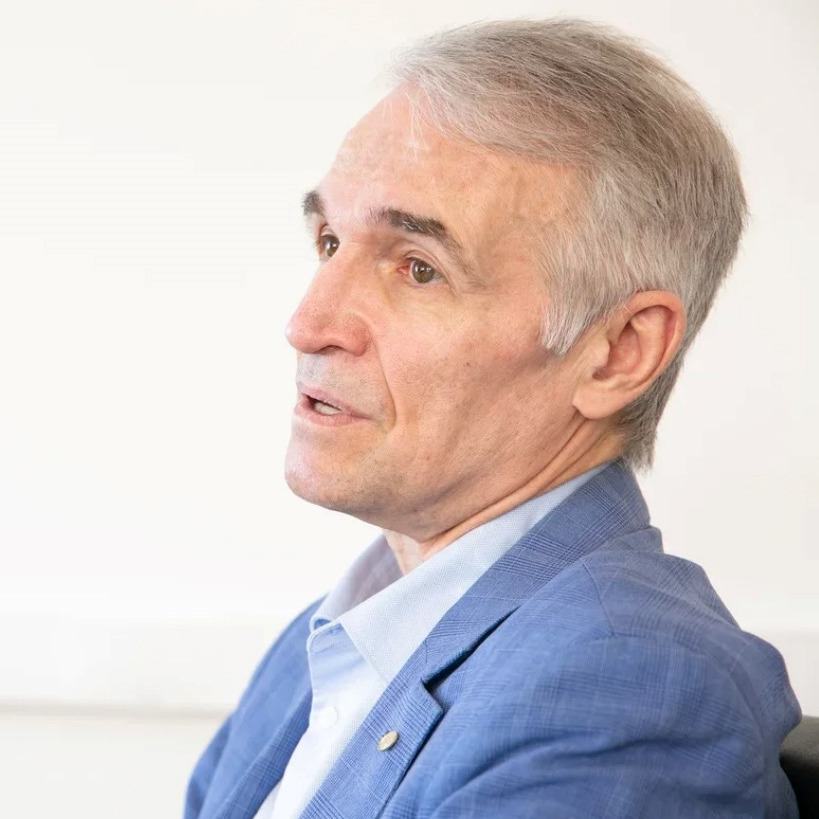
N.S. Kurnakov Institute of General and Inorganic Chemistry, Russian Academy of Sciences, Moscow, Russia;
Faculty of Chemistry, Lomonosov Moscow State University, Moscow, Russia;








Chair: Prof. Dr. Andrey Yaroslavtsev
Date and Time: 20 May 2022, 2:00 PM (CEST)
 |
Prof. Dr. Andrey Yaroslavtsev N.S. Kurnakov Institute of General and Inorganic Chemistry, Russian Academy of Sciences, Moscow, Russia Energy generation processes based on membrane materials Energy based on the use of fossil energy sources causes significant harm to the environment. In this regard, humanity is actively developing and implementing alternative energy sources. Fuel cells and reverse electrodialysis systems are the promising devices actively developed in recent years. The operation of both these and other similar energy sources is based on the separation of charges due to the directed transfer of ions through the membrane (electrolyte) due to the chemical potentials difference. A necessary condition is the prevention of undesirable transfer of coions or electrons. In this regard, the main requirements for membranes used in these systems are high ionic conductivity and selectivity of transfer processes. In addition, their implementation requires high stability of membranes and other components of these systems due to phenomena of fowling and degradation occurring during the electrochemical processes. This report is devoted to the consideration of these processes and the materials for their construction. The conductivity of ion-exchange membranes is determined by the transfer of ions formed due to the dissociation of functional groups in the system of nanosized pores and channels of membranes filled with water. With an increase in the ion-exchange capacity, both the concentration of current carriers and their mobility increase due to an increase in the membrane water uptake and the size of pores and channels. The best combination of these properties is realized in homogeneous perfluorinated sulfonic acid membranes (such as Nafion or Aquivion). At the same time, their high cost leads to the search for other cheaper materials. One of the promising materials can be grafted membranes that do not contain additional large pores that form during the formation of the most common heterogeneous membranes. These membranes with different combinations of conductivity and selectivity exhibit good performance in fuel cells and reverse electrodialysis systems [1, 2]. However, during the operation of such systems, their properties deteriorate due to the fowling and degradation. In the case of reverse electrodialysis, this is usually determined by the deposition of foulants present in the feed waters. In fuel cells, this is due to the oxidation of various membrane fragments by hydrogen peroxide formed during their operation in the presence of transition metal ions [3]. The source of the latter is primarily platinum catalysts present in such systems. This imposes additional restrictions on the use of catalysts based on platinum alloys with base metals, which are popular in such systems. This work was supported by the Russian Science Foundation (grant No. 21-73-20229). References:
|
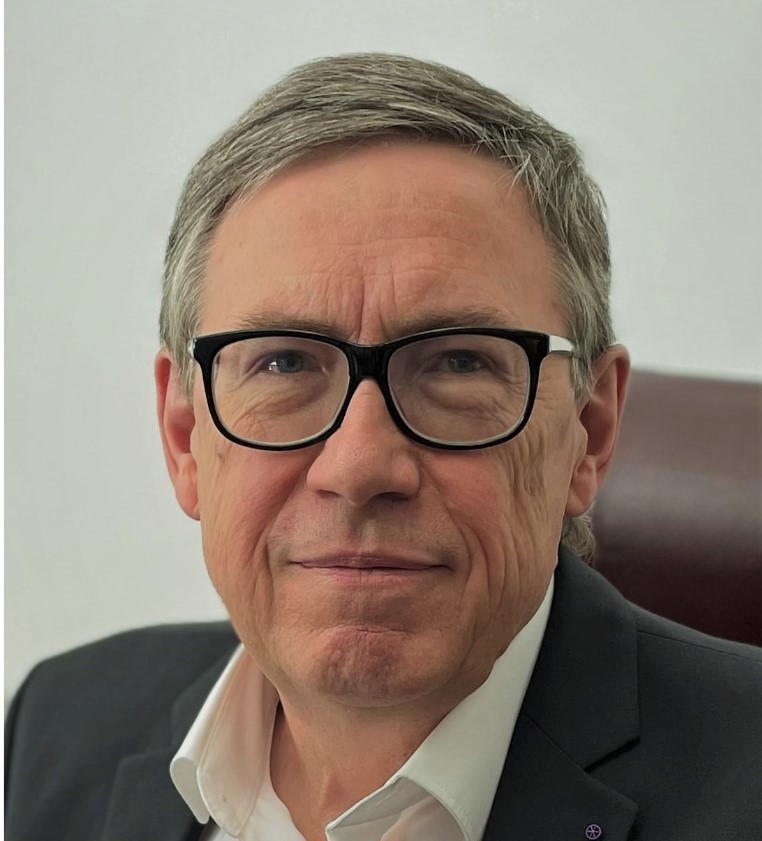 |
Prof. Dr. Victor V. Nikonenko Department of Physical Chemistry , Kuban State University, Krasnodar, Russia Key lecture: Ion-exchange membranes for power generation: modelling structure-property relationship Ion-exchange membranes (IEMs) are widely used in the chemical, agro&food processing, pharmaceutical and other industries. They found important applications in energy production where the most advanced methods are fuel cells and reverse electrodialysis. In this paper, we consider different approaches to modelling structure-property relationships. Knowledge of these relationships is essential to improve membranes for special applications. The structure of artificial IEMs is similar to that of biological membranes. Both types of membranes are based on self-assembled nanostructured materials built from macromolecules. Interactions of parts of macromolecules leads to phase separation and the appearance of microheterogeneities within the membrane bulk. Membrane bulk and surface heterogeneity significantly affect ion transport in ion-exchange membranes and electromembrane systems. In this paper, we identify the membrane properties important for power generation systems and describe experimental methods for determination of these properties. These properties are defined in the framework of Irreversible Thermodynamics. The comparison of the Onsager and Kedem-Katchalsky equation systems allows establishing the links between membrane conductivity, diffusion permeability and ionic transport numbers. It is emphasized that this thermodynamic gives linear relationships between driving force and fluxes, but the effect of membrane structure is not considered. There are two general approaches, which leads to establish relationships between structure and properties: 1) Capillary space charge models, in which a single pore with charged walls is considered; 2) Effective-medium approach, where a membrane is considered as a multiphase system. These approaches, in particular “solution-diffusion” and “pore-flow” space charge models, as well as the multiphase effective-medium models are examined as the tools for describing ion transport in the membranes. A microheterogeneous two-phase model, 2D and 3D models involving or not convective transport in electrodialysis cells are reviewed. Some examples of tailoring the surface layer are given; it is shown that specially designed surface heterogeneity on the membrane surface can result in enhancement of ion transport and improvement of performance of electromembrane systems. The work was supported by the Russian Science Foundation, project No. 21-49-00009. |
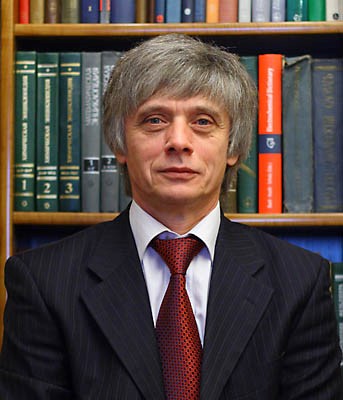 |
Prof. Dr. Evgeny V. Antipov Faculty of Chemistry, Lomonosov Moscow State University, Moscow, Russia Novel Phosphates and Fluoride-Phosphates Electrode Materials for Me-ion Batteries The development of metal-ion batteries intensifies the research on electrode materials for Na/K-ion batteries as viable alternatives to the Li-ion technology. The Na/K-based oxides and polyanion materials are scrutinized as cathodes aiming to enhance the specific energy, durability and rate capability. Whereas the layered oxides display greater volumetric energy density, the polyanion materials usually exhibit better cycling and thermal stability and higher C-rate capabilities due to covalently bonded structural frameworks. The polyanion compounds reveal an extra dimension in their crystal chemistry, which significantly extends the playground for designing materials with superior electrochemical performance. Further advantages are expected from the synergistic effect of combining different anions (such as (XO4)p- and F-) in the anion sublattice. An overview of the research on novel phosphates and fluoride-phosphates as prospective electrode materials for the Na/K-ion batteries will be presented with a special emphasis on the interrelation between composition, synthesis conditions, crystal structure and electrochemical properties of the materials intended for practical applications. This work was supported by the Russian Science Foundation (grant No. 17-73-30006). |
Program
|
Speaker/Presentation |
Time in CEST |
|
Prof. Dr. Andrey Yaroslavtsev Chair Introduction |
2:00 - 2:05 pm |
|
Prof. Dr. Andrey Yaroslavtsev Energy Generation Processes Based on Membrane Materials |
2:05 - 2:30 pm |
|
Q&A |
2:30 - 2:40 pm |
|
Prof. Dr. Victor V. Nikonenko Ion-Exchange Membranes for Power Generation: Modelling Structure-Property Relationship |
2:40 - 3:05 pm |
|
Q&A |
3:05 - 3:15 pm |
|
Prof. Dr. Evgeny V. Antipov Novel Phosphates and Fluoride-Phosphates Electrode Materials for Me-ion Batteries |
3:15 - 3:40 pm |
|
Q&A |
3:40 - 3:50 pm |
|
Closing of Webinar |
3:50 pm |
Webinar Registration
Attendance to this Live Session is FREE. However, registration of the audience will be necessary, as the number of participants is limited. Click here to register:

Chair: Prof. Dr. Giancarlo Cravotto
Date and Time: 24 May 2022, 2:00 PM (CEST)
 |
Prof. Dr. Giancarlo Cravotto Department of Drug Science and Technology, University of Turin, Italy |
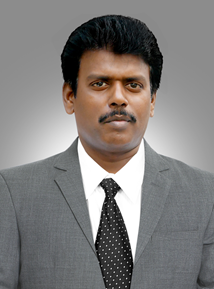 |
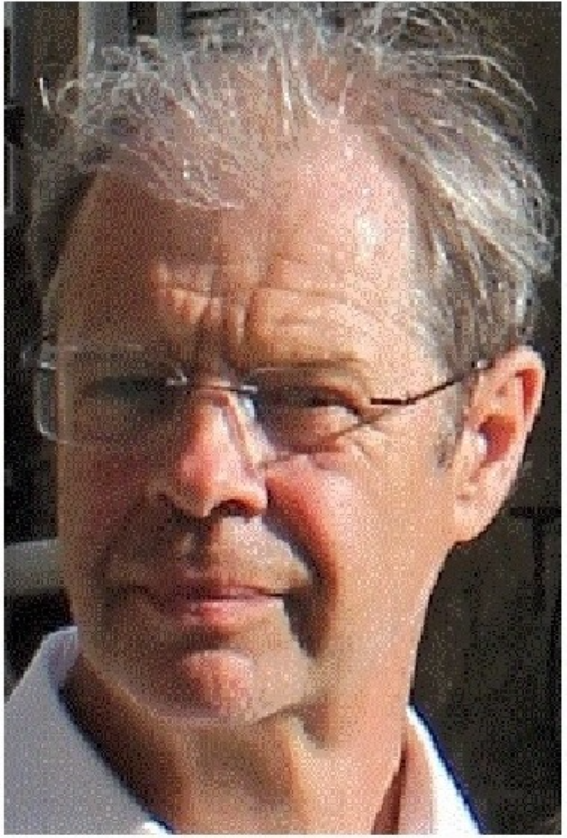
Prof. Dr. Sivakumar Manickam Petroleum and Chemical Engineering Department, University of Technology Brunei, Brunei |
 |
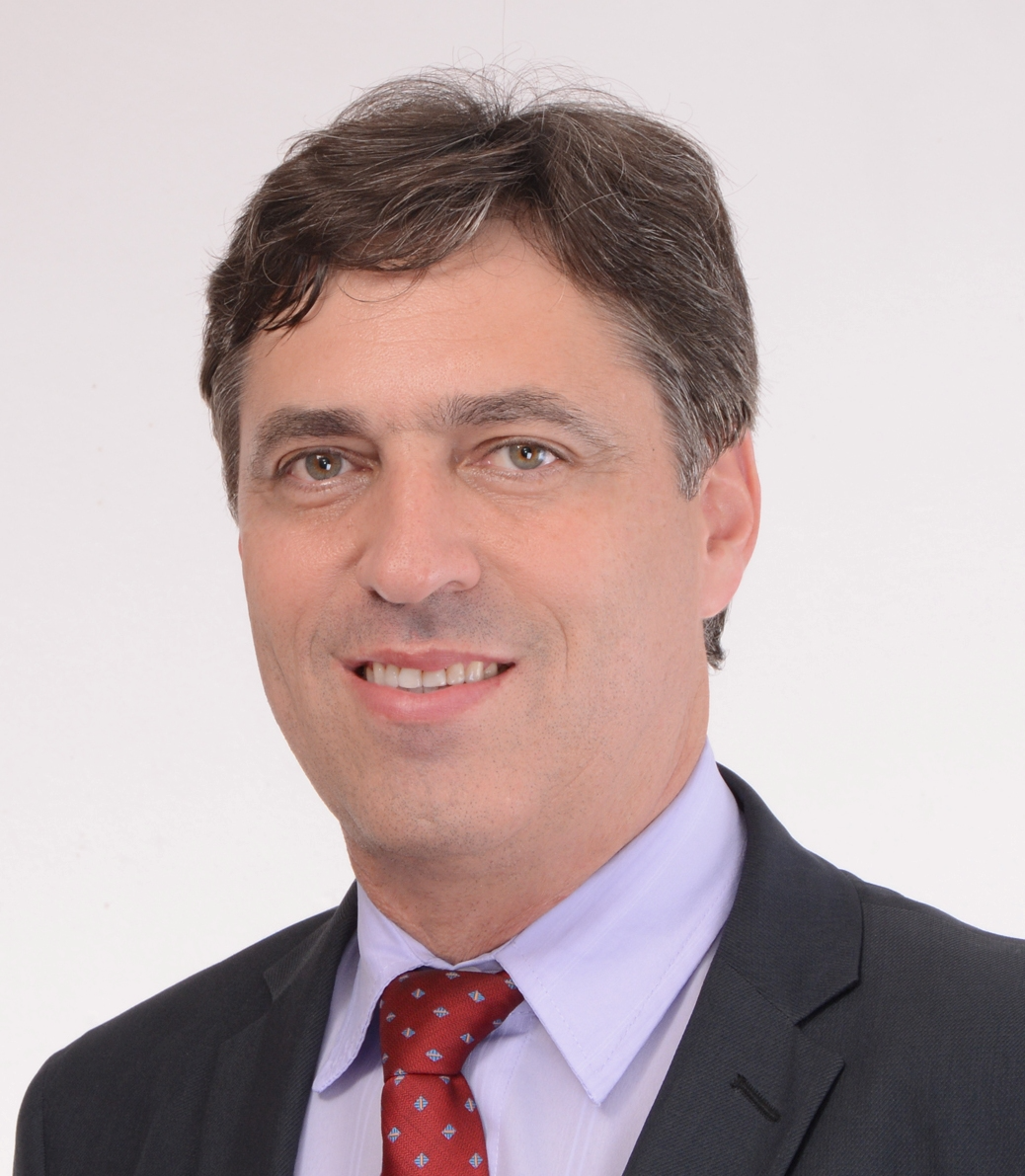
Dr. Peter Poechlauer Patheon Austria GmbH and Co. KG, Linz, Austria |
 |
Prof. Dr. Érico M. M. Flores Federal University of Santa Maria, Brazil |
Program
|
Speaker/Presentation |
Time in CEST |
|
Prof. Dr. Giancarlo Cravotto Chair Introduction |
2:00 - 2:05 pm |
|
Prof. Dr. Sivakumar Manickam Greener, Cleaner and Energy-Efficient Ultrasound for the Extraction of Active Constituents from Natural Products |
2:05 - 2:30 pm |
|
Q&A |
2:30 - 2:40 pm |
|
Dr. Peter Poechlauer Some Aspects Related to Scale-up of Continuous Manufacturing |
2:40 - 3:05 pm |
|
Q&A |
3:05 - 3:15 pm |
|
Prof. Dr. Érico M. M. Flores Improving the Extraction of Chromium from Tanned Leather Shavings Using Ultrasound Continuous Flow System |
3:15 - 3:40 pm |
|
Q&A |
3:40 - 3:50 pm |
|
Prof. Dr. Giancarlo Cravotto Recent Advances and General Trends in Food Extraction and Processing |
3:50 - 4:15 pm |
|
Q&A |
4:15 - 4:25 pm |
|
Closing of Webinar |
4:25 - 4:30 pm |
Webinar Registration
Attendance to this Live Session is FREE. However, registration of the audience will be necessary, as the number of participants is limited. Click here to register:

Chair: Prof. Dr. Blaž Likozar
Date and Time: 31 May 2022, 2:00 PM (CEST)
 |
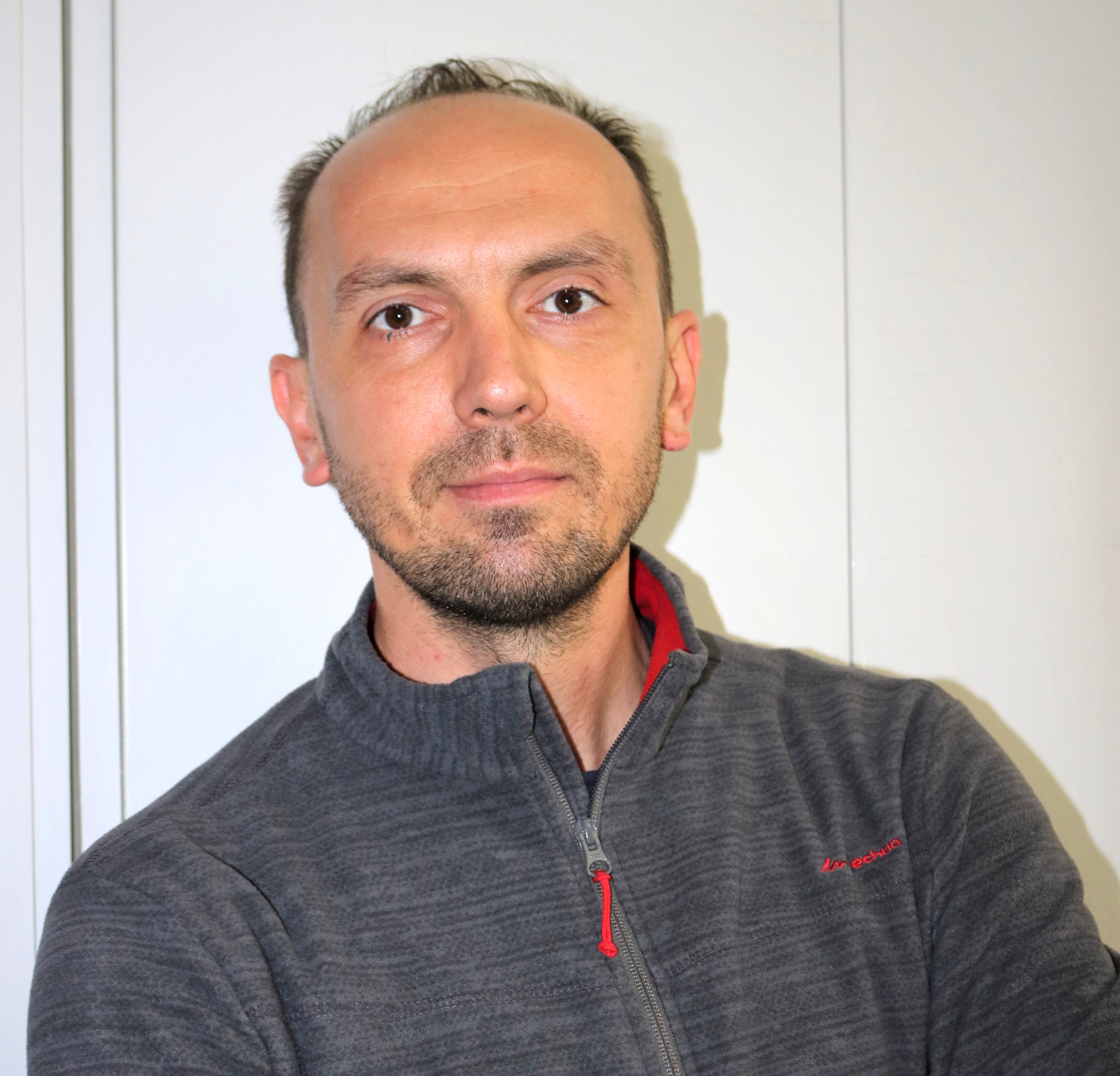
Prof. Dr. Blaž Likozar Department of Catalysis and Chemical Reaction Engineering, National Institute of Chemistry, Slovenia |
 |
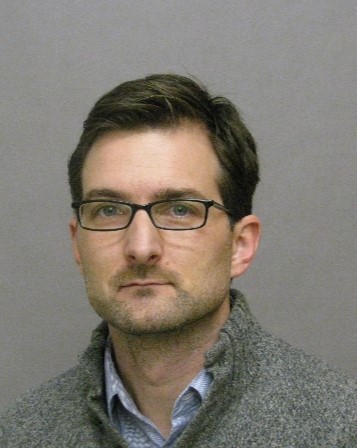
Dr. Krunoslav Užarević Division of Physical Chemistry, Ruđer Bošković Institute, Croatia |
 |
Dr. Ante Hećimović Max-Planck-Institute for plasma physics, Ruhr University Bochum (RUB), Sheffield Hallam University, Germany |
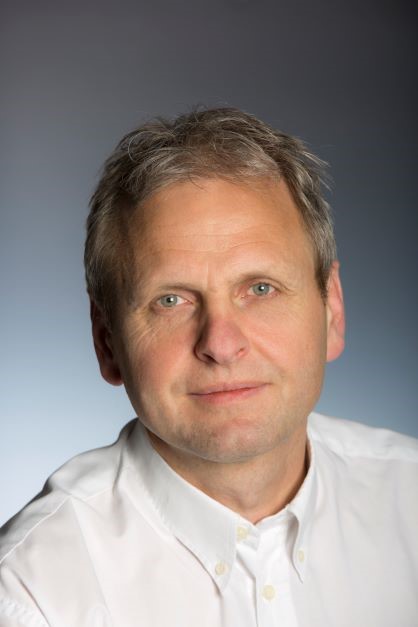 |
Dr. Viktor Hacker Institute of Chemical Engineering and Environmental Technology, Graz University of Technology, Austria |
Program
|
Speaker/Presentation |
Time in CEST |
|
Prof. Dr. Blaž Likozar Chair Introduction |
2:00 - 2:10 pm |
|
Dr. Krunoslav Užarević New Mechanochemical Methodologies for Advanced Reactivity in Coordination and Organic Chemistry |
2:10 - 2:35 pm |
|
Q&A |
2:35 - 2:45 pm |
|
Dr. Ante Hećimović Plasma Gas Conversion Technology - CO2 Conversion by Microwave Plasmas |
2:45 - 3:10 pm |
|
Q&A |
3:10 - 3:20 pm |
|
Dr. Viktor Hacker Advances in Chemical Looping Systems for Fuel Conversion |
3:20 - 3:45 pm |
|
Q&A |
3:45 - 3:55 pm |
|
Closing of Webinar |
3:55 – 4:00 pm |
Webinar Registration
Attendance to this Live Session is FREE. However, registration of the audience will be necessary, as the number of participants is limited. Click here to register:
