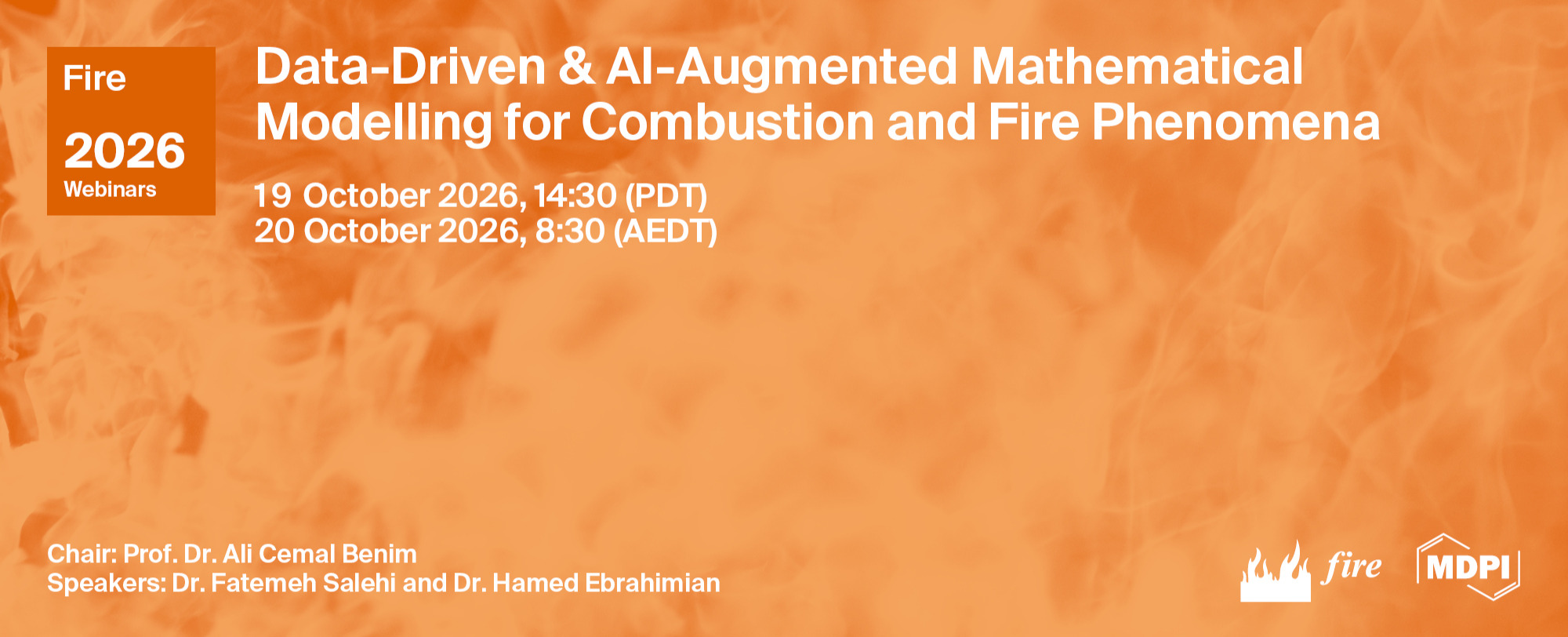
Fire Webinar | Data-Driven & AI-Augmented Mathematical Modelling for Combustion and Fire Phenomena
the chair
3rd Fire Webinar
Data-Driven & AI Augmented Mathematical Modelling for Combustion and Fire Phenomena
Welcome to the Fire webinar “Data-Driven & AI-Augmented Mathematical Modelling for Combustion and Fire Phenomena”.
As the demand for cleaner energy systems, safer built environments and accurate fire safety engineering grows, traditional physics-based models face critical limitations in computational cost and non-linear complexity. This webinar explores how the convergence of artificial intelligence, machine learning and mathematical physics is revolutionizing our ability to predict, simulate and optimize complex reacting flows and thermal safety scenarios.
The webinar delves into the integration of data-driven approaches and artificial intelligence into state-of-the-art mathematical modelling for combustion processes and fire dynamics. By combining fundamental principles of fluid mechanics, thermodynamics and chemical kinetics with modern machine learning architectures, researchers and engineers can unlock unprecedented predictive accuracy while dramatically reducing computational overhead.
Date & Time:
19th October, 2026, 2:30 pm PDT | 5:30 pm EDT;
20th October, 2026, 8:30 am AEDT
Zoom ID: 850 8214 0974
Webinar Secretariat: fire@mdpi.com
Meet Our Chair
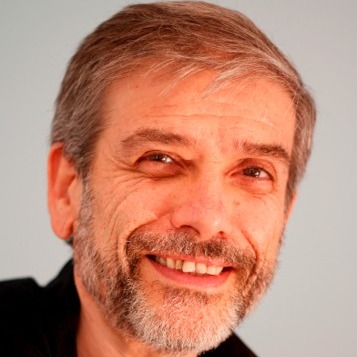
Department of Mechanical and Process Engineering, Düsseldorf University of Applied Sciences, Düsseldorf, Germany; Department of Mechanical Engineering, Bursa Technical University, Bursa, Turkey;Department of Mechanical Engineering, VelTech University, Chennai, India;Prof. Dr.-Ing. habil. Ali Cemal Benim received his B.Sc. and M.Sc. degrees in Mechanical Engineering from Boğaziçi University, Istanbul, Turkey. He obtained his Ph.D. at the University of Stuttgart, Germany, at the Institute of Process Engineering and Power Plant Technology. His doctoral thesis, titled Finite Element Modelling of Turbulent Flames, was awarded with the degree of distinction (summa cum laude). Following a postdoctoral appointment at the University of Stuttgart, he joined ABB Turbo Systems Ltd., Baden, Switzerland, where he served as Manager of the Computational Flow and Combustion Modelling Group. He is currently a Professor in the Department of Mechanical and Process Engineering at the Düsseldorf University of Applied Sciences, Düsseldorf, Germany, as well as in the Department of Mechanical Engineering at Bursa Technical University, Bursa, Turkey. He also holds the position of an Adjunct Professor in the Department of Mechanical Engineering at Vel Tech University, Chennai, India.
Meet Our Speakers
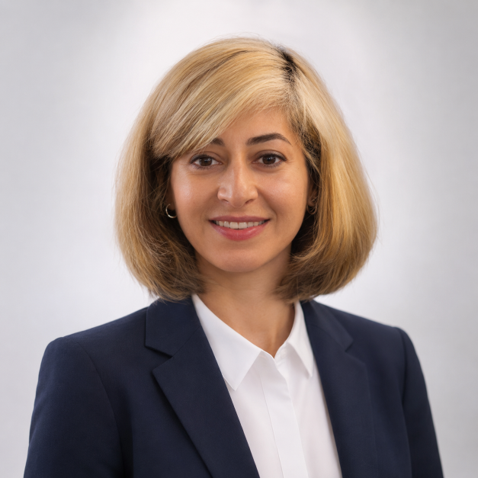
Faculty of Science and Engineering, Macquarie University, Sydney, Australia;Dr. Fatemeh Salehi is the Associate Dean, Engagement and Sustainability in the Faculty of Science and Engineering at Macquarie University and the Hub Chair for the United Nations Academic Impact Sustainable Development Goal 15. Her research focuses on low-carbon energy solutions, with particular interests in computational modeling and optimization techniques to support the safe and efficient application of clean fuels such as hydrogen, ammonia and biomass. Her research in hydrogen applications has been recognised in the NSW Hydrogen Strategy published by the NSW Government. Dr Salehi is a Fulbright alumna, an International Hydrogen Fellow, an executive member of the Combustion Institute, and a member of Standards Australia working groups involved in the development of hydrogen standards.
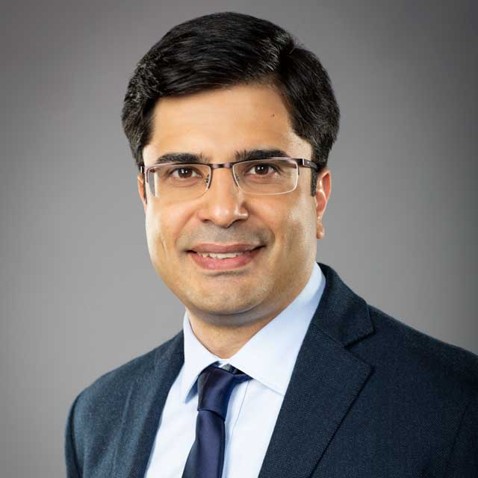
Department of Civil and Environmental Engineering, University of Nevada, Reno, USA;Dr. Hamed Ebrahimian is an Associate Professor in the Department of Civil and Environmental Engineering at the University of Nevada, Reno. He holds a Ph.D. in Structural Engineering from UC San Diego and has served as a postdoctoral scholar at Caltech. With nearly two decades of experience spanning academia and industry, his research focuses on Wildfire Engineering, utilizing computational modeling and data analytics to develop technology solutions for disaster management. His work integrates physics-based models with data through Bayesian inference and digital twin methodologies to address real-world engineering challenges. Dr. Ebrahimian is dedicated to bridging the gap between scholastic research and practical engineering through innovative data-driven approaches.
This is a FREE webinar. After registering, you will receive a confirmation email containing information on how to join the webinar. Registrations with academic institutional email addresses will be prioritized.
Certificates of attendance will be delivered to those who attend the live webinar.
Can't attend? Register anyway, and we'll let you know when the recording is available to watch.
-6ac90caf29c44.png)