The 1st International Electronic Conference on Agronomy
Winners Announced Here!
We are pleased to announce the winners of different awards of IECAG 2021:
Best Paper Award
Winner: Calibration of flow resistance models in vegetated ditches based on UAV remote sensing
Authors: Giuseppe Francesco Cesare Lama, Mariano Crimaldi
Best Poster Award
Winner: Effects of glyphosate application on soil chemistry to control invasive plants in a Mediterranean ecosystem
Author: Jesús Jiménez-Ruiz
the chairs
Dear colleagues,
The world’s agricultural systems face a great balancing act between two challenges: (1) raise the production of high quality and safe food on the available farmland to feed the global population expected to increase to more than 9.3 billion by 2050, and (2) reduce agriculture’s impact on the environment. Balancing these two challenges presents the major focus for scientists, extension specialists and producers, which mandates an intelligent use of resources in agriculture production. Agricultural production depends to a large extent on limited, non-renewable, and strategic resources: soil, water, nutrients and energy.
The global pandemic has forced us to restrain traveling and to reflect on our ability to endow future generations with substantial scientific advances. Reduced mobility stimulates us to maintain connections with the scientific network using the available technologies. This conference is an opportunity to communicate our shared passion for agronomy.
The conference will include seven special sections which embrace the most important research opportunities in Agronomy. Topics of interest include but are not limited to:
1. Application of New Breeding Technologies to Crop Improvement
2. Sustainable Management Practices for Soil Health and Food Security
3. Agronomic Innovations for Sustainable Intensification of Horticultural Production Systems
4. Challenges in Grassland Agro-Ecology in a Global Change Context
5. Weed Invasion, Biology and Management in Agricultural Settings
6. Sustainable and Resilient Farming Systems
7. Precision and Digital Agriculture
While our virtual conference will be a different experience from the traditional gatherings we all know and love, this virtual conference will allow us to connect in new ways while keeping our carbon footprints low and maintaining social distancing. Your presentation will be accessible to hundreds of researchers around the world. Hopefully, it will be a more inclusive and sustainable way of meeting because of the absence of registration fees and travel costs.
We warmly invite our colleagues from across the world to be part of this exciting event.
Prof. Dr. Youssef Rouphael
Chair of the 1st International Electronic Conference on Agronomy
Keywords for This Conference
food quality and safety; post-harvest technology; environmental impact on agriculture; renewable agricultural resources' reutilization; biofortification; biostimulants; vegetable grafting; plant stress; circular economy; hydroponics; sustainable agriculture; plant genomics; biochar; nitrogen management; food and agribusiness supply chains; Weed Biology and Management; Pest Management for Agronomic Crops
Conference Secretariat
Meet Our Chairs

Department of Agricultural Sciences, University of Naples Federico II;Youssef Rouphael is a Professor of Horticulture at the Department of Agricultural Sciences, University of Naples Federico II. He is the Editor-in-Chief of “Horticultural and Floricultural Crops Section” in MDPI’s Agronomy and the Associate Editor of several leading journals in horticultural science and has been a guest editor on biostimulants, vegetable grafting, specialty crops (microgreens and edible flowers), biofortification of vegetables, and the quality and safety of fresh fruits and vegetables at harvest in several international journals in horticultural science. Prof. Rouphael has published 330 articles which have been cited a total of 10,000 times; his h-index is 57. He is a member of the scientific committee of Biostimulant.com. Prof. Rouphael is internationally known for his research in horticultural science and has coordinated many projects to improve horticultural production.
School of Agriculture, Food and Wine, University of Adelaide, Urrbrae SA 5064, Australia;Professor Peter Langridge is the session chair of session "Application of New Breeding Technologies to Crop Improvement" in this conference.

CNRS, Campus AgroParisTech, Batiment EGER, 78850 Thiverval-Grignon, France;Dr. Cornelia Rumpel is the session chair of session "Sustainable Management Practices for Soil Health and Food Security" in this conference. She is a soil biogeochemist working for the French National Research Center (CNRS) at the Institute of Ecology and Environment in Paris, France. Her work is concerned with the dynamics of organic matter at the molecular scale and the biogeochemical cycling of carbon, nitrogen and phosphorus in natural and managed ecosystems. During her 25-year career, she has studied the origin and fate of terrestrial organic matter in several environments, ranging from soils and sediments in coal mining areas to organic matter in natural as well as managed ecosystems, including those affected by fire. Her work deals with temperate and tropical environments. For many years, she has been interested in the development of innovative organic amendments and smart fertilizers. She has supervised 17 PhD students to successful completion of their theses and has published more than 180 papers in international peer-reviewed journals. In 2016 and 2017, she was listed as a highly cited researcher in the field of agronomy. Cornelia is engaged in the international 4 per 1000 initiative, as the chair of the scientific and technical committee.
Department of Agriculture and Forest Sciences, University of Tuscia, 01100 Viterbo, Italy;Professor Giuseppe Colla is the session chair of session "Agronomic Innovations for Sustainable Intensification of Horticultural Production Systems" in this conference.

UCA, INRAE, VetAgro Sup, Unité Mixte de Recherche sur l’Écosystème Prairial (UREP), 63000 Clermont-Ferrand, France;Dr. Gianni Bellocchi is the session chair of session "Challenges in Grassland Agro-Ecology in a Global Change Context" in this conference. He is a research director at the Grassland Ecosystem Research Unit (UREP) of the French National Institute for Agriculture, Food and Environment (INRAE). With expertise in agro-climatic and hydrological modelling, his research focusses on two main issues: the study of agro-ecosystem responses to environmental variables and management, and the development of participatory approaches to evaluate the simulation models used to study these responses. Oriented towards the modelling of carbon and nitrogen cycles in grasslands, his research interests range from sequestration/emission processes to the links between plant diversity and biogeochemical processes. In 2013–2016, he coordinated the EU-FP7 project MODEXTREME (MODelling vegetation response to EXTREMe events), in tandem with projects of the Joint Programming Initiative on Agriculture Food Security and Climate Change, where he directed several activities of model inter-comparison for the simulation of production and biogeochemical variables in grassland and field crops. In 2018-2019, as coordinator of the French project MODIPRAS (Modelling the relationships between species diversity, the functioning of grassland systems and their capacity to provide ecosystem services), he has addressed the incorporation of plant diversity dynamics into biogeochemical models. He currently serves on the Editorial Boards for Agronomy, Agronomy for Sustainable Development, and Atmosphere.

Graham Centre for Agricultural Innovation, Charles Sturt University, Wagga Wagga 2678, Australia;Professor Leslie A. Weston is the session chair of session "Weed Invasion, Biology and Management in Agricultural Settings" in this conference.

School of Science, Western Sydney University, Penrith, NSW 2751, Australia;Professor Priti Krishna is the session chair of session "Sustainable and Resilient Farming Systems" in this conference. She has a strong background in diverse but related disciplines: Microbiology (MSc), Medical Biochemistry (PhD), Plant Molecular Biology and Sustainable Agriculture (>25-year academic career), and a proven record of leadership in developing and executing pioneering research projects. Her research outputs with the highest impacts are: 1) establishing the role of the phytohormone brassinosteroid in stress tolerance; 2) characterising the heat shock protein 90 (Hsp90) chaperone complex in plants, and developing molecular tools which have been instrumental in establishing the role of Hsp90 in plant disease resistance; and 3) aiding the development of a nutraceutical industry in Ontario for sea buckthorn through research. Her current research interests are focused on the production of high-quality, high-value fruits and vegetables in protected cropping systems. Early in her career, she was awarded the Natural Sciences and Engineering Research Council of Canada (NSERC) Faculty Award, and more recently, she has held the role of Vincent Fairfax Chair in Sustainable Agriculture at Western Sydney University.
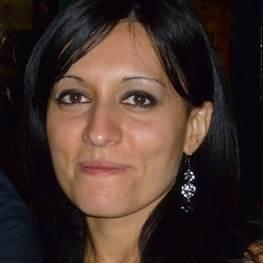
Institute of Intelligent Industrial Systems and Technologies for Advanced Manufacturing, National Research Council of Italy, via Amendola 122/D-I, 70126 Bari, Italy;Dr. Annalisa Milella is the session chair of the session “Precision and Digital Agriculture” at this conference. She is a researcher at the Institute of Intelligent Industrial Technologies and Systems for Advanced Manufacturing (STIIMA), National Research Council of Italy (CNR). Her research interests are in the field of robotics and automation, and, in particular, multi-sensor systems for robot perception in structured/unstructured environments, 3D reconstruction and mapping, and signal and image processing applied to robotics and intelligent systems. She is the author of more than 80 publications in international journals, conference proceedings, and book chapters. She has taught academic courses and seminars in the field of applied mechanics, maintenance of mechanical systems, computer vision, and robot mechanics. For many years, she has been involved in national and international agricultural robotics projects. Currently, she is the scientist responsible for the CNR research unit in the H2020 project Agricultural Interoperability and Analysis System (ATLAS).
Important Dates
15 Feb
2021
28 Feb
2021
31 Mar
2021
Sessions
Explore more details| Date & Time | Chair | Session Title |
Registration |
|
10 May 2021 10:00-12:00 AM (CEST) |
Dr. Giandomenico Corrado Dr. Nunzio D’Agostino |
New Methods and Tools for Plant Genetics and Breeding |  |
|
10 May 2021 2:00-4:00 PM (CEST) |
Dr. Youssef Rouphael Dr. Giuseppe Colla |
Use of Protein-HydrOlysatesas BiOstimulantsof vegetable crops: elucidating their mode of action and optimizing their effectiveness through a multidisciplinary approach – PHOBOS | |
|
11 May 2021 10:00-12:30 AM (CEST) |
Dr. Youssef Rouphael Dr. Giuseppe Colla |
Biostimulants for sustainable crop production | |
|
14 May 2021 9:00-11:00 AM (CEST) |
Dr. Gianni Bellocchi |
Challenges in Grassland Agro-Ecology in A Global Change Context | |
Live Session 1
Title: New Methods and Tools for Plant Genetics and Breeding
Date: May 10 10:00-12:00 AM (CEST)
Registration: https://zoom.us/webinar/register/8416183187098/WN_clxUopJTSGaSWrIk6nvFAA
| Time | Speaker & Talk |
| 10:00-10:05 AM | Introduction of this live session |
| 10:05-10:30 AM | Annalisa Polverari: New Breeding Technologies for Resistance to Downy and Powdery Mildew in Grapevine |
| 10:30-11:00 AM | Gianfranco Diretto: Genome Editing-Based Improvement of Tomato Nutritional Attributes |
| 11:00-11:30 AM | Ezio Portis: An Improved Genome Assembly and Resequencing of Accessions of Eggplant (Solanum melongena) and Relatives Reveal Key Events in Eggplant Evolution and Breeding |
| 11:30-12:00 AM | Alessandro Nicolia: CRISPR/Cas9-Mediated Mutagenesis as a Strategy to Develop Resistant Tomato Plants against Parasitic Weeds |
Live Session 2
Title: Use of Protein-HydrOlysates as Biostimulants of vegetable crops: elucidating their mode of action and optimizing their effectiveness through a multidisciplinary approach – PHOBOS
Date: May 10 2:00-4:00 PM (CEST)
Registration: https://zoom.us/webinar/register/6316183188391/WN_5ZDx-_8iRQu_oHwM_s24jg
| Time | Speaker & Talk |
| 2:00-2:10 PM | Giuseppe Colla: general overview of PHOBOS |
| 2:10-2:30 PM | Mirella Sorrentino: Potential of high throughput automated phenotyping platforms in the development of new commercial biostimulants |
| 2:30-2:50 PM | Mariateresa Cardarelli: Identification of the most efficient bioassays in assessing the hormone-like activity of plant biostimulants |
| 2:50-3:10 PM | Youry Pii: Transcriptomic analysis for a better understanding of biostimulants-induced biological processes |
| 3:10-3:30 PM | Luigi Lucini: Metabolomics approaches to shed light on the mode of action of plant biostimulants |
| 3:30-4:00 PM | Q&A |
Chairs and Speakers Information
|
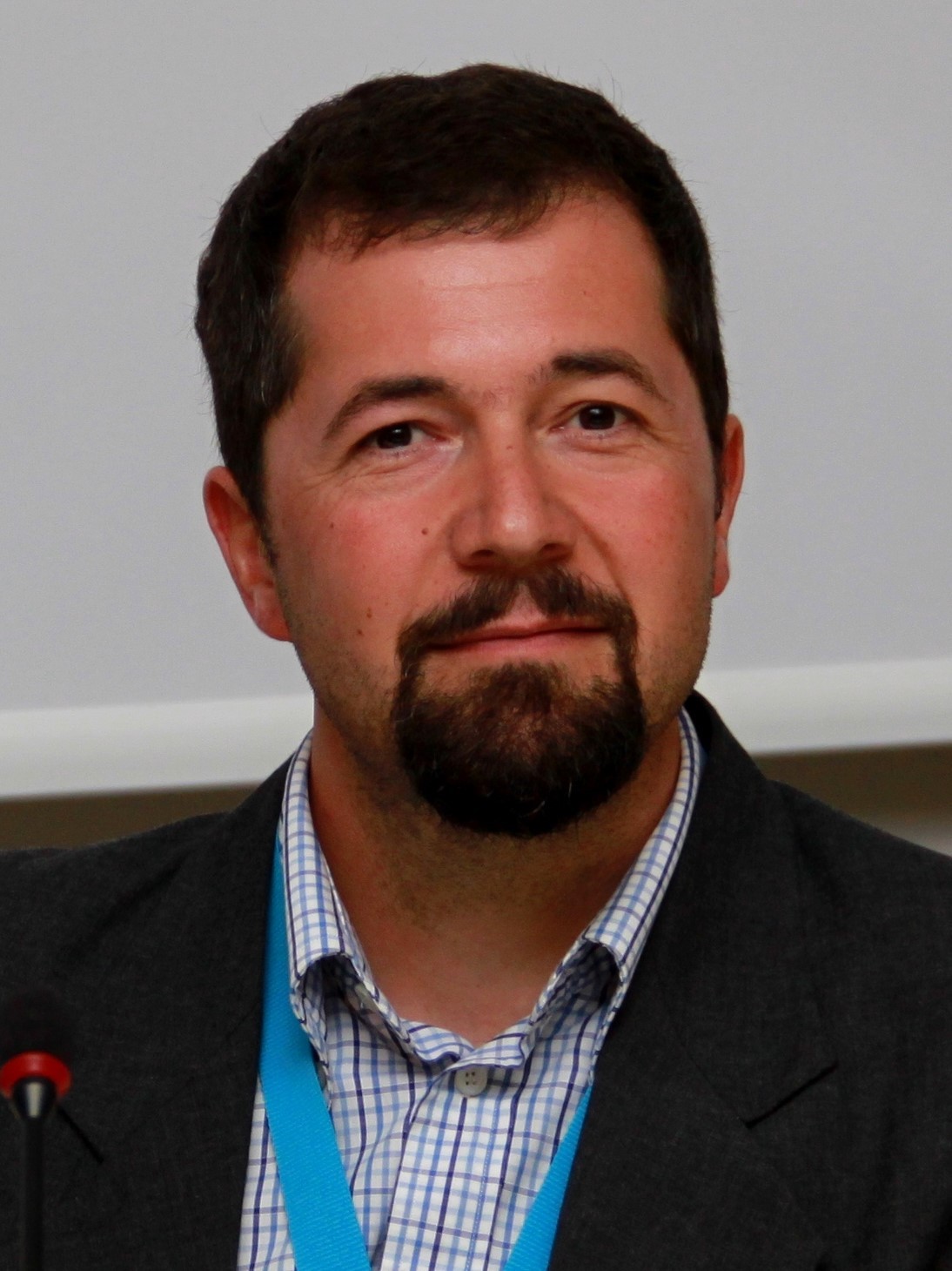
Prof. Dr. Ezio Portis Affiliation: DISAFA, Plant Genetics, and Breeding, University of Torino, Italy |
 |
|
Ezio Portis is a Full Professor of Plant Genetics. At present, he is in charge of the following courses at the School of Agriculture Science and Veterinary Medicine, University of Torino: Genetics, Genomic Selection, and Seed Genetics. He was previously in charge the courses Plant Breeding, Plant Biotechnology, Functional Genomics, Genetics Applied to Food Production, and Bioinformatics courses. His main research topics are: (i)plant genetics: development and application of molecular markers, construction of molecular-linkage maps, QTL and GWAS analysis, and marker-assisted selection (MAS); (ii) genomics and transcriptomics analyses of horticultural crops through the application of NGS technologies and related bioinformatics; (iii) characterization and management of plant genetic resources; (iv) studies of the biosynthetic pathway of secondary metabolites in plants; and (v) seed genetics. He has published about 170 articles (104 and 110 records are available in both the Web of Science and Scopus databases, respectively, and 51 records in the NCBI PubMed database). |
|
|
Prof. Dr. Annalisa Polverari Affiliation: Department of Biotechnology, University of Verona, Italy |
 |
|
Annalisa Polverari is an Associate Professor of Plant Pathology with the Department of Biotechnology at the University of Verona. After graduating in Agricultural Sciences, she worked in the industrial field in the phytosanitary sector before becoming a researcher at the University of Perugia in 1991. In 1999, she moved to the University of Verona, where she is currently vice-director of the Department of Biotechnology. Her scientific activity is focused on plant–pathogen interactions, both in basic and applied research, in particular dealing with ultrastructural and molecular aspects of resistance, functional characterization of resistance-associated genes, biotechnological approaches for grapevine resistance to Plasmopara viticola, and, more recently, with the characterization of biovar virulence in Pseudomonas syringae pv. actinidiae and the identification of natural compounds capable of inhibiting bacterial pathogenicity. She has authored 34 articles indexed in Scopus, with an H-index of 14. |
|
|
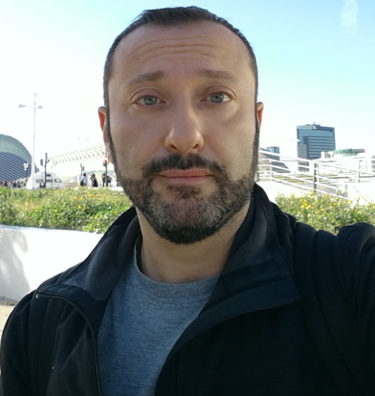
Dr. Gianfranco Diretto Affiliation: Italian National Agency for New Technologies, Energy, and Sustainable Development, Casaccia Research Centre, Italy |
 |
|
Dr. Diretto obtained a degree in Plant Biotechnology with full marks in 2002 at the University of Naples “Federico II”, Italy. He holds a Ph.D. in Cell and Molecular Biology from the University of L’Aquila, and spent 2.5 years as a visiting scientist at the BTI (USA), University of Freiburg (Germany), NIB (Slovenia), the IBMCP (Spain), and the INRA-INP Research Unit (France), learning plant transcriptomics and metabolomics techniques. His main interests are genetics and metabolic engineering, by heterologous overexpression or CRISPR-Cas9 KO technology, of carotenoids and apocarotenoids (ABA, crocins, picrocrocin,n and zaxinone), curcuminoids, and anthocyanins in agricultural plants, with particular emphasis on potato and tomato. After 2009, these interests extended to plant and microalgae metabolomics, particularly to nutritional (glycoalkaloids) and antinutritional secondary metabolites, and to systems biology and bioinformatics to identify relevant biological elements (genes and metabolites) associated to a specific phenotype or genetic trait. |
|
|
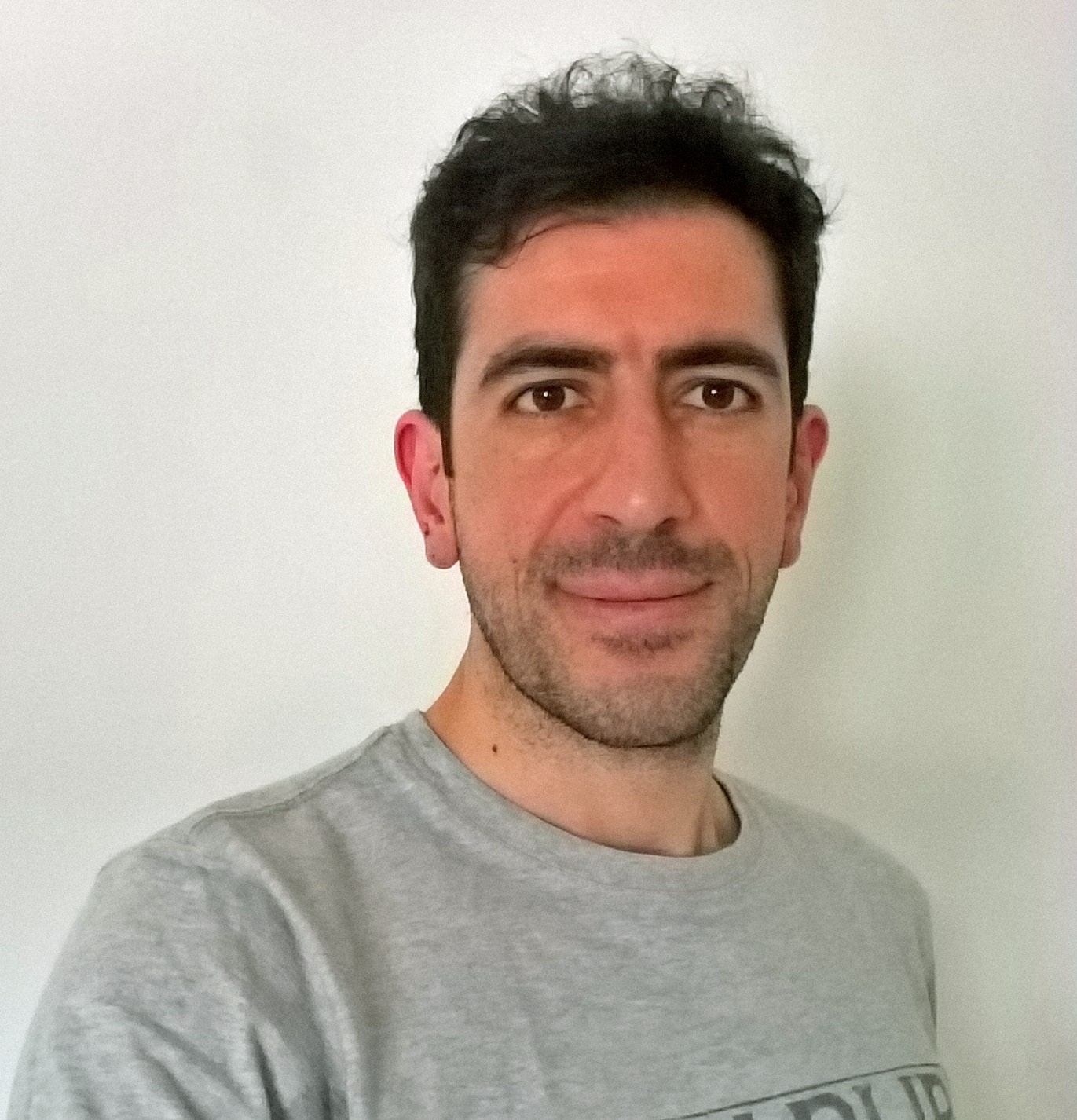
Dr. Alessandro Nicolia Affiliation: CREA - Research Centre for vegetable and ornamental plants |
 |
|
Alessandro Nicolia graduated in Science and Technology in Agriculture at th University of Perugia (Italy); he defended his Ph.D. thesis on plant biology and agro-environmental biotechnologies at the University of Perugia. He worked as a post-doc at the University of Perugia (Italy) from 2009 to 2012, at the Swedish University of Agricultural Science (Alnarp, Sweden) from 2012 to 2014, and at the ENEA - Research Centre Casaccia (Rome, Italy) from 2014 to 2017. Since 2017, he has been a researcher at CREA - Research Centre for Vegetable and Ornamental Crops (CREA-OF) (Pontecagnano, Italy) and is responsible for the laboratory of in vitro culture and biotechnology. His research activity is focused on the use of new plant breeding techniques for genetic improvement of tomato. |
|
|
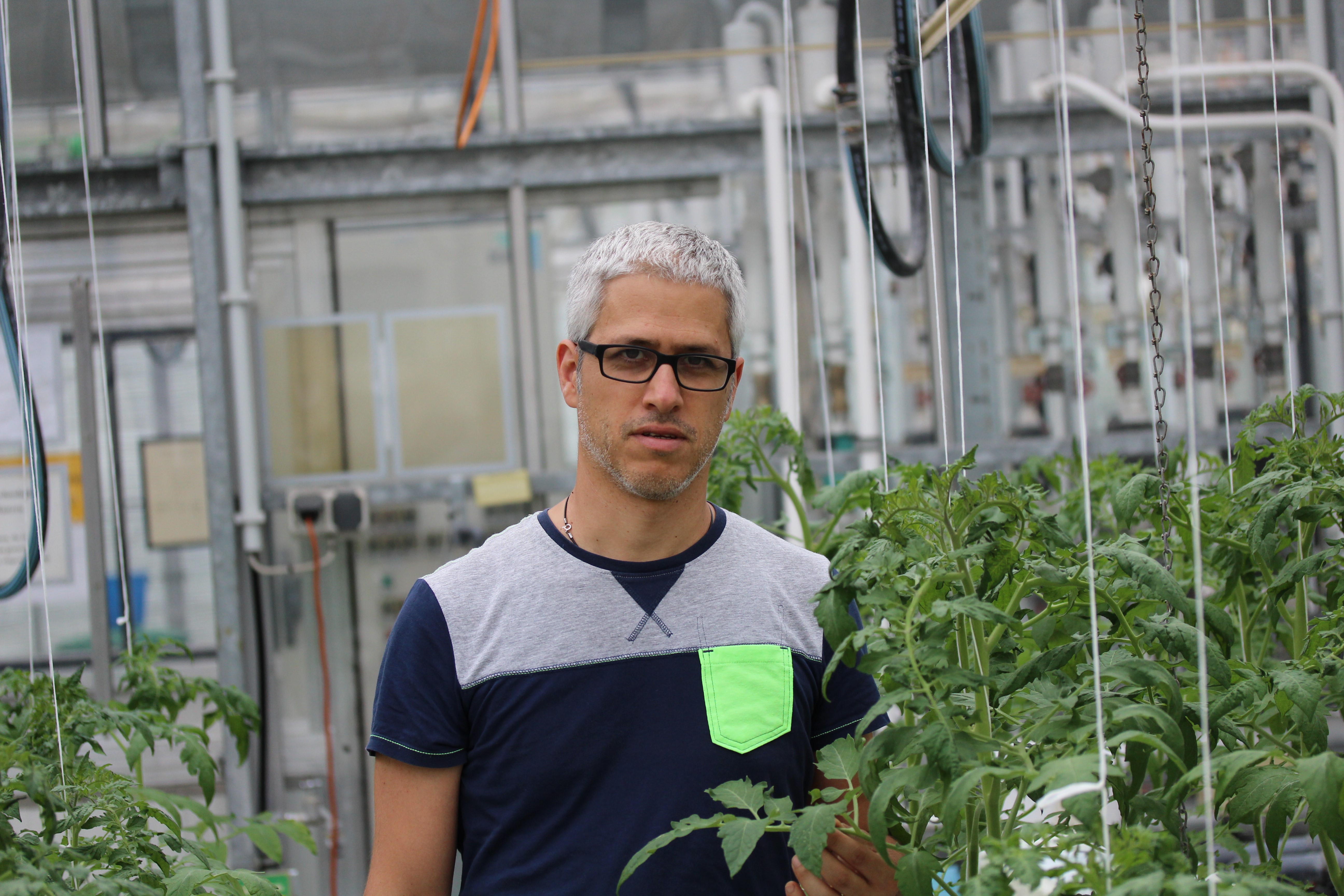
Prof. Dr. Youssef Rouphael Affiliation: Department of Agricultural Sciences, University of Naples Federico II, 80055 Portici, Italy |
 |
|
Youssef Rouphael is an Associate Professor of Horticulture with the Department of Agricultural Sciences, University of Naples Federico II. He is Section Editor-in-Chief of Agronomy MDPI and Associate Editor of several leading journals in horticultural science and has been a guest editor on biostimulants, vegetable grafting, specialty crops (microgreens and edible flowers), biofortification of vegetables, and quality and safety of fresh fruits and vegetables at harvest in several international journals in horticultural science. Prof. Rouphael has published 333 articles indexed in the Scopus database with a total of 9098 citations and an h-index of 56. He is a member of the scientific committee on Biostimulant.com. Prof. Rouphael is internationally known for his research in horticultural science and has coordinated many projects to improve horticultural production. |
|
|
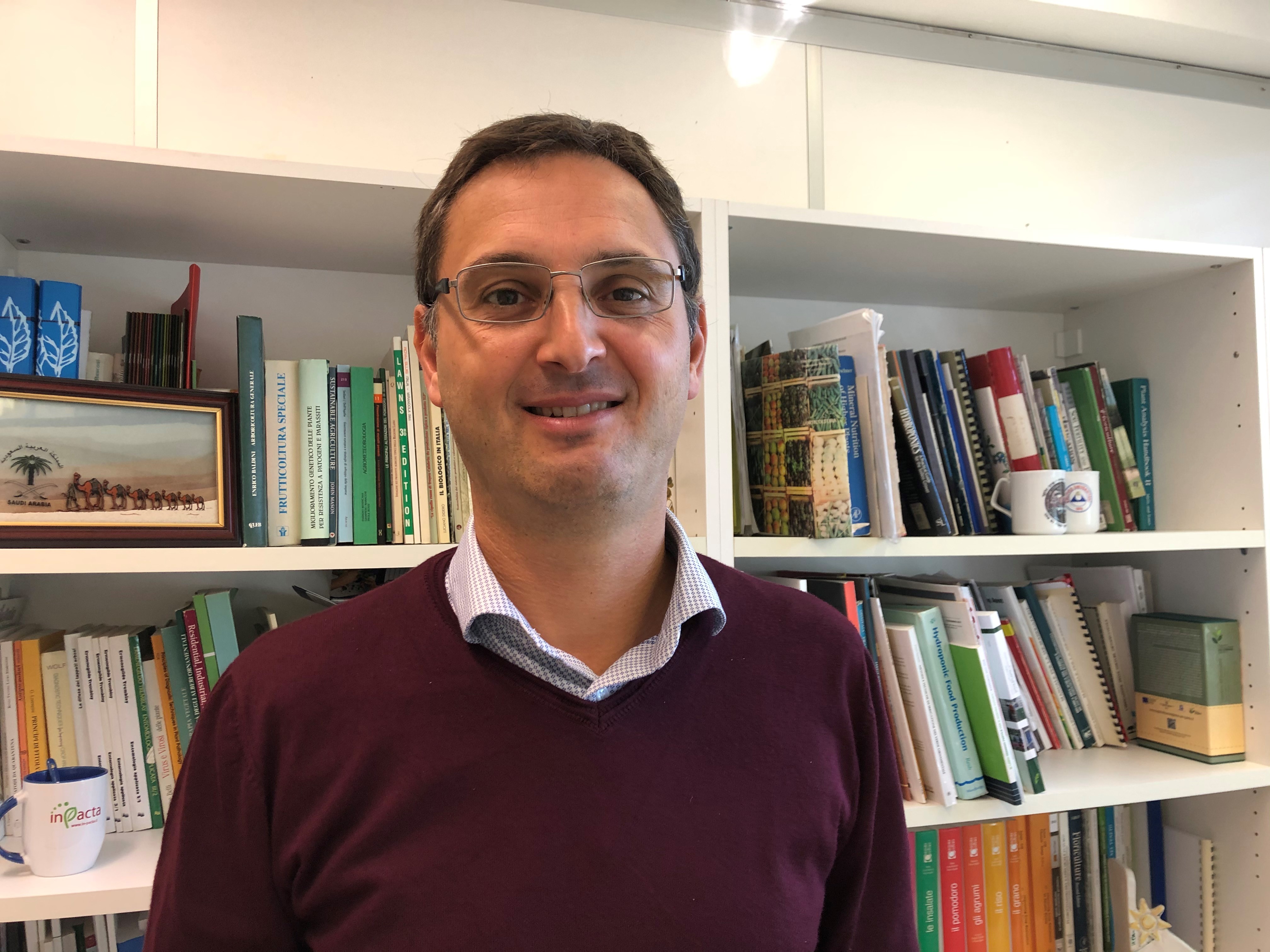
Prof. Dr. Giuseppe Colla Affiliation: Department of Agriculture and Forest Sciences University of Tuscia, 01100 Viterbo, Italy |
 |
|
Giuseppe Colla is Full Professor in vegetable crop production and floriculture with the Deptartment of Agriculture and Forest Sciences, University of Tuscia (Viterbo, Italy). He has been a visiting scientist at UC Davis and Purdue University (U.S.) and since 2018, he has been Director of the Experimental Farm 'Nello Lupori' of Tuscia University. His research on horticultural and floricultural crops is focused mainly on plant biostimulants and vegetable grafting as means to optimize resource use efficiency and tolerance to abiotic stresses especially under greenhouse conditions. He has published more than 240 papers (>7500 citations; h-index 52) in peer-reviewed international journals and is listed on the Top Italian Scientists website as one of the most influential Italian scientists. |
|
|
Dr. Mirella Sorrentino Affiliation: Department of Agricultural Sciences, University of Naples Federico II, 80055 Portici, Italy PSI (Photon Systems Instruments), spol. S.r.o., Drasov, Czech Republic |
 |
|
Mirella Sorrentino is a Ph.D. student with the Department of Agriculture of the University of Naples "Federico II". Her research work is mainly carried out in the Research and Development department of the Photon System Instrument (PSI), a biotechnology company based in Brno, Czech Republic. Here, she investigates the modes of action of different biostimulant substances on lettuce and tomato plants subject to abiotic stress using a high-throughput phenotyping platform. |
|
|
Dr. Mariateresa Cardarelli Affiliation: Consiglio per la Ricerca in Agricoltura e l'analisi dell'economia agraria, Centro di ricerca Orticoltura e Floro-vivaismo, 84098 Pontecagnano Faiano, Italy |
 |
|
Mariateresa Cardarelli is a Researcher at Council for Agricultural Research and Economics, Research Centre for Vegetable and Ornamental Crops (Pontecagnano, SA, Italy). Graduated in Agricultural Science with full marks and following with a Ph.D in Biotechnology (Tuscia University, Italy, 2000), she spent training periods at the International Center for Advanced Mediterranean Agronomic Studies di Chania (Creta) (1998) and the Leibniz Institute of Vegetable and Ornamental Crops (IGZ) in Groβbeeren (2013). In 2016–2017, she was a visiting scientist at Purdue University with the department of Horticulture and Landscape Architecture (Indiana, USA). Her professional interests include the growth and quality of vegetable plants under different nutrient conditions or abiotic stress, the effects of vegetable grafting on stress tolerance and nutrient use efficiency, the interactions between biostimulants and plants, and seed treatments with biological products (beneficial microorganisms or natural substances). |
|
|
Prof. Dr. Youry Pii Affiliation: Faculty of Science and Technology, Free University of Bozen, 39100 Bolzano, Italy |
 |
|
Youry Pii is an Associate Professor of Agricultural Chemistry with the Faculty of Science and Technology, Free University of Bolzano. His research activities are mainly focused on (i) the study of the interactions between plant, soil, and microorganisms, aimed at improving the uptake and use of mineral nutrients; (ii) the physiological and molecular responses in plants subjected to variable nutrients availability; and (iii) the physiological and molecular responses in plants treated with biostimulants. Prof. Pii is author of 67 scientific papers in international peer-reviewed journals (1097 citations; h-index 20). In addition, he serves an an Associate Editor for Frontiers in Plant Science and MDPI’s Agriculture and as Guest Editor for Acta Horticolturae. |
|
|
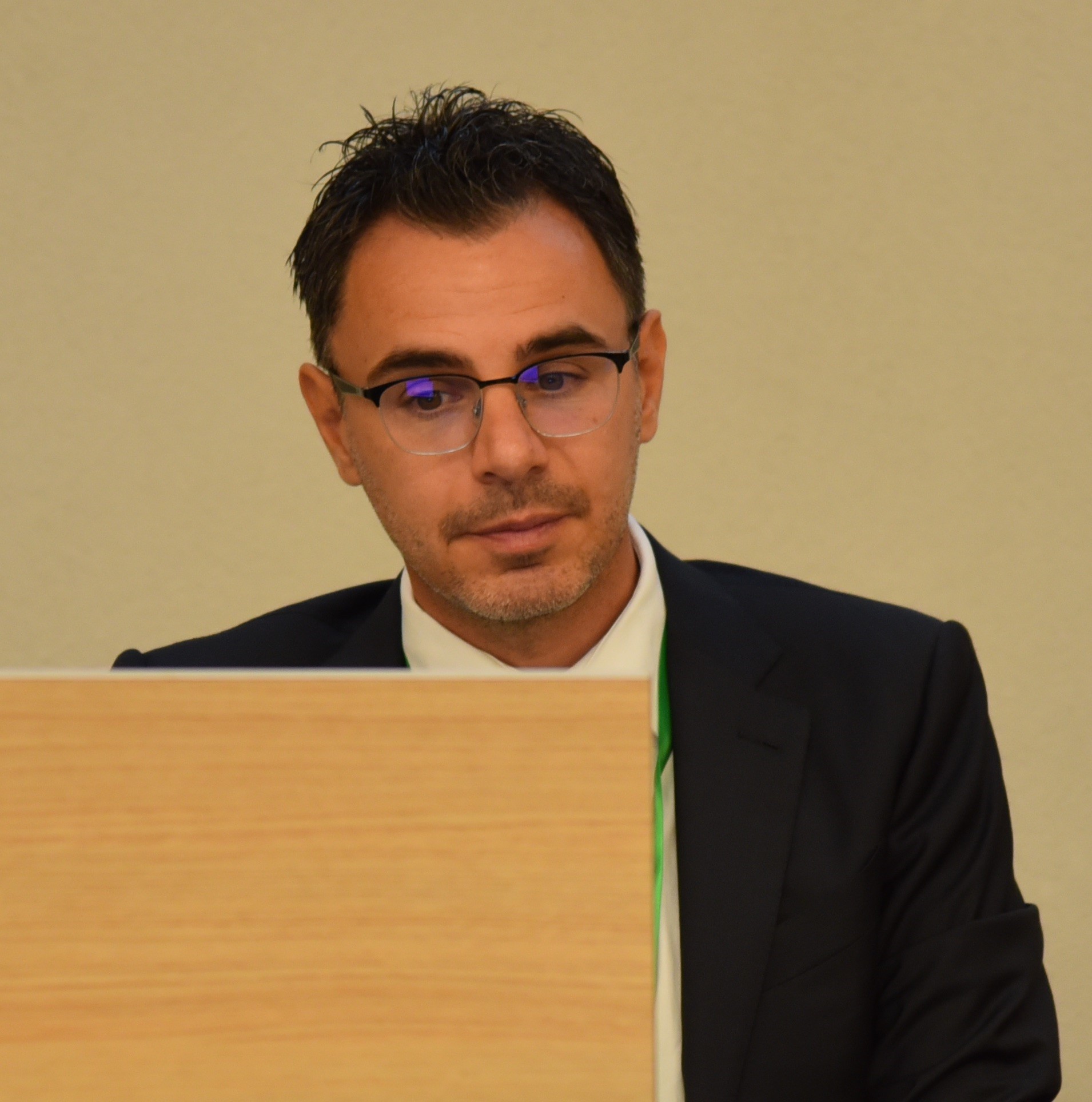
Prof. Dr. Luigi Lucini Affiliation: Department for Sustainable Food Process, Research Centre for Nutrigenomics and Proteomics, Università Cattolica del Sacro Cuore, 29122 Piacenza, Italy |
 |
|
Luigi Lucini is a Professor of Biochemistry at Università Cattolica del Sacro cuore, Piacenza, Italy. Following his B.S. in Food Science and Technology (1999), a M.S. in Safety in the Food Industry (2000), and a Ph.D. in Pesticides Chemistry, Biochemistry, and Ecology (2004) from the University of Milan, he joined a private company in the field of fine chemicals being responsible for part of R&D. In 2008, he moved to Università Cattolica del Sacro Cuore, Piacenza, as researcher, and since 2018, he has been an Associate Professor in agricultural chemistry, teaching classes on the biochemistry, physical-chemistry, and biochemistry of food, and organic chemistry with the Faculty of Agricultural, Food and Environmental Sciences. Since 2014, he has been responsible for the metabolomic facility at his faculty, dealing with plant, food, microbiology, and environmental metabolomics. His research topics include the effect of edaphic factors and abiotic stresses on plant biochemistry and plant secondary metabolism, including stress mechanisms, plant resilience, and acclimation processes; as well as the consequent modulation of physiological processes. Furthermore, Luigi Lucini deals with the modulation of functional components in plant-based foods, and the use of plant biostimulants to increase sustainable agricultural production. |
|
Live Session 3
Title: Biostimulants for sustainable crop production
Date: May 11 2021 10:00-12:30 AM (CEST)
Registration: https://us02web.zoom.us/webinar/register/2016179720197/WN_xw0mgVr2S1StkfnBqCZGwg
| Time | Speaker & Talk |
| 10:00-10:25 AM | Benoit Planque: Regulation EU 2019/1009 - How to market a biostimulant in Europe ? |
| 10:25-10:50 AM | Manuela Giovannetti: Microbial biostimulants: mycorrhizal fungi and associated bacteria |
| 10:50-11:15 AM | Maurizio Ruzzi: Microbiome: the hidden part of biostimulant effects |
| 11:15-11:40 AM | Paolo Bonini: Systematic approach for development of highly efficient plant biostimulants: An industrial perspective |
Chairs and Speakers Information
|
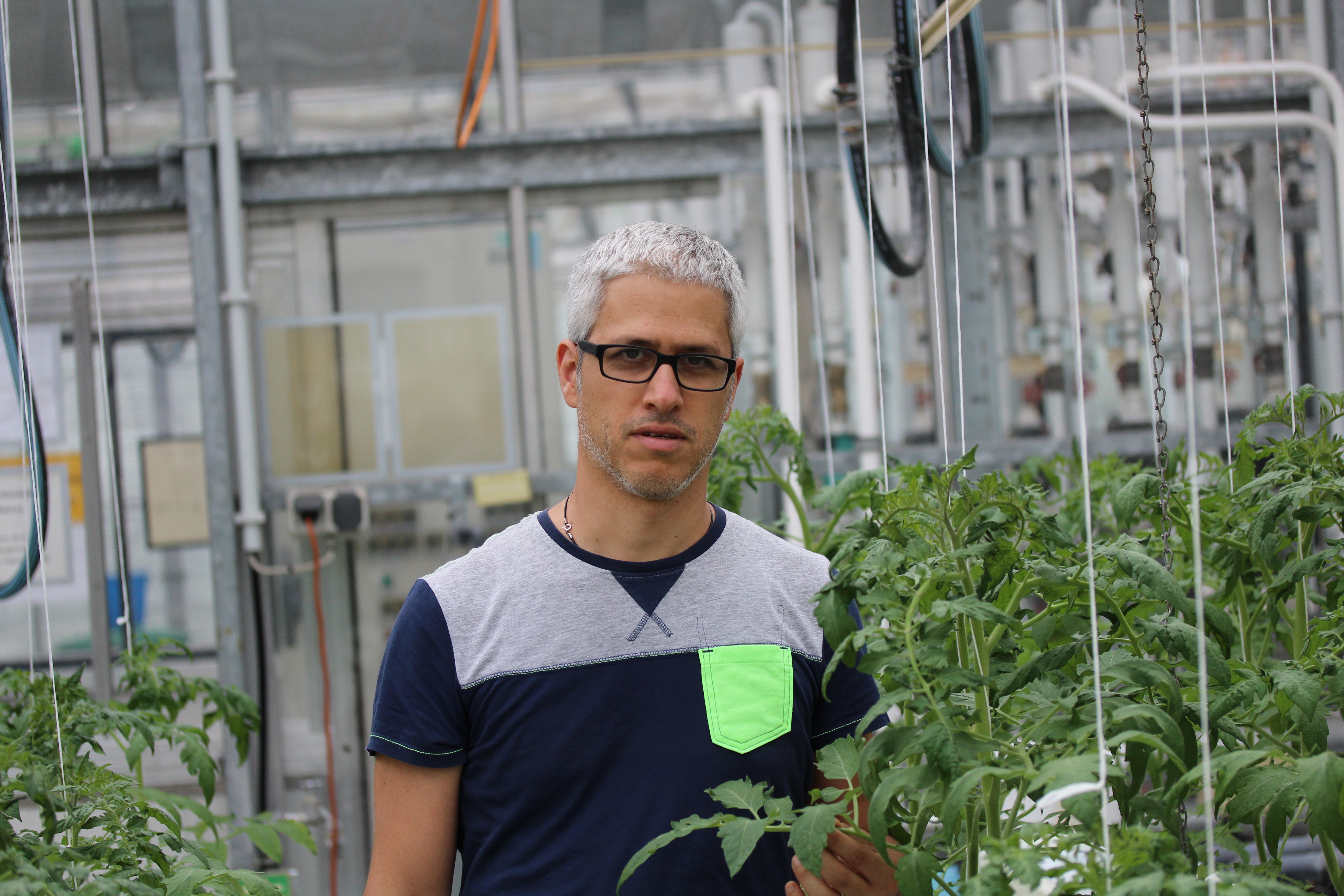
Prof. Dr. Youssef Rouphael Affiliation: Department of Agricultural Sciences, University of Naples Federico II, 80055 Portici, Italy
|
 |
|
Youssef Rouphael is an Associate Professor of Horticulture at the Department of Agricultural Sciences, University of Naples Federico II. He is a Section Editor-in-Chief of MDPI’s Agronomy and the Associate Editor of several leading journals in horticultural science, and has been a guest editor on biostimulants, vegetable grafting, specialty crops (microgreens and edible flowers), the biofortification of vegetables, and the quality and safety of fresh fruits and vegetables at harvest, in several international journals in horticultural science. Prof. Rouphael has published 333 articles indexed in Scopus database, with a total number of citations of 9098 and an h-index of 56. He is a member of the scientific committee of Biostimulant.com. Prof. Rouphael is internationally known for his research in horticultural science and has coordinated many projects to improve horticultural production. |
|
|
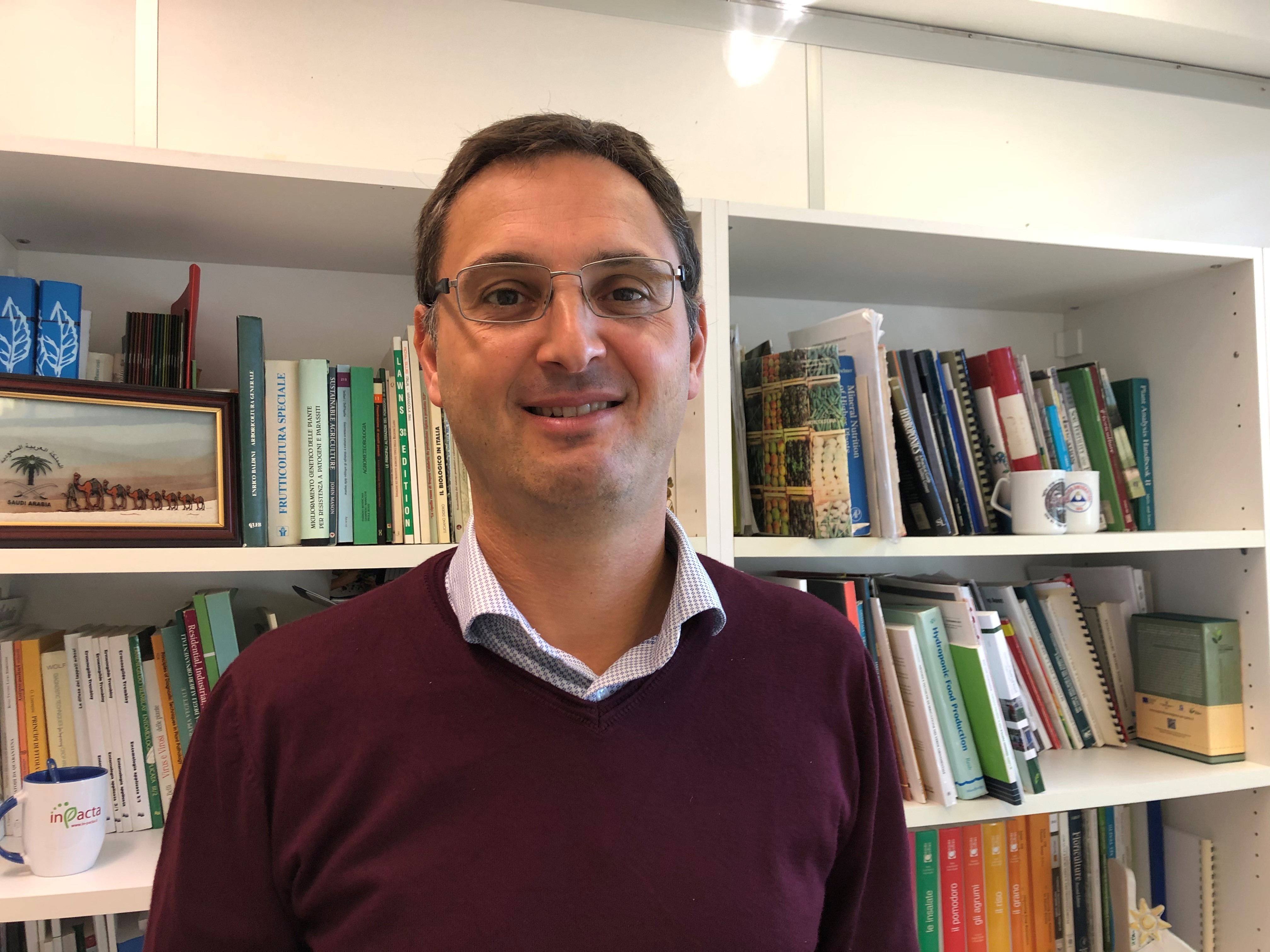
Prof.Dr. Giuseppe Colla Affiliation: Department of Agriculture and Forest Sciences University of Tuscia, 01100 Viterbo, Italy
|
 |
|
Giuseppe Colla is a Full Professor in vegetable crop production and floriculture at Deptartment of Agriculture and Forest Sciences, University of Tuscia (Viterbo, Italy). He has been a visiting scientist at UC Davis and Purdue University (US) and, since 2018, has been the Director of Experimental Farm 'Nello Lupori' at Tuscia University. His research on horticultural and floricultural crops is focused mainly on plant biostimulants and vegetable grafting, as a means to optimise resource use efficiency and tolerance to abiotic stresses, especially under greenhouse conditions. He has published more than 240 papers (>7500 citations; h-index 52) in peer-reviewed international journals and is listed on the Top Italian Scientists website, as one of the most influential Italian scientists. |
|
|
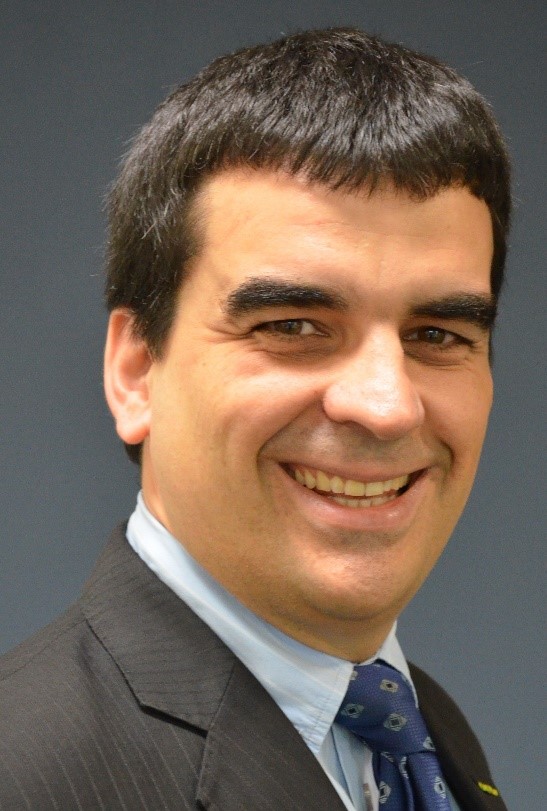
Dr. Benoit Planque
Affiliation: Chief Compliance Officer for Hello Nature
|
 |
|
Benoît PLANQUES is the Chief Compliance Officer for Hello Nature (previously called Italpollina), and has been a worldwide company producer of organic fertilizers and plant biostimulants for 50 years. He has been engaged with this subject since the first discussions on European harmonization regulation for fertilizing products in Paris. His work has increasingly focused on plant biostimulants, and he has been actively following the development of the EU regulation on fertilizing products (regulation UE n°2019/1009) in recent years. He has been involved with the standardization of fertilizing products since 1998. In 2017, he created, with the support of EBIC and AFNOR, the European Technical Committee’s CEN/TC 455 on plant biostimulants, who are currently developing several compliance standards in line with EU regulations. He chairs this European Committee and its French mirror committee. He is also an expert on ISO/TC 134, and acts as convenor of WG 6 on Beneficial Substances/Biostimulants. |
|
|
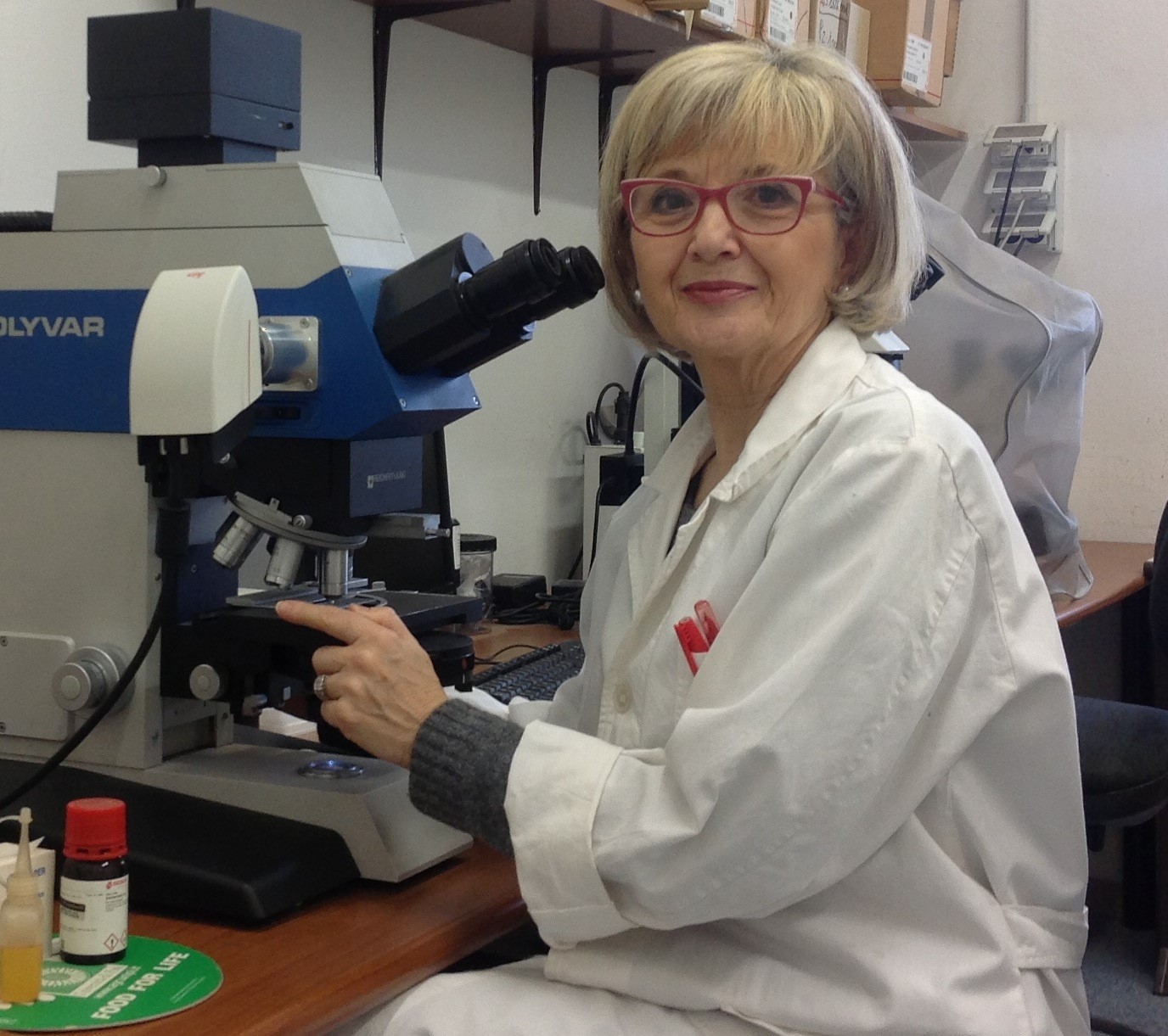
Prof.Dr. Manuela Giovannetti Affiliation: Academy of Georgofili, Logge Uffizi Corti, 50122 Firenze Previously, Department of Agriculture, Food and Environment, University of Pisa, Via del Borghetto 80, 56124 Pisa, Italy |
 |
|
Full Professor of Agricultural Microbiology, University of Pisa, Italy, from 2000 to 2020. She held the positions of: Director of Research Center “Nutraceuticals and Food for Health” at University of Pisa; Dean of Faculty of Agriculture at University of Pisa; Director of Soil Microbiology Research Center of C.N.R., Italy. She is the author of 160 papers published in international scientific journals; her citation index is 9315 and H-index 44 (20/4/2021). She was a national delegate of EU COST Actions 870 and 8.38; partner/participant to 4 EU projects. She is the principal investigator of many national research projects. She is the Editorial Board Member of Scientific Reports and Reviewers in more than 20 scientific journals. Prof. Giovannetti carried out research activities on the nutraceutical value of mycorrhizal plants, molecular/functional diversity of arbuscular mycorrhizal fungi and of yeasts and lactic acid bacteria, and the structure and function of mycorrhizal networks. She developed, together with Dr. Mosse, the famous analytical method for measuring vesicular arbuscular mycorrhizal infection in roots published in New Phytologist in 1980 (https://doi.org/10.1111/j.1469-8137.1980.tb04556.x). She is actively involved in science communication. |
|
|
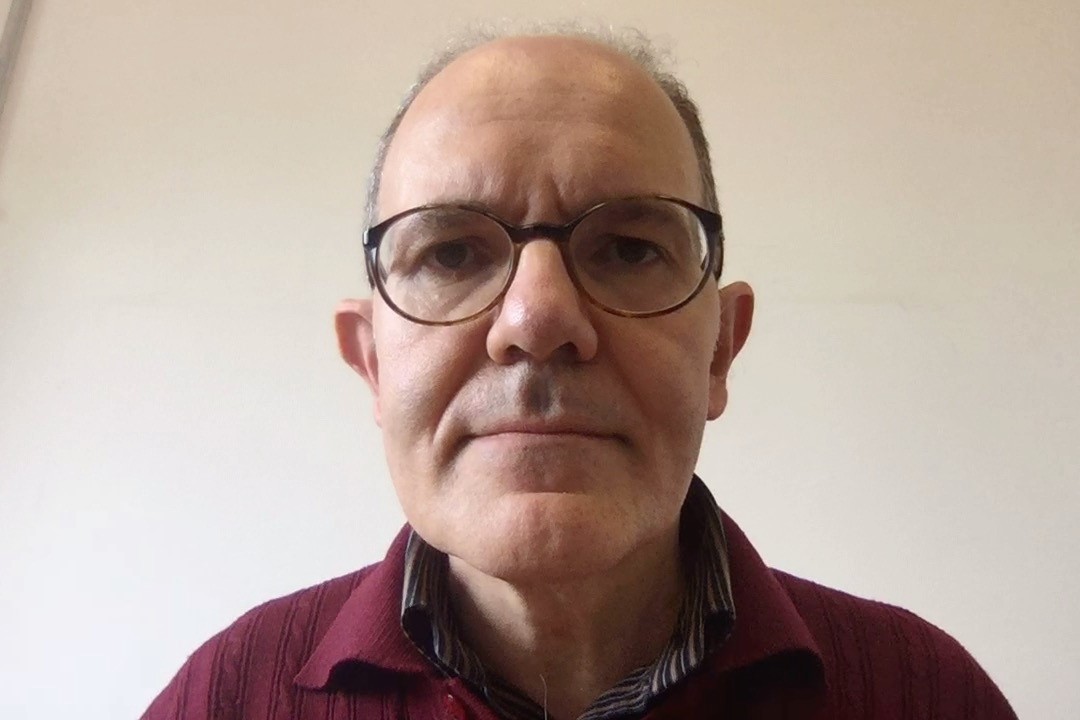
Prof.Dr. Maurizio Ruzzi Affiliation: Department for Innovation in Biological, Agrofood and Forest Systems, University of Tuscia, Viterbo, Italy |
 |
|
Maurizio Ruzzi is a Professor of Fermentation Biotechnology at the Department for Innovation in Biological, Agro-food and Forest Systems (DIBAF) of University of Tuscia, Viterbo. His main research interests are in the fields of microbial physiology, characterization of plant and animal associated micro-organisms through molecular tools, development of novel plant biostimulants based on microorganisms and their metabolites, metagenomic analysis of the dynamics of microbial communities in fresh and fermented foods and agricultural and natural environments. He is the author of more than 60 publications in international journals, conference proceedings, and book chapters. He has been recently appointed as Project Leader of the CEN/TC 455 Working Group 3 on “Pathogenic and non-pathogenic microorganisms” for the development of technical specifications in plant biostimulants for listeria monocytogenes and anaerobic micro-organisms. |
|
|
Dr. Paolo Bonini Affiliation: oloBion—OMICS LIFE LAB, Barcelona, Spain |
 |
|
Paolo Bonini is the founder and CEO of oloBion, a laboratory of metabolomics analysis located in Barcelona, Spain. oloBion is working in collaboration with NGAlab, a laboratory of Genomics and Metagenomics analysis located in Tarragona, Spain. Mr. Bonini has previously covered the role of R&D Director of the Spanish company Atens, where he obtained more than 10 international patents on microbial-based biostimulants. Mr. Bonini’s research is focused on the use of metabolomics and metagenomics for understanding the mode of action and the mechanism behind the variation of the phenotype induced by biostimulant applications. He published more than 30 papers (>900 citations; h-index 16) in peer-reviewed international journals. |
|
Live Session 4
Title: Challenges in Grassland Agro-Ecology in A Global Change Context
Date: May 14 2021 9:00-11:00 AM (CEST)
Registration: https://us02web.zoom.us/webinar/register/2616179721501/WN_p8YQmAFSTBawwLD3bRhByg
| Time | Speaker & Talk |
|
9:00-9:10 AM |
Gianni Bellocchi: Opening of the Webinar |
| 9:10-9:35 AM | Catherine Picon-Cochard: The hidden-half of grassland ecosystem in the context of global change |
| 9:45-10:10 AM | Massimiliano Probo: Insights on the use of agroforestry for forage production |
| 10:20-10:45 AM | Xian Xue: Desertification of Alpine grasslands on the Qinghai-Tibetan Plateau |
| 10:45-11:00 AM | Q&A |
Speakers
|
Dr. Gianni Bellocchi |
Dr. Gianni Bellocchi is the session chair of session "Challenges in Grassland Agro-Ecology in a Global Change Context" in this conference. He is a research director at the Grassland Ecosystem Research Unit (UREP) of the French National Institute for Agriculture, Food and Environment (INRAE). With expertise in agro-climatic and hydrological modelling, his research focusses on two main issues: the study of agro-ecosystem responses to environmental variables and management, and the development of participatory approaches to evaluate the simulation models used to study these responses. Oriented towards the modelling of carbon and nitrogen cycles in grasslands, his research interests range from sequestration/emission processes to the links between plant diversity and biogeochemical processes. In 2013–2016, he coordinated the EU-FP7 project MODEXTREME (MODelling vegetation response to EXTREMe events), in tandem with projects of the Joint Programming Initiative on Agriculture Food Security and Climate Change, where he directed several activities of model inter-comparison for the simulation of production and biogeochemical variables in grasslands and field crops. In 2018-2019, as coordinator of the French project MODIPRAS (Modelling the relationships between species diversity, the functioning of grassland systems and their capacity to provide ecosystem services), he has addressed the incorporation of plant diversity dynamics into biogeochemical models. He is currently leading modelling tasks in the European Joint Programming on agricultural soil management and sits on the Editorial Boards of Agronomy, Agronomy for Sustainable Development and Atmosphere. |
|
Dr. Catherine Picon-Cochard |
Dr. Catherine Picon-Cochard is a research director and the head of the Grassland Ecosytem Research Unit (UREP) of the French National Institute for Agriculture, Food and Environment (INRAE). Her main resarch topic is to understand how climate change and management affect populations, species and communities of perennial grassland, at above and below-ground levels. Ecophysiological and morphological traits of leaves and roots are studied for semi-controlled and field experiments. Manipulation of climate change drivers (drought, atmospheric CO2, warming) are applied in the field in order to predict the evolution of grassland properties (production, quality, extreme drought resistance and resilience). More recently, she coordinates research in agrivoltaism in sheep grazed grassland. |
|
Dr. Massimiliano Probo |
Dr. Massimiliano Probo is the head of the Grazing Systems Group in the Animal Production Systems and Animal Health Research Division at Agroscope, Switzerland. His main research fields are grassland ecology and management, above all in mountain ecosystems. Over the past 15 years he has worked on the relationshiphs among plant functional traits, botanical composition, biodiversity conservation, forage yield and quality, grassland management, feeding preferences by livestock, and milk quality. Currently, he is leading a national project on the use of robust livestock to develop sylvo-pastoral systems on extensive alpine shrub-encroached pastures. Since 2018, he is the head of the Western Switzerland Section of the Swiss Grassland Society. |
|
Prof. Xian Xue |
Dr. Xian Xue is the head of the Department of Desert and Desertification in the Northwest Institute of Eco-Environment and Resources, Chinese Academy of Sciences. Her main research fields are desertification and restoration, climate and environmental change in the arid and cold regions. From 2002 to 2010, Dr. Xue's research focused on the dynamic process and mechanism of desertification and its rehabilitation in Northern China. Since 2010, she led a 10-year warming and grazing experiment in Qinghai-Tibet Plateau to explore the impact of global warming and human activity on the alpine ecosystem and land degradation. Currently, she is leading a national project on the survey of the desert ecosystem on the Qinghai-Tibetan Plateau. Dr. Xue is also the director of the salinization research station of NIEER. She leads the station members to restore the degraded land in the drylands by integrating water management, sustainable agriculture, and biological techniques. |


Live Session 1 - 10.05.2021
Live Session 2 - 10.05.2021
Live Session 3 - 11.05.2021
Live Session 4 - 14.05.2021