Insects Webinar | A Tiny Bite, A Global Impact
the chair
4th Insects Webinar
A Tiny Bite, A Global Impact
Welcome to the "Tiny bite, global impact" webinar, an initiative hosted by Insects dedicated to addressing one of the most pressing public health and biological challenges of our time: vector-borne diseases transmitted by mosquitoes. Today, we bring together lead scientists to explore the crucial role these small insects play in driving global health dynamics.
Mosquito-borne diseases continue to present complex, evolving threats across ecosystems and human populations, driven by environmental shifts, vector adaptation, and rapid urbanization. Bridging the gap between frontier research and real-world application requires more than just field and laboratory science; it demands an active dialogue between evidence-based research, public policy, and local action.
This webinar aims to serve as a platform for this diverse conversation—highlighting cutting-edge scientific discoveries, discussing sustainable vector control strategies, and empowering policy decision makers’ engagement. Together, we will examine how understanding mosquito biology, ecology, and immunology can be translated into actionable strategies that protect vulnerable populations.
Thank you for joining us in building this bridge between science and society to turn research into global health impact.
Date: 31 August 2026
Time: 3:00 pm CEST | 9:00 am EDT
Webinar ID: 814 9408 0246
Webinar Secretariat: journal.webinar@mdpi.com
Meet Our Chair

National Institute of Public Health, Mexico;Prof. Dr. Cuauhtémoc Juan Humberto Lanz Mendoza is the Director of the Infection and Immunity Area at the National Institute of Public Health (INSP) in Mexico, holding a Level III designation in the National System of Researchers (SNII). He obtained his Ph.D. in Immunology from IPN and completed postdoctoral fellowships at Stockholm University, ETH Zurich, and the University of Arizona. His research focuses on the physiology and immunology of major disease vectors, such as Anopheles albimanus and Aedes aegypti. He has published over 120 peer-reviewed papers, authored two patents and an official standard for textile repellency testing, and mentored more than 25 graduate and undergraduate students. As the former president of the Mexican Society of Immunology (SMI) and member of the Mexican Academy of Sciences, he serves on the IUIS Cytokine Nomenclature Subcommittee and coordinates the Evolutionary Immunology Chapter of the SMI. He has been honored with national and international awards, including the Von Behring–Kitasato Award in Immunology.
This is a FREE webinar. After registering, you will receive a confirmation email containing information on how to join the webinar. Registrations with academic institutional email addresses will be prioritized.
Certificates of attendance will be delivered to those who attend the live webinar.
Can’t attend? Register anyway and we’ll let you know when the recording is available to watch.
Meet Our Speakers
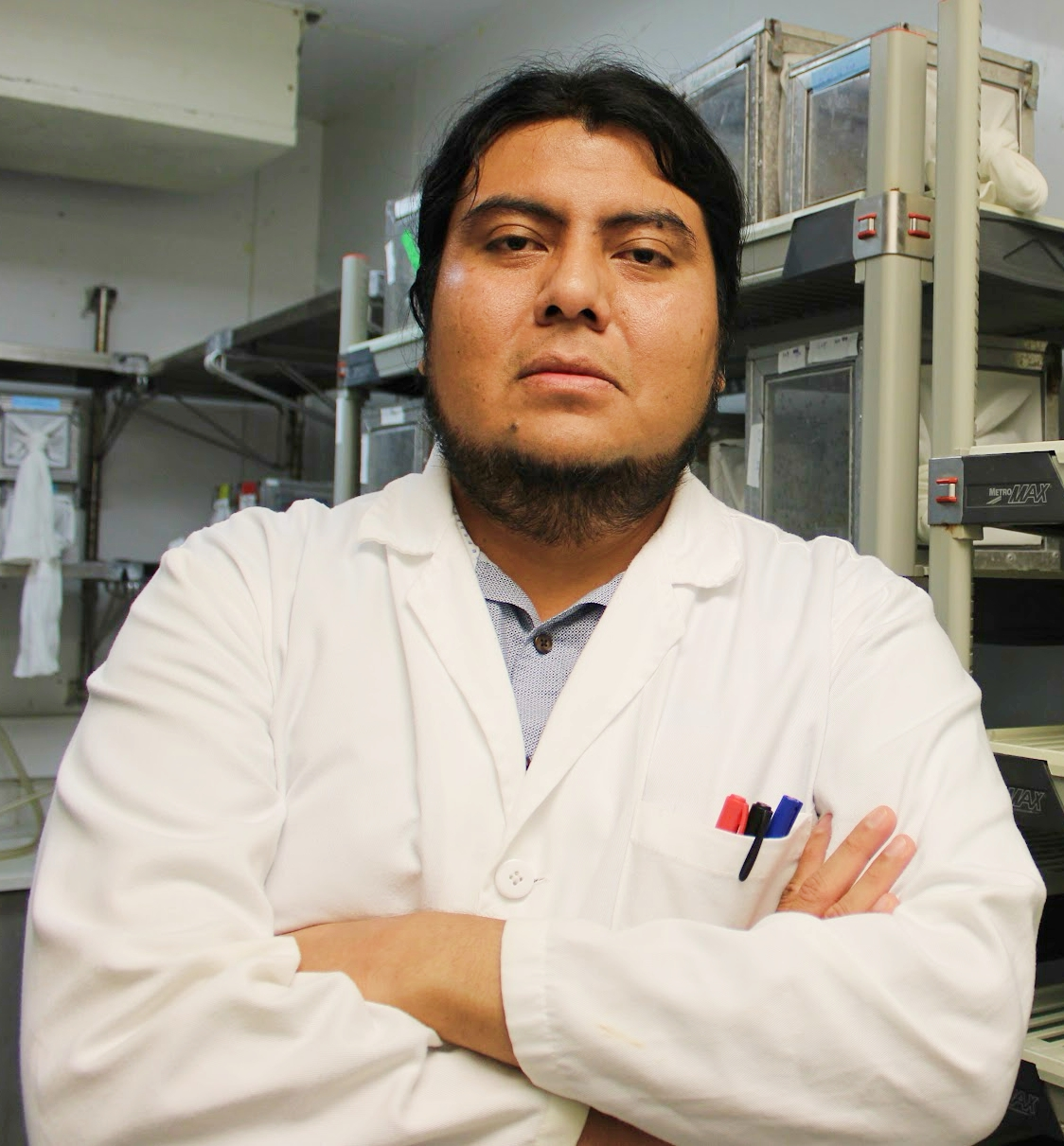
Center for Research and Advanced Studies (CINVESTAV), Mexico;Dr. Victor Cardoso-Jaime earned his Ph.D. in Infectomics and Molecular Pathogenesis from the Center for Research and Advanced Studies (CINVESTAV) and the National Institute of Public Health in Mexico. He completed his postdoctoral training at the Johns Hopkins Bloomberg School of Public Health from 2021 to 2025 and is currently a visiting professor in the Department of Biochemistry at CINVESTAV. Dr. Cardoso-Jaime has authored 17 scientific publications and is an active member of several professional societies, including the Entomological Society of America, the Mexican Society of Immunology, and the Mexican Society of Parasitology. His research focuses on understanding the cellular and molecular mechanisms that shape mosquito immune responses to pathogens, with particular interest in mosquito–pathogen interactions and vector-borne diseases.

Instituto Nacional de Salud Pública, Mexico;Jorge Cime Castillo holds a PhD in Science in Biomedical Research from UNAM. He is a researcher in medical sciences from the National Institute of Public Health of Mexico at the Center for Research on Infectious Diseases. He has done research stays at the Institute of Sciences and Technologies of Lille, France, in the area of glycobiology and at the Southwest Foundation for Biomedical Research Institute in San Antonio, Texas, in the area of vector-borne arboviruses. He has participated in the research project "Molecular bases of the immune response in Anopheles albimanus mosquitoes". He has been responsible for the entomological surveillance project as a comprehensive control measure for vector-borne diseases, as well as comprehensive projects such as "Integrated management of mosquito vectors of arboviruses through entomo-virological surveillance in Mexico and Chile, a community approach, with a gender perspective and cultural relevance" and projects that seek a network of key genes in the susceptibility to infections in mosquito vectors in the presence of pathogens through the comprehensive analysis of transcriptomes in relation to metabolic, physiological and epigenetic machinery changes. His lines of research include the study of mosquito–pathogen interaction with insect disease vector models, such as the mosquitoes Anopheles albimanus, Aedes aegypti and Ae. albopictus.
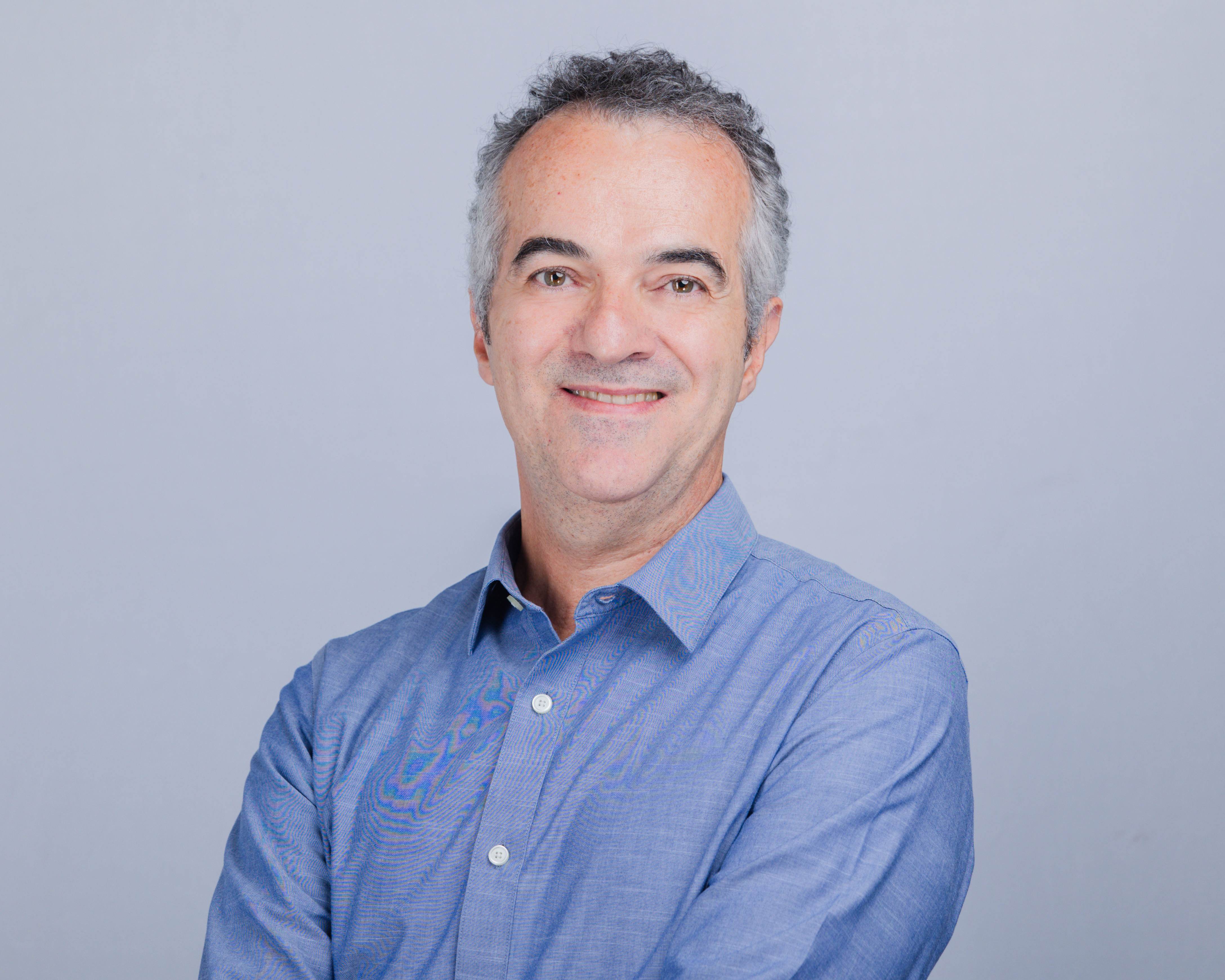
Oswaldo Cruz Foundation, Brazil;Luciano Moreira, BSc. in Agricultural Engineering and Ph.D. in Genetics and Plant Breeding (1998). He obtained his first post-doctorate at Case Western Reserve University (USA) from 1998 to 2002, on mosquitoes and malaria parasite. He is a Public Health Researcher at FIOCRUZ (Brazil) from 2002 to 2024, working on vector biology and pathogen/ invertebrate hosts interactions. From 2008 to 2010, he did a sabbatical at the University of Queensland (Australia) with Scott O’Neill when they discovered the blocking effect of Wolbachia (in Aedes aegypt) towards dengue virus. A discovery patent has been filed in Australia, USA and Canada and the team won the Australia Eureka Prize in 2009. In 2011, he brought the Wolbachia Method to Fiocruz and over 10 years the team was able to protect around 5 million people in several cities in Brazil against arboviruses. In 2023, the Brazilian Ministry of Health incorporated the Wolbachia Method as a Public Health Policy and in 2024 the largest facility to produce Wolbachia mosquitoes was inaugurated in Brazil (Wolbito do Brasil). Luciano was the first CEO of Wolbito do Brasil until January 2026 when he became a Senior Consultant for the World Mosquito Program. In December 2025 Luciano was nominated by the Nature Magazine one of the 10 names that shaped science and in February 2026, Time Magazine listed him as the Most Influential People in Health 2026.
Edited by Barry W. Alto and Limarie J. Reyes-Torres
Deadline for manuscript submissions: 15 October 2026
Population Genetics of Mosquitoes
Edited by Gregory C. Lanzaro
Deadline for manuscript submissions: 31 December 2026
Challenges in Mosquito Surveillance and Control
Edited by Solomon Birhanie
Authors: by Fernanda Oliveira Rezende et al.
Online Crowdsourced Data from iNaturalist Can Assist Monitoring of Invasive Mosquitoes
Author: by Benjamin Cull
Authors: by Prangthip Parichanon et al.