
Speakers
Keynote Speakers

Prof. Dr. Luke Pyung-Se Lee
Harvard Medical School, Harvard University, Brigham and Women's Hospital, Boston, USA.; [13:00 Coordinated Universal Time (UTC) | 17 Oct 2024 (Thursday)]

Prof. Dr. Molly Shoichet
Institute of Biomedical Engineering, University of Toronto, Toronto, Canada.; [13:00 Coordinated Universal Time (UTC) | 18 Oct 2024 (Friday)]
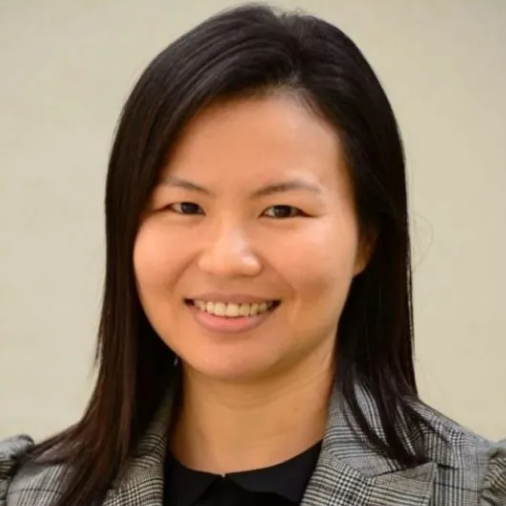
Prof. Dr. Wai Yee Yeong
School of Mechanical & Aerospace Engineering, Nanyang Technological University, Singapore.; [7:10 Coordinated Universal Time (UTC) | 16 Oct 2024 (Wednesday)]

Prof. Dr. Kristala L. Jones Prather
Head of the Department of Chemical Engineering, Massachusetts Institute of Technology (MIT), Cambridge, USA.; [13:00 Coordinated Universal Time (UTC) | 16 Oct 2024 (Wednesday)]

Prof. Dr. Chuanbin Mao
Department of Biomedical Engineering, The Chinese University of Hong Kong, Hong Kong.; [7:10 Coordinated Universal Time (UTC) | 17 Oct 2024 (Thursday)]
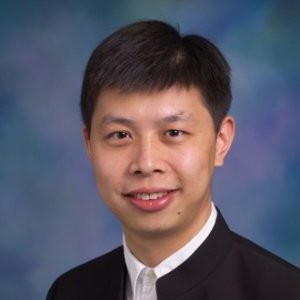
Prof. Dr. Tingrui Pan
Suzhou Institute for Advanced Research, University of Science and Technology of China, Suzhou, China.; [7:10 Coordinated Universal Time (UTC) | 18 Oct 2024 (Friday)]
Invited Speakers
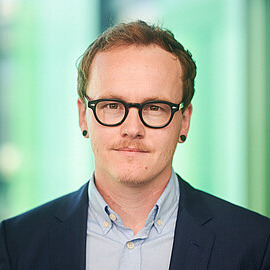
Prof. Dr. Dominik Egger
Faculty of Natural Sciences, Leibniz Universität Hannover, Hannover, Germany.
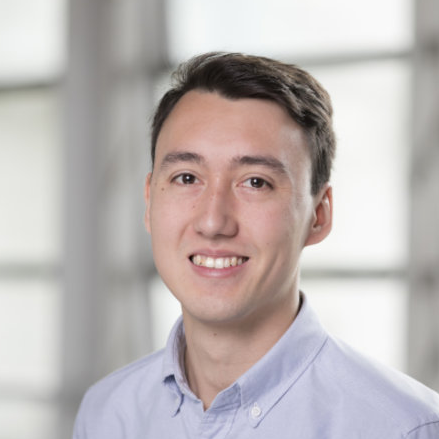
Dr. Jonathan P. Wojciechowski
Stevens Group, Kavli Institute for Nanoscience Discovery, Oxford, UK; Department of Physiology, Anatomy and Genetics, University of Oxford, Oxford, UK.

Prof. Nicola Hagemeister
Department of Systems Engineering, École de Technologie Supérieure, Montreal, Quebec.
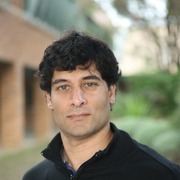

Prof. Dr. Archana Bhaw-Luximon
Biomaterials Engineering and Nanomedicine
Biomaterials, Drug Delivery and Nanotechnology Unit Head, Center for Biomedical and Biomaterials Research (CBBR), University of Mauritius, Réduit, Mauritius

Prof. Dr. Gary L. Bowlin
Department of Biomedical Engineering, The University of Memphis, Memphis, USA


Prof. Dr. Anthony Guiseppi-Elie
Founding Editor-in-Chief, Bioengineering; Founding Dean of Engineering, Anderson University SC; President and Sr. Fellow, AIIMSEI


Prof. Dr. Leopoldo Angrisani
Department of Information Technology and Electrical Engineering, University of Napoli Federico II, Naples, Italy.
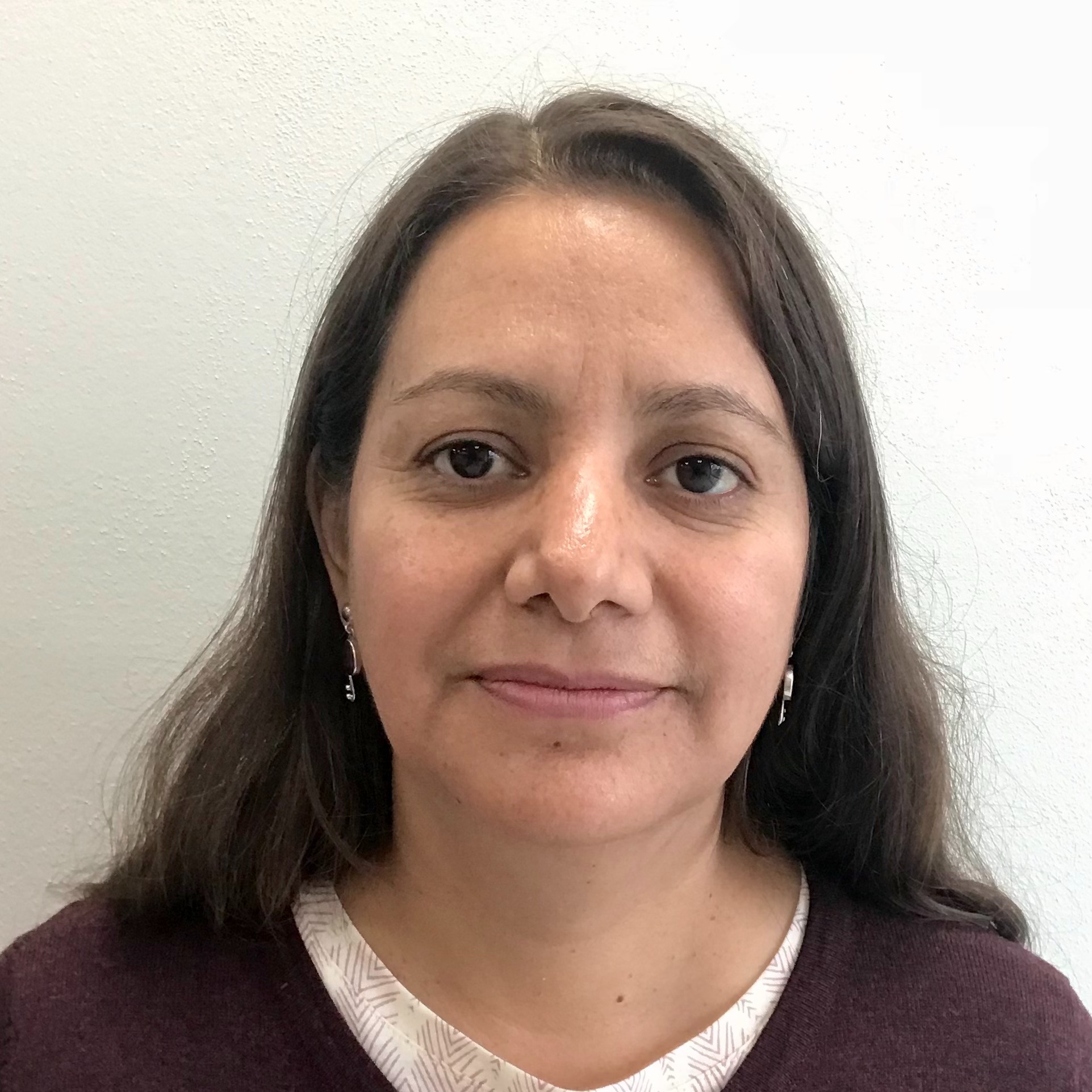
Prof. Dr. Carmen Mayorga
School of Biomedical Engineering, UPC-Peruvian University of Applied Science, Lima, Peru.

Prof. Dr. Maria Tereza Fernandez Abedul
Department of Physical and Analytical Chemistry, University of Oviedo, Spain.
Invited Speakers
Name: Prof. Dr. Gulden Camci-Unal
Affiliation: Department of Chemical Engineering Emerging Technologies & Innovation Center (ETIC), University of Massachusetts Lowell, Lowell, USA.
Introduction: Talk: Unconventional Biomaterials for Tissue Engineering and Regenerative Medicine. Abstract: Regeneration of tissues damaged due to disease, trauma, degeneration, and aging represents a major medical need. Although surgical replacement can be performed to address this issue, insufficient number of donors limits the applicability of the approach. There is an unmet demand for development of tissue replacements. My work at the interface of biomaterials and biomedical engineering has made important contributions in generation of engineered biomaterial platforms through my multidisciplinary research background. To achieve my research goals, I use diverse tools from chemistry, cell biology, materials science, engineering, and medicine. In this seminar, I will talk about the functional biomaterials that we developed using unconventional approaches to generate tissue-mimetics for clinical applications. We developed multicellular and compartmentalized scaffolds for regenerative engineering, hydrogel-based platforms for personalized medicine, bioactive scaffolds for template-guided biomineralization, oxygen-generating biomaterials for tissue repair, micro/nanoparticle-reinforced hydrogels and origami-inspired approaches for bone tissue engineering, and hydrogel-based stem cell delivery approaches. I will also talk about my lab’s expertise on developing point of care (POC) diagnostic platforms for detection of pathogenic diseases (viral and bacterial), health conditions, forensic applications, and testing for environmental reagents. To overcome the limitations with the conventional methods, we develop rapid, portable, and reliable platforms for POC diagnostics. My lab’s research projects cover a broad range of applications including understanding fundamental biology to developing disease models for personalized medicine, tissue repair and regeneration, and rapid POC diagnostics. The overarching goal of my research is to improve human health and quality of life.
Image: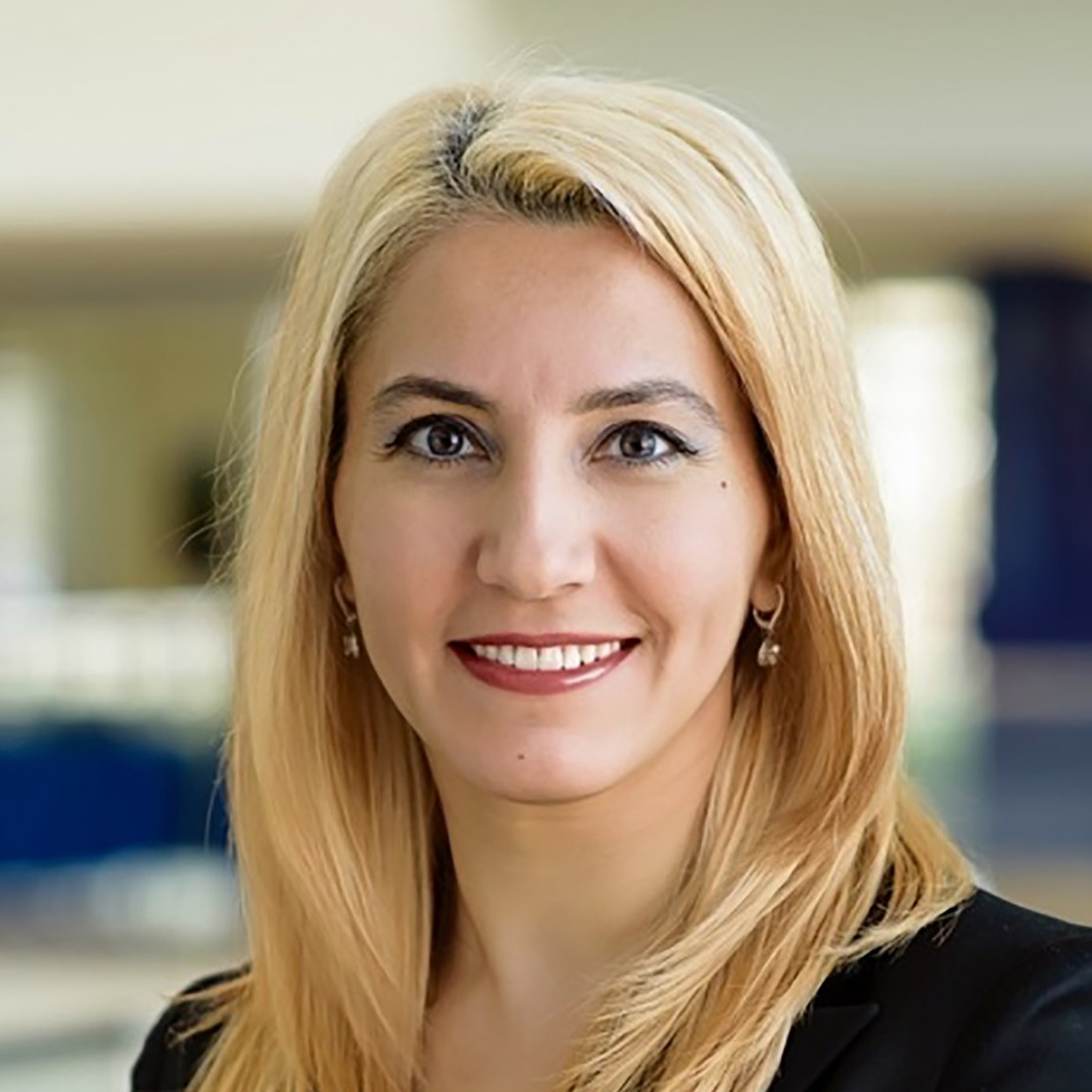
Name: Prof. Dr. Franz Konstantin Fuss
Affiliation: 1. Chair of Biomechanics, Faculty of Engineering Science, University of Bayreuth, Bayreuth, Germany 2. Division of Biomechanics, Department of Biomechatronic Systems, Fraunhofer Institute of Manufacturing Engineering and Automation IPA, Stuttgart, Germany
Introduction: Talk: Dynamic balance diagnostics with smart insoles
Image:
Name: Dr. Daria Podstawczyk
Affiliation: Department of Process Engineering and Technology of Polymer and Carbon Materials, Faculty of Chemistry, Wroclaw University of Science and Technology, Wrocław, Poland.
Introduction: Talk: Coaxial 4D Printing of Thermoresponsive Hydrogel Soft Bioactuators with Embedded Perfusable Channels. Abstract: Most soft actuators have bimorph and planar structures, which allow them to deform only in the linear direction, e.g., bending. Recently, more attention has been paid to advanced, three-dimensional actuators with patterned structures and complex motions (1). A promising method for more precisely controlling material architecture involves the use of 4D printing technology. 4D printing is an emerging fabrication technology that offers precise manufacturing with great potential in various engineering applications, including soft biorobots. It enables the creation of dynamic and responsive structures using 3D printing techniques and materials capable of changing shape over time (the fourth dimension). Here, we focus on the swelling/deswelling phenomena in thermoresponsive hydrogels as the driving force for changing material shape in response to stimuli. We developed a protocol for producing new advanced functional PNIPAAm-based biomaterial inks for coaxial 4D printing of biomaterials. These biomaterials have a geometrically designed internal microstructure and architecture, capable of reversibly expanding and contracting in response to temperature changes (2). This was achieved by designing oriented microstructures and patterned macrostructures with perfusable channels embedded within the 4D-printed hydrogel (3). We also investigated the physics of anisotropy of the printed hydrogel and conducted physicochemical, rheological, and mechanical characterization of the functional inks and 4D-printed objects. This confirmed the interrelation between material properties and shape morphing behavior.
Image: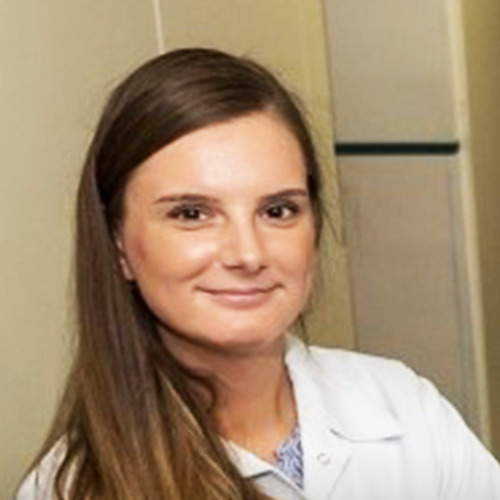
Name: Dr. Andrew Robbins
Affiliation: Department of Mechanical Engineering, University of Texas at Tyler, Tyler, USA.
Introduction: Talk: Learning how Sheep Move: Developing a General Inverse Kinetic Model for Sheep. Abstract: Introduction: Whole body inverse kinetic models of humans are well developed. However, for animal models of human disease, the prevalent tools in human biomechanics do not exist. This work explores the development of whole body biomechanical models of quadrupeds, and presents preliminary results in the development of a whole body biomechanical model for sheep in OpenSIM, for use with motion capture data. We present statistical and machine learning models for predicting the hip joint centers from anatomical measurements and landmarks, as well as models for predicting the mass and inertial properties of sheep body segments. Methods: CT scans from 16 sheep of varying ages, weight, sex, and phenotypes were acquired and the data used to calculate the known hip joint center by sphere fitting the femoral head. Anatomical measurements and additional subject information were used to create models to estimate the hip joint centers in absence of CT data. Then, the mass and moments of inertia for each body segment were estimated from the CT scans, and predictive models applied in the absence of CT scans. Results: Hip joint centers were predicted with much greater accuracy than previous methods, with errors on the order of a few millimeters, depending on the animal. Mass and inertial properties were predicted with less accuracy, with errors typically within 10%, but in some cases exceeding 20%. Conclusions: This work represents a significant new set of data for biomechanical models of sheep, being the first comprehensive study to include data from multiple animals. However, our data set is still limited, and would significantly benefit from a larger set of animals to be included. Additionally, sensitivity analysis on the models produced using this data will need to be performed to determine the extent to which errors in the various parameters affect final kinetic analyses.
Image: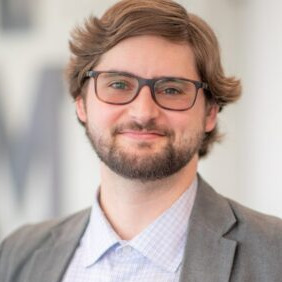
Name: Prof. Dr. Michael Moreno
Affiliation: Department of Mechanical Engineering, J. Mike Walker ’66 Faculty, Texas A&M University, Texas, USA.
Introduction: Talk: Learning how Sheep Move: Developing a General Inverse Kinetic Model for Sheep. Abstract: Introduction: Whole body inverse kinetic models of humans are well developed. However, for animal models of human disease, the prevalent tools in human biomechanics do not exist. This work explores the development of whole body biomechanical models of quadrupeds, and presents preliminary results in the development of a whole body biomechanical model for sheep in OpenSIM, for use with motion capture data. We present statistical and machine learning models for predicting the hip joint centers from anatomical measurements and landmarks, as well as models for predicting the mass and inertial properties of sheep body segments. Methods: CT scans from 16 sheep of varying ages, weight, sex, and phenotypes were acquired and the data used to calculate the known hip joint center by sphere fitting the femoral head. Anatomical measurements and additional subject information were used to create models to estimate the hip joint centers in absence of CT data. Then, the mass and moments of inertia for each body segment were estimated from the CT scans, and predictive models applied in the absence of CT scans. Results: Hip joint centers were predicted with much greater accuracy than previous methods, with errors on the order of a few millimeters, depending on the animal. Mass and inertial properties were predicted with less accuracy, with errors typically within 10%, but in some cases exceeding 20%. Conclusions: This work represents a significant new set of data for biomechanical models of sheep, being the first comprehensive study to include data from multiple animals. However, our data set is still limited, and would significantly benefit from a larger set of animals to be included. Additionally, sensitivity analysis on the models produced using this data will need to be performed to determine the extent to which errors in the various parameters affect final kinetic analyses.
Image:
Name: Prof. Dr. Seda Kizilel
Affiliation: College of Chemical & Biological Engineering, Koç University, Istanbul, Turkey.
Introduction: Talk: Designing immunologically invisible spheroids using biomaterials, genetic engineering and machine learning. Abstract: One of the main obstacles in cell transplantation is the need for immunosuppressive drugs to prevent rejection. These medications carry risks, including increased susceptibility to infections and systemic immunosuppression. In addition, the availability of donor islet cells is limited, making it difficult to scale up this treatment option. To address these challenges, we are exploring innovative strategies to enhance the function of implanted cells such as insulin secreting islets. One approach involves the development of biomaterials that can shield transplanted islets from immune attack while still allowing for the exchange of essential nutrients and signaling molecules. The other one that we use involves machine learning, where we use artifical neural network modeling algorithms to predict the permeability and crosslink density of the biomaterials that we use to shield transplanted cells. The last strategy is the use of genetic engineering where the genome of the cells can be edited to render them "invisible" to the immune system, reducing the risk of rejection and improving long-term outcomes. We aim to create a protective barrier around transplanted islet cells while simultaneously enhancing their immune tolerance thorugh genetic manipulations. Our approach holds promise for improving the efficacy and durability of islet transplantation as a treatment for many diseases that involve cell transplantation, including type 1 diabetes.
Image: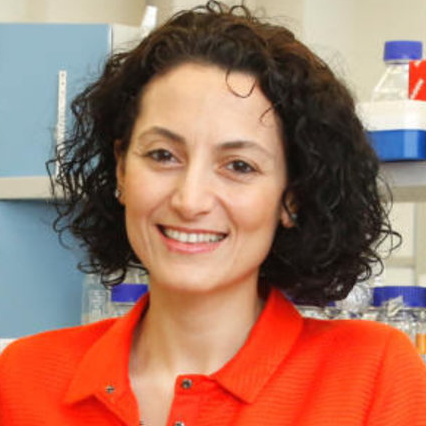
Name: Dr. Hana Lísalová
Affiliation: Department of Optical and Biophysical Systems, Division of Optics, FZU - Institute of Physics of the Czech Academy of Sciences, Prague, Czechia.
Introduction: Talk: Advancing Cell-on-a-Chip Interfaces with Bio-functional Terpolymer Nano-Brushes Exhibiting Strong Resistance to Bacterial Adhesion. Abstract: Bioengineering plays a crucial role in developing advanced biomedical devices and interfaces that integrate biological systems. One major challenge in the development of cell-on-a-chip interfaces is preventing bacterial contamination while maintaining cellular compatibility. Low-fouling, (super-)hydrophilic zwitterionic polymer materials have emerged as potential biomedical materials and bio-functional coatings. Here, we report a novel terpolymer nano-brush coating that effectively suppresses undesired biomolecular fouling and biofilm formation while providing a sufficient molecular functionalization capacity.
Image:
Name: Dr. Eduardo Espinoza
Affiliation: Department of Inorganic Chemistry and Chemical Engineering, University of Cordoba, Cordoba, Spain.
Introduction: Talk: Biopolymers and 3D Bioprinting
Image:
Name: Ms. Daniela Pedrozo Roca
Affiliation: INBIO, Faculty of Engineering, National University of San Juan, San Juan, Argentina.
Introduction: Talk: Functional Characterization of Brain Areas Using Functional Magnetic Resonance Imaging. Abstract: Functional magnetic resonance imaging (fMRI) is a non-invasive neuroimaging modality that is continuously growing, both in the clinical and scientific fields. The analysis of these images requires a very complex and varied post-processing of the obtained images. This causes the results of different studies to be non-comparable or difficult to characterize. In order to simplify the processing and obtain objective results with analyzable metrics, this work proposes the development of an analysis methodology to obtain statistical values on brain activation areas segmented by region.
Image:
Name: Prof. Dr. Silviya Petrova Zustiak
Affiliation: Department of Biomedical Engineering, SLU Institute for Drug and Biotherapeutic Innovation, Saint Louis University, St. Louis, USA.
Introduction: Talk: Development of Super-Lubricious Hydrogel Microspheres for the Treatment of Knee Osteoarthritis. Abstract: Osteoarthritis (OA) significantly alters the microenvironment of the knee, increasing inflammation and reducing lubricity. Consequently, OA can result in debilitating pain that necessitates a total joint replacement. Here, we developed super-lubricious hydrogel microspheres to reduce friction and inflammation within the synovium. Hydrogel microspheres were fabricated using polyethylene glycol and subsequently coated with a custom-synthesized copolymer. This copolymer consisted of monomers of dopamine methacrylate (DMA), which provides the microspheres with strong attachment properties, and sulfobetaine methacrylate (SBMA), which provides lubrication due to its zwitterionic nature. The optimization of DMA:SBMA ratios, as well as the copolymers' arrangement (block vs. random copolymer), is currently underway to balance microsphere adhesion and lubricity. Microsphere lubricity was tested using a custom-built tribo-rheometer that enables the quantification of friction coefficients for small sample volumes (140 µL compared to 500 µL for standard tribology set-ups). Copolymer-coated microspheres demonstrated lower friction compared to uncoated microspheres, as well as the synovial fluid derived from patients with varying degrees of osteoarthritis or knee ligament tears. Additionally, the coated microspheres were shown to be injectable, allowing for facile in situ delivery. When injected intra-articularly into the knee capsule of healthy mice, the microspheres persisted for over 10 days and did not cause pain or interfere with daily mice activities. Our current work is focused on loading the microspheres with disease-modifying therapeutic molecules, such as platelet-rich plasma (PRP), and testing those in mice models of OA.
Image: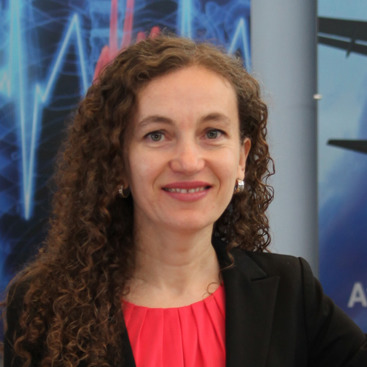
Affiliation: Department of Chemical Engineering Emerging Technologies & Innovation Center (ETIC), University of Massachusetts Lowell, Lowell, USA.
Introduction: Talk: Unconventional Biomaterials for Tissue Engineering and Regenerative Medicine. Abstract: Regeneration of tissues damaged due to disease, trauma, degeneration, and aging represents a major medical need. Although surgical replacement can be performed to address this issue, insufficient number of donors limits the applicability of the approach. There is an unmet demand for development of tissue replacements. My work at the interface of biomaterials and biomedical engineering has made important contributions in generation of engineered biomaterial platforms through my multidisciplinary research background. To achieve my research goals, I use diverse tools from chemistry, cell biology, materials science, engineering, and medicine. In this seminar, I will talk about the functional biomaterials that we developed using unconventional approaches to generate tissue-mimetics for clinical applications. We developed multicellular and compartmentalized scaffolds for regenerative engineering, hydrogel-based platforms for personalized medicine, bioactive scaffolds for template-guided biomineralization, oxygen-generating biomaterials for tissue repair, micro/nanoparticle-reinforced hydrogels and origami-inspired approaches for bone tissue engineering, and hydrogel-based stem cell delivery approaches. I will also talk about my lab’s expertise on developing point of care (POC) diagnostic platforms for detection of pathogenic diseases (viral and bacterial), health conditions, forensic applications, and testing for environmental reagents. To overcome the limitations with the conventional methods, we develop rapid, portable, and reliable platforms for POC diagnostics. My lab’s research projects cover a broad range of applications including understanding fundamental biology to developing disease models for personalized medicine, tissue repair and regeneration, and rapid POC diagnostics. The overarching goal of my research is to improve human health and quality of life.
Image:
Name: Prof. Dr. Franz Konstantin Fuss
Affiliation: 1. Chair of Biomechanics, Faculty of Engineering Science, University of Bayreuth, Bayreuth, Germany 2. Division of Biomechanics, Department of Biomechatronic Systems, Fraunhofer Institute of Manufacturing Engineering and Automation IPA, Stuttgart, Germany
Introduction: Talk: Dynamic balance diagnostics with smart insoles
Image:
Name: Dr. Daria Podstawczyk
Affiliation: Department of Process Engineering and Technology of Polymer and Carbon Materials, Faculty of Chemistry, Wroclaw University of Science and Technology, Wrocław, Poland.
Introduction: Talk: Coaxial 4D Printing of Thermoresponsive Hydrogel Soft Bioactuators with Embedded Perfusable Channels. Abstract: Most soft actuators have bimorph and planar structures, which allow them to deform only in the linear direction, e.g., bending. Recently, more attention has been paid to advanced, three-dimensional actuators with patterned structures and complex motions (1). A promising method for more precisely controlling material architecture involves the use of 4D printing technology. 4D printing is an emerging fabrication technology that offers precise manufacturing with great potential in various engineering applications, including soft biorobots. It enables the creation of dynamic and responsive structures using 3D printing techniques and materials capable of changing shape over time (the fourth dimension). Here, we focus on the swelling/deswelling phenomena in thermoresponsive hydrogels as the driving force for changing material shape in response to stimuli. We developed a protocol for producing new advanced functional PNIPAAm-based biomaterial inks for coaxial 4D printing of biomaterials. These biomaterials have a geometrically designed internal microstructure and architecture, capable of reversibly expanding and contracting in response to temperature changes (2). This was achieved by designing oriented microstructures and patterned macrostructures with perfusable channels embedded within the 4D-printed hydrogel (3). We also investigated the physics of anisotropy of the printed hydrogel and conducted physicochemical, rheological, and mechanical characterization of the functional inks and 4D-printed objects. This confirmed the interrelation between material properties and shape morphing behavior.
Image:
Name: Dr. Andrew Robbins
Affiliation: Department of Mechanical Engineering, University of Texas at Tyler, Tyler, USA.
Introduction: Talk: Learning how Sheep Move: Developing a General Inverse Kinetic Model for Sheep. Abstract: Introduction: Whole body inverse kinetic models of humans are well developed. However, for animal models of human disease, the prevalent tools in human biomechanics do not exist. This work explores the development of whole body biomechanical models of quadrupeds, and presents preliminary results in the development of a whole body biomechanical model for sheep in OpenSIM, for use with motion capture data. We present statistical and machine learning models for predicting the hip joint centers from anatomical measurements and landmarks, as well as models for predicting the mass and inertial properties of sheep body segments. Methods: CT scans from 16 sheep of varying ages, weight, sex, and phenotypes were acquired and the data used to calculate the known hip joint center by sphere fitting the femoral head. Anatomical measurements and additional subject information were used to create models to estimate the hip joint centers in absence of CT data. Then, the mass and moments of inertia for each body segment were estimated from the CT scans, and predictive models applied in the absence of CT scans. Results: Hip joint centers were predicted with much greater accuracy than previous methods, with errors on the order of a few millimeters, depending on the animal. Mass and inertial properties were predicted with less accuracy, with errors typically within 10%, but in some cases exceeding 20%. Conclusions: This work represents a significant new set of data for biomechanical models of sheep, being the first comprehensive study to include data from multiple animals. However, our data set is still limited, and would significantly benefit from a larger set of animals to be included. Additionally, sensitivity analysis on the models produced using this data will need to be performed to determine the extent to which errors in the various parameters affect final kinetic analyses.
Image:
Name: Prof. Dr. Michael Moreno
Affiliation: Department of Mechanical Engineering, J. Mike Walker ’66 Faculty, Texas A&M University, Texas, USA.
Introduction: Talk: Learning how Sheep Move: Developing a General Inverse Kinetic Model for Sheep. Abstract: Introduction: Whole body inverse kinetic models of humans are well developed. However, for animal models of human disease, the prevalent tools in human biomechanics do not exist. This work explores the development of whole body biomechanical models of quadrupeds, and presents preliminary results in the development of a whole body biomechanical model for sheep in OpenSIM, for use with motion capture data. We present statistical and machine learning models for predicting the hip joint centers from anatomical measurements and landmarks, as well as models for predicting the mass and inertial properties of sheep body segments. Methods: CT scans from 16 sheep of varying ages, weight, sex, and phenotypes were acquired and the data used to calculate the known hip joint center by sphere fitting the femoral head. Anatomical measurements and additional subject information were used to create models to estimate the hip joint centers in absence of CT data. Then, the mass and moments of inertia for each body segment were estimated from the CT scans, and predictive models applied in the absence of CT scans. Results: Hip joint centers were predicted with much greater accuracy than previous methods, with errors on the order of a few millimeters, depending on the animal. Mass and inertial properties were predicted with less accuracy, with errors typically within 10%, but in some cases exceeding 20%. Conclusions: This work represents a significant new set of data for biomechanical models of sheep, being the first comprehensive study to include data from multiple animals. However, our data set is still limited, and would significantly benefit from a larger set of animals to be included. Additionally, sensitivity analysis on the models produced using this data will need to be performed to determine the extent to which errors in the various parameters affect final kinetic analyses.
Image:
Name: Prof. Dr. Seda Kizilel
Affiliation: College of Chemical & Biological Engineering, Koç University, Istanbul, Turkey.
Introduction: Talk: Designing immunologically invisible spheroids using biomaterials, genetic engineering and machine learning. Abstract: One of the main obstacles in cell transplantation is the need for immunosuppressive drugs to prevent rejection. These medications carry risks, including increased susceptibility to infections and systemic immunosuppression. In addition, the availability of donor islet cells is limited, making it difficult to scale up this treatment option. To address these challenges, we are exploring innovative strategies to enhance the function of implanted cells such as insulin secreting islets. One approach involves the development of biomaterials that can shield transplanted islets from immune attack while still allowing for the exchange of essential nutrients and signaling molecules. The other one that we use involves machine learning, where we use artifical neural network modeling algorithms to predict the permeability and crosslink density of the biomaterials that we use to shield transplanted cells. The last strategy is the use of genetic engineering where the genome of the cells can be edited to render them "invisible" to the immune system, reducing the risk of rejection and improving long-term outcomes. We aim to create a protective barrier around transplanted islet cells while simultaneously enhancing their immune tolerance thorugh genetic manipulations. Our approach holds promise for improving the efficacy and durability of islet transplantation as a treatment for many diseases that involve cell transplantation, including type 1 diabetes.
Image:
Name: Dr. Hana Lísalová
Affiliation: Department of Optical and Biophysical Systems, Division of Optics, FZU - Institute of Physics of the Czech Academy of Sciences, Prague, Czechia.
Introduction: Talk: Advancing Cell-on-a-Chip Interfaces with Bio-functional Terpolymer Nano-Brushes Exhibiting Strong Resistance to Bacterial Adhesion. Abstract: Bioengineering plays a crucial role in developing advanced biomedical devices and interfaces that integrate biological systems. One major challenge in the development of cell-on-a-chip interfaces is preventing bacterial contamination while maintaining cellular compatibility. Low-fouling, (super-)hydrophilic zwitterionic polymer materials have emerged as potential biomedical materials and bio-functional coatings. Here, we report a novel terpolymer nano-brush coating that effectively suppresses undesired biomolecular fouling and biofilm formation while providing a sufficient molecular functionalization capacity.
Image:
Name: Dr. Eduardo Espinoza
Affiliation: Department of Inorganic Chemistry and Chemical Engineering, University of Cordoba, Cordoba, Spain.
Introduction: Talk: Biopolymers and 3D Bioprinting
Image:
Name: Ms. Daniela Pedrozo Roca
Affiliation: INBIO, Faculty of Engineering, National University of San Juan, San Juan, Argentina.
Introduction: Talk: Functional Characterization of Brain Areas Using Functional Magnetic Resonance Imaging. Abstract: Functional magnetic resonance imaging (fMRI) is a non-invasive neuroimaging modality that is continuously growing, both in the clinical and scientific fields. The analysis of these images requires a very complex and varied post-processing of the obtained images. This causes the results of different studies to be non-comparable or difficult to characterize. In order to simplify the processing and obtain objective results with analyzable metrics, this work proposes the development of an analysis methodology to obtain statistical values on brain activation areas segmented by region.
Image:
Name: Prof. Dr. Silviya Petrova Zustiak
Affiliation: Department of Biomedical Engineering, SLU Institute for Drug and Biotherapeutic Innovation, Saint Louis University, St. Louis, USA.
Introduction: Talk: Development of Super-Lubricious Hydrogel Microspheres for the Treatment of Knee Osteoarthritis. Abstract: Osteoarthritis (OA) significantly alters the microenvironment of the knee, increasing inflammation and reducing lubricity. Consequently, OA can result in debilitating pain that necessitates a total joint replacement. Here, we developed super-lubricious hydrogel microspheres to reduce friction and inflammation within the synovium. Hydrogel microspheres were fabricated using polyethylene glycol and subsequently coated with a custom-synthesized copolymer. This copolymer consisted of monomers of dopamine methacrylate (DMA), which provides the microspheres with strong attachment properties, and sulfobetaine methacrylate (SBMA), which provides lubrication due to its zwitterionic nature. The optimization of DMA:SBMA ratios, as well as the copolymers' arrangement (block vs. random copolymer), is currently underway to balance microsphere adhesion and lubricity. Microsphere lubricity was tested using a custom-built tribo-rheometer that enables the quantification of friction coefficients for small sample volumes (140 µL compared to 500 µL for standard tribology set-ups). Copolymer-coated microspheres demonstrated lower friction compared to uncoated microspheres, as well as the synovial fluid derived from patients with varying degrees of osteoarthritis or knee ligament tears. Additionally, the coated microspheres were shown to be injectable, allowing for facile in situ delivery. When injected intra-articularly into the knee capsule of healthy mice, the microspheres persisted for over 10 days and did not cause pain or interfere with daily mice activities. Our current work is focused on loading the microspheres with disease-modifying therapeutic molecules, such as platelet-rich plasma (PRP), and testing those in mice models of OA.
Image:
Bioengineering Lectureship Award
Name: Dr. Gianluca Di Flumeri
Affiliation: Department of Molecular Medicine, Industrial Neuroscience Labs, Sapienza University of Rome, Rome, Italy.
Introduction: TITLE: New frontiers for assessing Human Factor: a bioengineering challenge ABSTRACT: Nowadays, society is increasingly paying attention to the human factor: often, and unfortunately, it is the main cause of disasters and accidents that can cause huge economic damages and human lives. However, adequate and effective solutions to prevent risk situations have not yet been identified, since until now the only possibility was to intervene during the training phase of staff and/or users. Nevertheless, recent technological and scientific progress is providing us with new bioengineering methods and approaches with an enormous potential impact: non-invasive monitoring devices, and even more passive brain-computer interfaces, could be an effective solution to avoid human errors and mitigate the risk associated with the human factor. The presentation aims to inspire discussion on this topic, highlighting the main existing challenges and at the same time exposing some of the recent evidence produced by my experience.
Image:
Affiliation: Department of Molecular Medicine, Industrial Neuroscience Labs, Sapienza University of Rome, Rome, Italy.
Introduction: TITLE: New frontiers for assessing Human Factor: a bioengineering challenge ABSTRACT: Nowadays, society is increasingly paying attention to the human factor: often, and unfortunately, it is the main cause of disasters and accidents that can cause huge economic damages and human lives. However, adequate and effective solutions to prevent risk situations have not yet been identified, since until now the only possibility was to intervene during the training phase of staff and/or users. Nevertheless, recent technological and scientific progress is providing us with new bioengineering methods and approaches with an enormous potential impact: non-invasive monitoring devices, and even more passive brain-computer interfaces, could be an effective solution to avoid human errors and mitigate the risk associated with the human factor. The presentation aims to inspire discussion on this topic, highlighting the main existing challenges and at the same time exposing some of the recent evidence produced by my experience.
Image: