ncRNA2026: From Molecular Mechanisms to Clinical Impact
the chairs
Join us on LinkedIn Events!
If you want to stay updated with the latest information, or if you want to connect with your fellow researchers before, during, and after the event, then be sure to join the ncRNA2026: From Molecular Mechanisms to Clinical Impact LinkedIn Event.
See you over there!
 Follow the conversation on Twitter / X with #ncRNA2026
Meet Our Chairs
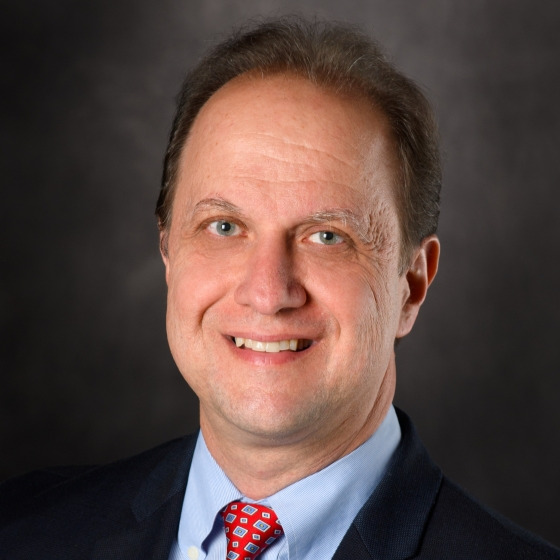
University of Texas MD Anderson Cancer Center, Houston, USA;After receiving both his M.D. and Ph.D. degree at the Carol Davila University of Medicine in Bucharest, Romania, and working in cytogenetics as an undergraduate student with Dr. Dragos Stefanescu in Bucharest, Prof. Dr. George A. Calin completed cancer genomics training in Dr. Massimo Negrini’s laboratory at the University of Ferrara, Italy. In 2000, he became a postdoctoral fellow at Kimmel Cancer Center in Philadelphia, PA, and, while working in Dr. Carlo Croce’s laboratory, he was the first to discover the link between human cancers and microRNAs, a finding considered a milestone in microRNA research history. He has since developed an independent research group at the M. D. Anderson Cancer Center in Houston, producing new advances by linking other classes of non-coding RNAs, such as transcribed ultraconserved regions and transcribed pyknons to cancer. He is presently a professor in the Translational Molecular Pathology and Leukemia Departments at MDACC and studies the roles of microRNAs and other non-coding RNAs in cancer initiation and progression and in immune disorders, as well as the mechanisms of cancer predisposition linked to ncRNAs. He also explores the roles of body fluid miRNAs as potential hormones and biomarkers and new RNA therapeutic options for cancer patients. In his two decades of scientific research, Prof. Dr. Calin has trained more than 150 fellows at different stages in their career.
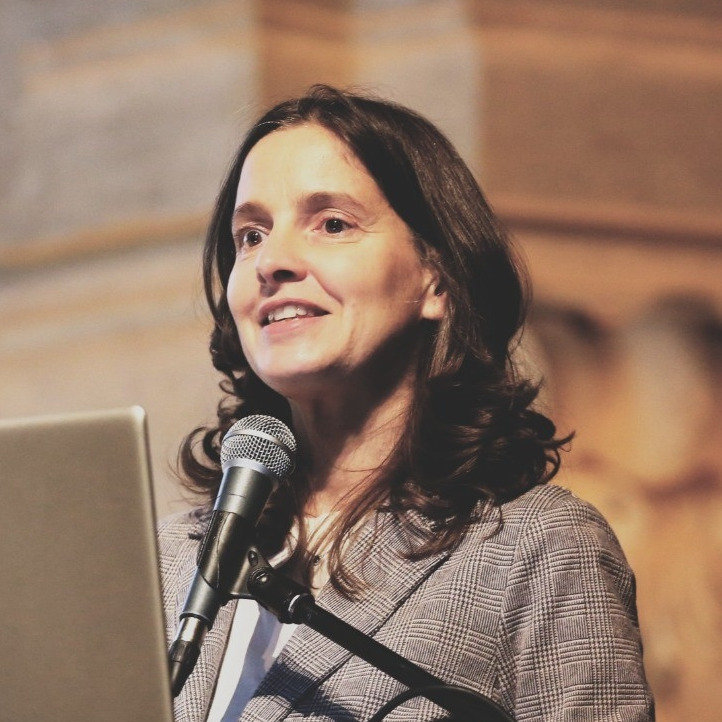
Department of Medical and Chirurgical Sciences, University of Bologna, Italy;Dr. Manuela Ferracin (H-index = 52; >25000 citations in Scopus) has a strong background in molecular oncology, with a specific expertise in the identification of diagnostic or prognostic gene signatures. As a PhD student in Prof. Negrini’s lab (Ferrara, Italy), she collaborated with Prof. George Calin (Houston, TX) and Prof. Carlo Croce (Columbus, OH) when they published the first papers showing an association between microRNAs and cancer. They developed the first microarray for microRNA expression analysis, which Dr. Ferracin later applied to the discovery of microRNAs and non-coding RNAs involved in leukaemia, breast cancer and other solid tumours (PNAS, 2004; NEJM, 2005; CancerCell, 2007). As a postdoc, she performed studies on different tumour types to identify molecular signatures (microRNA-, ncRNA-, gene-based) for cancer diagnosis and prognosis, including the methylator phenotype in colorectal cancers (J Pathol 2008), fludarabine resistance in CLL (Mol Cancer 2010) and site-of-origin prediction of cancer of unknown primary, CUP (J Pathol 2011). In 2012, she obtained the prestigious “My First AIRC Grant” to study circulating microRNAs in biological fluids of cancer patients. Dr. Ferracin also identified cancer-specific signatures of cell-free microRNAs for cancer diagnosis (last author, CEBP 2014; first author, Oncotarget 2015 & JoVE 2016 & Int J Mol Sci 2017). Following her recruitment as Professor at the University of Bologna in 2016, she established an independent research group and obtained a grant as PI from Bologna University (Almaidea) to study methylation alteration in stage II colorectal cancer (CancerLett, 2018). In 2017, she was granted an Investigator Grant from AIRC to develop a molecular assay for CUP molecular prediction and model development (FrontiersOncol, 2018; Cancers, 2021). She is currently working on the identification of melanoma prognostic biomarkers and the development of patient-derived cancer models.
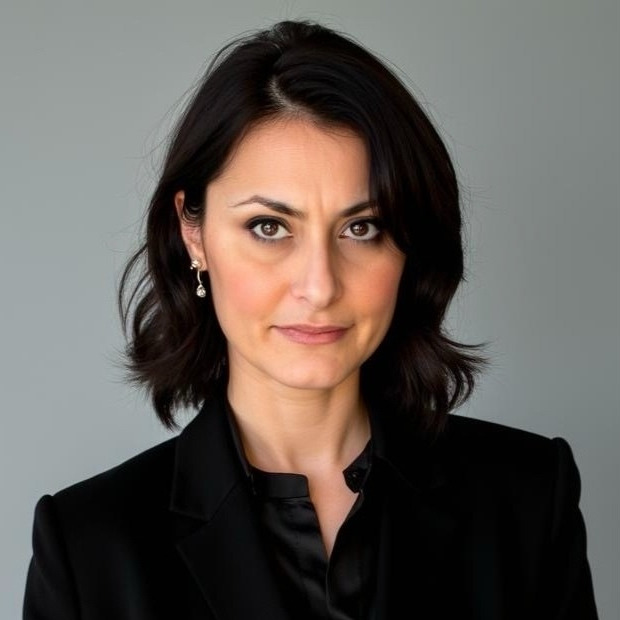
Laboratory for RNA Cancer Biology, KU Leuven, Belgium;Prof. Dr. Eleonora Leucci has an international education, having obtained her PhD in Medical Biotechnology from the University of Siena (Italy) in 2007 and moved to BRIC, University of Copenhagen (Denmark) to work on small and long non-coding RNAs in Anders Lund’s lab as a postdoctoral fellow. In 2012 she moved to Belgium, where she was first a Marie Curie/VIB postdoctoral fellow in Chris Marine’s lab and then an FNRS research associate at ULB, studying the role of lncRNAs in skin cancer. She received several national and international prizes in 2016 for her work on lncRNA SAMMSON and was the recipient of the 2018 MRA young investigator award. Since 2017, Prof. Dr. Leucci has led the laboratory for RNA cancer biology and the PDX platform TRACE at KU Leuven. Her lab studies RNA metabolism in cancer with a particular focus on the characterization of long non-coding RNAs which are important for therapeutic resistance.
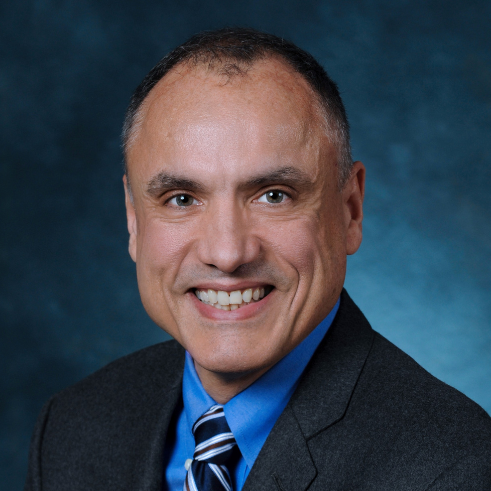
Thomas Jefferson University, Philadelphia, USA;Professor Rigoutsos is the Richard W. Hevner Chair in Computational Medicine, and the Director of Thomas Jefferson University's Computational Medicine Center, which he founded in 2010. Prior to joining Jefferson, Prof. Rigoutsos was with IBM's Thomas J. Watson Research. At IBM, he co-founded the Computational Biology Center in 1992. He also founded the Bioinformatics and Pattern Discovery group in 1998 and managed it until his departure. In parallel to his IBM tenure, Prof. Rigoutsos was a Visiting Lecturer in the Dept. of Chemical Engineering of the Massachusetts Institute of Technology (MIT), where he taught graduate-level classes and summer professional courses in Bioinformatics and co-supervised PhD students (2000-2010). The Rigoutsos lab studies post-transcriptional regulation by small non-coding RNAs with an emphasis on microRNAs and their isoforms (isomiRs), tRNA-derived fragments (tRFs), rRNA-derived fragments (rRFs), and Y RNA-derived fragments (yRFs). The Rigoutsos lab was the first to demonstrate that the identity and abundance of these small RNAs, and their regulatory effects on messenger RNAs, depend on tissue type, disease, and an individual's sex and ancestry. Prof. Rigoutsos is a Fellow of the American Association for the Advancement of Science (AAAS), and a Fellow of the American Institute for Medical and Biological Engineering (AIMBE).
Important Dates
24 Apr
2026
5 May
2026
10 May
2026
27 May
2026
23 Jun
2026
23 Jun
2026
23 Jun
2026
Meet Our Speaker























Poster Session A:
-
Wednesday, 24 June 2026 (15:00 – 15:30)
-
Thursday, 25 June 2026 (10:45 – 11:15, 13:15 – 14:15)
-
Posters can be set up on Wednesday (before 15:00) and must be removed by 14:15 on Thursday.
Poster Session B:
-
Thursday, 25 June 2026 (16:15 – 16:45, 18:00 – 19:00)
-
Friday, 26 June 2026 (11:00 – 11:30)
-
Posters can be set up from 16:15 on Thursday afternoon and must be removed by 14:00 on Friday.
Guidelines:
-
Please print your poster before the conference and bring it with you. We will not provide on-site printing services or print it for you in advance.
-
Posters should not be hung up or taken down during sessions with ongoing presentations. Please do so only during breaks.
-
Each presenter will be provided with a vertical poster board. Note that the maximum poster size is limited to A0: 84 x 120 cm / 33 x 47 in (width x height) in vertical orientation (portrait).
The list of posters, along with the poster numbers, titles, and presenting author, can be found below. Please contact us if the poster presenter's name is incorrect in this list (last updated on 03 June 2026).
By clicking on the button below, you can view and download the list of posters.

The College of Mayor and Aldermen warmly invites participants of ncRNA 2026 to a welcome reception on 24 June 2026, from 6:00 to 7:00 p.m., in the foyer of the Stadsschouwburg, a beautifully restored theatre celebrated for its elegant architecture and inviting atmosphere.
The reception will be attended by Mr. Bert Cornillie, Alderman, who will greet participants and highlight how ncRNA connects to the vibrant scientific community of Leuven.
Guests can enjoy a selection of local beers, soft drinks, and snacks, providing the perfect chance to unwind, connect with fellow attendees, and soak up the city's charm.
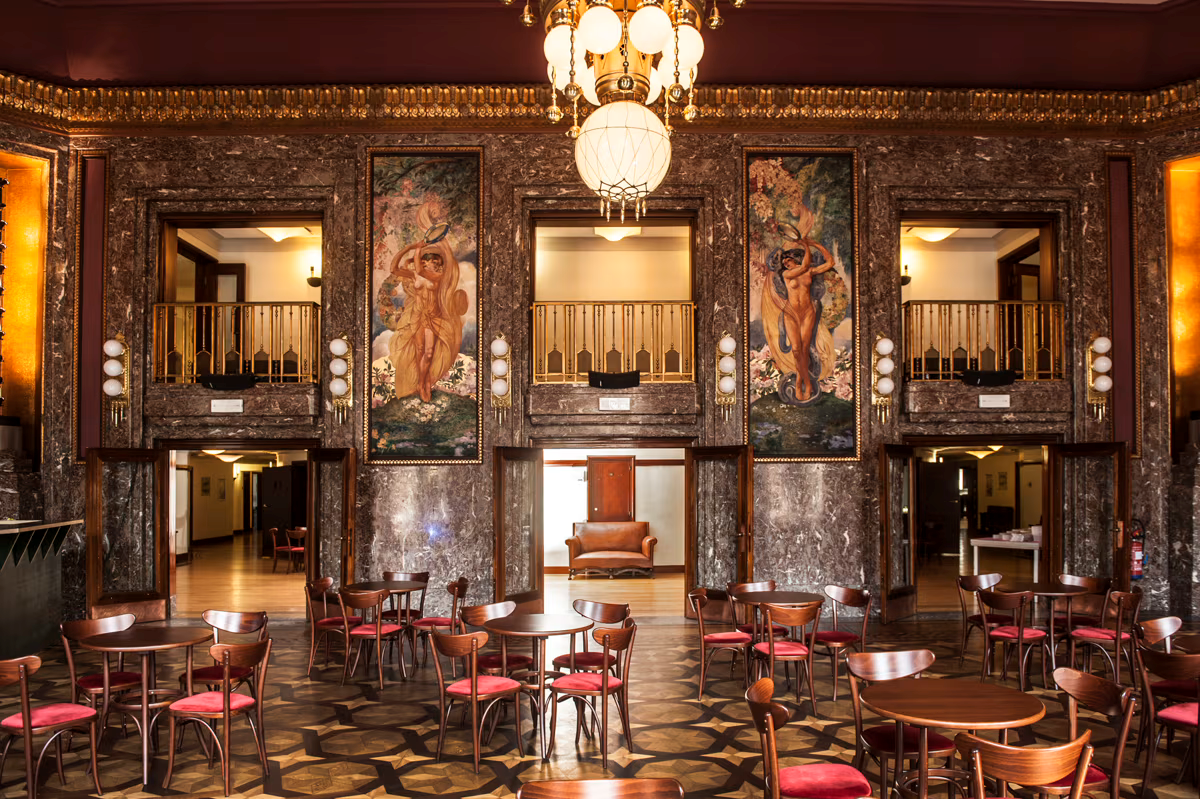
30CC/Schouwburg foyer 2 © Marco Mertens
Location & Directions
Stadsschouwburg Leuven
Bondgenotenlaan 21, 3000 Leuven
The venue is just a short 13-minute walk from the Irish College, the main conference venue. The route passes through the heart of Leuven, showcasing iconic sights such as Grote Markt and Oude Markt, making for a scenic and enjoyable stroll before the reception.
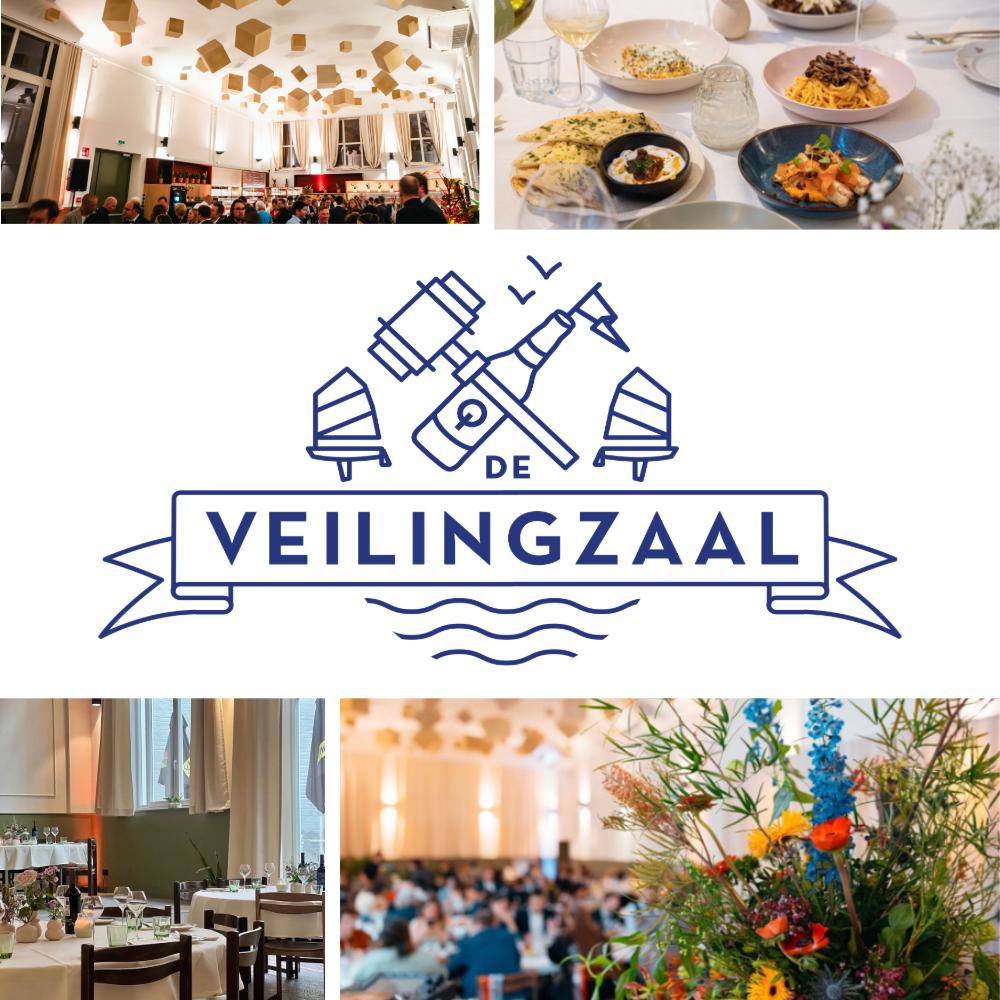
Join fellow participants of ncRNA 2026 for a memorable conference dinner on 25 June 2026 at De Veilingzaal, located in Leuven’s former fish market district. Set within a characterful building rich in local history, the venue combines heritage, warmth, and contemporary hospitality in the heart of the city.
The evening will be catered by De Optimist, renowned for its refined cuisine and welcoming atmosphere, offering a dining experience inspired by seasonal ingredients and local flavours.
Guests can look forward to an evening of networking, engaging conversation, and exceptional food in one of Leuven’s most distinctive settings - the perfect opportunity to connect with colleagues and friends beyond the scientific programme.
Here's How to Reserve Your Seat:
A seat at the dinner can be reserved for an additional 75 EUR, which can be added during registration. Simply select the dinner option along with your registration category (Academic, Student, etc.). If you have already registered without the dinner, you can register again, choosing only the dinner category. Please indicate any allergies or dietary restrictions in the comment box when registering.
Seating at the dinner is limited, and can be reserved as above on a first-come, first-served basis. Note that onsite registration will not be possible so we encourage participants to reserve their place early before spots run out.
Location & Directions
De Veilingzaal
Vismarkt 7, 3000 Leuven, Belgium
The venue is just an 11-minute walk from the Irish College, offering a lively and scenic stroll along charming streets, cafés, and landmarks before arriving at the dinner venue.
What to See and Do Before, After and Around the Conference 
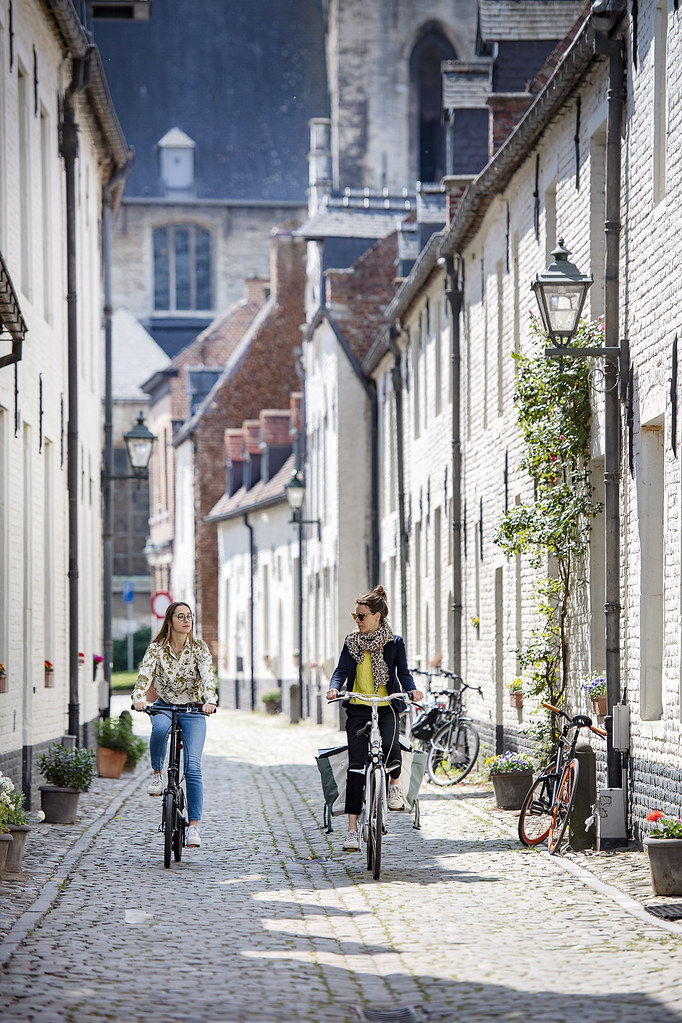
Measuring roughly 3.2 km (2 miles) across in both width and length, Leuven is walkable, cozy and easy to navigate, offering plenty to explore around your conference schedule:
-
Historic City Centre & Town Hall: Only a short walk from the Irish College, ideal for a morning or evening stroll surrounded by medieval squares and Gothic architecture.
-
University Library & Tower: Climb for panoramic views of the city between sessions.
-
Great Beguinage (UNESCO World Heritage site): Explore centuries of history in a serene setting near the conference venue.
-
M-Museum & Botanical Garden: Perfect for a breath of fresh air or a bit of culture.
Leuven's central location also makes it easy to plan short excursions before or after the conference to Brussels or nearby European cities (Antwerp, Bruges, Ghent, Liège, Aachen, Cologne, Amsterdam, Rotterdam, Lille, and Luxembourg).
For a complete overview, visit https://www.visitleuven.be/en.
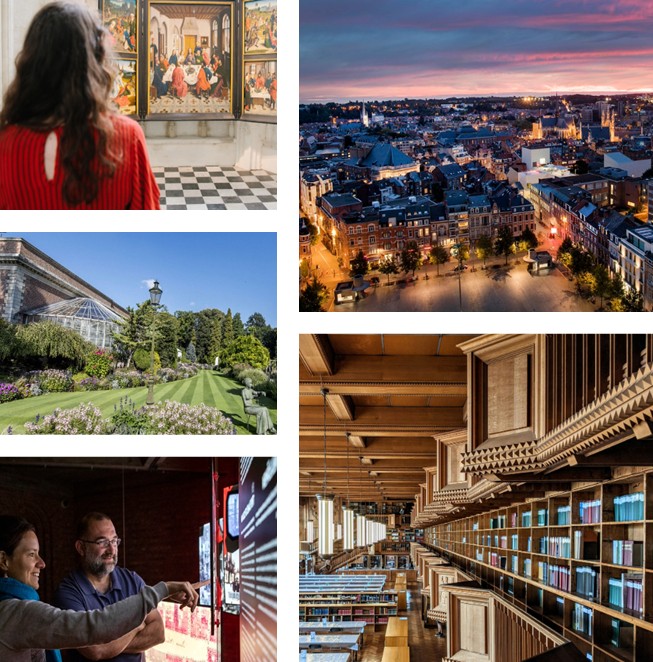
Photos by © Karl Bruninx, © Kevin Faingnaert, © Jan Crab, and © Vishwas Katti
Fuel for Thought: Food & Drinks Near the Venue 

Keeping your energy up is crucial during conference days, and Leuven' lively food-and-drink scene is perfect for doing just that.
Start your day by fueling up with breakfast and coffee at one of Leuven's many cafés and bakeries — all within a short walk of the Irish College.
After a long day of sessions, unwind by exploring Leuven’s lively restaurant scene, featuring Belgian brasseries, modern European kitchens, vegetarian eateries, and international cuisine. The area around the Irish College is also home to a number of cosy pubs, historic breweries, and craft-beer bars where you can sample Leuven’s brewing heritage and discover why the city is often called the "beer capital".
For the ultimate foodie guide to Leuven, head to https://www.visitleuven.be/en/food-drinks.
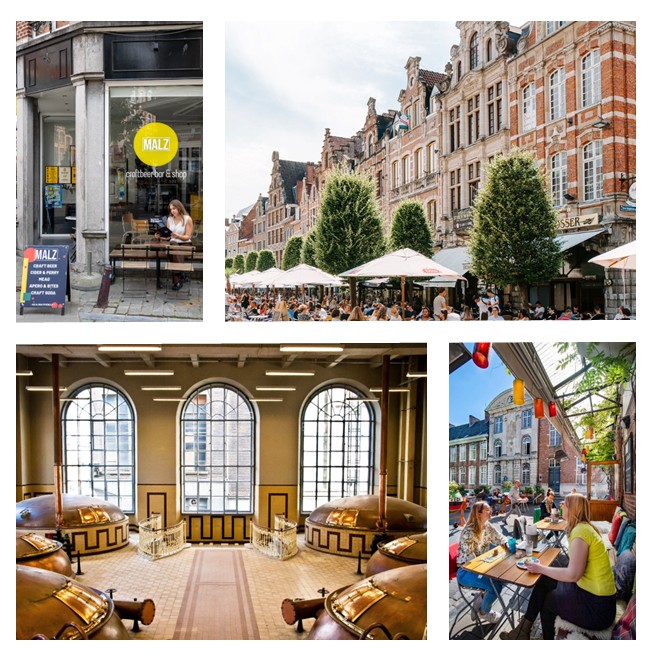 Photos by © Karl Bruninx, © LiefstLeuven and © De Hoorn.
Travel
Leuven is exceptionally well connected and easy to reach from within Europe and abroad. Below, you will find some guidance to ensure a smooth journey.
 By Plane
The two closest airports are Brussels Airport (BRU) and Charleroi Airport (CRL):
-
From Brussels Airport (BRU) (28 km/17 miles away), a direct train will take you to Leuven in 15 minutes
-
From Charleroi Airport (CRL) (90 km/56 miles), there is a shuttlebus and train connection which will take you to Leuven in a little over 2 hours.
 By Train
High-speed services (Eurostar, TGV, Thalys, ICE) arrive in Brussels or Liège. From Brussels Airport or Brussels-South station, direct trains reach Leuven in 15–25 minutes.
-
For international tickets: www.b-europe.be
-
For travel within Belgium: www.belgianrail.be
-
From Great Britain: www.britishrail.com
 By Bus
International coaches (e.g., Flixbus) connect Leuven with major European cities.
-
The Netherlands → Leuven (Departure: Eindhoven, Groningen, Apeldoorn, Nijmegen & Maastricht)
-
United Kingdom → Leuven (Departure: London)
-
Germany → Leuven (Departure: Koblenz, Worms, Bonn, Karlsruhe, Neurenberg, München, Keulen, Würzburg & Frankfurt
 By Car
The historic centre of Leuven is largely traffic-free, but parking is available around the ring road (car parks).
Accommodation
A map of all hotels in Leuven and their relative locations can be found here. Special hotel rates in Leuven here.
Note: We have been informed of a scam targeting conference attendees via WhatsApp. The message claims that a hotel booking must be confirmed immediately to avoid cancellation and includes a link to a convincing-looking website.
Please be cautious and do not click on links or provide payment details in response to unsolicited messages. If you receive any communication regarding your accommodation, we strongly recommend verifying it directly with the hotel using its official contact details before taking any action.
Please also note that, while we have secured some advantageous rates for attendees via RoomTrust, we are not associated with any hotel booking agency. Hotel resellers or travel agencies may contact you with offers related to your trip, but they are not endorsed by or affiliated with ncRNA 2026 or Sciforum. We encourage all participants to exercise caution, as entering into financial agreements with non-endorsed companies may have costly consequences.
Accessibility
Leuven is a city that welcomes everyone. Visit Leuven has a dedicated page for accessibility resources, including maps with wheelchair-accessible routes, hotels, and facilities throughout the city, ensuring a smooth visit for all participants. More information can be found at https://www.visitleuven.be/en/accessible-travel.
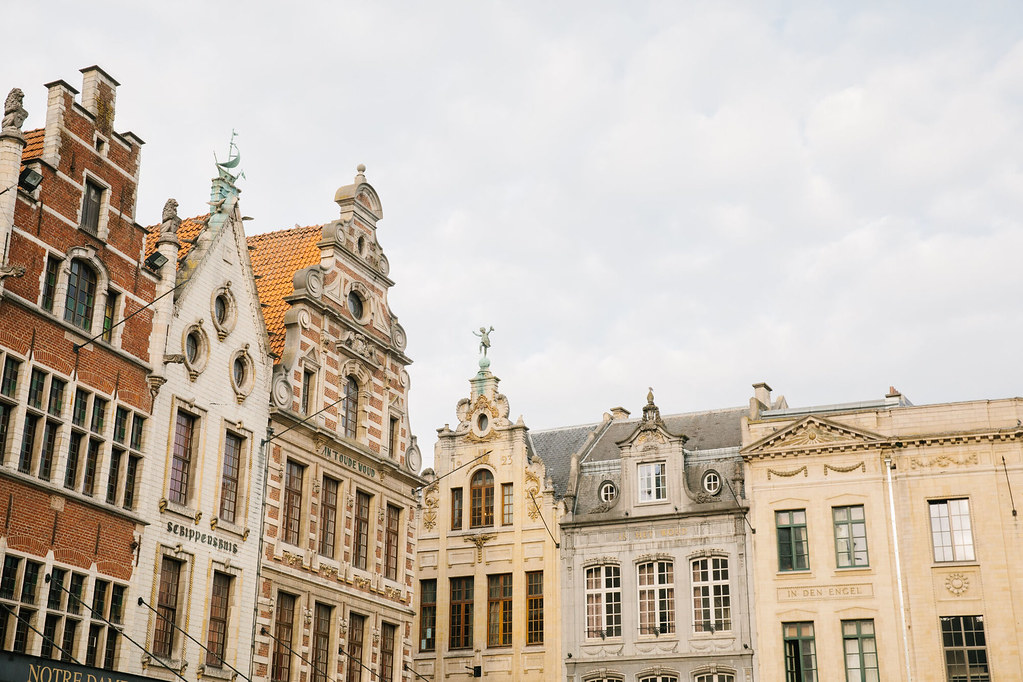
Photo by © Kevin Faingnaert
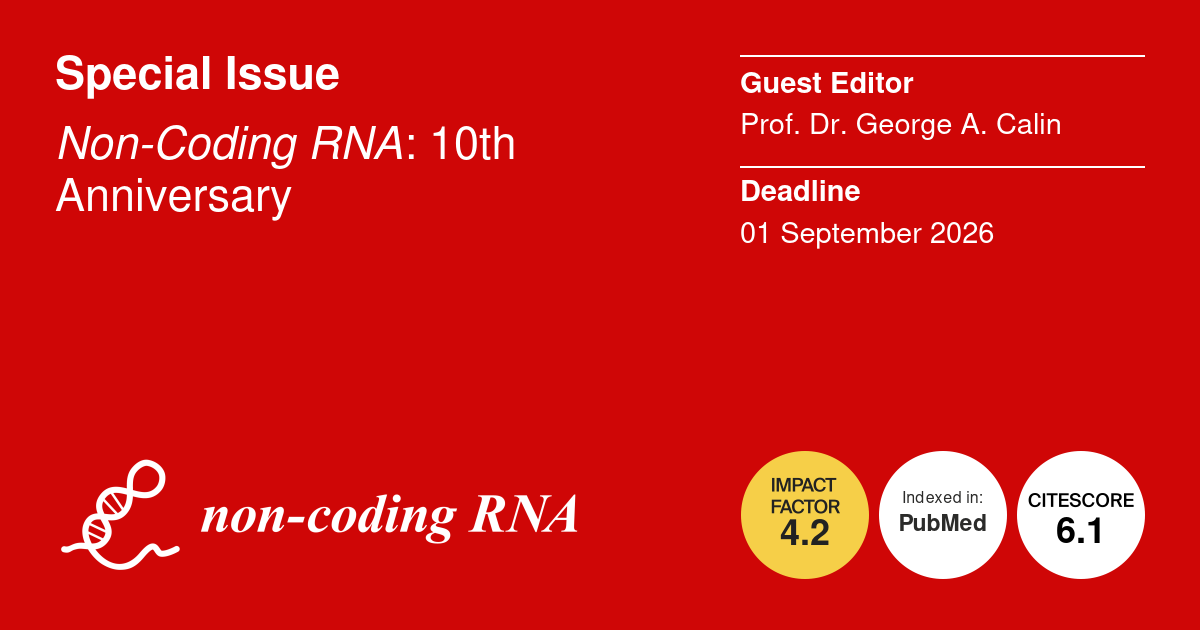
Participants of ncRNA 2026 are cordially invited to submit full manuscripts to the Special Issue celebrating ncRNA's 10th anniversary, benefitting from a 20% discount on the publication fees. Please note that no other discounts will be applicable.
This Special Issue, titled "Non-Coding RNA: 10th Anniversary", will include all things ncRNAs that are new and interesting, offering an excellent platform to share findings with a broad readership.

Sponsoring
As organizers, we are excited to create an immersive and insightful conference, and we invite you to be a vital part of ncRNA 2026. Explore our sponsorship opportunities and join us in shaping the future of non-coding RNA research and innovation.
Find the perfect sponsorship package tailored to your budget and desired exposure in our sponsorship brochure. Simply click on the icon below to access it.

If you have any questions, feel free to contact us via email at ncRNA2026@mdpi.com. We appreciate your consideration!
Society Collaboration
Are you part of a society that isn't partnering with the conference? Contact us via email at ncRNA2026@mdpi.com to discuss a possible partnership! Noteworthy detail: Members from partnering societies are granted a 20% discount on all registration fees.