Polymers 2024 - Polymers for a Safe and Sustainable Future
the chairs
Dear colleagues and friends,
We are very proud and honored to announce the international conference Polymers 2024—Polymers for a Safe and Sustainable Future, organized in collaboration with the MDPI open access journal Polymers, Aristotle University of Thessaloniki and BIOMAC project, and Exelisis Co. The conference will be held in Athens, Greece, on May 28–31, 2024, at the prestigious War Museum in Athens.
Global mass production of synthetic plastics started in the 1950s, with an estimated total number of 8.3 to 9.1 million metric tons (Mt) already manufactured, evidence that polymers have made an outstanding contribution to the development of modern society in every field. From this amount, it is estimated that only 9% has been recycled and 12% incinerated, whereas the remaining 79% has now accumulated in landfills, rivers, lakes, and the open sea. However, the high stability and non-degradability of synthetic polymers have caused serious environmental issues to living organisms, evident with “Microplastics”, which have been recognized as one of the most threatening contemporary problems. Except for polymers, many of today’s used additives (plasticizers, flame retardants, stabilizers, etc.) exhibit some toxicity and have negative impacts on human health. Due to these concerns, recent research efforts of the polymer scientific community have been focused on producing environmentally friendly, safe, and non-toxic polymers and additives that could be fully recycled or completely degradable shortly after their use. Nevertheless, the substitution of conventional polymers with newly designed polymer systems, which have similar properties to the former, poses a challenge to polymer scientists and manufacturers.
The transition to climate neutrality and zero-pollution ambitions requires new polymers to be produced by employing green chemistry and engineering, sustainable chemistry, and circularity-by-design. For the fabrication of such polymers, several parameters, such as hazard assessment of the used chemicals/monomers, the human health and safety aspects in the chemical/material production and processing phase, the human health and environmental aspects in the final application phase, and finally the environmental sustainability assessment, should all be taken into account.
“Polymers 2024” is an international conference covering the latest progress and innovations in the fields of polymers for the production of new materials and additives for a safe and sustainable world. The conference aims to explore the latest findings in the scientific field of polymers, with a particular emphasis on the synthesis of safe polymers with unique properties for human health and environmental sustainability. Additionally, the goal is to focus on green polymer chemistry and industrial approaches using bioresources to synthesize biobased and biodegradable polymers, in addition to exploring safe and sustainable-by-design polymers using modeling, theory, and simulation and simultaneously investigating their chemical and physical properties for different applications. Clean, green, and efficient production processes will be presented, while life cycle assessments, exposure, risk assessment, decontamination, and environmental remediation will also be discussed. The conference also aims to propose novel techniques for polymer recycling and reuse. Such an event is a unique opportunity for polymer scientists from around the world to present their works, findings, and innovations in polymer chemistry and technology with regard to sustainable development and with great respect to human life and the environment.
The conference follows the previous successful meetings of Polymers 2018—Polymers: Design, Function and Application held in March 2018, Barcelona, Spain, and Polymers 2022: New Trends in Polymer Science: Health of the Planet, Health of the People held in May 2022 in Turin, Italy.
We look forward to welcoming you to Athens!
Prof. Dr. Dimitrios Bikiaris, Prof. Dr. Konstantinos Triantafyllidis, and Dr. Ioanna Deligkiozi
Polymers 2024 Chairs
Follow the conversation on Twitter with #Polymers2024
| Sponsored By |  |
Conference Secretariat
Dr. Elena González
Dr. Ana Sanchis
Ms. Carmen Ruiz
Dr. Ioanna Katsavou
Email: polymers2024@mdpi.com
Meet Our Chairs
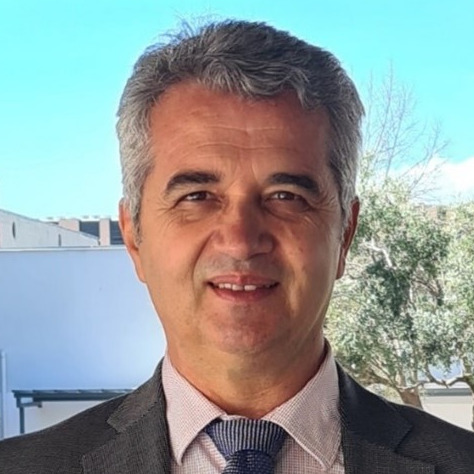
Aristotle University of Thessaloniki, Greece <a href="https://bikiarislab.wixsite.com/bikiarislab">Website</a>;Dr. Dimitrios N. Bikiaris is a Chemist and Professor at the Chemistry Department of Aristotle University of Thessaloniki. His research interests include the synthesis and characterization of polyesters, the development of polymers using biobased monomers, the synthesis and characterization of copolymers, composites and nanocomposites, polymers recycling via various processes, modification of natural polymers, the use of polymers to remove contaminants (heavy metals, drugs, pigments, etc.) from urban and industrial sites, determination of microplastics in environment and its effect on living micro-organisms, etc. Furthermore, his research interests include the investigation and application of new biocompatible polymers in tissue engineering and pharmaceutical technology using a variety of techniques (melt blending, solvent evaporation, copolymerization, etc.), as well as in the –micro and -nanoencapsulation of drugs in polymeric matrices. His scientific work includes more than 530 published papers, with over 23.600 citations, and an h-index 81 (scopus). He is also author of 4 chapters in international scientific books and holds 15 international and 2 Greek patents. He has participated in more than 64 research projects (national and international). During the years, he has developed strong collaborations with researchers from International Universities and Research Centers as well as with more than 10 Greek companies. He has participated in more than 150 international and 50 national conferences, having 139 oral presentations as a simple or invited speaker, and 290 poster presentations. Moreover, he has been a reviewer in more than 150 international journals and is member of editorial committees in six scientific journals. In 2023, Prof. Bikiaris was ranked 1st in Materials Science in National ranking and at 1128th position in the World ranking (https://research.com/u/dimitrios-n-bikiaris).
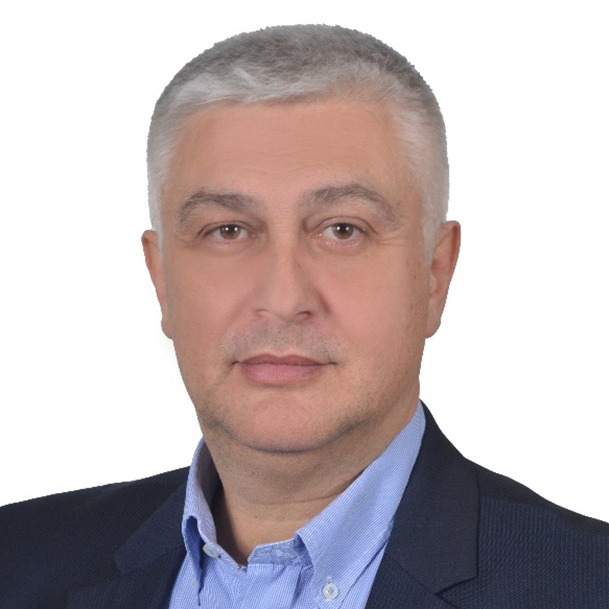
Aristotle University of Thessaloniki, Greece <a href="https://ktrianta.webpages.auth.gr/">Website</a>;Dr. Konstantinos S. Triantafyllidis is Professor at the Department of Chemistry, Aristotle University of Thessaloniki (AUTH), Greece, with undergraduate and PhD studies at the Department of Chemistry, University of Ioannina, Greece, postgraduate training at SHELL-Laboratorium, Amsterdam, and post-doctoral work at Michigan State University, USA. His research interests focus on Biomass and organic waste valorization, Biorefinery, Waste plastic chemical recycling, CO2 utilization, Heterogeneous catalysis, Green Chemistry and Chemical Technology, Adsorption/catalysis for environmental remediation, Polymer nanocomposites, Nanomaterials. He is co-author of 160 peer-reviewed papers (h-index 52, Google scholar), 8 book chapters and 2 patents, and co-editor of 6 books and > 15 journal special issues, with > 300 conference presentations. Moreover, he has been a reviewer in more than 100 international journals and is the Editor or member of editorial committees in 10 scientific journals. He has participated in > 40 research projects and networks as coordinator or principal researcher, funded by EU and Greek Ministry of Education/Research, European Space Agency (ESA), industrial contracts, etc. He is the Head of the Research Unit “Green and Environmental Chemistry (ENVIGREEN)” in the Centre for Interdisciplinary Research and Innovation, AUTH, and Collaborating Researcher at the Chemical Process and Energy Resources Institute, Centre of Research and Technology-Hellas (CPERI/CERTH). He currently serves as the delegate of the Association of Greek Chemists to the EuChemS/Division of Green and Sustainable Chemistry, and he recently chaired the 5th EuChemS on Green and Sustainable Chemistry (2021) and the 9th IUPAC International Conference on Green Chemistry (2022).

AXIA innovation, Germany, <a href="https://www.axia-innovation.com/en/home/">Website</a>;Dr. Ioanna Deligkiozi is a Chemical Engineer that graduated from the National Technical University of Athens (NTUA). She gained her M.Sc. degree in the field of Science and Technology of Materials and defended her Ph.D. thesis «Synthesis and characterization of new [2]rotaxanes of α-cyclodextrine with diazobenzene containing molecular dumbbells acting as Molecular Switches» in the field of supramolecular chemistry. These advanced supramolecules are a new class of nanomaterials, which have been intensely investigated the last years because of their ability to act as molecular switches or molecular shuttles by providing controllable and reversible transformations. Since then, she has worked as a senior researcher at the “Centre for Research and Technology Hellas”, and as an research associate at the “Center for Technology Research and Innovation”. She has been involved in various National and European Research Projects leading the technical and exploitation management. Since 2016, she is working at AXIA Innovation as a Business consultant and CEO. She has also been involved in the setup of three Start-up Companies. She has been involved in more than 50 European research projects as senior researcher, technical, dissemination and exploitation manager in FP7, H2020 and HEU projects. She has published more than 60 scientific and technical papers in Journals and Conferences, including three book chapters, and is a reviewer of HELION and MDPI. Since 2015, she is an Expert Evaluator and Monitor of Proposals and Projects of the European Commission. Her interests and goals lie in the wide field of nanomaterials, nanoscience and nanotechnology, with a focus on their exploitation and commersialization.
Important Dates
19 Feb
2024
4 Mar
2024
2 Apr
2024
14 May
2024
14 May
2024
14 May
2024
Meet Our Speakers
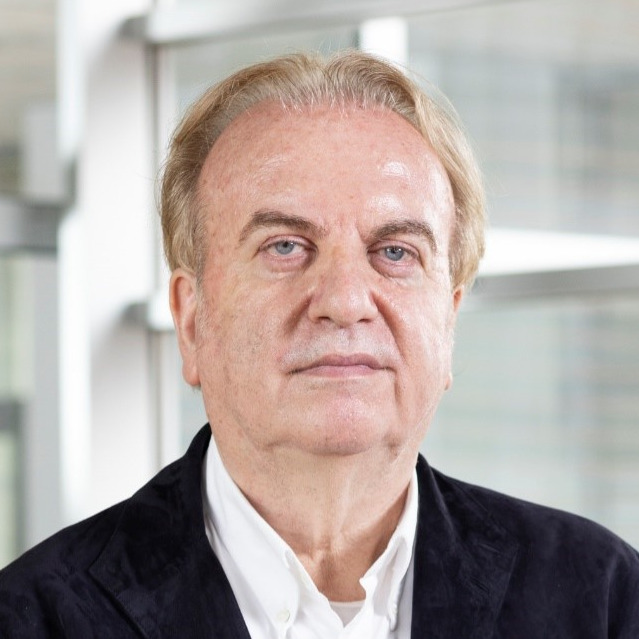
Catalan Institute for Water Research (ICRA), Scientific and Technological Park of the University of Girona, Spain;Water and Soil Quality Research Group, IDAEA-CSIC, Barcelona, Spain;Full Professor IDAEA-CSIC, Spain since 1999 to date. From 2016 – to date Full Professor Chair (DSFP) in Biology. Awarded as Doctor Honoris Causa by the Universities of Ioannina, Greece, in 2014 and by the University of Lleida, June 2021 and Almeria, Spain in May 2022. Honorary and Guest Professor at ZAFU, Hangzhou, China in 2019 till March 2020 and Foreign Expert of East China University of Science & Technology, Shanghai, China, 2021-2022. From January 2022 till December 2026 he has been appointed Adjunct Professor in Sustainability Cluster, School of Engineering at the UPES, Dehradun, India. Damià Barceló has received the following awards: 2023. Prize of the Division of Analytical Chemistry (DAC) of the European Society of Chemistry (EuChemS) Euroanalysis, Geneva 2012 Recipharm Environmental Award, Sweden, 2012 Prince Sultan Bin Abdulaziz International Prize for Water (PSIPW), 5th Award on Water Management & Protection, Saudi Arabia and in 2007 Prize King Jaime I on the Protection of Nature from Generalitat of Valencia, Spain. He has supervised > 65 PhD students, since 1992 – to date. He has been Instructor of short courses at PITTCON, SETAC NA and ExTech conferences since early 2000. Prof. Barceló expertise is on analysis, fate, risk and removal of emerging contaminants, nanomaterials and microplastics from water as well as sewage epidemiology of drugs and proteins using advanced mass spectrometric tehcniques. Since 2010 he is listed as highly cited scientist, ISI Highly Cited, with a Hirsch-Index of 179 and total number of citations over 142.300 thousand and more than 1600 publications (source Google Scholar). Research.com ranked in 2023 Prof. Barceló as 3rd and 23rd environmental scientist and chemist, respectively in the world.
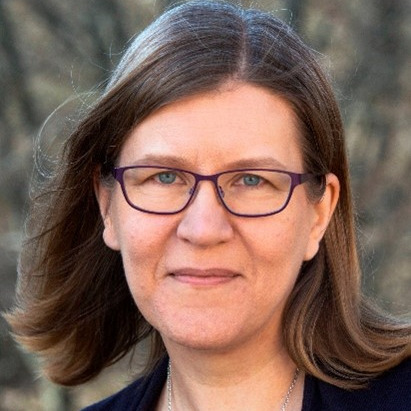
KTH Royal Institute of Technology, Stockholm, Sweden;Minna Hakkarainen is professor in Polymer Technology at KTH Royal Institute of Technology in Sweden. She got her M.Sc. in Polymer Chemistry from University of Helsinki in 1992 and Ph.D. in Polymer Technology from KTH in 1996. Since 2011 she is full professor and since 2012 the Head of the Polymer Technology Division at KTH. Her research interest is sustainable polymers including biobased, degradable and/or recyclable polymers. Recently her main research focus was design of polymer materials for mechanical, chemical or biological recyclability by e.g. utilizing dynamic covalent chemistries or degradation triggers. She is in Editorial Advisory Board of several international journals such as Biomacromolecules, Polymer Testing, Macromolecular Materials and Engineering and SN Applied Sciences. She published >200 papers in international journals and she is a co-author of a text book on Applied Polymer Science.
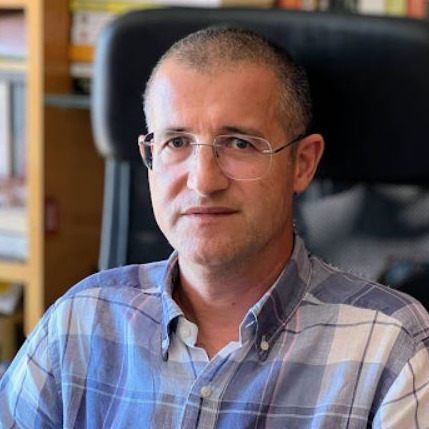
University of Aveiro, Portugal;Armando Silvestre (born 1968), Full Professor, University of Aveiro, Department of Chemistry and CICECO Aveiro Institute of Materials. PhD (1994) and Habilitation (2008) in Chemistry. He is currently Head of the Department of Chemistry, and member of CICECO-Aveiro Institute of Materials, Group 4- Biorefineries, Biobased Materials and Recycling. Armando has a large experience in coordination and participation in National and EU Projects (40 +) projects, with 14+ M€ of funding for University of Aveiro. Armando published 2 books, more than 25 book chapters, 12 patents, 415+ papers, H-index 71 , +18 200 citations (Scopus) Large experience in PostDoctoral (17) PhD (34 of which 6 in progress) and MSc (+50) students supervising, and in teaching and BSc, MSc and PhD level. His research interests are focused on the Biorefinery concept development namely through the sustainable extraction and upgrading of added-value compounds from biomass addressing mainly bioactive compounds through the use benign solvents(using ionic liquids, deep eutectic solvents ); new biobased polymers derived from 2,5-furandicarboxylic acid and new functional (nano)composite materials and biomaterials based on biopolymers and cellulose (nano)fibers.
Sessions
Explore more details




















General Video Polymers 2024
28th May 2024
29th May 2024
30th May 2024
31st May 2024
Thursday, 30 May 2024, 8:00 pm EEST
We invite you to join us at the Conference Dinner at the Royal Olympic Hotel, a family run five star property in the center of Athens, which will make of your evening at the restaurant an experience to remember. The hotel lays just in front of the famous Temple of Zeus and National Garden, underneath the Acropolis and only 2 minutes walk to the new Acropolis Museum.
The dinner will be at an additional cost of 60 EUR and will need to be booked separately in an independent registration. Please register and pay for it here before 15 May 2024 and save your seat. During the registration process, please indicate any dietary restriction in the comments.
You are welcome to bring any accompanying persons by booking their seats. Please note that registrations onsite will not be permitted.

The posters have been divided into two groups and will be presented in one of the two poster sessions.
Poster Session A
Posters: A1 – A95
Wednesday, 29 May 2024
Posters should be set up on Wednesday morning and must be removed by 19:00 on the same day.
Poster Session B
Posters: B1 – B94
Thursday, 30 May 2024
Posters should be set up on Thursday morning and must be removed by 19:00 on the same day.
Each presenter will be provided with a vertical poster board. Note that the maximum poster size limited to A0:
- 84 x 120 cm / 33 x 47 in (width x height)
- in vertical orientation (portrait)
Please print your poster prior to the conference.
The session for each poster, along with the poster numbers, titles, and presenting author, can be found below. Please contact us if the poster presenter's name is incorrect in this list.
By clicking on the icon below, you can view and download the list of posters (updated 24.05.2024)

BIOMAC Stakeholder engagement workshop
«Bridging Innovation, Funding, and Collaboration in Greece»
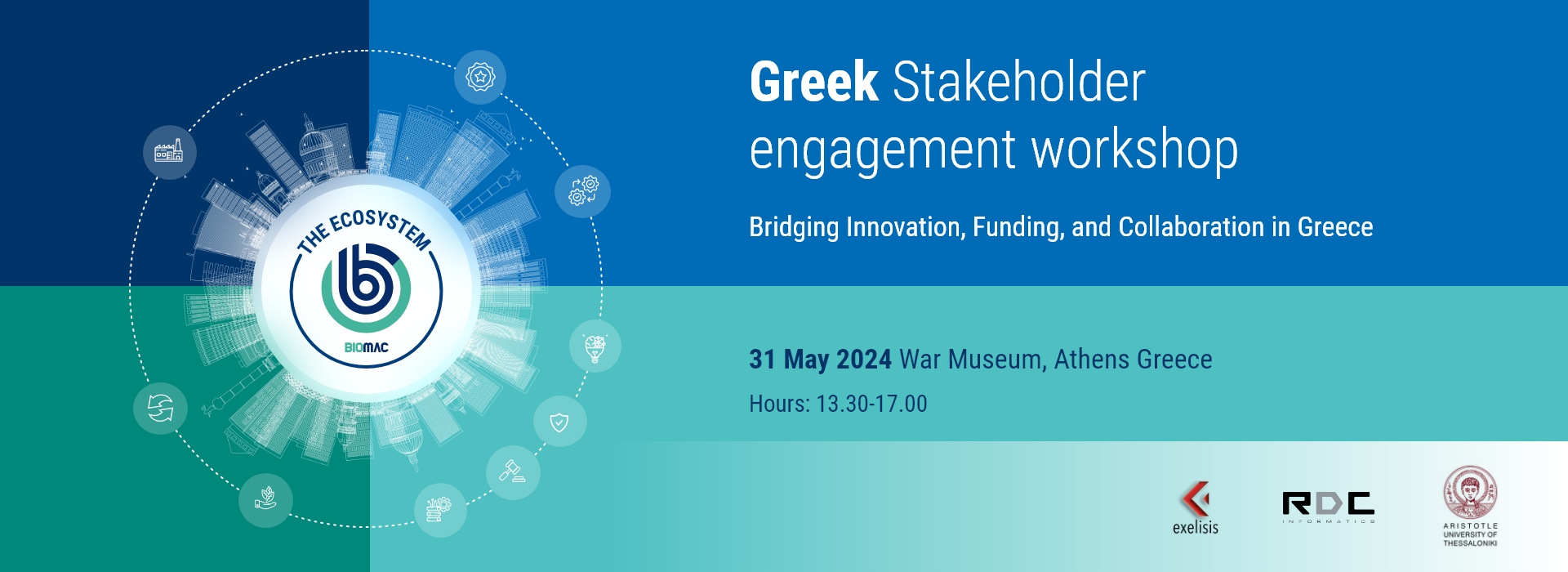
As part of the BIOMAC project's stakeholder engagement initiative, we are thrilled to announce a satellite event in Greece, coinciding with the prestigious POLYMERS 2024 conference. This event serves as a unique opportunity for stakeholders in Greece, particularly SMEs, to connect with the cutting-edge advancements of the BIOMAC Open Innovation Test Bed (OITB) and explore avenues for collaboration.
Register now for free to secure your spot at this dynamic event: https://grevent.biomac-oitb.eu/
*The event will be held in Greek language.
Founded in 2009 by organic research scientists, Ossila aims to drive intelligent and efficient scientific research and discoveries. Within their goals, Ossila is always aiming to promote the students and early career researchers journeys.
Within Polymers 2024, Ossila is sponsoring a special award for the best student poster. The award winner will be selected by the Chairs and Scientific Committee after evaluation of all posters presented by students at the conference.
Best Student Poster Award
Number of Awards Available: 1
Prize: EUR 500