Thalassemia Reports Webinar | Rewriting the Story of Thalassemia
the chair
Dear colleagues and friends,
It is a great pleasure to welcome you to this webinar dedicated to thalassemia—a field that, perhaps more than many others in hematology, is undergoing a profound and exciting transformation.
For decades, the story of thalassemia has been one of imbalance—of alpha and beta globin chains, of chronic transfusions, of iron overload, and of supportive care that, while lifesaving, did not fundamentally alter the nature of the disease. This is the history we have all learned, practiced, and taught.
But today, that story is changing.
We are now facing a new era in which thalassemia is no longer seen only as a condition to be managed, but also increasingly as a disease that can be significantly improved—and in some cases, even cured.
What makes this transformation so remarkable is that it goes beyond the traditional paradigm of globin chain imbalance. We are learning that by targeting alterations in cellular metabolism—mechanisms not directly related to the alpha versus beta chain disequilibrium—we can meaningfully modify disease expression. This opens the door to innovative pharmacological approaches that act at a deeper biological level, reshaping how we think about treatment.
And beyond this, we are witnessing the rise of gene therapy—an approach that does not just alleviate symptoms but addresses the root cause of the disease. For some patients, this represents the possibility of a definitive cure, something that until recently belonged more to aspiration than to clinical reality.
The program we have prepared today reflects this evolution—from current standards of care, to emerging therapeutic strategies, to the future perspectives offered by gene therapy.
Together with our distinguished speakers, we will explore how science is rewriting the natural history of thalassemia, and how these advances are beginning to translate into real benefits for patients.
Thank you for joining us, and I wish you an engaging and inspiring webinar.
Date: 8 May 2026
Time: 3:00 pm (CEST) | 9:00 am (EDT)
Webinar ID: 845 4301 8422
Webinar Secretariat: journal.webinar@mdpi.com
Meet Our Chair
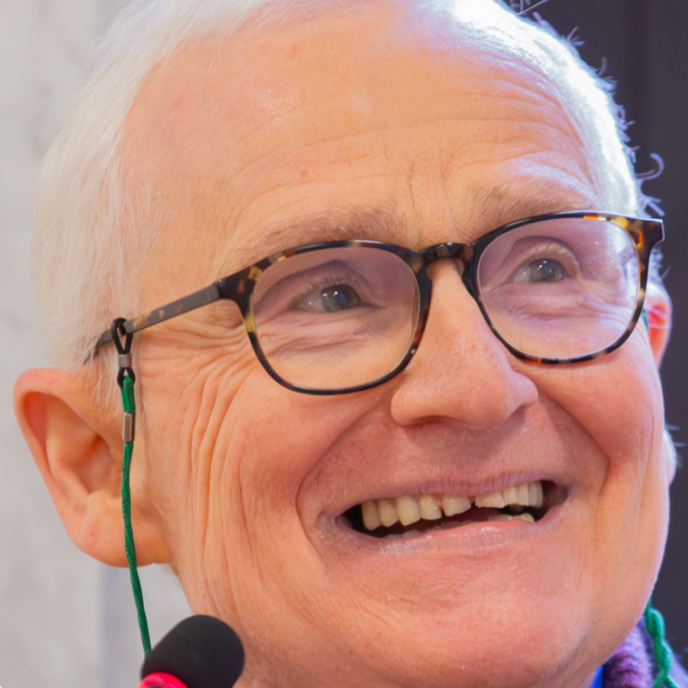
Foundation Franco and Piera Cutino, Villa Sofia-Cervello Hospital, Italy;Prof. Aurelio Maggio is President of the “Franco and Piera Cutino” Foundation (Sicilian Regional Network Support Body for Thalassemia and Sickle Cell Disease) and Scientific Director of the GARDEN Network, a global alliance focused on rare blood diseases. Former Director of the Hematology and Rare Diseases Unit at A.O.O.R. “Villa Sofia Cervello” in Palermo (IT), he is an internationally recognized expert in Thalassemia. With over 40 years of clinical and research experience, he is playing a key role in advancing gene therapy and patient-centered care.
Meet Our Speakers
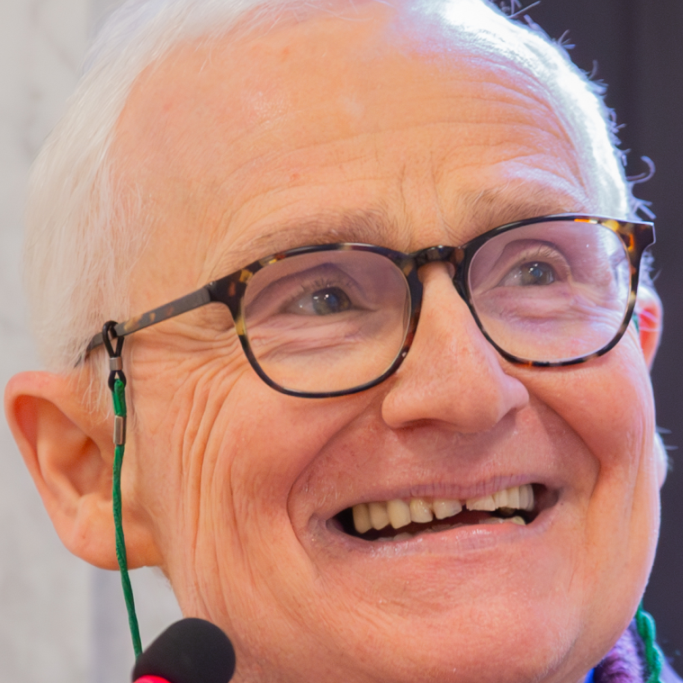
Foundation Franco and Piera Cutino, Villa Sofia-Cervello Hospital, Italy;Prof. Aurelio Maggio is President of the “Franco and Piera Cutino” Foundation (Sicilian Regional Network Support Body for Thalassemia and Sickle Cell Disease) and Scientific Director of the GARDEN Network, a global alliance focused on rare blood diseases. Former Director of the Hematology and Rare Diseases Unit at A.O.O.R. “Villa Sofia Cervello” in Palermo (IT), he is an internationally recognized expert in Thalassemia. With over 40 years of clinical and research experience, he is playing a key role in advancing gene therapy and patient-centered care.
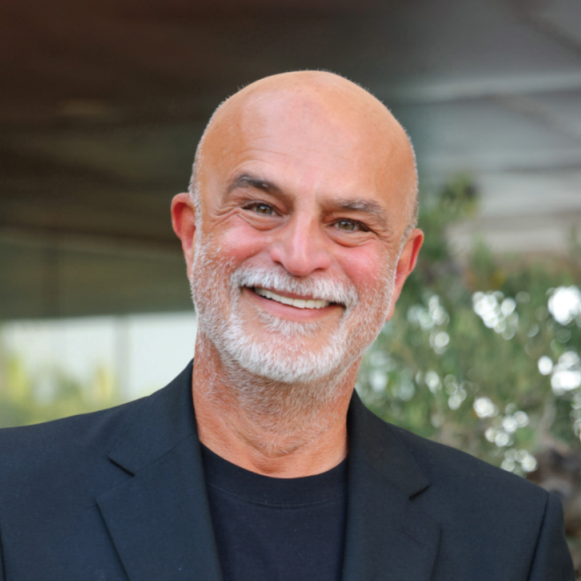
American University of Beirut Medical Center, Lebanon;Ali T. Taher, MD, PhD, FRCP, is a Professor of Medicine in the Division of Hematology & Oncology at the American University of Beirut Medical Center, where he serves as Director of the Naef K. Basile Cancer Institute and Associate Vice President for Academic Centers, Development, and External Affairs. He was granted tenure as Full Professor in 2018 and is also a consultant at the Thalassemia Department of the Chronic Care Center in Lebanon. Prof. Taher received the Fellowship of the Royal College of Physicians (FRCP) in 2011 and earned his PhD from Leiden University Medical Center in 2012 for his seminal work on thalassemia intermedia. He is a globally recognized leader in benign hematology and thalassemia, with more than 535 peer-reviewed publications, over 32,000 citations, and an hindex of 84. He has delivered over 200 invited lectures worldwide and has received numerous national and international honors, including the International Leader in Thalassemia Award, the KFAS Prize for research on β-thalassemia, the Lebanese National Cedar Medal, the EHA Education and Mentoring Award, and the Lifetime Achievement Award in MENA Oncology. Prof. Taher serves as Principal Investigator on multiple international Phase 1–4 clinical trials and is an Associate Editor of Annals of Hematology, with editorial roles across several leading journals. He is an active member and leader within major professional societies, including American Society of Hematology and the European Hematology Association, where he currently chairs the Scientific Working Group on Red Cells and Iron. His work has significantly shaped international guidelines and advanced the care of patients with thalassemia worldwide.
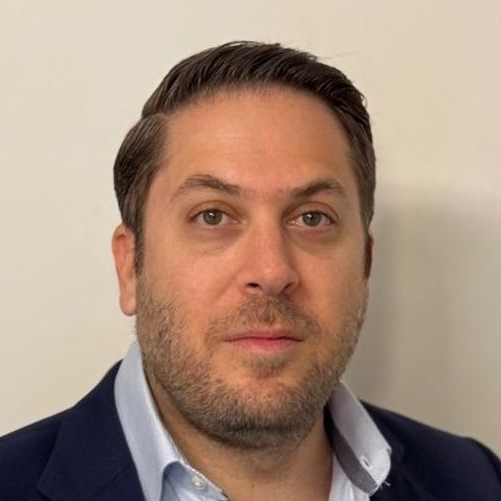
Burjeel Cancer Institute, UAE;Prof. Khaled Musallam MD PhD is currently the Group Chief Research Officer at Burjeel Holdings in Abu Dhabi, UAE where he founded the clinical research function and operations across the Group’s large hospital network. He is also Deputy CEO and Chief of Cell & Gene Therapy and Hematology, Director of the Thalassemia & Sickle Cell Center, and Founding Director of the Center for Research on Rare Blood Disorder (CR-RBD) at Burjeel Cancer Institute located in the Group’s flagship hospital, Burjeel Medical City. He is also Adjunct Professor at Khalifa University in Abu Dhabi and Adjunct Professor at Weill Cornel Medicine in New York. He has authored over 230 articles on hemoglobin disorders with practice-changing papers in leading international peer-reviewed journals including the New England Journal of Medicine, Lancet, Nature, Blood, among others. His h-index is 65. He is also editor of the Thalassaemia International Federation management guidelines. Prof. Musallam was the recipient of the 2025 European Haematology Association Clinical Excellence Award.
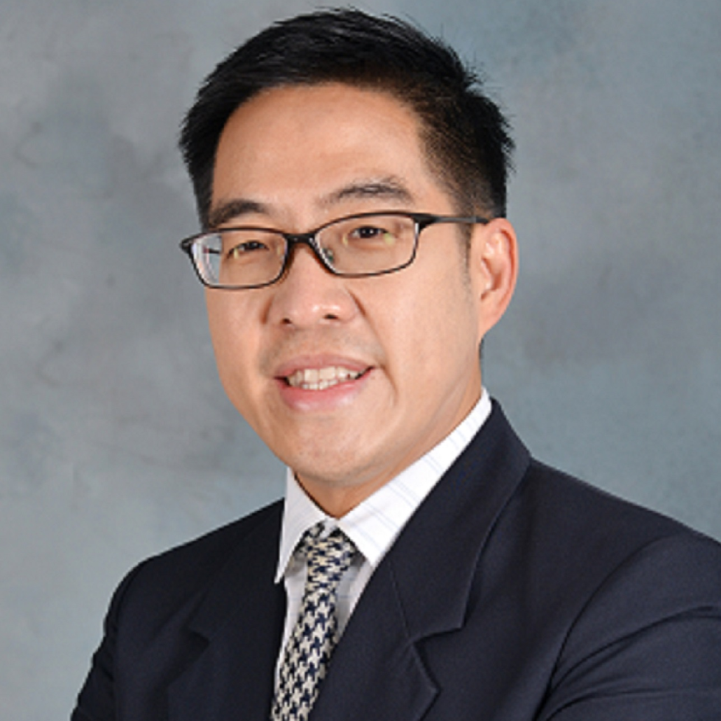
Mahidol University, Thailand;Dr. Viprakasit has served as an Associate Editor of Blood Research, Journal Medical Association of Thailand, Southeast Asian Journal of Tropical Medicine & Public Health, and a member of the steering committee for Nanotechnology Institute of Thailand and numerous clinical trials for pharmaceutical companies related to thalassemia and iron dysregulation in man. He received the best research award and most cited scientist of the year in 2015, 2016, 2022 from Mahidol University and the Most Outstanding Researcher (Medical Science) of the Year 2021 and the Scientist of the Year Award 2022 from The National Research Council of Thailand (NRCT) and Minister of Higher Education, Science and Technology. In addition, in 2021, he received the Prime Minister’s Award on Innovation for Crisis from the National Innovation Agency (NIA). Under his supervision, The Siriraj Thalassemia Center received the Sultan Bin Khalifa Award from UAE for the Excellent Center for Thalassemia Care in 2014. In addition, he received several honors as invited keynote speaker, including The 6th Prof. Alendry P. Caviles Jr. Memorial Lecture from the Philippine Society of Hematology and Blood Transfusion (PSHBT) and Harvard Blood Scholar Lecture from Harvard University in 2012, and Dr. Khin Mar Mar Memorial Lecture from the Myanmar Society of Hematology in 2019. Recently, Professor Viprakasit has been named as one of the top 50 “Asia’s Most Influential in STEM” (Science, Technology, Engineering & Mathematics) from the Tatler Asia Magazine. He is also the WHO working group expert and WHO guideline committee to define the definition and classification of anemia in men since 2018.


1st Thalassemia Reports Webinar
Rewriting the Story of Thalassemia
In this section, you will find the recordings of this webinar to watch, re-watch and share with your colleagues!
The webinar “Thalassemia Reports – Rewriting the Story of Thalassemia”, held on 8 May 2026, highlighted several important scientific and clinical developments that are reshaping the future management of thalassemia. Among the key issues presented by the speakers was the importance of lifelong monitoring of anemia and iron overload in patients with thalassemia as a major prognostic factor for complications and mortality. Particular attention was dedicated to the LAICI score, which was presented as an important tool for the integrated evaluation of disease severity and long-term outcomes. The webinar also reviewed the emerging efficacy data of novel therapeutic agents such as luspatercept and mitapivat in thalassemia patients. These treatments are contributing to a significant evolution in the management of ineffective erythropoiesis and transfusion burden, opening new opportunities for personalized therapeutic strategies. Another highly innovative topic concerned the role of Artificial Intelligence in the creation of virtual patient cohorts. This approach, already well established in hematologic and oncologic diseases, may open new scenarios for clinical trials in thalassemia by improving study design, predictive modeling, and patient stratification. Important evidence was also discussed regarding the potential use in thalassemia of drugs already employed in oncohematologic diseases, such as pomalidomide in combination with hydroxyurea. These agents may enhance HbF production, suggesting that the future of HbF activation in thalassemia could increasingly rely on combined pharmacological therapies rather than autologous transplantation of genetically modified hematopoietic stem cells. Finally, the speakers presented the current approach to gene therapy in Thailand, a country where the very high number of thalassemia patients and economic constraints require healthcare systems to balance therapeutic efficacy with long-term sustainability of resources. The Thai experience highlighted the importance of developing innovative but also economically sustainable therapeutic models. Overall, the webinar emphasized that thalassemia care is rapidly evolving from supportive treatment toward innovative precision medicine approaches, integrating pharmacological advances, gene therapy, and digital technologies.Source: Thalassemia Reports Webinar | Rewriting the Story of Thalassemia
Advances in Hematopoietic Stem Cell Research and Therapeutic Strategies for Thalassemia
Edited by Sandeep Yada and Aloukick Kumar Singh
Deadline for manuscript submissions: 20 October 2026
Genetic Approach in Diagnosis and Following Up of Patients With Thalassemia
Edited by Duran Canata
Deadline for manuscript submissions: 31 December 2026
Feature Papers in Thalassemia Reports
Topical Collection Editors: Aurelio Maggio and Khaled Musallam
Authors: by Konstantinos Manganas et al.
Authors: by Edi Setiawan Tehuteru et al.
Dysregulation of Iron Homeostasis in β-Thalassemia and Impaired Neutrophil Activity
Authors: by Sreenithi Santhakumar et al.
Authors: by Sara Deumić et al.
Psychological Burden among Pediatric Thalassemia Major Patients in Indonesia: A Review
Authors: by Teny Tjitra Sari et al.